Industrial Manufacturing Reliable steel and alloy materials for industrial equipment manufacturing, machinery structures, and heavy-duty production systems. Detailed Description Industrial manufacturing environments require materials that offer consi...
Industrial Manufacturing
Reliable steel and alloy materials for industrial equipment manufacturing, machinery structures, and heavy-duty production systems.
Detailed Description
Industrial manufacturing environments require materials that offer consistent mechanical performance, machinability, and long-term reliability.
Steel and alloy materials are widely used in machinery manufacturing, industrial equipment fabrication, and production line systems due to their versatility and strength.
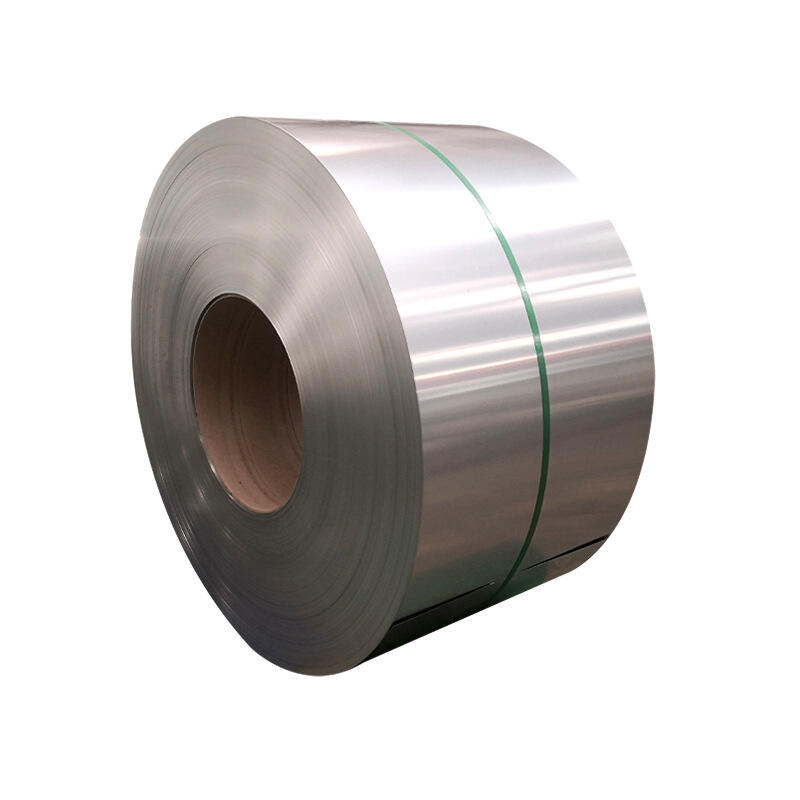
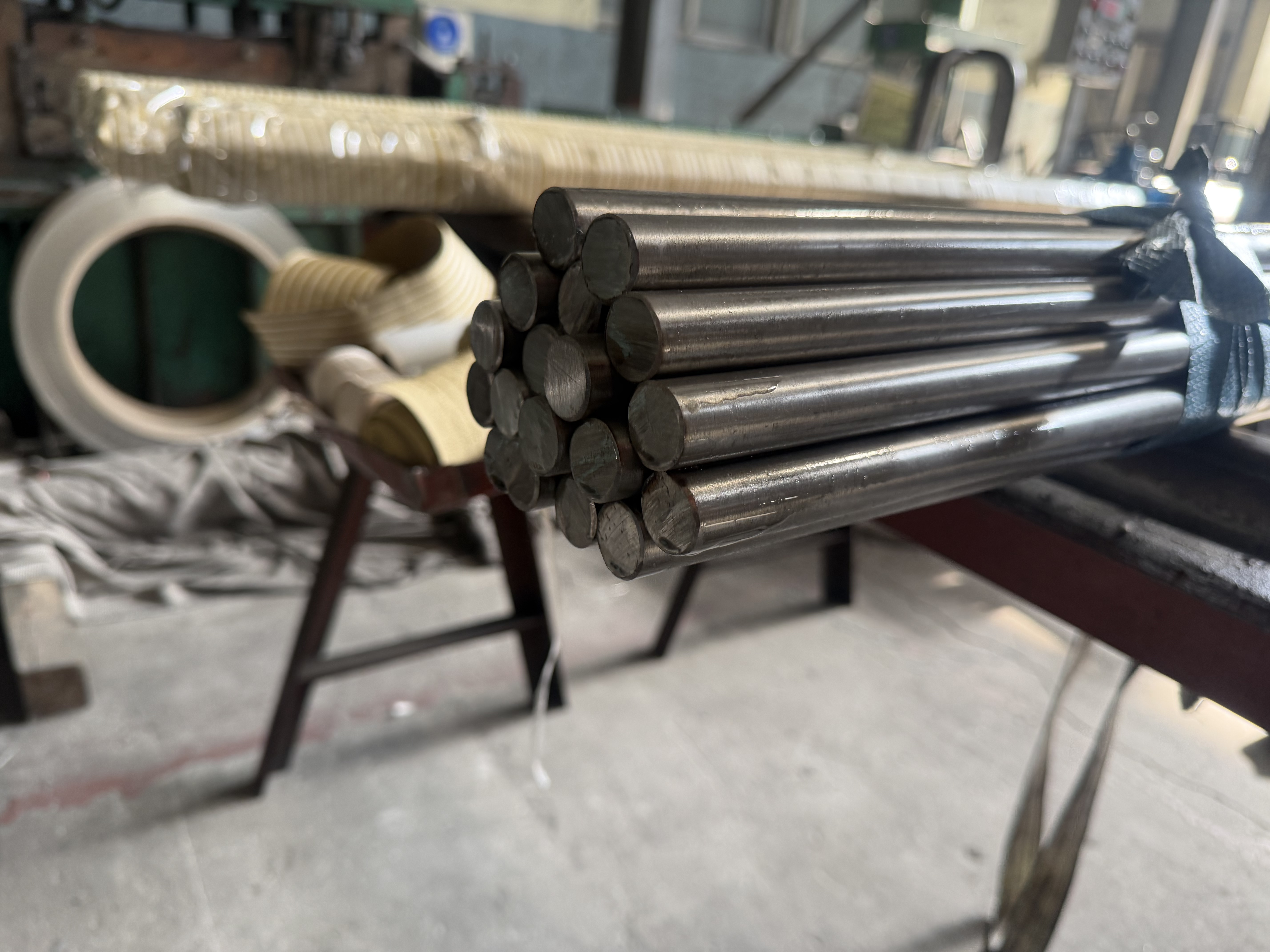
Carbon steel is commonly selected for heavy structural components and machinery frames because of its excellent strength-to-cost ratio. Stainless steel is preferred where corrosion resistance, cleanliness, or temperature stability is required. Nickel alloys are applied in specialized equipment exposed to high temperatures, pressure, or aggressive operating conditions.
These materials must maintain dimensional stability during machining, welding, and forming processes to ensure accurate assembly and safe operation of industrial systems.
Material Selection for Industrial Manufacturing
| Material | Typical Use | Performance Characteristics |
| Carbon Steel | Machine frames, bases | Strength, affordability |
| Stainless Steel | Process equipment | Corrosion resistance |
| Nickel Alloys | High-temp components | Heat & pressure resistance |
| Steel Wire | Springs, fasteners | Elasticity, durability |
🔍 Why Material Selection Matters in Industrial Manufacturing
In industrial manufacturing, material selection impacts equipment performance, production efficiency, and operational reliability.
Materials must maintain stable mechanical properties during machining, welding, and continuous operation to avoid dimensional deviation or unexpected equipment failure.
Carbon steel offers an economical solution for heavy-duty structures, while stainless steel is essential for environments requiring corrosion resistance and hygiene control. Nickel alloys are selected for critical components operating under high temperatures or pressure, where standard materials may fail.
By selecting materials with appropriate strength, corrosion resistance, and thermal stability, manufacturers can reduce downtime, improve equipment lifespan, and ensure consistent production quality.
Industrial Application Scenarios
●Manufacturing machinery and equipment
●Production line structures and supports
●Industrial tanks and pressure vessels
●Mechanical components and assemblies
●Custom-engineered fabrication projects
By providing materials with stable chemical composition, reliable mechanical properties, and export-standard packaging, our products help manufacturers improve production efficiency and reduce equipment maintenance risks.
Case: Metal Materials Supporting Continuous Production Systems
Project Context
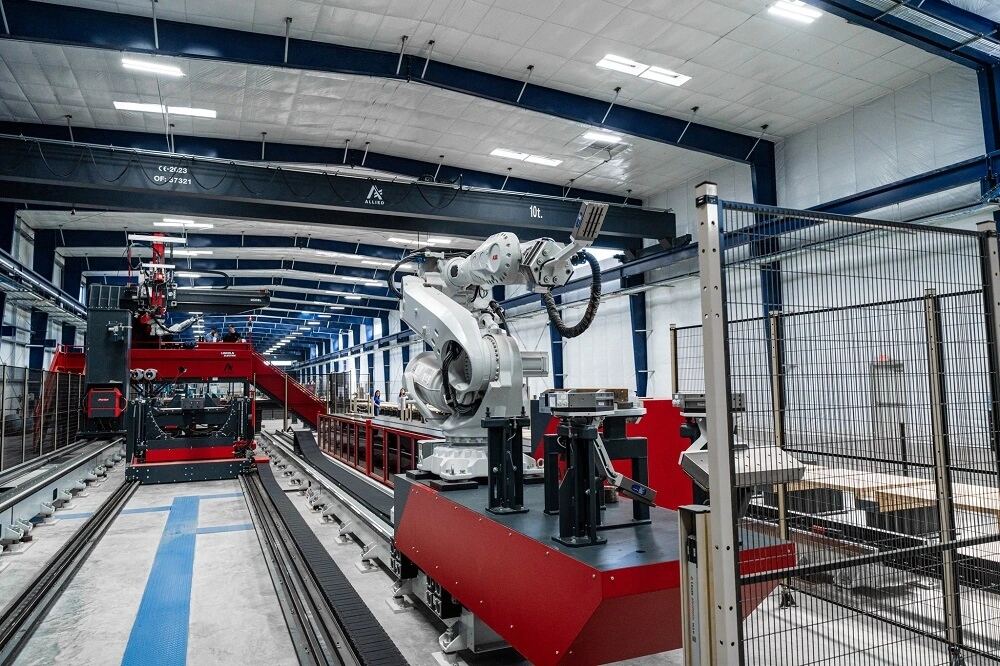
This case involved an industrial manufacturing facility operating continuous production lines.
Metal materials were not used as standalone products, but as embedded components within an integrated production system.
The facility prioritized stable output and minimal downtime, making material-related disruptions unacceptable.
Engineering Environment
Production equipment operated under repeated mechanical loads, vibration, and intermittent thermal variation.
Maintenance windows were limited, meaning that structural and supporting materials needed to remain reliable between scheduled shutdowns.
The engineering team required materials that could support future system modification without compromising existing installations.
Material Application in the System
Carbon steel was used extensively in machine frames, platforms, and equipment bases, providing structural support for moving and static components.
Stainless steel was applied in zones where exposure to lubricants, cleaning agents, or process by-products required corrosion resistance and surface stability.
Materials were fabricated and installed in coordination with equipment commissioning timelines.
Engineering Outcome
The materials supported stable equipment alignment and reduced vibration-related issues during operation.
Over time, consistent material performance contributed to predictable maintenance cycles and improved overall production efficiency.

 EN
EN