
 EN
EN



هاينز 282 مقابل إنكونيل 718: ما الفرق بينهما؟
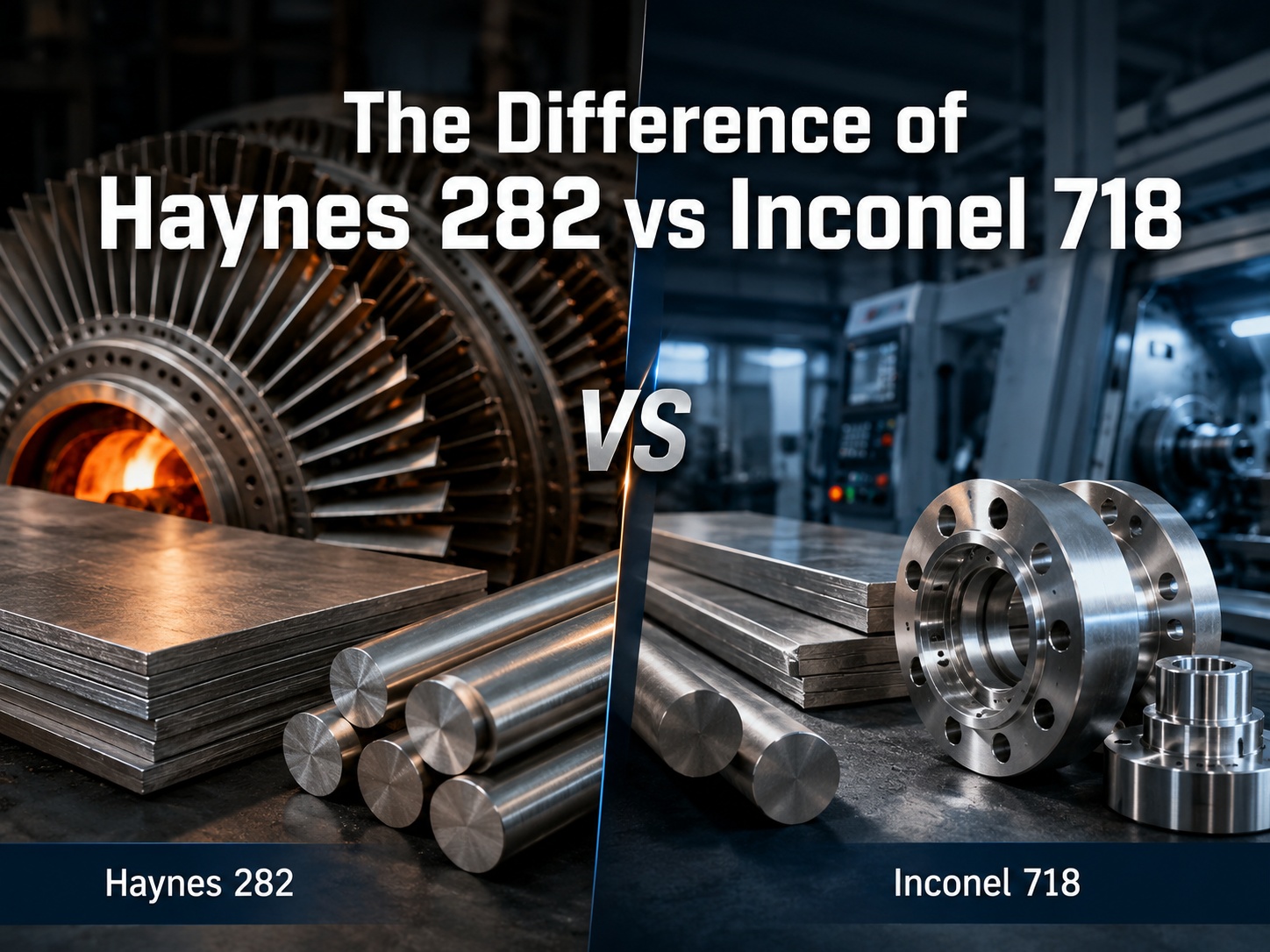
تُعد سبيكتا هاينز 282 وإنكونيل 718 سبيكتين فائقتين قائمتين على النيكل تُستخدمان في التطبيقات التي لا تستطيع فيها الفولاذ المقاوم للصدأ العادي تحمل الحرارة أو الإجهادات أو مخاطر التآكل. وتظهر عادةً في قطاعات الطيران والمحركات الغازية لتوربينات الغاز وتوليد الطاقة والمعالجة الكيميائية والمشاريع الصناعية عالية الأداء. وتتمثل التحديات في أنهما ليستا بديلين مباشرين عن بعضهما البعض؛ إذ تحل كل سبيكة مشكلة هندسية مختلفة.
بالنسبة للمشترين والمهندسين وفرق التوريد في الولايات المتحدة، فإن الخيار الصحيح يعتمد غالبًا على درجة حرارة التشغيل، ومتطلبات الزحف (Creep)، وقابلية اللحام، ومعالجة الحرارة، وشكل المنتج، ووقت التسليم، والتكلفة الإجمالية للمشروع. ويوضح هذا الدليل الفرق العملي بين سبيكة هاينز 282 وسبيكة إنكونيل 718 بطريقة تدعم اتخاذ قرارات حقيقية بشأن طلبات العروض السعرية (RFQ) واختيار المواد.
يمكن للمشترين الذين يقارنون أشكال منتجات السبائك النيكلية أيضًا مراجعة الخيارات ذات الصلة من لوحة سبائك النيكل , أنابيب سبائك النيكل , سبيكة نيكل على شكل قضيب و لفافة سبيكة النيكل .
ما هي سبيكة هاينز 282؟
هاينز 282 هي سبيكة فائقة قائمة على النيكل، مُصنَّعة بالطرق الميكانيكية (Wrought)، ومُقوَّاة بطور غاما-بريم (Gamma-prime). وتم تطويرها لتطبيقات الهياكل التي تتطلب مقاومة عالية لدرجات الحرارة، خاصةً في محركات التوربينات الغازية الجوية والصناعية.
وتتمثل قيمتها الرئيسية في الجمع بين مقاومة الزحف، والاستقرار الحراري، وقابلية اللحام، وسهولة التصنيع. وبعبارات مبسطة، صُمِّمت سبيكة هاينز 282 للأجزاء التي يجب أن تحافظ على مقاومتها أثناء التعرُّض لدرجات حرارة مرتفعة لفترات طويلة.
الاستخدامات النموذجية لسبيكة هاينز 282
- مكونات التوربينات الغازية
- أجزاء غرفة الاحتراق
- القناوات الانتقالية
- أجزاء هيكلية تعمل عند درجات حرارة عالية
- مكونات محركات الطيران
- معدات توليد الطاقة
ملاحظة عملية للمشترين
يُعتبر سبيكة هاينز 282 غالبًا عندما تكون مقاومة التَّشوه الحراري (الانسياب) والاستقرار على المدى الطويل عند درجات الحرارة المرتفعة أكثر أهمية من توفر المادة على نطاق واسع أو انخفاض تكلفة المادة.
ما هي سبيكة إنكونيل 718؟
سبيكة إنكونيل 718 هي سبيكة نيكِل-كروم قابلة للتصلب بالترسيب. وهي واحدة من أكثر السبائك الفائقة القائمة على النيكل استخدامًا على نطاق واسع، لأنها تقدّم توازنًا عمليًّا بين مقاومة عالية، ومقاومة ممتازة للتآكل، وقابليّة جيدة للحام، وتوافر واسع.
تُستخدم سبيكة إنكونيل 718 عادةً في نطاق درجات الحرارة من درجات الحرارة الكريوجينية وحتى حوالي ١٣٠٠°ف (٧٠٤°م) في العديد من التطبيقات الصناعية والفضائية. كما تُعرف بخصائصها الممتازة في اللحام مقارنةً بالعديد من السبائك النيكلية الأخرى عالية المقاومة.
الاستخدامات النموذجية لسبيكة إنكونيل 718
- مكونات الطيران والفضاء
- أجزاء توربين الغاز
- مكونات محركات الصواريخ
- المسامير والزنبركات
- الصمامات والشفاه
- معدات النفط والغاز
ملاحظة عملية للمشترين
غالبًا ما يكون من الأسهل الحصول على سبيكة إنكونيل 718 على شكل صفائح، قضبان، أنابيب، أسلاك، مسامير، أو أجزاء مُشكَّلة بالطرق. وتُختار عادةً عندما تتطلّب التطبيق أداءً مثبتًا وسلسلة توريد ناضجة.
مقارنة سريعة بين سبيكة هاينز 282 وسبيكة إنكونيل 718
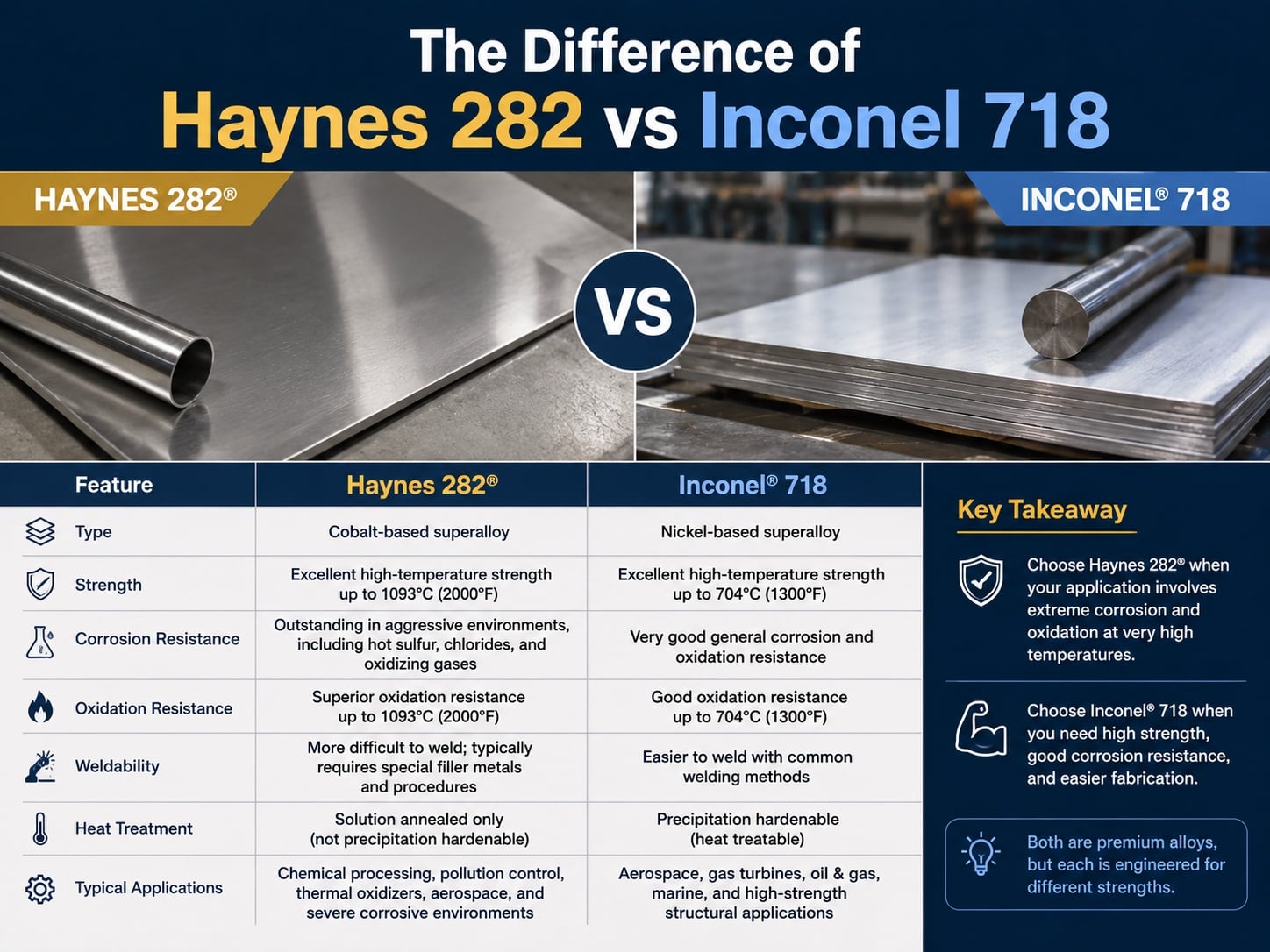
| المميزات | هينز 282 | إنكونيل 718 |
|---|---|---|
| عائلة السبيكة | سبيكة فائقة مقاومة للحرارة قائمة على النيكل ومدعّمة بطور غاما-بريم | سبيكة فائقة مقاومة للحرارة قابلة للتصلب بالترسيب وقائمة على النيكل والكروم |
| رقم UNS | UNS N07208 | UNS N07718 |
| الاستفادة الرئيسية | مقاومة عالية للتَّشوه التدريجي عند درجات الحرارة المرتفعة والاستقرار الحراري | توازن ممتاز بين القوة ومقاومة التآكل وقابلية اللحام وتوافر المادة |
| التركيز على درجة الحرارة | الاستخدام الهيكلي عند درجات حرارة أعلى | الاستخدام من درجات الحرارة الكريوجينية إلى درجات الحرارة المرتفعة المعتدلة |
| قابلية الحركة | أداء جيد ضمن فئتها من حيث القوة، لكن التحكم في إجراءات التصنيع أمرٌ بالغ الأهمية | ممتاز لسبيكة نيكيل عالية القوة |
| التوافر | أكثر تخصصًا | متاح على نطاق واسع في العديد من أشكال المنتجات |
| التطبيقات النموذجية | التوربينات الغازية، غرف الاحتراق، القنوات الانتقالية، الهياكل ذات درجات الحرارة العالية | أجزاء الطيران والفضاء، الوصلات، النوابض، الصمامات، الألواح الواصلة، التوربينات، وأجزاء قطاع النفط والغاز |
قرار بسيط: اختر سبيكة هاينز 282 عندما تكون مقاومة التشوه التدريجي على المدى الطويل عند درجات الحرارة العالية هي الشاغل الرئيسي. واختر سبيكة إنكونيل 718 عندما تتطلب المهمة سبيكة نيكيل مُثبتة جيدًا مع توفر واسع، وقابلية ممتازة للحام، وقوة عالية، ومقاومة للتآكل.
التركيب الكيميائي: لماذا تختلف أداء هذه السبائك؟
كلا السبيكتين مبنيتان على النيكل، لكن أنظمة التقوية والتوازن التصنيفي للعناصر المُضافَة في كل منهما يختلفان. وهذا الاختلاف يؤثر في درجة حرارة التشغيل، ومقاومة التشوه التدريجي، وسلوك التصنيع، والتكلفة.
| العنصر / الخاصية | هينز 282 | إنكونيل 718 | لماذا يهم ذلك؟ |
|---|---|---|---|
| النيكل | قاعدة النيكل | قاعدة النيكل | يدعم مقاومة درجات الحرارة العالية والمقاومة للتآكل |
| الكروم | محتوى كروم كبير | محتوى كروم كبير | يحسّن مقاومة الأكسدة والتآكل |
| الموليبدينوم | يُستخدم لتقوية المحلول الصلب | يُستخدم لتوفير القوة والمقاومة للتآكل | يدعم القوة والأداء في البيئات الصعبة |
| الكوبالت | عنصر سبيكي مهم | ليست محور التركيز الرئيسي في التصميم | يساعد في دعم مقاومة درجات الحرارة العالية في سبيكة هينز ٢٨٢ |
| النيوبيوم | ليست الميزة الرئيسية لتقوية السبيكة | عنصر رئيسي لتعزيز السبيكة مع التصلب بالترسيب | يساعد في منح سبيكة إنكونيل 718 قوتها العالية المعروفة جيدًا |
| التيتانيوم والألمنيوم | يُستخدم لتقوية الطور غاما-بريم (γ') | يوجد بدورٍ تقوية ثانويٍّ أصغر | عنصـرٌ مهمٌّ في سلوك التصلب بالترسيب |
النتيجة الرئيسية بسيطة: سبيكة هينز 282 صُمِّمت خصيصًا لتحقيق مقاومة عالية للزحف عند درجات الحرارة المرتفعة والاستقرار الحراري، بينما صُمِّمت سبيكة إنكونيل 718 لتحقيق أداء ممتاز شامل، والتصلب بالعمر، وقابليّة اللحام، والاستخدام الصناعي الواسع.
القدرة على التحمل الحراري: تمتلك سبيكة هينز 282 الأفضلية عند درجات الحرارة المرتفعة
غالبًا ما تكون درجة الحرارة أول سؤال يُطرح عند مقارنة سبيكة هينز 282 مع سبيكة إنكونيل 718. فإذا كان الجزء المُصنَّع عُرضةً لفترات طويلة من التعرُّض لدرجات حرارة مرتفعة، فإن مقاومة الزحف والاستقرار الحراري تصبحان عاملين حاسمين.
تم تطوير سبيكة هينز 282 لتطبيقات الهياكل عند درجات الحرارة المرتفعة، وهي تُعتبر غالبًا في مكونات التوربينات الغازية ومحركات الطائرات، حيث يجب أن تقاوم المادة التشوه الناتج عن الحرارة والإجهاد على مدى الزمن.
يؤدي إنكونيل 718 أيضًا أداءً جيدًا في ظروف التشغيل الصعبة، لكنه يُختار عادةً للتطبيقات التي تصل درجة حرارتها إلى حوالي ١٣٠٠° فهرنهايت. وفوق هذه المدى، يُجري المشترون غالبًا مراجعةً للبدائل عندما تصبح مقاومة التَّشوه التدريجي على المدى الطويل (الانزياح الحراري) عامل تصميم رئيسيًا.
مذكّرة هندسية: لا تختار هذه السبائك استنادًا إلى درجة الحرارة وحدها. ويجب أن تشمل عملية الاختيار النهائي مراجعة مستوى الإجهاد، ومدة التعرُّض، وخطر الأكسدة، وحالة المعالجة الحرارية، وهندسة القطعة، والمعايير التصميمية الواجب تطبيقها.
مقاومة الزحف والاستقرار الحراري
يشير الانزياح الحراري (Creep) إلى التشوه البطيء الذي يحدث تحت تأثير الإجهاد عند درجات الحرارة المرتفعة. وهو عامل حاسم في محركات التوربينات، وغرف الاحتراق، والقناوات الانتقالية، وغيرها من المكونات المعرَّضة لدرجات حرارة عالية.
يُختار سبيكة هينز ٢٨٢ عادةً عندما تكون مقاومة الانزياح الحراري متطلَّبًا أساسيًّا. وبفضل تركيبها السبائكي، تتمتَّع هذه السبيكة بمقاومة قوية للتشوه الذي يعتمد على الزمن عند درجات الحرارة المرتفعة.
يتمتع سبيكة إنكونيل 718 بمقاومة جيدة، لكنها عادةً ليست الخيار الأول عندما تتجاوز ظروف التشغيل نطاق درجة الحرارة المُريح لها على المدى الطويل. وتظل هذه السبيكة ذات قيمة كبيرة في التطبيقات التي تتطلب مقاومة عالية، ومقاومة للتآكل، وقابليّة جيدة للحام ضمن نطاق تشغيلها.
قابليّة اللحام والتصنيع
تُعرف سبيكة إنكونيل 718 بقابليّتها الممتازة للحام مقارنةً بالسبائك النيكلية عالية المقاومة. ويمكن تصنيعها بسهولة إلى أجزاء معقدة، وهي إحدى الأسباب التي جعلتها خيارًا شائعًا في تطبيقات الطيران والطاقة والصناعات المختلفة.
وقد وُضعت سبيكة هينز 282 أيضًا مع الأخذ بعين الاعتبار قابليّة اللحام والتصنيع. وهذا أمرٌ مهمٌ لأن بعض السبائك الفائقة مقاومة للحرارة يصعب لحامها بعد التصلب.
ومع ذلك، فإن كلا السبيكتين تتطلبان اتباع إجراءات لحام صحيحة، ومعالجة نظيفة، ومعالجة حرارية خاضعة للرقابة، وتوثيق دقيق. أما بالنسبة للأجزاء الحرجة، فيجب أن يتم اللحام وفقًا للإجراءات المؤهلة والمواصفات الخاصة بالمشروع.
مقاومة الأكسدة والتآكل
يقدّم سبيكتا هينز 282 وإنكونيل 718 مقاومةً للأكسدة والتآكل، لكنَّهما عادةً ما يُختاران لأسبابٍ مختلفة.
غالبًا ما يُختار سبيكة هينز 282 للتطبيقات الهيكلية الحرارية التي تتطلّب تعاونًا بين مقاومة الأكسدة ومقاومة التَّشوه التَّدريجي (الزَّحف). وتُستخدم سبيكة إنكونيل 718 على نطاق واسع في البيئات التي تتطلّب الجمع بين القوة ومقاومة التآكل، بما في ذلك قطاع الطيران والفضاء، وصناعة النفط والغاز، وبعض تطبيقات معالجة المواد الكيميائية.
في حالات التآكل الكيميائي الشديد، لا ينبغي للمشترين افتراض أن أيًّا من السبائك يكون مناسبًا تلقائيًّا. وينبغي مراجعة الاسم الكيميائي، والتركيز، ودرجة الحرارة، والضغط، ومدة التعرُّض قبل الاختيار النهائي للدرجة المناسبة.
التوافر والتكلفة وسلسلة التوريد
يكتسي التوافر أهميةً بالغة في عمليات الشراء الفعلية. وتتمتّع سبيكة إنكونيل 718 بسلسلة توريد ناضجة وهي متوفرة بشكل شائع في العديد من أشكال المنتجات، ومنها الصفيحات، والألواح، والقضبان، والأسلاك، والبراغي والمسمار، والمنتجات المُشكَّلة بالطرق، والمنتجات المرتبطة بالأنابيب.
سبيكة هاينز 282 أكثر تخصصًا. وقد تكون الخيار التقني الأفضل لبعض الأجزاء التي تتعرض لدرجات حرارة مرتفعة، لكن يجب التحقق مبكرًا من زمن التوريد وكمية الطلب الدنيا وشكل المنتج والسعر.
يجب مراجعة التكلفة كتكلفة إجمالية للمشروع وليس فقط السعر لكل رطل. فقد تصبح سبيكة أقل تكلفة باهظة الثمن إذا فشلت تحت تأثير التشوه الزاحف أو الحرارة أو التآكل. وقد تبرر السبيكة الأكثر تكلفة عندما تقلل من أوقات التوقف عن العمل أو مخاطر الفحص أو تكرار الاستبدال.
أشكال المنتج والخيارات الشائعة للشراء
قبل طلب عرض أسعار، يجب على المشترين التأكد من شكل المنتج المطلوب. فسبيكتا هاينز 282 وإنكونيل 718 قد تتوفران بمستويات توفر مختلفة حسب الشكل والحجم والحالة والشهادة.
| شكل المنتج | الاستخدام الشائع | ملاحظة الشراء |
|---|---|---|
| لوحات وشرائح | الهياكل الخاصة بالقسم الساخن، والدعائم، والأجزاء المصنّعة | تأكد من السماكة وحالة المعالجة الحرارية والتسوية |
| القضبان والعُـصي | المحاور، والمسامير، والأجزاء المصنعة آليًّا | تأكد من القطر والتسامح والمطلوبات الميكانيكية |
| الأنابيب والأنابيب | الأنظمة المقاومة لدرجات الحرارة المرتفعة أو للتآكل | تأكيد نوع التوصيل (مدمج أو ملحوم)، والحجم، وسماكة الجدار، والمعيار |
| سلك | الزنبركات ومنتجات اللحام والمكونات الصغيرة | تأكيد القطر ودرجة التصلب وحالة السطح |
| مواد ربط | المسامير عالية المقاومة والتجهيزات المجمعة | تأكيد نوع الخيط ودرجة المقاومة ومعالجة الحرارة واحتياجات الفحص |
| قطع مسبوكة | المكونات الحرجة في قطاع الطيران والطاقة | تأكيد الرسم الهندسي واختبار الموجات فوق الصوتية ومعالجة الحرارة والشهادات |
تطبيقات سبيكة هاينز 282
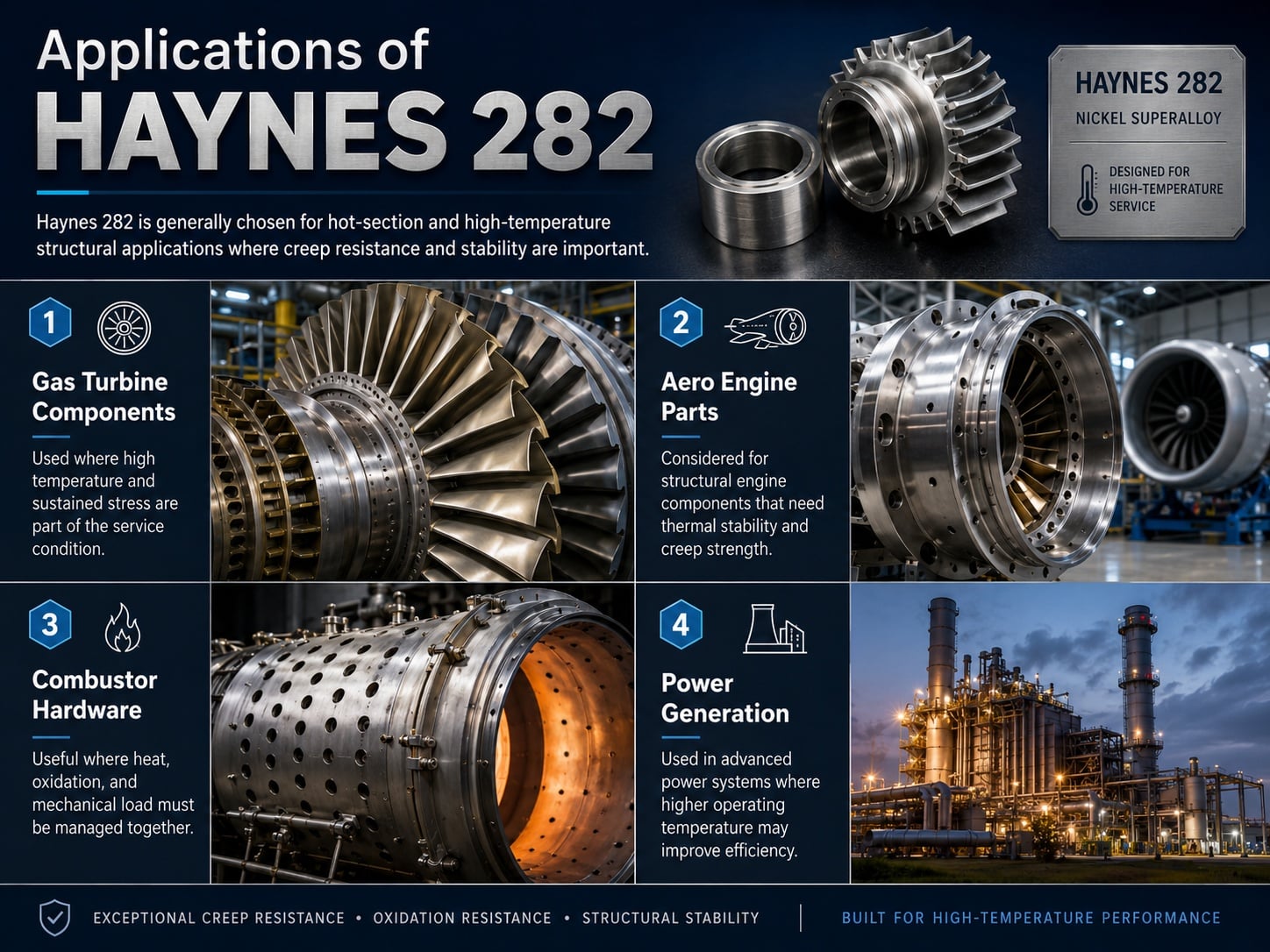
تُختار سبيكة هاينز 282 عادةً لتطبيقات الأجزاء الساخنة والهيكلية ذات درجات الحرارة العالية، حيث تُعد مقاومة التَّرخُّص والاستقرار عاملين مهمين.
مكونات التوربينات الغازية
تُستخدم في الحالات التي تشكل فيها درجات الحرارة العالية والإجهادات المستمرة جزءًا من ظروف التشغيل.
أجزاء محركات الطائرات النفاثة
يُعتبر مناسبًا لمكونات المحرك الهيكلية التي تتطلب استقرارًا حراريًا ومقاومة للزحف.
مكوّنات غرفة الاحتراق
مفيد في الحالات التي يجب فيها إدارة الحرارة والأكسدة والأحمال الميكانيكية معًا.
توليد الطاقة
يُستخدم في أنظمة الطاقة المتقدمة حيث قد تؤدي درجات الحرارة التشغيلية الأعلى إلى تحسين الكفاءة.
تطبيقات Inconel 718
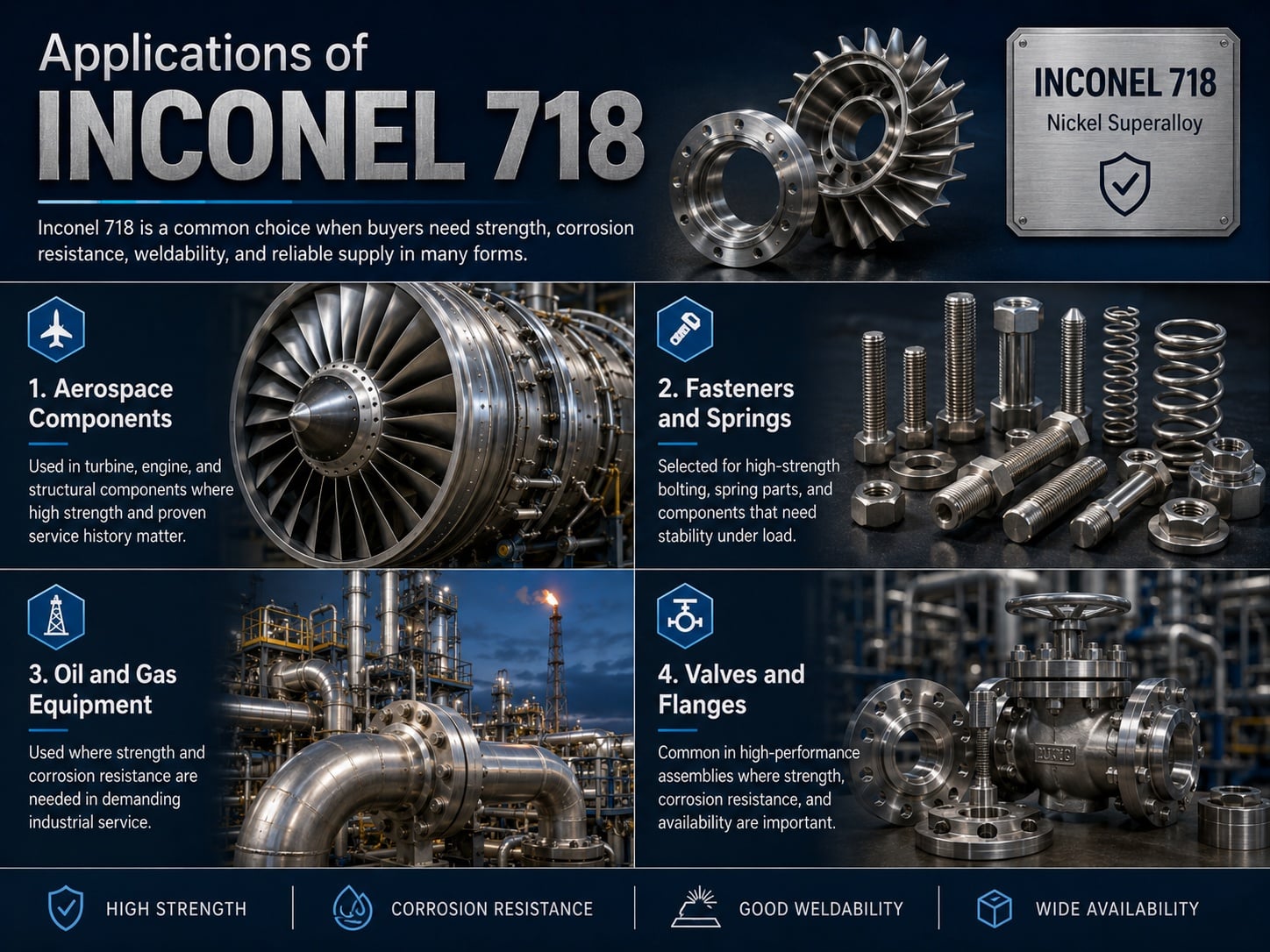
إنكونيل 718 خيار شائع عندما يحتاج المشترون إلى قوة ومقاومة للتآكل وقابليّة اللحام وتوافر موثوق به بأشكال عديدة.
مكونات الطيران والفضاء
يُستخدم في مكونات التوربينات والمحركات والهياكل حيث تكتسب القوة العالية والتاريخ التشغيلي المثبت أهميةً بالغة.
المسامير والزنبركات
يتم اختياره لمسامير الربط عالية القوة وأجزاء الزنبركات والمكونات التي تحتاج إلى استقرار تحت الحمل.
معدات النفط والغاز
يُستخدم في الحالات التي تتطلب فيها الخدمة الصناعية الشاقة قوةً ومقاومةً للتآكل.
الصمامات والشفاه
شائعة في التجميعات عالية الأداء حيث تكون القوة ومقاومة التآكل والتوافر عوامل مهمة.
كيف تختار بين سبيكة هينز 282 وسبيكة إنكونيل 718
اختر سبيكة هينز 282 عندما
- تكون القوة على المدى الطويل عند درجات الحرارة العالية أمرًا بالغ الأهمية
- تُعد مقاومة الانسياب الحراري شرط تصميم رئيسي
- يعمل الجزء في بيئة القسم الساخن
- تكتسب الاستقرار الحراري أهمية أكبر من التوافر الواسع
- يمكن للمشروع دعم التوريد المتخصص وفترة التسليم الطويلة
اختر سبيكة إنكونيل 718 عندما
- تحتاج التطبيق إلى سبيكة نيكل مثبتة فعاليتها
- القوة ومقاومة التآكل كلاهما مهمان
- سهولة اللحام والتصنيع تُعدان من الاهتمامات الرئيسية
- توفر المادة ومرونة أشكال المنتج لها أهمية كبيرة
- تبقى درجة حرارة التشغيل ضمن نطاق الخدمة العملي للمادة
نصائح لطلب عروض الأسعار (RFQ) بالنسبة لسبيكتي هاينز 282 وإنكونيل 718
طلب عروض الأسعار الواضح يساعد المورِّدين على التحقق بسرعة من المخزون وحالة المعالجة الحرارية والشهادات ووقت التسليم والسعر. وتعني عبارة RFQ طلب عرض سعر.
صفيحة من سبيكة هاينز 282، الرمز الموحد UNS N07208، سمكها ٠٫٢٥٠ بوصة، في حالة المعالجة الحرارية بالذوبان، مع طلب شهادة المواد (MTC)، لتصنيع مكونات توربينات الغاز ذات درجات الحرارة العالية، الكمية المطلوبة ٥٠٠ رطلاً.
قضيب دائري من سبيكة إنكونيل 718، الرمز الموحد UNS N07718، قطره ١٫٥٠٠ بوصة، مع اشتراط الامتثال لمعيار AMS أو ASTM، في حالة التصلب بالعمر، مع طلب شهادة المواد (MTC)، لتصنيع قطع تثبيت طائرية دقيقة.
قائمة التحقق من الشراء
ملخص
كلا من سبيكة هاينز 282 وإنكونيل 718 هما سبائك فائقة قائمة على النيكل وأداء عالٍ، لكنهما تُستخدمان لأسباب مختلفة.
تُختار سبيكة هاينز 282 عمومًا عندما تكون مقاومة التَّشوه الحراري (الانزياح) عند درجات الحرارة المرتفعة، والاستقرار الحراري، والأداء الهيكلي للأجزاء المعرَّضة للحرارة العالية هي المخاوف الرئيسية. وهي خيار قوي لتوربينات الغاز، وأجزاء غرف الاحتراق، والقنوات الانتقالية، والتطبيقات الصعبة في مجال توليد الطاقة.
تُختار سبيكة إنكونيل 718 عندما يحتاج المشترون إلى سبيكة مُثبتة الأداء تتميَّز بمقاومة عالية، ومقاومة جيدة للتآكل، وقابليَّة ممتازة للحام، وتوافر واسع، ومجموعة متنوعة من أشكال المنتجات. وتظل هذه السبيكة مستخدمةً على نطاق واسع في قطاع الطيران والفضاء، وقطاع النفط والغاز، والبراغي، والصمامات، والزنبركات، والمكونات الصناعية.
يعتمد الاختيار الأمثل على درجة حرارة التشغيل، والإجهاد المُطبَّق، ومدة التعرُّض، وطريقة التصنيع، ومعالجة الحرارة المطلوبة، ومتطلبات الفحص، والميزانية المخصصة للمشروع.
هل تحتاج سبيكة هاينز 282 أو سبيكة إنكونيل 718 لمشروع صناعي؟
توفر شركة فوييغ ميتال مواد سبائك النيكل للمشترين الصناعيين، وشركات التصنيع، ومصنّعي المعدات، وفرق الشراء الخاصة بالمشاريع. ويمكن للمشترين إرسال درجة السبيكة، وشكل المنتج، والأبعاد، والمعيار القياسي، وحالة المعالجة الحرارية، والكمية، وتفاصيل الاستخدام من أجل الحصول على عرض أسعار ودعم في اختيار المواد.
صفحات المنتجات ذات الصلة: لوحة سبائك النيكل , أنابيب سبائك النيكل , سبيكة نيكل على شكل قضيب و لفافة سبيكة النيكل .
الأسئلة الشائعة
ما الفرق الرئيسي بين سبيكة هاينز ٢٨٢ وسبيكة إنكونيل ٧١٨؟
تُختار سبيكة هاينز ٢٨٢ أساسًا لمقاومة التَّشوه الحراري (الانزياح الحراري) عند درجات الحرارة المرتفعة والاستقرار الحراري. أما سبيكة إنكونيل ٧١٨ فتُختار أساسًا لموازنتها الممتازة بين القوة، ومقاومة التآكل، وقابليتها للحام، وتوافرها، وأدائها الصناعي الموثوق به.
لماذا تُستخدم سبيكة هاينز ٢٨٢ في تطبيقات التوربينات الغازية؟
تُستخدم سبيكة هاينز ٢٨٢ في تطبيقات التوربينات الغازية لأنها توفر مقاومة قوية للانزياح الحراري، واستقرارًا حراريًّا ممتازًا، وقابليّة جيدة للحام، وأداءً هيكليًّا متميزًا عند درجات الحرارة العالية.
ما الاستخدامات الرئيسية لسبيكة إنكونيل ٧١٨؟
يُستخدم إنكونيل 718 في مكونات الطيران والفضاء، وأجزاء توربينات الغاز، والمواد الواصلة، والزنبركات، والصمامات، والأطواق (الفلانجات)، ومعدات النفط والغاز، والأجزاء الصناعية عالية القوة والمقاومة للتآكل.
كيف يختار المشترون بين هاينز 282 وإنكونيل 718؟
يجب على المشترين مقارنة درجة حرارة التشغيل، ومستوى الإجهاد، ومتطلبات التَّرخّص (الزَّحف)، والتعرُّض للتآكل، وقابليَّة اللحام، وحالة المعالجة الحرارية، وشكل المنتج، ووقت التوصيل، والتكلفة الإجمالية للمشروع.
أي سبيكة تكون أفضل من حيث مقاومة الزحف عند درجات الحرارة العالية؟
عادةً ما يكون هاينز 282 الخيار الأقوى عندما تكون مقاومة الزحف على المدى الطويل عند درجات الحرارة العالية هي المتطلب الرئيسي في التصميم.
لماذا يُعتبر إنكونيل 718 عادةً أسهل في التوريد؟
يتمتَّع إنكونيل 718 بشبكة توريد ناضجة وهو متوفرٌ على نطاق واسع بعدة أشكال منتجية، منها الصفائح، والساقان، والأسلاك، والمواد الواصلة، والمكونات المُشكَّلة بالطرق، والمنتجات المرتبطة بالأنابيب.
كيف ينبغي تحديد مواصفات هاينز 282 أو إنكونيل 718 في طلب العروض (RFQ)؟
يجب أن يتضمن طلب العرض الواضح (RFQ) اسم السبيكة ورقم الـ UNS والشكل المنتج والحجم والمعيار وحالة المعالجة الحرارية ومتطلبات الخصائص الميكانيكية والكمية ومتطلبات شهادة التحليل المعدني (MTC) والتطبيق ووقت التسليم.
مصادر البيانات والمراجع
- هاينز إنترناشونال: معلومات سبيكة هاينز® 282®، بما في ذلك رقم الـ UNS N07718، وتصميم سبيكة نيكل فائقة مقاومة للحرارة مدعّمة بطور غاما-بريم (gamma-prime)، ومقاومة التَّدفُّق الحراري، والاستقرار الحراري، وقابلية اللحام، وسهولة التصنيع.
- هاينز إنترناشونال: كتيب سبيكة هاينز® 282® والمعلومات الفنية المنتجية الخاصة بالتطبيقات الإنشائية ذات درجات الحرارة العالية.
- سباييشال ميتالز: النشرة الفنية لسبيكة إنكونيل® 718، بما في ذلك رقم الـ UNS N07718، ووصف سبيكة النيكل والكروم، والقوة العالية، ومقاومة التآكل، والتوجيهات المتعلقة بدرجة حرارة التشغيل، وخصائص التصنيع واللحام.
- الممارسات الشائعة في شراء سبائك درجات الحرارة العالية وفق معايير ASTM وAMS وASME، وكذلك ممارسات شراء السبائك النيكلية، ومراجعة شهادات التحليل المعدني (MTC)، وتحديد حالة المعالجة الحرارية واختيار الشكل المنتج.