
 EN
EN



PPGI Çelik Nedir? Bobin Yapısı, Kaplama Katmanları ve Alıcı Özellikleri
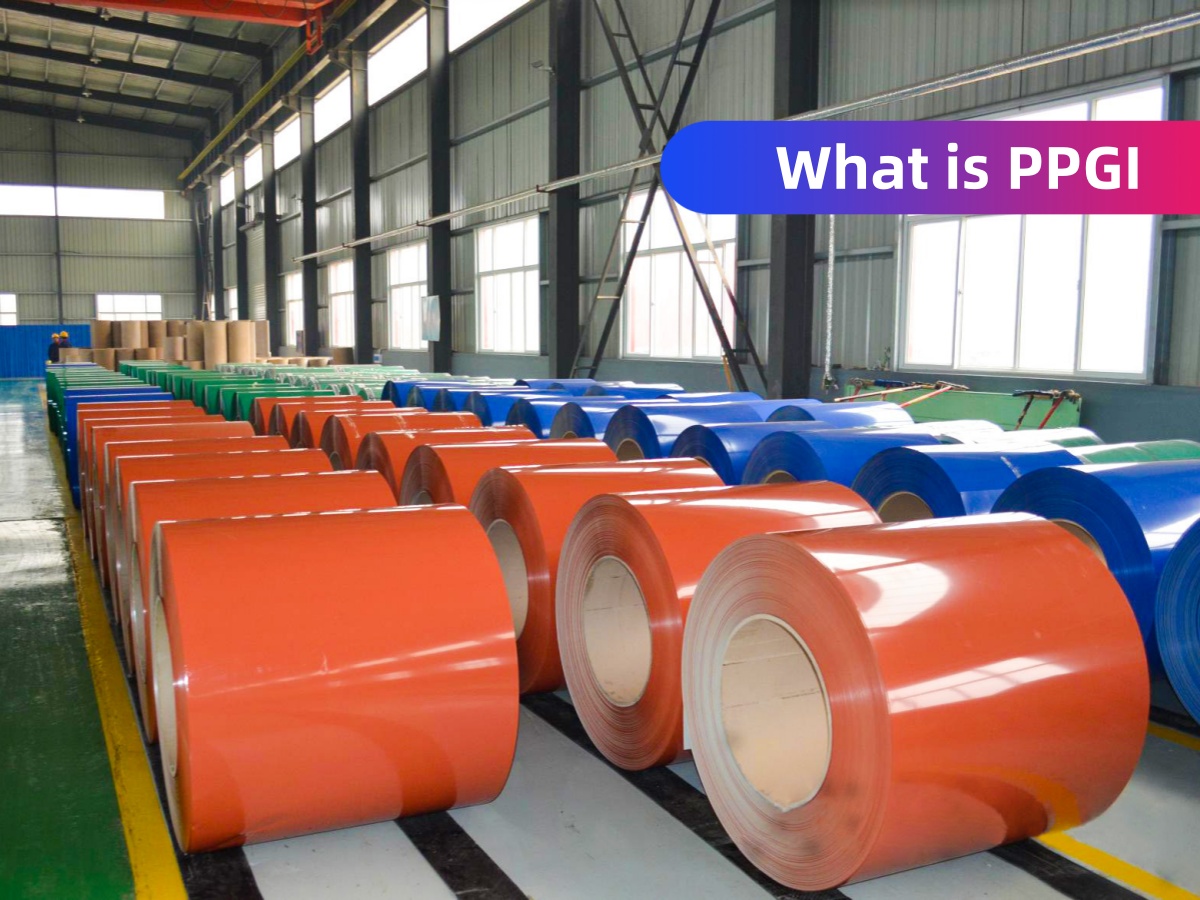
PPGI çeliği, önceden boyanmış galvanizli demiri ifade eder. Endüstriyel satın alma işlemlerinde genellikle galvanizli çelik alt tabakadan yapılan, yüzeyi işlenmiş, astar ve üst boya ile kaplanmış ve ardından şekillendirme, kesim, çatı örtüsü, kaplama, ev aleti panelleri ve genel imalat için bitmiş bir bobin haline getirilmiş renkli kaplamalı çelik anlamına gelir.
Alıcılar için PPGI çeliği yalnızca renkten ibaret değildir. Nihai performans, temel çelik kalitesine, çinko kaplama miktarına, yüzey işlemine, astara, üst boya katmanına, arka yüzey kaplamasına, boya sistemine, kalınlığa, genişliğe, renk toleransına, parlaklığa, sertliğe, bükülebilirliğe ve ambalaj yöntemine bağlıdır. Net bir spesifikasyon, kaplama ile ilgili şikayetleri, şekillendirme sırasında oluşan çatlakları, renk uyumsuzluğunu, korozyon sorunlarını ve sevkiyat anlaşmazlıklarını azaltabilir.
Hızlı Cevap: PPGI Çeliği Nedir?
PPGI çeliği, önceden boyanmış galvanizli çeliktir. Galvanizli çelik bobin üzerine organik kaplama katmanlarının uygulanmasıyla üretilir. Galvanizli alt tabaka, çinko katmanı aracılığıyla korozyon koruması sağlarken, boya sistemi renk, yüzey görünümü, hava koşullarına dayanıklılık ve ek koruma sağlar.
PPGI genellikle bobinler halinde temin edilir ve daha sonra çatı levhaları, duvar panelleri, sandviç paneller, garaj kapıları, ev aletleri panelleri, tavan sistemleri, kanal parçaları ve hafif endüstriyel ürünler haline dönüştürülür. Alıcılar sipariş vermeden önce alt tabaka sınıfını, kalınlığı, çinko kaplama miktarını, boya türünü, kaplama kalınlığını, rengi, parlaklığı, genişliği, toleransı, bobin ağırlığını ve test gereksinimlerini belirtmelidir.
PPGI Alıcıları İçin Ana Çıkarımlar
- PPGI çeliği, sıradan boyalı çelik levha değil, önceden boyanmış galvanizli çelik bobindir.
- Tipik yapı, temel çelikten, çinko kaplamadan, ön işlem katmanından, astar katmanından, üst kaplamadan ve arka yüz kaplamasından oluşur.
- Yaygın boya sistemleri, dayanıklılık ve dış ortamda kullanılma gereksinimlerine bağlı olarak PE, SMP, HDP ve PVDF’yi içerir.
- Önemli teknik özellikler arasında kalınlık, genişlik, çinko kaplama, boya filmi kalınlığı, renk, parlaklık, sertlik, bükülebilirlik ve bobin ağırlığı yer alır.
- Çatı kaplaması, cephe kaplaması ve ihracat projeleri için alıcılar, sevk edilmeden önce ambalaj, renk tutarlılığı, sertifikalar ve uygulanabilir standartları onaylamalıdır.
PPGI ne demektir?
PPGI, önceden boyanmış galvanizli demiri ifade eder. Günümüzde çelik ticaretinde bu terim, genellikle önceden boyanmış galvanizli çelik bobinleri için kullanılır. Kısaltmada ‘demir’ kelimesi geçse de alıcılar, genellikle PPGI’yi bobin veya levha şeklinde temin edilen boyalı galvanizli çelik ürünlerini tanımlamak için kullanırlar.
Temel malzeme genellikle galvanizli çeliktir; yani çelik alt tabaka üzerine çinko kaplama yapılmıştır. Daha sonra yüzey kimyasal olarak işlenir ve sürekli bobin kaplama hattında boyanır. Kurutma işleminden sonra elde edilen nihai bobin, kesilebilir, kesilebilir, profil çekilebilir, kıvrılabilir veya nihai parçalara işlenebilir.
PPGI, şekillendirilebilirlik, korozyon direnci, renk görünümü ve maliyet verimliliği gibi özellikleri bir araya getiren bir çelik malzeme gerektiğinde yaygın olarak kullanılır. İnşaat, bina kabukları, çatı sistemleri, duvar kaplamaları, ev aleti panelleri, iç tavanlar, kapılar ve prefabrik yapılar gibi alanlarda yaygındır.
PPGI Bobin Yapısı: İçinde Hangi Katmanlar Bulunur?
PPGI bobini dıştan basit görünse de performansı çok katmanlı bir yapıdan kaynaklanır. Her katmanın belirli bir işlevi vardır. Uygulama için uygun olmayan bir katman, nihai ürünün solmasına, çatlamasına, soyulmasına, paslanmasına veya şekillendirme sırasında başarısız olmasına neden olabilir.
| Katman | Ana işlev | Alıcı Notları |
|---|---|---|
| Temel Çelik | Dayanıklılık, şekillendirilebilirlik ve kalınlık temeli sağlar. | Çelik sınıfını, akma dayanımını, kalınlık toleransını ve şekillendirme gereksinimlerini doğrulayın. |
| Çinko kaplama | Çelik alt tabakayı koruyarak korozyon direncini artırır. | Z60, Z80, Z100, Z120, Z180 gibi veya projeye özel olarak gereken çinko kaplama miktarını belirtin. |
| Ön işlem katmanı | Çinko yüzeyi ile boya sistemi arasındaki yapışmayı artırır. | Kaplama yapışması, korozyon direnci ve uzun süreli performans açısından önemlidir. |
| Primer | Üst kaplamada yapışma ve korozyon direncini destekler. | Primer türü ve kalınlığı, ortam koşullarına ve kaplama sistemine uygun olmalıdır. |
| Üst paltosundan | Renk, parlaklık, hava şartlarına dayanıklılık ve görünür yüzey görünümü sağlar. | Boya türünü, renk kodunu, parlaklığı, kaplama kalınlığını ve renk toleransını belirtin. |
| Arka yüzey kaplaması | Ters yüzeyi korur ve taşıma veya panel üretimi süreçlerini destekler. | Ters yüzey kaplamasının kalınlığı ve rengi uygulamaya ve alıcının gereksinimlerine göre değişebilir. |
Yaygın PPGI Boya Sistemleri: PE, SMP, HDP ve PVDF
Boya sistemi, bir PPGI spesifikasyonunun en önemli bileşenlerinden biridir. İki bobin aynı renge sahip olabilir ancak farklı boya sistemleri kullanmaları nedeniyle dış mekânda dayanıklılık, çatlamaya karşı direnç, parlaklık koruma oranı ve fiyat açısından büyük farklar gösterebilir.
| Boya Sistemi | Tipik Özellik | Genel Uygulama Yönelimi | Alıcı Notları |
|---|---|---|---|
| PE | Maliyet etkin poliester kaplama | Genel iç ve hafif dış uygulamalar | Bütçe ve temel görünüm önemli olduğunda yaygın tercih edilen seçenek. |
| S.p. | Silikonla modifiye edilmiş poliester | Daha iyi dayanıklılık gerektiren bina panelleri ve dış uygulamalar | Formülasyona bağlı olarak geliştirilmiş hava direnci sunabilir. |
| HDP | Yüksek dayanıklılıkta poliester | Çatı örtüsü, kaplama ve daha güçlü hava koşullarına dayanım gerektiren projeler | Daha uzun süreli dış ortam maruziyeti beklenildiğinde genellikle tercih edilir. |
| PVDF | Yüksek performanslı florokarbon kaplama | Premium mimari çatı ve duvar panelleri, kıyı bölgeleri veya zorlu dış mekân projeleri | Genellikle daha yüksek maliyetlidir ancak renk tutumu ve hava direnci daha iyidir. |
Alıcılar, kaplamayı yalnızca fiyatına göre seçmemelidir. Düşük maliyetli bir PE kaplama, hafif iç mekân kullanımında kabul edilebilir olabilir; ancak uzun vadeli dış mekân çatı uygulamaları, kıyı bölgelerindeki binalar, yoğun güneş ışınları veya aşındırıcı endüstriyel ortamlar için uygun olmayabilir.
PPGI ile GI Çelik Arasındaki Fark Nedir?
GI çelik, galvanizli çeliktir. Yüzeyi çinko kaplıdır ancak önceden boyanmış renkli bir kaplama yoktur. PPGI, galvanizli çelikten oluşan bir alt tabaka kullanır ve çinko yüzeyinin üzerine boya katmanları ekler. Bu sayede PPGI’ye bitmiş bir renk görünümü ve ek yüzey koruması kazandırılır.
| Ürün | GI Çelik | Ppgi çelik |
|---|---|---|
| Tam adı | Galvanizli çelik | Ön Boyalı Galvanizli Çelik |
| Yüzey | Çinko kaplı metalik yüzey | Boyama işlemi yapılmış renkli yüzey |
| Ana koruma | Çinko kaplama | Çinko kaplama artı boya sistemi |
| Dış görünüş | Metalik gri veya çakıl yüzey | RAL rengi, özel renk, farklı parlaklık seviyeleri |
| Genel Kullanım | Hava kanalları, yapısal parçalar, genel imalat, arka malzeme | Çatı örtüsü, duvar panelleri, ev aleti panelleri, kapılar, tavanlar, dekoratif paneller |
| Alıcı odaklılık | Çinko kaplama, kalınlık, genişlik, yüzey kalitesi | Alt tabaka, çinko kaplama, boya türü, renk, parlaklık, kaplama kalınlığı, şekillendirme performansı |
Eğer alıcılar yalnızca korozyon koruması gerektiriyorsa ve yüzey görünmeyecekse, galvanizli çelik yeterli olabilir. Ancak alıcılar, inşaat panelleri, çatı levhaları, ev aleti panelleri veya dekoratif uygulamalar için bitmiş renkli bir yüzey gerekiyorsa, PPGI genellikle daha uygun olur.
Alıcıların Doğrulaması Gereken Temel PPGI Özellikleri
PPGI siparişlerindeki birçok sorun, eksik spesifikasyonlardan kaynaklanır. Bir alıcı yalnızca “kırmızı PPGI bobin 0,5 mm” talep edebilir; ancak bu, doğru üretim veya fiyat teklifi için yeterli değildir. Tedarikçi hâlâ alt tabaka, kaplama, renk, tolerans, bobin ağırlığı ve uygulama alanını onaylamak zorundadır.
| Teknik Özellik Maddesi | Onaylanması Gerekenler | Neden Önemli? |
|---|---|---|
| Temel çelik kalitesi | Ticari kalite, şekillendirme kalitesi, yapısal sınıf veya projeye özel belirtilen sınıf | Malzemenin dayanıklılığını, bükülebilirliğini, rulo şekillendirmeyi ve nihai panel performansını etkiler. |
| Kalınlık | Nominal kalınlık ve tolerans | Fiyatı, ağırlığı, şekillendirilebilirliği, rijitliği ve projeye uyumunu etkiler. |
| Genişlik | Tam genişlik veya kesilmiş genişlik | Çatı levhası, duvar paneli, ev aletleri veya rulo şekillendirme hattı gereksinimleri için önemlidir. |
| Çinko kaplama | Z60, Z80, Z100, Z120, Z180, Z275 veya projeye özel kaplama | Korozyon korumasını ve kullanım ömrünü etkiler. |
| Boya türü | PE, SMP, HDP, PVDF veya belirtilen bir kaplama sistemi | Hava direnci, renk tutma özelliği, dayanıklılık ve fiyatı etkiler. |
| Üst kaplama kalınlığı | Projeye göre genellikle mikron cinsinden belirtilir | Yüzey koruması, dayanıklılık, renk stabilitesi ve kaplama maliyetini etkiler. |
| Arka yüzey kaplaması | Arka yüz boyası rengi ve kalınlığı | Ters yüz koruması, yapıştırma ve panel üretimi açısından önemlidir. |
| Renk | RAL kodu, örnek renk, özel renk veya alıcının onayladığı standart | Parti ve proje teslimatları arasındaki renk uyumsuzluğunu azaltır. |
| Parlaklık | Düşük parlaklık, normal parlaklık, yüksek parlaklık veya projeye özel belirlenmiş parlaklık | Bina veya ev aletleri projelerinde görsel görünümü ve tutarlılığı etkiler. |
| Rulo Ağırlığı | Maksimum bobin ağırlığı ve iç çap | Alıcının bobin açma, kesme veya bobin şekillendirme ekipmanları ile uyumlu olmalıdır. |
| Paketleme | Yatay veya dikey ambalajlama, su geçirmez sarma, kenar koruma, palet türü | İhracat sevkıyatı ve taşıma sırasında hasar azaltımı için kritik öneme sahiptir. |
PPGI Bobin Siparişlerinde Kalınlık, Genişlik ve Tolerans
Kalınlık, alıcıların ilk bahsettiği özelliklerden biridir; ancak net bir şekilde tanımlanmalıdır. PPGI kalınlığı, piyasa ve müşteri uygulamasına bağlı olarak baz metal kalınlığı, toplam kaplama kalınlığı veya nominal bitmiş kalınlık olarak tartışılabilir. Tartışmalardan kaçınmak için alıcılar, kalınlığın nasıl ölçüldüğünü ve hangi toleransın uygulandığını onaylamalıdır.
Genişlik de önemlidir çünkü PPGI bobinleri genellikle bobin şekillendirme, çatı levhası üretimi, duvar paneli üretimi veya ev aletleri imalatında kullanılır. Küçük bir genişlik sapması, üretim hattı ayarlarını, kenar kesimini, bitmiş panel boyutunu veya üretim verimliliğini etkileyebilir.
Tekrar siparişler için alıcılar, aynı kalınlık toleransının, genişlik toleransının, bobin iç çapının, bobin ağırlığının, renk kodunun ve kaplama sisteminin partiler boyunca korunup korunmayacağını da onaylamalıdır. Bu durum, farklı partilerin yan yana monte edilebileceği çatı projeleri ve yapı panelleri için özellikle önemlidir.
Renk, Parlaklık ve Yüzey Görünümü
Alıcılar, PPGI çelik seçerken renk önemli bir nedendir. Ancak renk belirtimi, kırmızı, mavi, beyaz veya gri gibi temel bir renk adından daha fazlasını gerektirir. Profesyonel bir RFQ’da RAL numarası, onaylı örnek, parlaklık seviyesi, renk toleransı ve siparişin önceki partilere uyması gerekip gerekmediği belirtilmelidir.
Parlaklık, yüzeyin güneş ışığı altında veya iç mekânda aydınlatma altında nasıl göründüğünü etkiler. Aynı renk, parlaklık seviyesi değiştiğinde farklı görünebilir. Çatılar, duvar kaplamaları, garaj kapıları ve ev aletleri panelleri için renk ve parlaklık tutarlılığı, müşterinin bitmiş ürün kabulünü doğrudan etkileyebilir.
Alıcılar ayrıca pürüzsüz yüzey, kabartma işlemi yapılmış yüzey, mat yüzey, baskılı desen, koruyucu film, çizilmeye karşı direnç gereksinimi veya uygulamaya özel görünüm gibi yüzey gereksinimlerini de onaylamalıdır. Malzeme görünür panellere kullanıldığında, seri üretimden önce onay örnekleri genellikle faydalıdır.
PPGI Çelik İçin Yaygın Uygulamalar
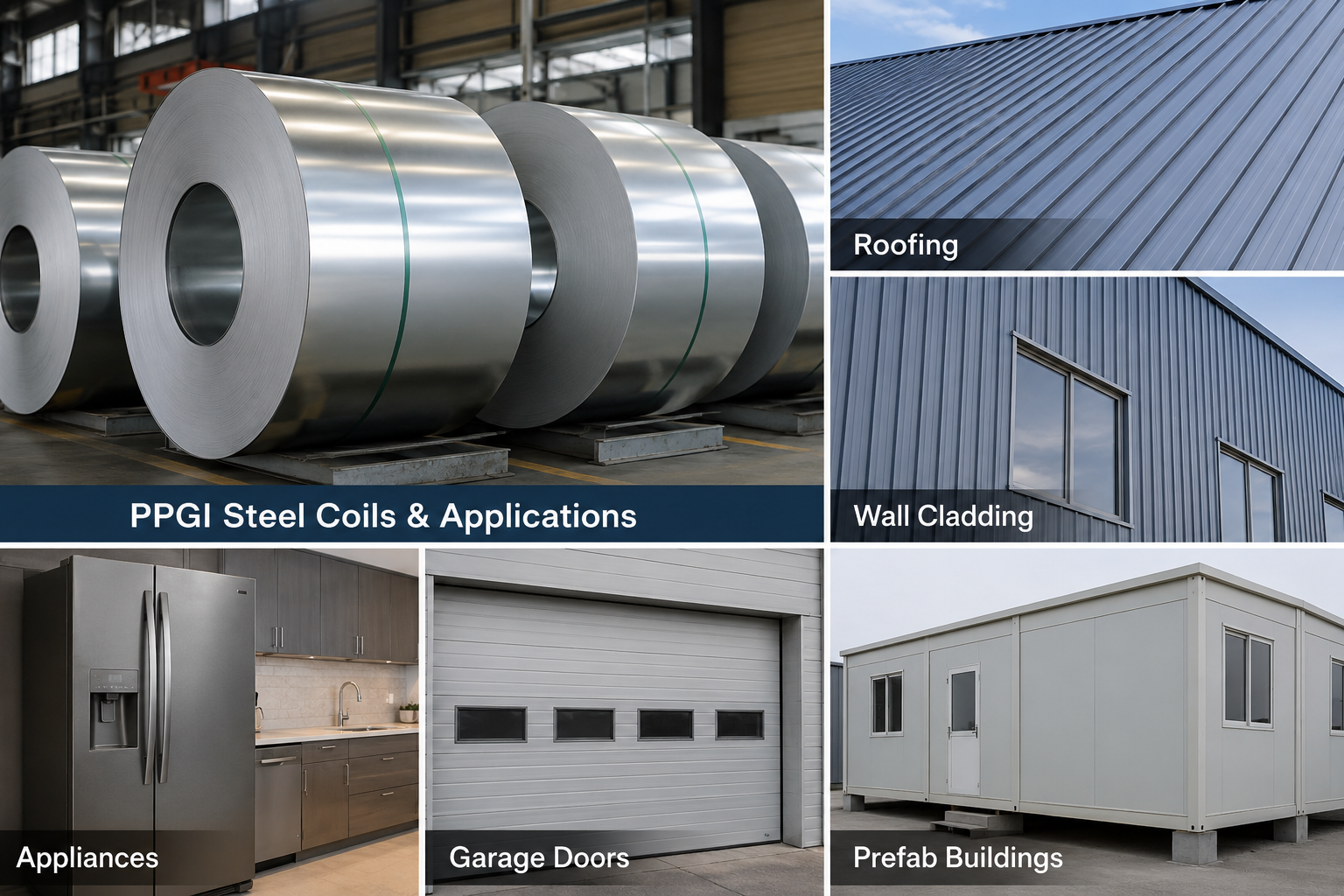
PPGI çelik, bitmiş renkli bir yüzey ile temin edildiği ve verimli bir şekilde işlenebildiği için birçok sektörde kullanılır. Doğru spesifikasyon, bobinin nasıl şekillendirileceği, nerede kullanılacağı ve ne kadar süre performans göstermesi gerektiği bağlıdır.
| Uygulama | Yaygın Ürün Biçimi | Spesifikasyon Odak |
|---|---|---|
| Çatılı tabaklar | Oluklu levha, yamuk levha, çatı paneli | Kalınlık, çinko kaplama, boya sistemi, renk, parlaklık, bükülebilirlik, hava koşullarına dayanıklılık. |
| Duvar kaplamaları | Duvar paneli, sandviç panel, cephe paneli | Renk tutarlılığı, yüzey görünümü, kaplama dayanıklılığı, düzgünlük, şekillendirme performansı. |
| Ev aletleri | Panel, kasa, iç veya dış parçalar | Yüzey pürüzsüzlüğü, renk toleransı, kaplama sertliği, presleme performansı. |
| Garaj kapıları ve panjurlar | Rulo şekillendirme ile üretilen kapı panelleri ve pervazlar | Şekillendirilebilirlik, kaplama yapışma dayanımı, kalınlık toleransı, renk kararlılığı. |
| Tavan ve iç mekân panelleri | Düz paneller, dekoratif paneller, bölme parçaları | Yüzey görünümü, parlaklık, renk, düzgünlük ve iç mekânda kaplama performansı. |
| Prefabrik binalar | Çatı panelleri, duvar panelleri, sandviç paneller | Parti tutarlılığı, kaplama dayanıklılığı, korozyon direnci, ambalaj, proje dokümantasyonu. |
PPGI Standartları ve Alıcıların Talep Edebileceği Test Maddeleri
Standartlar ve test gereksinimleri ülke, alıcı, proje türü ve uygulamaya göre değişir. Normal ticari siparişler için alıcılar, fabrika test sertifikaları veya kalite belgeleri talep edebilir. İnşaat, ev aletleri veya uzun süreli dış mekân projeleri için ek kaplama performans testleri gerekebilir.
| Ürün | Ne Kontrol Eder | Alıcı Notları |
|---|---|---|
| Kalınlık toleransı | Bobin kalınlığının kabul edilen aralıkta olup olmadığı | Fiyat, ağırlık, şekillendirme ve proje uyumluluğu açısından önemlidir. |
| Çinko kaplama miktarı | Alt tabakaya uygulanan çinko kaplama miktarı | Korozyon korumasını etkiler ve açıkça belirtilmelidir. |
| Boya Filmi Kalınlığı | Üst kaplama, astar ve arka yüzey kaplaması kalınlığı | Kaplama maliyeti, dayanıklılığı ve alıcının kabulü açısından önemlidir. |
| Renk farkı | Örnek veya standartla renk tutarlılığı | Çatı örtüsü, cephe kaplaması ve görünür paneller açısından önemlidir. |
| Parlaklık | Yüzey yansıtma düzeyi | Parti arasında görsel tutarlılığı etkiler. |
| Kalem sertliği | Kaplama yüzey sertliği | Çizilmeye dayanıklılık ve işleme performansı için kullanışlıdır. |
| T-bükme testi | Bükme sırasında kaplama esnekliği | Rulo şekillendirme, oluklu levha üretimi ve panel üretimi için önemlidir. |
| Darbe Testi | Kaplama yapışma gücü ve deformasyona direnç | Şekillendirilmiş parçalar ve işleme dayanıklılığı için kullanışlıdır. |
| Tuz sprey testi | Hızlandırılmış test koşulları altında korozyon direnci | Dikkatlice yorumlanmalı ve proje spesifikasyonuyla uyumlu hale getirilmelidir. |
Bir alıcı, ASTM, EN, JIS, GB gibi bir gerekli standart veya bir proje spesifikasyonuna sahipse, bu durum Teklif Talep Formu'nda (RFQ) belirtilmelidir. Tedarikçi, mevcut üretim sürecinin, kaplama sisteminin ve test belgelerinin bu gereksinimi karşılayıp karşılamadığını doğrulayabilir.
PPGI Çelik Alıcısı İçin Sipariş Öncesi Kontrol Listesi
- Ürün Türü: PPGI bobin, PPGI levha, oluklu levha, çatı levhası veya kesilmiş bobin mi alınacağını doğrulayın.
- Temel Çelik: Ticari kalite, şekillendirme kalitesi, yapısal sınıf veya proje tarafından belirtilen sınıfı belirtin.
- Kalınlık: Nominal kalınlığı ve bunun temel metal mi yoksa nihai kaplı kalınlık mı olduğunu doğrulayın.
- Genişlik: Tam genişliği, kesilmiş genişliği veya nihai levha genişliğini belirtin.
- Cinko Kaplaması: Z60, Z80, Z100, Z120, Z180, Z275 veya proje tarafından talep edilen çinko kaplama miktarını belirtin.
- Boya Sistemi: PE, SMP, HDP, PVDF veya diğer kaplama gereksinimini doğrulayın.
- Boya kalınlığı: Gerekli olduğu durumlarda üst kaplama, astar ve arka yüz kaplama gereksinimlerini belirtin.
- Renk: RAL kodu, onaylı örnek veya özel renk gereksinimini belirtin.
- Parlaklık: Mat, normal parlaklık, yüksek parlaklık veya proje tarafından belirtilen parlaklığı onaylayın.
- Yüzey: Pürüzsüz, kabartılı, baskılı, çizilmeye dayanıklı, koruyucu film veya özel yüzey gereksinimini onaylayın.
- Mekanik Özellikler: İlgiliyse, akma dayanımı, çekme dayanımı, uzama ve şekillendirme gereksinimini onaylayın.
- Rulo verileri: Rulo iç çapını, rulo ağırlığını, demet ağırlığını ve yükleme gereksinimini onaylayın.
- Belgelendirme: Fabrika test sertifikası, kaplama raporu, muayene belgesi veya üçüncü taraf muayenesi talep edin (gerekirse).
- Paketleme: İhracat ambalajı, su geçirmez kağıt, plastik film, kenar koruması, çelik bantlar ve palet türünü onaylayın.
- Kullanım alanı: Çatı örtüsü, cephe kaplaması, ev aletleri, kapı, tavan, kanalizasyon veya diğer kullanım alanlarını açıklayın.
- Varış yeri: Varış limanı, teslimat adresi, Incoterms ve gerekli nakliye işaretlerini belirtin.
Net bir PPGI Teklif Talebi (RFQ) Nasıl Hazırlanır
Net bir RFQ, tedarikçinin daha hızlı teklif vermesine yardımcı olur ve üretimden önce yanlış anlaşılmaları azaltır. Sadece renk ve kalınlık bilgisi göndermek yerine, alıcılar tam bobin spesifikasyonunu ve kullanım amacını içermelidir.
Kullanım amacından başlayın
Malzemenin çatı kaplaması, duvar kaplaması, ev aleti panelleri, kapılar, tavanlar, sandviç paneller veya diğer ürünler için kullanılacağını açıklayın. Dış ortamda kullanılma ve şekillendirme işlemi erken aşamada belirtilmelidir.
Alt tabaka ve kaplama türünü onaylayın
Temel çelik sınıfını, çinko kaplama miktarını, boya sistemini, üst kaplama kalınlığını, arka yüz kaplama gereksinimini ve yüzey bitişini belirtin. Bu faktörler doğrudan performansı ve fiyatı etkiler.
Renk ve görünümü tanımlayın
RAL rengi, örnek renk, parlaklık gereksinimi, yüzey dokusu ve siparişin önceki partilere uyumlu olması gerekip gerekmediğini belirtin. Görünür bina panelleri için renk onayı önemlidir.
İşleme verilerini onaylayın
Gerekliyse, kalınlık, genişlik, tolerans, bobin ID'si, bobin ağırlığı, kesim genişliği, levha uzunluğu veya oluklu profil belirtin. Bu detaylar, sonraki süreçteki ekipmanlarla uyumlu olmalıdır.
Sevkiyattan önce belgeleri talep edin
Üretim ve sevkiyat öncesinde malzeme test sertifikasını, kaplama raporunu, paketleme listesini, faturayı, menşei belgesini, üçüncü taraf denetim raporunu veya projeye özel olarak gereken diğer belgeleri onaylayın.
İlgili Çelik Malzemeler için Dahili Bağlantılar
Kaplamalı çelik, galvanizli çelik ve paslanmaz çelik karşılaştıran alıcılar, bir teklif isteğinde bulunmadan önce ilgili malzeme kategorilerini inceleyebilir.
SSS
PPGI çeliği nedir?
PPGI çeliği, önceden boyanmış galvanizli çeliktir. Galvanizli çelik bobin üzerine boya kaplama katmanları uygulanarak üretilir. Çinko kaplama, temel çeliği korurken, boya sistemi renk, yüzey görünümü, hava direnci ve ek koruma sağlar.
PPGI bobini nerede kullanılır?
PPGI bobini, çatı levhaları, duvar kaplamaları, sandviç paneller, garaj kapıları, tavan panelleri, ev aleti panelleri, perdeler, kanal parçaları ve prefabrik yapı malzemeleri gibi alanlarda yaygın olarak kullanılır.
PPGI ile galvanizli çelik arasındaki fark nedir?
Galvanizli çelik, çinko kaplı bir yüzeye sahiptir; buna karşılık PPGI çeliğinin galvanizli bir alt tabakası ve üzerine uygulanan boyalı kaplama katmanları vardır. PPGI, görünür veya dekoratif uygulamalar için renk, yüzey görünümü ve ek kaplama koruması sağlar.
PPGI için hangi boya kaplaması daha iyidir: PE mi yoksa PVDF mi?
PE, genel kullanım için maliyet etkin bir kaplamadır; PVDF ise genellikle daha yüksek hava direnci ve daha iyi uzun vadeli renk koruma özellikleri nedeniyle tercih edilir. Daha iyi seçim, dış ortamda maruziyet süresi, bütçe, hizmet ömrü beklentisi ve proje gereksinimlerine bağlıdır.
Alıcılar PPGI çelik için hangi çinko kaplamayı seçmelidir?
Çinko kaplama, korozyon ortamına ve proje gereksinimlerine göre seçilmelidir. Yaygın kaplama kalınlıkları arasında Z60, Z80, Z100, Z120, Z180 ve Z275 yer alır. Dış mekânda, kıyı bölgelerinde veya zorlu uygulamalarda daha yüksek koruma gerekebilir.
PPGI kaplaması neden soyulur veya çatlar?
PPGI kaplaması, kötü yapışma, uygun olmayan boya sistemi, yanlış büküm yarıçapı, kaba işlem, yanlış alt tabaka seçimi veya kaplamanın dayanabileceği sınırların ötesinde şekillendirme koşulları nedeniyle soyulabilir veya çatlayabilir. Alıcılar sipariş vermeden önce T-büküm, kaplama yapışması ve şekillendirme gereksinimlerini onaylamalıdır.
Bir PPGI çelik RFQ’sunda neler yer almalıdır?
Bir PPGI RFQ'si ürün türü, temel çelik sınıfı, kalınlık, genişlik, çinko kaplama, boya sistemi, kaplama kalınlığı, renk, parlaklık, yüzey gereksinimi, bobin ağırlığı, bobin iç çapı, miktar, ambalaj, sertifikalar, varış yeri ve uygulamayı içermelidir.
PPGI çelik kıyı bölgelerinde kullanılabilir mi?
PPGI çelik, yalnızca alt tabaka, çinko kaplama, boya sistemi, kaplama kalınlığı, tasarım ve bakım planı uygun olduğunda bazı kıyı uygulamalarında kullanılabilir. Alıcılar, spesifikasyonu seçmeden önce klorür maruziyetini ve proje standartlarını onaylamalıdır.
Sonuç: Alıcılar PPGI Çeliği Nasıl Belirtmelidir?
PPGI çelik, şekillendirilebilirlik, görünüm ve korozyon koruması gerektiren renkli kaplı çelik ürününe ihtiyaç duyan alıcılar için pratik bir malzemedir. Ancak nihai performans yalnızca renkten daha fazlasına bağlıdır. Temel çelik sınıfı, çinko kaplama, boya sistemi, kaplama kalınlığı, yüzey bitişi, tolerans, şekillendirme yöntemi ve ambalaj tümü sonuçları etkiler.
Güvenilir bir teklif almak için alıcılar, yalnızca ton başına PPGI fiyatını sormak yerine tam bir teknik spesifikasyon göndermelidir. Kullanım amacı, kaplama gereksinimi, renk, kalınlık, genişlik, bobin ağırlığı ve sertifika ihtiyaçları ne kadar net tanımlanırsa, kalite, teslim süresi ve maliyet kontrolü o kadar kolaylaşır.
PPGI Çelik Bobin Teklifi mi Gerekli?
Kalınlık, genişlik, çinko kaplama, boya sistemi, renk, parlaklık, bobin ağırlığı, miktar, ambalaj gereksinimi, varış yeri ve nihai uygulama bilgilerinizi bize gönderin. Voyage Metal, bu detayları inceleyebilir ve belirttiğiniz spesifikasyona göre bir PPGI çelik teklifi hazırlayabilir.
Voyage Metal ile İletişime Geçin