
 EN
EN



PPGI သံမဏီဆိုသည်မှာအဘယ်နည်း။ ကွင်းခွေဖွဲ့စည်းပုံ၊ အလွှာများအုပ်ထားသည့် အလွှာများနှင့် ဝယ်သူအတွက် အသုံးပြုရန် အချက်အလက်များ
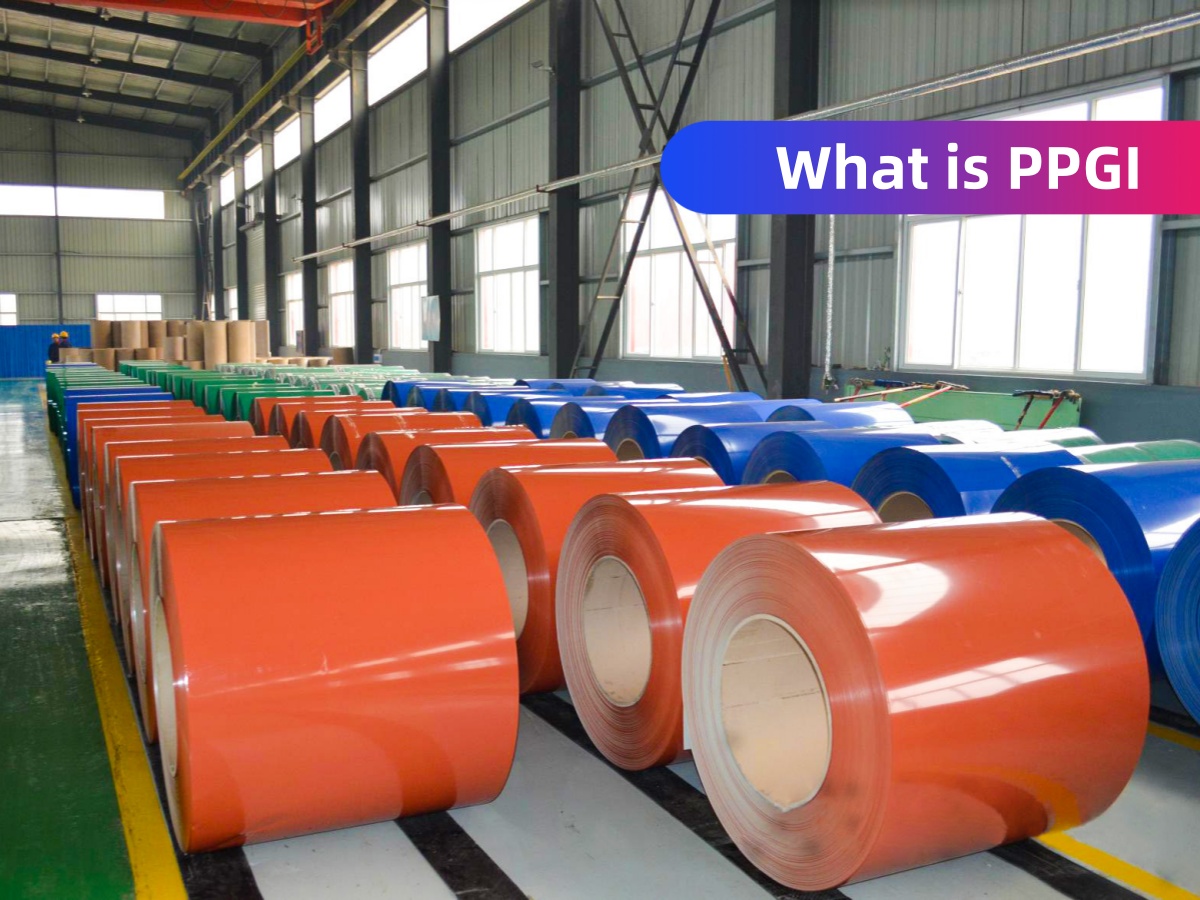
PPGI သံမဏေသည် အရောင်သုံးထားသော ဂဲလ်ဗနိုင်ဇ်လုပ်ထားသော သံမဏေကို ဆိုလျှင် ဖြစ်သည်။ စက်မှုလုပ်ငန်းတွင် ဝယ်ယူမှုအတွက် ယင်းသံမဏေသည် ဂဲလ်ဗနိုင်ဇ်လုပ်ထားသော သံမဏေအခြေခံပေါ်တွင် အရောင်သုံးထားသော သံမဏေဖြစ်ပြီး မျက်နှာပုံပေါ်တွင် အသုံးပြုသည့် အရောင်များ၊ အစိမ်းရောင်အရောင်များ၊ အပေါ်ယံအရောင်များကို အသုံးပြုပြီး အပူပေးခြင်းဖြင့် အသုံးပြုရန် အသုံးပြုသည့် ကြေးနီပုံစံဖြင့် ဖွဲ့စည်းထားသည်။ ထိုသံမဏေကို ဖွဲ့စည်းခြင်း၊ ဖြတ်ခြင်း၊ အုတ်များဖုံးခြင်း၊ အုတ်များအောက်ခြေဖုံးခြင်း၊ လျှပ်စစ်ပစ္စည်းများအတွက် ပုံစံဖော်ခြင်းနှင့် အထုပ်အပိုးများအတွက် အသုံးပြုသည်။
ဝယ်သူများအတွက် PPGI သံမဏေသည် အရောင်သာမက အဆုံးသတ်အားဖော်ပေးမှုသည် အခြေခံသံမဏေ၊ ဇင့်အလွှ coating၊ မျက်နှာပုံပေါ်တွင် အသုံးပြုသည့် အရောင်များ၊ အစိမ်းရောင်အရောင်များ၊ အပေါ်ယံအရောင်များ၊ အောက်ခြေအရောင်များ၊ အရောင်စနစ်၊ ထူထောင်မှု၊ အကျယ်၊ အရောင်အတိအကျမှု၊ မှုန်မှုန်မှု၊ မှုန်မှုန်မှု၊ ကွေးခြင်းအား၊ အထုပ်အပိုးများပေါ်တွင် မှီခိုပါသည်။ ရှင်းလင်းသည့် အသေးစိတ်အချက်အလက်များသည် အရောင်မှုန်မှုများ၊ ဖွဲ့စည်းမှုအတွင်း ကွေးခြင်းများ၊ အရောင်မက်ခ်မှုများ၊ သံမဏေမှုန်မှုများ၊ ပို့ဆောင်ရေးပြဿနာများကို လျော့နည်းစေနိုင်သည်။
အမြန်အဖြေ - PPGI သံမဏေဆိုသည်မှာ အဘယ်နည်း။
PPGI သံမွန်သည် အရင်ပိုင်းတွင် အရောင်ခြယ်ထားသော သံမွန်ဖုံးလွှမ်းထားသော သံချေးမက်သော သံမွန်ဖြစ်သည်။ ၎င်းကို သံမွန်ဖုံးလွှမ်းထားသော သံမွန်ကြေးနောင်ကြေးပုံစံကို အော်ဂဲနစ် အလွှာများဖြင့် ဖုံးလွှမ်းခြင်းဖြင့် ထုတ်လုပ်ပါသည်။ သံမွန်ဖုံးလွှမ်းထားသော အခြေခံပစ္စည်းသည် ဇင့်အလွှာများဖြင့် သံချေးမက်ခြင်းကို ကာကွယ်ပေးပြီး အရောင်ခြယ်မှုစနစ်သည် အရောင်၊ မျက်နှာပုံစံ၊ ရာသီဥတုဒြပ်ခြင်းကို ခံနိုင်ရည်ရှိခြင်းနှင့် အပိုအကာအကွယ်ပေးခြင်းတို့ကို ပေးစေပါသည်။
PPGI ကို ပုံမှန်အားဖေး ကွိုင်များအဖြစ် ပေးပို့လေ့ရှိပြီး နောက်မှ အိမ်ခေါင်မှုပ်ပေါင်းများ၊ နံရံပေါင်းများ၊ ဆန်ဒွိုင်းပေါင်းများ၊ ဂာရေးဂ်တံခါးများ၊ အိမ်သုံးပစ္စည်းများအတွက် ပေါင်းများ၊ အမိုးအောက်ခေါင်မှုပ်များ၊ လေဝင်လေထွက်အစိတ်အပိုင်းများနှင့် အလေးများမှုပ်သော စက်မှုလုပ်ငန်းများအတွက် ပုံစံပေါင်းများအဖြစ် ပြုလုပ်လေ့ရှိပါသည်။ ဝယ်သူများသည် အိုဒါမှုန်းခြင်းမှီးမှုအတွက် အခြေခံပစ္စည်းအများအကား၊ ထူမှု၊ ဇင့်ဖုံးလွှမ်းမှု၊ အရောင်ခြယ်မှုအများအကား၊ အလွှာထူမှု၊ အရောင်၊ မှုန်မှုန်မှု၊ အကျယ်၊ အမှားအမှားအတွက် ခွင့်ပေးခြင်း၊ ကွိုင်အလေးချိန်နှင့် စမ်းသပ်မှုလိုအပ်ချက်များကို အသေအချာဖေးပေးရန် လိုအပ်ပါသည်။
PPGI ဝယ်သူများအတွက် အရေးကြီးသော အချက်များ
- PPGI သံမွန်သည် ပုံမှန်အားဖေး အရောင်ခြယ်ထားသော သံမွန်ပေါင်းများမဟုတ်ဘဲ အရင်ပိုင်းတွင် အရောင်ခြယ်ထားသော သံမွန်ဖုံးလွှမ်းထားသော သံမွန်ကွိုင်ဖြစ်သည်။
- ပုံမှန်အားဖေး ဖွဲ့စည်းပုံတွင် အခြေခံသံမွန်၊ ဇင့်ဖုံးလွှမ်းမှု၊ အစောပိုင်းပြင်ဆင်မှုအလွှာ၊ အခြေခံအရောင်ခြယ်မှု၊ အပေါ်ယံအရောင်ခြယ်မှုနှင့် အောက်ခြေအရောင်ခြယ်မှုတို့ ပါဝင်ပါသည်။
- အသုံးများသော ပုံစံများတွင် PE၊ SMP၊ HDP နှင့် PVDF တို့ပါဝင်ပြီး ခံနိုင်ရည်နှင့် အပြင်ဘက်တွင် ထားရှိမှုအတွက် လိုအပ်သည့် အခြေအနေများပေါ်တွင် မူတည်သည်။
- အရေးကြီးသော အသေးစိတ်အချက်များတွင် အထူ၊ အကျယ်၊ ဇင့်အဖ пок်၊ အရောင်သုံးပုံစံအထူ၊ အရောင်၊ မှုန်းမှုန်း၊ မာကြမ်းမှု၊ ခေါက်နိုင်မှုနှင့် ကွိုင်အလေးချိန်တို့ ပါဝင်သည်။
- အမုံခုံမှု၊ အဆောက်အဦးများအတွက် အဖုံဖော်မှုနှင့် တင်ပို့ရေးစီမံကိန်းများအတွက် ဝယ်သူများသည် ပို့ချမှုမှီအထိ အထုပ်ပို့မှု၊ အရောင်တူညီမှု၊ လက်မှတ်များနှင့် အသုံးပြုနိုင်သည့် စံနှုန်းများကို အတည်ပြုရမည်။
PPGI သည် အဘယ်အရာကို ရည်ညွှန်းသနည်း။
PPGI သည် pre-painted galvanized iron ဟု အဓိပ္ပာယ်ရပါသည်။ လက်ရှိသံမှုန်ကုန်သွယ်ရေးတွင် ဤစကားလုံးကို pre-painted galvanized steel coil အတွက် အသုံးများသည်။ အကောက်ခွန်အတွင်း “iron” ဟု ဖော်ပြထားသော်လည်း ဝယ်သူများသည် ကွိုင် (coil) သို့မဟုတ် သဲ (sheet) အဖွဲ့အစည်းဖြင့် ပေးပို့သည့် အရောင်သုံးပြီးသော ဇင့်ဖုံးထားသည့် သံမှုန်ပစ္စည်းများကို PPGI ဟု အများအားဖြင့် ဖော်ပြကြသည်။
အခြေခံပစ္စည်းသည် ပုံမှန်အားဖြင့် ဂါလွန်နိုက်ဇ်လုပ်ထားသော သံမဏိဖြစ်ပြီး ၎င်းသည် သံမဏိအခြေခံပစ္စည်းပေါ်တွင် ဇင့်အရောင်သုံးခြင်းဖြစ်သည်။ ထို့နောက် မျက်နှာပုံကို ဓာတုဖော်စပ်ခြင်းဖြင့် ကုန်းလုပ်ငန်းလိုင်းတွင် ဆက်တိုက်အုပ်နေသော ကုန်းပုံစံဖြင့် အရောင်ခြင်းပြုလုပ်ပါသည်။ အရောင်ခြင်းပြီးနောက် အပြီးသွားသော ကုန်းပုံစံကို အပိုင်းအစများအဖြစ် ဖြတ်ခြင်း၊ ဖြတ်ခြင်း၊ လှိမ့်ခြင်း၊ လှိမ့်ပုံဖော်ခြင်း သို့မဟုတ် အပြီးသွားသော အစိတ်အပိုင်းများအဖြစ် ဖန်တီးနိုင်ပါသည်။
PPGI ကို ဝယ်သူများသည် ပုံသောင်းနိုင်မှု၊ အရိုးစို့မှုဒဏ်ခံနိုင်မှု၊ အရောင်အသွေးနှင့် စုစုပေါင်းစုစုပေါင်းကုန်ကုန်သက်သော သံမဏိပစ္စည်းကို လိုအပ်သည့်အခါ အသုံးများပါသည်။ ၎င်းကို အဆောက်အဦးများ၊ အဆောက်အဦးများ၏ အပြင်ဘက်အကာအရံများ၊ အမိုးများ၊ နံရံများအတွက် အဖ пок်များ၊ အိမ်သုံးပစ္စည်းများအတွက် ပေါ်ပေါ်လွင်လွင်များ၊ အတွင်းပိုင်းအမိုးများ၊ တံခါးများနှင့် ကြိုတင်ထုတ်လုပ်ထားသော အဆောက်အဦးများတွင် အသုံးများပါသည်။
PPGI ကုန်းပုံစံ၏ ဖွဲ့စည်းပုံ- အတွင်းတွင် အလွှာများကား မည်သည့်အလွှာများဖြစ်သနည်း။
PPGI ကုန်းပုံစံသည် အပြင်ဘက်မှ ရှုမ်းလျှင် ရှုပ်ထွေးမှုမရှိသော ပုံစံဖြစ်သော်လည်း ၎င်း၏ စွမ်းဆောင်ရည်မှာ အလွှာများစုစုပေါင်းဖွဲ့စည်းထားသော ဖွဲ့စည်းပုံမှ အများကြီးရှုပ်ထွေးပါသည်။ အလွှာတစ်ခုချင်းစီသည် အထူးသော လုပ်ဆောင်ချက်တစ်ခုကို ပေးစေပါသည်။ အလွှာတစ်ခုချင်းစီသည် အသုံးပြုမှုအတွက် မသင့်တော်ပါက အပြီးသွားသော ပစ္စည်းသည် အရောင်မှိန်ခြင်း၊ ကွဲခြင်း၊ အရောင်ခွာခြင်း၊ သံခေါင်းတက်ခြင်း သို့မဟုတ် ပုံသောင်းခြင်းအတွင်း ပျက်စီးခြင်းတို့ ဖြစ်နိုင်ပါသည်။
| အဆင့် | အဓိက အလုပ် | ဝယ်သူမှတ်ချက်များ |
|---|---|---|
| အခြေခံကိရိယာ | အားကောင်းမှု၊ ပုံသောင်းနိုင်မှုနှင့် ထူထဲမှုအား အခြေခံပေးပါသည်။ | သံမဏီ၏ အမျိုးအစား၊ အားခံနိုင်မှု၊ ထူမှု အတိအကျနှင့် ပုံသေးခြင်း လိုအပ်ချက်များကို အတည်ပြုပါ။ |
| သံပရာအလွှာ | သံမဏီများ၏ မျက်နှာပုံကို ကာကွယ်ပေးခြင်းဖြင့် ခြောက်သွေ့မှု ခံနိုင်ရည်ကို မြင့်တင်ပေးပါသည်။ | ဇင့်အလွှာ၏ အလေးချိန်ကို Z60၊ Z80၊ Z100၊ Z120၊ Z180 သို့မဟုတ် စီမံကိန်းလိုအပ်ချက်အတိုင်း သတ်မှတ်ပါ။ |
| ကြိုတင်ပြုပြင်မှု အလွှာ | ဇင့်မျက်နှာပုံနှင့် အရောင်သုံးဆေးများ စနစ်ကြား ကပ်စွဲမှုကို မြင့်တင်ပေးပါသည်။ | အရောင်သုံးဆေးများ ကပ်စွဲမှု၊ ခြောက်သွေ့မှု ခံနိုင်ရည်နှင့် ရေရှည်တွင် အကောင်အကျောက် အောင်မြင်မှုအတွက် အရေးကြီးပါသည်။ |
| အစိတ်အပိုင်း | အပေါ်ယံအရောင်သုံးဆေးများအောက်တွင် ကပ်စွဲမှုနှင့် ခြောက်သွေ့မှု ခံနိုင်ရည်ကို အားပေးပါသည်။ | အခြေခံအရောင်သုံးဆေး၏ အမျိုးအစားနှင့် ထူမှုသည် ပတ်ဝန်းကျင်နှင့် အရောင်သုံးဆေး စနစ်နှင့် ကိုက်ညီရပါမည်။ |
| အပေါ်အင်္ကျီ | အရောင်၊ မှိန်းမှု၊ ရာသီဥတု ခံနိုင်ရည်နှင့် မြင်သာသော မျက်နှာပုံကို ပေးစေပါသည်။ | အရောင်သုံးဆေး၏ အမျိုးအစား၊ အရောင်ကုဒ်၊ မှိန်းမှု၊ အလွှာထူမှုနှင့် အရောင် အတိအကျကို သတ်မှတ်ပါ။ |
| နောက်ဘက်ကော့ | ပြားထုတ်လုပ်မှု သို့မဟုတ် ကိုင်တွယ်ရာတွင် ပံ့ပိုးပေးပြီး ပြောင်းဘက်ကို ကာကွယ်ပေးသည်။ | အသုံးပြုမှုနှင့် ဝယ်သူလိုအပ်ချက်အလိုက် နောက်ဘက်ကော့၏ ထူးခြားမှုနှင့် အရောင် ကွဲပြားနိုင်သည်။ |
PPGI ဆေးရည်စနစ်များ: PE, SMP, HDP နှင့် PVDF
PPGI အသေးစိတ်ဖော်ပြချက်တွင် ဆေးရည်စနစ်သည် အရေးအကြီးဆုံးအပိုင်းတစ်ခုဖြစ်သည်။ ဆေးရည်စနစ်မတူလျှင် အရောင်တူသော်လည်း အပြင်တွင် ခံနိုင်ရည်၊ ဖြူဖတ်ခံနိုင်မှု၊ တောက်ပမှုထိန်းသိမ်းနိုင်မှုနှင့် ဈေးနှုန်း ကွဲပြားနိုင်သည်။
| ပံဆိုးစနစ် | အများအားဖြင့် လက္ခဏာ | အသုံးပြုမှု ဦးတည်ချက် | ဝယ်သူမှတ်ချက်များ |
|---|---|---|---|
| ပ | ဈေးနှုန်းသက်သာပြီး ပေါ်လီအက်စတာ ဆေးရည် | အတွင်းပိုင်းနှင့် ပျော့ပျောင်းသော အပြင်ဘက် အသုံးပြုမှုများ | ဘတ်ဂျက်နှင့် အခြေခံအဆင်အပြင် အရေးကြီးသောအခါ အများအားဖြင့် ရွေးချယ်လေ့ရှိသည်။ |
| SMP | ဆီလီကွန်ပြောင်းလဲထားသော ပေါ်လီအက်စတာ | စံနှုန်းမီ PE ထက် ပိုမိုကြံ့ခိုင်ရည်ရှိမှုလိုအပ်သော အဆောက်အဦးပေါ်လွှမ်းအ покရှိနေမှုများနှင့် အပြင်ဘက်အသုံးပျော်များ | ဖော်မူလေးရှင်းအလိုက် မိုးလေဝသ ခံနိုင်ရည်ကို ပိုမိုကောင်းမွန်စေနိုင်ပါသည်။ |
| HDP | အရည်အသွေးမြင့် ပေါ်လီအက်စတာ | အမိုးအဖ cover၊ အဆောက်အဦးအဖုံးပေါ်လွှမ်းများနှင့် မိုးလေဝသ ခံနိုင်ရည်ပိုမိုကောင်းမွန်ရန် လိုအပ်သော စီမံကိန်းများ | အပြင်ဘက်တွင် ကြာရှည်စွာ ထောက်ထားရန် လိုအပ်သည့်အခါများတွင် များသောအားဖြင့် ရွေးချယ်ကြသည်။ |
| PVDF | အရည်အသွေးမြင့် ဖလူရိုကာဘွန် ကုတ်တင်မှု | အဆောက်အဦးအဆင်သုံး အမိုးအဖုံးများ၊ အမိုးအဖုံးပေါ်လွှမ်းများ၊ ကမ်းရိုးတန်းဒေသများ သို့မဟုတ် အပြင်ဘက်အသုံးပျော်များအတွက် လိုအပ်သော စီမံကိန်းများ | အများအားဖြင့် စုစုပေါင်းစရိတ်များပါသော်လည်း အရောင်ထိန်းသိမ်းမှုနှင့် မိုးလေဝသ ခံနိုင်ရည်တွင် ပိုမိုကောင်းမွန်ပါသည်။ |
ဝယ်သူများသည် ကုတ်တင်မှုကို စုစုပေါင်းစရိတ်ဖြင့်သာ ရွေးချယ်သင့်ပါသည်။ PE ကုတ်တင်မှုသည် သေးငယ်သော အတွင်းပိုင်းအသုံးပျော်များအတွက် လုံလေးမှုရှိနိုင်သော်လည်း အပြင်ဘက်အမိုးအဖုံးများ၊ ကမ်းရိုးတန်းဒေသများ၊ အလင်းအလွန်များသော နေရောင်ခြင်းများ သို့မဟုတ် ဓာတုပိုလွန်သော စက်မှုလုပ်ငန်းများတွင် ရှည်လျားစွာ အသုံးပျော်ရန် မသင့်တော်ပါသည်။
PPGI နှင့် GI သံမဏိ – အခြားနှိုင်းယှဉ်မှုများ အဘယ်နည်း။
GI သံမဏိသည် ဇင့်ဖော့က်ထားသော သံမဏိဖြစ်ပါသည်။ ၎င်းတွင် ဇင့်အလွှာဖုံလွှမ်းထားသော မျက်နှာပုံသဏ္ဍာန်ရှိသော်လည်း အရောင်သုံးပြီးသော အလွှာများ မရှိပါ။ PPGI သည် ဇင့်ဖော့က်ထားသော သံမဏိကို အခြေခံအုတ်မြစ်အဖြစ်အသုံးပြုပြီး ဇင့်မျက်နှာပုံသဏ္ဍာန်အပေါ်တွင် အရောင်သုံးပြီးသော အလွှာများကို ထပ်မံဖော်ထုတ်ထားပါသည်။ ထိုသို့ဖော်ထုတ်ခြင်းဖြင့် PPGI သည် အရောင်ပေးပြီးသော မျက်နှာပုံသဏ္ဍာန်နှင့် မျက်နှာပုံသဏ္ဍာန်အပေါ်တွင် အပိုအကာအကွယ်ပေးနိုင်ပါသည်။
| ပစ္စည်း | GI သံမဏိ | Ppgi steel |
|---|---|---|
| ပုံမှန်အမည် | ဂယ်လ်ဗန်ဆိုင်းထားသော အောက်ချိုးလေး | အရောင်သုံးပြီးသော ဇင့်ဖော့က်ထားသော သံမဏိ |
| မျက်နှာပုံ | ဇင့်ဖော့က်ထားသော သံမဏိမျက်နှာပုံသဏ္ဍာန် | အရောင်သုံးပြီးသော မျက်နှာပုံသဏ္ဍာန် |
| အဓိကအကာအကွယ် | သံပရာအလွှာ | ဇင့်အလွှာနှင့် အရောင်သုံးပြီးသော စနစ် |
| ရုပ်ရည် | သံမဏိမျက်နှာပုံသဏ္ဍာန် (မီးခိုးရောင်) သို့မဟုတ် ဇင့်အလွှာများ | RAL အရောင်၊ အထူးအရောင်များ၊ အလွှာအဆင့်များ ကွဲပါသည် |
| အသုံးပြုမှု အများဆုံး | လေကြောင်းပိုက်များ၊ ဖွဲ့စည်းပုံဆိုင်ရာအစိတ်အပိုင်းများ၊ ယေဘုယျထုတ်လုပ်မှုများ၊ နောက်ခံပစ္စည်းများ | အမိုးခ покရ်များ၊ နံရံပါနယ်များ၊ လျှပ်စစ်ပစ္စည်းများအတွက် ပါနယ်များ၊ တံခါးများ၊ အမိုးအုပ်များ၊ အလှဆင်ပါနယ်များ |
| ဝယ်သူအာရုံစိုက်မှု | ဇင့်သုတ်လောင်းမှု၊ ထူမှု၊ အကျယ်၊ မျက်နှာပုံအရည်အသွေး | အခြေခံသံမဏိ၊ ဇင့်သုတ်လောင်းမှု၊ အရောင်သုတ်မှုအမျိုးအစား၊ အရောင်၊ မှုန်မှုန်မှု၊ သုတ်လောင်းမှုထူမှု၊ ပုံသေးခြင်းစွမ်းရည် |
ဝယ်သူများသည် သေးငယ်သော အစွန်းမှုန်မှုကာကွယ်ရေးသာလိုအပ်ပြီး မျက်နှာပုံများကို မြင်ရမည်မဟုတ်ပါက ဂါလွနီက်စ်သံမဏိသည် လုံလေးသောအဖြေဖြစ်နိုင်ပါသည်။ ဝယ်သူများသည် တောင်းဆိုသည့် အမိုးခုပ်ပါနယ်များ၊ အမိုးခုပ်သံမဏိပါတ်များ၊ လျှပ်စစ်ပစ္စည်းများအတွက် ပါနယ်များ သို့မဟုတ် အလှဆင်အသုံးပြုမှုများအတွက် အရောင်ပါသော အဆုံးသတ်မျက်နှာပုံများကို လိုအပ်ပါက PPGI သည် ပုံမှန်အားဖြင့် ပိုမိုသင့်တော်ပါသည်။
ဝယ်သူများသည် အတည်ပြုရန်လိုအပ်သည့် PPGI အဓိကအချက်များ
PPGI အမှာစာများတွင် ဖြစ်ပေါ်လေ့ရှိသည့် အများစုသော ပြဿနာများသည် အသေးစိတ်အချက်များ မပေးထားမှုကြောင့် ဖြစ်ပါသည်။ ဝယ်သူသည် “အနီရောင် PPGI ကွိုင်း ၀.၅ မီလီမီတာ” ဟုသာ မေးမှုရှိပါက ထုတ်လုပ်မှု သို့မဟုတ် စျေးနှုန်းချိန်တွက်ရေးအတွက် လုံလေးသော အချက်အလက်များ မရှိသေးပါ။ ထောက်ပံ့သူသည် အခြေခံသံမဏိ၊ သုတ်လောင်းမှု၊ အရောင်၊ အများဆုံးခွင့်လွှတ်ခံနိုင်မှု၊ ကွိုင်းအလေးချိန်နှင့် အသုံးပြုမှုကို အတည်ပြုရန် လိုအပ်ပါသည်။
| အသေးစိတ်ဖော်ပြချက် | အတည်ပြုရန် အရေးကြီးသော အချက်များ | ဘယ်အတွက်ရှိသလဲ |
|---|---|---|
| အခြေခံသံမဏိအမျိုးအစား | ကုန်ပစ္စည်းအရည်အသွေး၊ ပုံသေးခြင်းအရည်အသွေး၊ ဖွဲ့စည်းပုံဆိုင်ရာအရည်အသွေး သို့မဟုတ် စီမံကိန်းအလိုက်သတ်မှတ်ထားသည့် အရည်အသွေး | အားသောင်းခံနိုင်မှု၊ ကွေးခြင်း၊ ရှုပ်ထွေးမှု၊ ရှုပ်ထွေးမှုလုပ်ဆောင်မှုနှင့် အဆုံးသတ်ပေါ်ပြားမှုကို ထိခိုက်စေသည်။ |
| ထူး | အမည်ခေါ်အထူနှင့် အမျှလျော်ခွင့် | စျေးနှုန်း၊ အလေးချိန်၊ ပုံသောင်းခြင်း၊ မှုန်းခြင်းနှင့် စီမံကိန်းအတွက် လိုက်နာမှုကို ထိခိုက်စေသည်။ |
| အကျယ် | အပြည့်အဝအကျယ် သို့မဟုတ် ဖြတ်ထားသောအကျယ် | အမုံအဖ пок်၊ နံရံပေါ်ပြား၊ လျှပ်စစ်ပစ္စည်းများ သို့မဟုတ် ရှုပ်ထွေးမှုလုပ်ဆောင်မှုလိုင်းလေးများအတွက် အရေးကြီးသည်။ |
| သံပရာအလွှာ | Z60, Z80, Z100, Z120, Z180, Z275 သို့မဟုတ် စီမံကိန်းလိုအပ်ချက်အရ အထ пок် | သေးငယ်သော အရွယ်အစားနှင့် အသုံးပုံအသုံးစားမှုကို ထိခိုက်စေသည်။ |
| ဆေးချိုးအမျိုးအစား | PE, SMP, HDP, PVDF သို့မဟုတ် သတ်မှတ်ထားသော အထ pok်စနစ် | ရှုပ်ထွေးမှု၊ အရောင်ထိန်းသိမ်းမှု၊ ခံနိုင်ရည်နှင့် စျေးနှုန်းကို ထိခိုက်စေသည်။ |
| အပေါ်ယံအထူ | ပရောဂျက်လိုအပ်ချက်များအရ မိုက်ခရွန် (microns) ဖြင့် အဖော်ပြလေ့ရှိသည် | မျက်နှာပုံအကာအရံ၊ ခံနိုင်ရည်၊ အရောင်တည်ငြိမ်မှုနှင့် အလွှာဖုံးခြင်းစရိတ်ကို သက်ရောက်မှုရှိသည်။ |
| နောက်ဘက်ကော့ | နောက်ဘက်အလွှာဖုံးအရောင်နှင့် အထူ | နောက်ဘက်မျက်နှာပုံအကာအရံ၊ ကပ်စေ့မှုနှင့် ပေနယ်ထုတ်လုပ်မှုအတွက် အရေးကြီးသည်။ |
| အရောင် | RAL ကုဒ်၊ နမူနာအရောင်၊ အထူးအရောင် သို့မဟုတ် ဝယ်သူအတည်ပြုထားသော စံသတ်မှတ်ချက် | အမှုန်အကုန်များနှင့် ပရောဂျက်ပို့ဆောင်မှုများအကြား အရောင်မက်ခ်မှုကို လျော့နည်းစေသည်။ |
| လင်းထွင် | အလွန်နိမ့်သော မှိန်မှိန်မှု၊ ပုံမှန်မှိန်မှိန်မှု၊ အလွန်မှိန်မှိန်မှု သို့မဟုတ် ပရောဂျက်ဖြင့် သတ်မှတ်ထားသော မှိန်မှိန်မှု | အဆောက်အဦး သို့မဟုတ် လျှပ်စစ်ပစ္စည်းများ ပရောဂျက်များတွင် မျက်စိဖြင့်မြင်ရသော ပုံပန်းသွင်ပဲနှင့် တည်ငြိမ်မှုကို သက်ရောက်မှုရှိသည်။ |
| ကျောရိုးအလေးချိန် | ကွိုင်လ်အမေးအမေးအများဆုံးအလေးချိန်နှင့် အတွင်းသံချောင်းအလေးချိန် | ဝယ်သူ၏ ကွိုင်လ်ဖွင့်ခြင်း၊ အနုစိတ်ဖြတ်ခြင်း သို့မဟုတ် လှိမ့်ပုံသွင်းခြင်း စက်ကိရိယာများနှင့် ကိုက်ညီရန် လိုအပ်သည်။ |
| Packaging ကို | အလျားလိုက် (သို့) အများလိုက် ထုပ်ပိုးခြင်း၊ ရေစိမ်မှုကင်းသော ထုပ်ပိုးမှု၊ အနောက်ဘက် ကာကွယ်မှု၊ ပလက်ဖောင်းအမျိုးအစား | တင်ပို့ရောင်းချမှုအတွက် အရေးကြီးပြီး ကုန်ပစ္စည်းများကို ကိုင်တွယ်စီမံရာတွင် ပျက်စီးမှုကို လျော့နည်းစေရန်အတွက် အရေးကြီးပါသည်။ |
PPGI ကွေးများအတွက် အထူ၊ အကျယ်နှင့် အမှားအမှန်အတွက် သတ်မှတ်ချက်များ
အထူသည် ဝယ်သူများက ပထမဆုံး ဖော်ပြလေ့ရှိသည့် အချက်များထဲမှ တစ်ခုဖြစ်သော်လည်း အတိအကျဖော်ပြရန် လိုအပ်ပါသည်။ PPGI အထူကို အခြေခံသော သံမှုန်အထူ၊ အထုပ်ပေါ်တွင် အထူပေါင်းစပ်ထားသည့် အထူ (သို့) အများအားဖော်ပြသည့် အဆုံးသတ်အထူဟု ဈေးကွက်နှင့် ဖောက်သည်၏ လက်တွေ့ကုန်သွယ်မှုအလုပ်လုပ်မှုအရ အမျိုးမျိုးဖော်ပြကြပါသည်။ ပဋိပက္ခများကို ရှောင်ရှားရန်အတွက် ဝယ်သူများသည် အထူကို အတိအကျ တိုင်းတာသည့် နည်းလမ်းနှင့် အမှားအမှန်အတွက် သတ်မှတ်ထားသည့် အကွာအဝေးကို အတည်ပြုရန် လိုအပ်ပါသည်။
PPGI ကွေးများကို အများအားဖော်ပေါ်မှုလုပ်ငန်းများ၊ အမုန်းခေါင်များ ထုတ်လုပ်ခြင်း၊ နံရံပေါ်တွင် အသုံးပြုသည့် ပြားများ ထုတ်လုပ်ခြင်း (သို့) အိမ်သုံးပစ္စည်းများ ထုတ်လုပ်ခြင်းတွင် အသုံးပြုလေ့ရှိသည့်အတွက် အကျယ်သည်လည်း အရေးကြီးပါသည်။ အကျယ်တွင် အနည်းငယ်သော အမှားအမှန်များသည် ထုတ်လုပ်မှုလုပ်ငန်းစဉ်များ၊ အနောက်ဘက် အများအားဖော်ပေါ်မှုလုပ်ငန်းများ၊ အဆုံးသတ်ပြားများ၏ အရွယ်အစား (သို့) ထုတ်လုပ်မှုအထွက်နှုန်းကို ထိခိုက်စေနိုင်ပါသည်။
ပုံမှန်အတိုင်း ထပ်ခါထပ်ခါ အမှာစာပေးသည့်အခါ ဝယ်သူများသည် အထည်အလုပ်အတွက် အထပ်တူ အထူခွင့်လွှတ်ချက်၊ အကူးအပြောင်းခွင့်လွှတ်ချက်၊ ကွင်းအတွင်းသို့ ဝင်ရောက်သည့် အချိန်အတိုင်းအတာ၊ ကွင်း၏ အလေးချိန်၊ အရောင်ကုဒ်နှင့် အလွှ coating system တို့ကို အမှာစာအားလုံးတွင် ထိန်းသိမ်းထားမည်ဖြစ်ကြောင်း အတည်ပြုရန် လိုအပ်ပါသည်။ ဤသည်မှာ အထပ်တူ အမှာစာများကို ဘေးချင်းကပ်၍ တပ်ဆင်ရမည့် အမိုးအဖ покрытиеနှင့် အဆောက်အဦးအတွက် အထူးအရေးကြီးပါသည်။
အရောင်၊ မှုန်းမှုန်းနှင့် မျက်နှာပုံပေါ်လွှမ်းမှု
PPGI သံမှုန်ကို ဝယ်သူများ ရွေးချယ်ရခြင်း၏ အဓိကအကြောင်းရင်းမှာ အရောင်ဖြစ်ပါသည်။ သို့သော် အရောင်အမှတ်အသားပေးခြင်းသည် အနက်ရောင်၊ အပြာရောင်၊ အဖြူရောင် သို့မဟုတ် မီးခိုးရောင်ကဲ့သို့သော အခြေခံအရောင်အများအပြားကို ဖော်ပြရုံသာမက ပိုမိုကျယ်ပေါင်းသော အသိအမှတ်ပြုမှုများ လိုအပ်ပါသည်။ ပရော်ဖက်ရှင်နယ် RFQ တွင် RAL နံပါတ်၊ အသိအမှတ်ပြုထားသော နမူနာ၊ မှုန်းမှုန်းအဆင့်၊ အရောင်ခွင့်လွှတ်ချက်နှင့် ယခင်အမှာစာများနှင့် ကိုက်ညီရန် လိုအပ်မည်ဖြစ်ကြောင်း ပါဝင်ရပါမည်။
မှုန်းမှုန်းသည် မျက်နှာပုံပေါ်လွှမ်းမှုကို နေလုံးအောက်တွင် သို့မဟုတ် အတွင်းပိုင်းအလေးအမေးအောက်တွင် မည်သို့ပုံပေါ်မည်ကို သိမ်းဆောင်ပေးပါသည်။ မှုန်းမှုန်းအဆင့်ပေါ်တွင် အရောင်အတူတူဖြစ်သည့်တွင် မှုန်းမှုန်းအဆင့်ပေါ်တွင် ကွဲပြားမှုရှိပါက အရောင်ပေါ်လွှမ်းမှုသည် ကွဲပြားမှုရှိနိုင်ပါသည်။ အမိုးအဖုံး၊ နံရံအဖုံး၊ ဂာရေးဂ်တံခါးများနှင့် အိမ်သုံးပစ္စည်းများအတွက် အရောင်နှင့် မှုန်းမှုန်းတူညီမှုသည် ဖောက်သည်များ၏ အဆုံးသတ်ထုတ်ကုန်ကို လက်ခံမှုကို တိုက်ရိုက်သက်ရောက်စေနိုင်ပါသည်။
ဝယ်သူများသည် မျက်နှာပုံချောချော၊ အကွက်ထုတ်ထားသော မျက်နှာပုံ၊ မတ်တပ်ဖော်ပုံ၊ ပုံနှိပ်ထားသော ပုံစံ၊ ကာကွယ်ရေးဖလင်၊ အနားမီးခြစ်မှကာကွယ်ရေးလိုအပ်ချက် သို့မဟုတ် အသုံးပြုမှုအလိုက် အသွင်အပြင် စသည့် မျက်နှာပုံဆိုင်ရာ လိုအပ်ချက်များကို အတည်ပြုရမည်။ ပစ္စည်းကို မြင်သာသော ပြားများတွင် အသုံးပြုသည့်အခါ ထုတ်လုပ်မှုအများကြီးမှီမှီ အတည်ပြုထားသော နမူနာများကို အသုံးပြုခြင်းသည် အထောက်အကူဖြစ်လေ့ရှိသည်။
PPGI သံမှုန်၏ အသုံးများသော အသုံးပုံများ
PPGI သံမှုန်ကို အရောင်ဖော်ထားသော အပြီးသွားမျက်နှာပုံဖြင့် ပေးအပ်သည့်အတွက် စက်မှုလုပ်ငန်းအများအပြားတွင် အသုံးပြုကြသည်။ အသုံးပြုမှုအလိုက် သံမှုန်ကို ဘယ်လိုပုံစံဖော်မည်၊ ဘယ်နေရာတွင် အသုံးပြုမည်နှင့် ဘယ်လောက်ကြာကြာ အသုံးပြုနိုင်မည်ဆိုသည်တွင် မှန်ကန်သော အသေးစိတ်အချက်အလက်များကို ရွေးချယ်ရမည်။
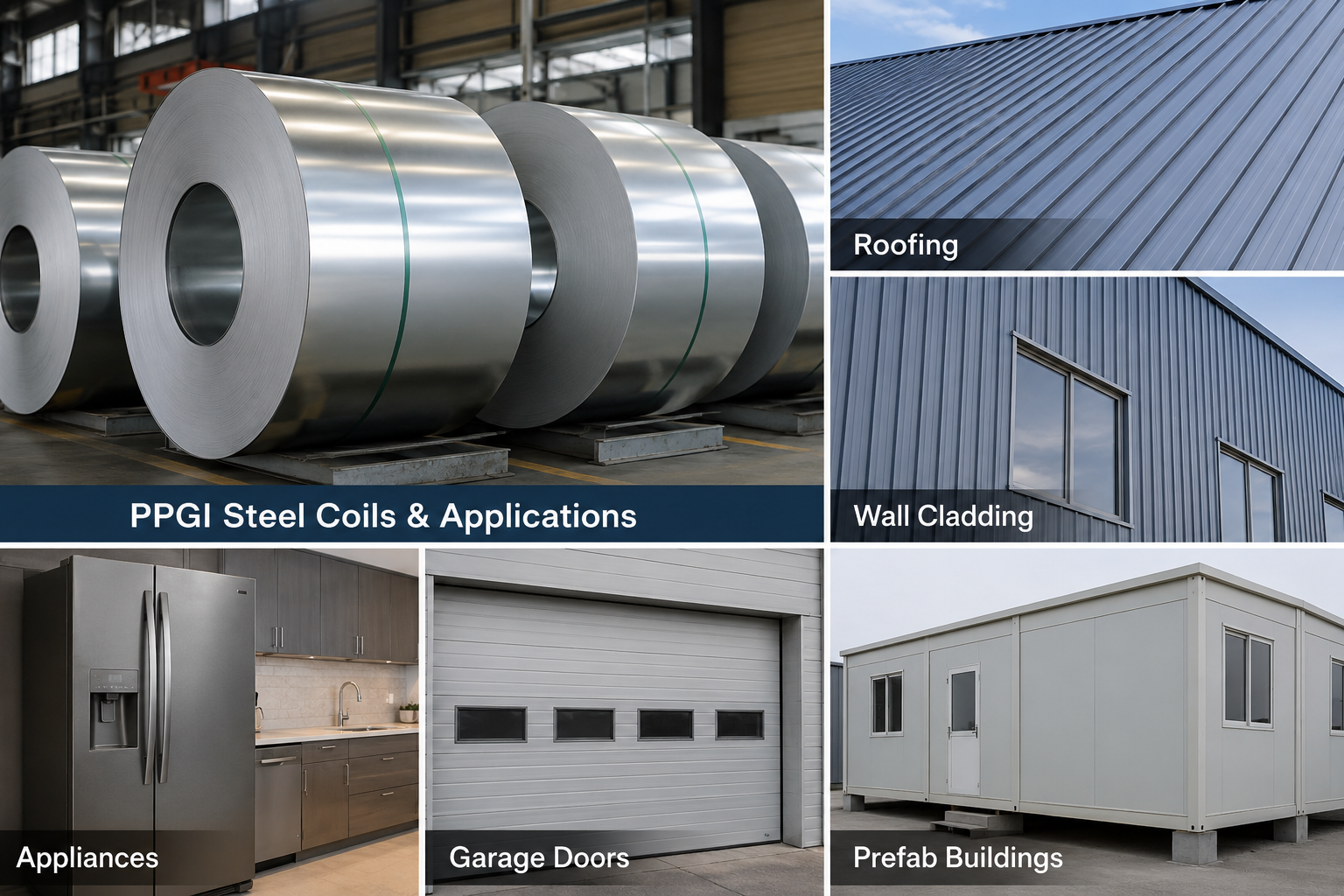
| အသုံးပြုမှု | အသုံးများသော ထုတ်ကုန်ပုံစံ | အသေးစိတ်အချက်အလက်များကို အလေးပေးသည့် အချက်များ |
|---|---|---|
| Roofing sheets | အလှီးအလှီးထားသော ပြား၊ စက်ဝိုင်းပုံစံပြား၊ မီးဖိုခေါင်းပြား | ထူမှု၊ ဇင့်အလ покရ်မှု၊ အရောင်ဖော်သည့် စနစ်၊ အရောင်၊ မှုန်မှုန်မှု၊ ကွေးနိုင်မှု၊ ရုပ်သေးမှုဒဏ်ခံနိုင်မှု။ |
| နံရံအဖုံး | နံရံပြား၊ အတွင်းထဲသို့ ထည့်သော ပြား၊ မျက်နှာပုံပြား | အရောင်တူညီမှု၊ မျက်နှာပုံအသွင်အပြင်၊ အရောင်ဖော်သည့် အလွှာ၏ ကြာရှည်မှု၊ ပဲ့ကောင်းမှု၊ ပုံစံဖော်မှု စွမ်းရည်။ |
| အိမ်သုံးပစ္စည်းများ | ပြားများ၊ အိုင်းအိုင်းများ၊ အတွင်းပိုင်း သို့မဟုတ် အပြင်ပိုင်းအစိတ်အပိုင်းများ | မျက်နှာပုံညီညာမှု၊ အရောင်ခွင့်ပေးခြင်း၊ အလွှာ၏ မာက်န်မှု၊ ပုံသေးခြင်းစွမ်းရည်။ |
| ဂာရေးဂ်တံခါးများနှင့် ရှပ်တာများ | လှည့်စီးထုတ်လုပ်ထားသော တံခါးပေါ်ပေါ်များနှင့် စလက်များ | ပုံသေးနိုင်မှု၊ အလွှာတွင် ကပ်နေမှု၊ အထူခွင့်ပေးခြင်း၊ အရောင်တည်ငြိမ်မှု။ |
| မိုးခေါင်းအဖ пок်များနှင့် အတွင်းပိုင်းပေါ်ပေါ်များ | အပေါ်ယံပေါ်ပေါ်များ၊ အလှဆင်ပေါ်ပေါ်များ၊ အပိုင်းခွဲပေါ်ပေါ်များ | မျက်နှာပုံပုံပေါ်မှု၊ တောက်ပမှု၊ အရောင်၊ အပေါ်ယံညီညာမှုနှင့် အတွင်းပိုင်းအလွှာစွမ်းရည်။ |
| အရင်တည်ဆောက်ထားသော ဆောက်လုပ်မှု | မိုးခေါင်းပေါ်ပေါ်များ၊ နံရံပေါ်ပေါ်များ၊ ဆန်ဒွိုင်းပေါ်ပေါ်များ | အမှုန်အမှုန်ညီညာမှု၊ အလွှာတွင် ခံနိုင်ရည်ရှိမှု၊ ချေးတက်ခြင်းကို ခံနိုင်ရည်ရှိမှု၊ အထုပ်ပို့ပို့မှု၊ စီမံကိန်းစာရွက်စာတမ်းများ။ |
PPGI စံနှုန်းများနှင့် ဝယ်သူများ တောင်းခံနိုင်သည့် စမ်းသပ်မှုအများအပြား
စံနှုန်းများနှင့် စမ်းသပ်မှုလိုအပ်ချက်များသည် နိုင်ငံ၊ ဝယ်သူ၊ စီမံကိန်းအမျိုးအစားနှင့် အသုံးပြုမှုအလိုက် ကွဲပါသည်။ ပုံမှန်ကုန်ပစ္စည်းအမှာစာများအတွက် ဝယ်သူများသည် စက်ရုံစမ်းသပ်မှုလက်မှတ်များ သို့မဟုတ် အရည်အသွေးစာရွက်စာတိုက်များကို တောင်းဆိုနိုင်ပါသည်။ အဆောက်အဦး၊ လျှပ်စစ်ပစ္စည်းများ သို့မဟုတ် ရေရှည်အတွက် အပြင်ဘက်တွင် အသုံးပြုမည့် စီမံကိန်းများအတွက် အပိုဆောင်း အလွှာစွမ်းရည်စမ်းသပ်မှုများကို လိုအပ်နိုင်ပါသည်။
| ပစ္စည်း | စစ်ဆေးသည့်အရာ | ဝယ်သူမှတ်ချက်များ |
|---|---|---|
| အထူအလျား | ကွင်းအထူသည် သဘောတူထားသော အတိုင်းအတာအတွင်း ရှိမရှိ | စျေးနှုန်း၊ အလေးချိန်၊ ပုံသေးခြင်းနှင့် စီမံကိန်းနှင့် ကိုက်ညီမှုအတွက် အရေးကြီးပါသည်။ |
| ဇင့်အလွှာအမေးစာ | အခြေခံပစ္စည်းပေါ်တွင် ဇင့်အလွှာအမေးစာပမာဏ | သို့သော် သေးစေးသေးစေး ဖော်ပြရန် လိုအပ်ပါသည်။ |
| အလွှာအထူ | အပေါ်ယံအလွှာ၊ အစပ်အလွှာနှင့် အောက်ခြေအလွှာအထူ | အလွှာစုစုပေါင်းစျေးနှုန်း၊ ကြာရှည်ခံမှုနှင့် ဝယ်သူ၏ လက်ခံမှုအတွက် အရေးကြီးပါသည်။ |
| အရောင်ကွာခြားမှု | နမူနာ (သို့) စံချိန်စံညွှန်းနှင့် ကွဲပြားမှုမရှိသော အရောင်အသွင် | အမိုးဖုံးခြင်း၊ အဖုံးခြင်းနှင့် မြင်သာသော ပေါ်လီကြေးမှုန်များတွင် အရေးကြီးသည်။ |
| လင်းထွင် | မျက်နှာပုံပေါ်ရှိ အလင်းပုံပေါ်ခြင်းအဆင့် | အကုန်အကာအုပ်များအကြား မျက်စိဖြင့် မြင်သာသော အသွင်အပြင် တူညီမှုကို ထိခိုက်စေသည်။ |
| ခဲတံရဲ့ မာကျောမှု | အလွှာများ၏ မျက်နှာပုံများ၏ မာကျောမှု | အမှုန်များပေါ်တွင် အမှုန်များကို ခြစ်မှုန်များမှ ကာကွယ်ရာတွင် အသုံးဝင်ပြီး ကိုင်တွယ်ခြင်း စွမ်းရည်ကို မြှင့်တင်ပေးသည်။ |
| T-အကွေးစမ်းသပ်မှု | အကွေးပေးသည့်အခါ အလွှာများ၏ ပုံစံပြောင်းလဲနိုင်မှု | ရုံးလ်ဖော်မင်း၊ ကော်ရူဂေတ်အုပ်နှင့် ပေါ်လီကြေးမှုန်များ ထုတ်လုပ်ရာတွင် အရေးကြီးသည်။ |
| ထိခိုက်စစ်ချက် | အလွှာများ၏ ကပ်နေမှုနှင့် ပုံစံပြောင်းလဲမှုကို ခံနိုင်ရည် | ပုံသေးမှုန်းထားသော အစိတ်အပိုင်းများနှင့် ခံနိုင်ရည်ရှိမှုကို ကိုင်တွယ်ရာတွင် အသုံးဝင်ပါသည်။ |
| ဆာလီနှုန်းစက်ရုံစမ်းသပ်ခြင်း | အရှိန်မြှင့်ပေးထားသော စမ်းသပ်မှုအခြေအနေများအောက်တွင် ခံနိုင်ရည်ရှိမှုရှိခြင်း | စိတ်ခေါ်မှုရှိသော အနက်ဖွင့်ဆီဖွင့်ရန် လုပ်ရပါမည်။ အထူးသဖြင့် စီမံကိန်းအတွက် သတ်မှတ်ထားသော အချက်များနှင့် ကိုက်ညီရန် လုပ်ရပါမည်။ |
ဝယ်သူသည် ASTM၊ EN၊ JIS၊ GB သို့မဟုတ် စီမံကိန်းအတွက် သတ်မှတ်ထားသော စံနှုန်းများကို လိုအပ်ပါက ၎င်းကို RFQ တွင် ဖော်ပြရပါမည်။ ထောက်ပံ့သူသည် လက်ရှိထုတ်လုပ်နေသော လမ်းကြောင်း၊ အလွှာဖုံးအစီအစဉ်နှင့် စမ်းသပ်မှုစာရွက်စာတမ်းများသည် လိုအပ်ချက်များကို ဖော်ပြနိုင်မည်ကို အတည်ပြုနိုင်ပါသည်။
PPGI သံမှုန်းကို မှာယူရန်မှီအောက်တွင် ဝယ်သူ၏ စစ်ဆေးစာရင်း
- ပণုံအမျိုးအစား: PPGI ကွင်း၊ PPGI သံပြား၊ လှောင်ပေါင်းသော သံပြား၊ မိုးခေါင်းဖုံးသော သံပြား သို့မဟုတ် ဖြတ်ထားသော ကွင်းကို အတည်ပြုပါ။
- အခြေခံသံမဏိ ကုန်ပစ္စည်းအရည်အသွေး၊ ပုံသေးမှုန်းအရည်အသွေး၊ ဖွဲ့စည်းပုံအရည်အသွေး သို့မဟုတ် စီမံကိန်းအတွက် သတ်မှတ်ထားသော အရည်အသွေးကို ဖော်ပြပါ။
- ထူး အမည်ခေါ်သော ထူမှုန်းကို အတည်ပြုပါ။ ထူမှုန်းသည် အခြေခံသံမှုန်း သို့မဟုတ် အလွှာဖုံးပြီးသော ထူမှုန်းကို ရည်ညွှန်းသည်ကို အတည်ပြုပါ။
- အကျယ်: အပြည့်အဝ အကျယ်၊ ဖြတ်ထားသော အကျယ် သို့မဟုတ် ပြီးစီးသော သံပြားအကျယ်ကို ဖော်ပြပါ။
- သံမဏိပြားအုပ်ခြင်း- Z60၊ Z80၊ Z100၊ Z120၊ Z180၊ Z275 သို့မဟုတ် စီမံကိန်းအတွက် လိုအပ်သော ဇင့်အလွှာဖုံးကို ဖော်ပြပါ။
- ဆေးရည်စနစ် PE၊ SMP၊ HDP၊ PVDF သို့မဟုတ် အခြားကုတ်လုပ်စရိတ်လုပ်ရန် လိုအပ်ချက်များကို အတည်ပြုပါ။
- ဆေးလုပ်ထားသည့် အထူ - လိုအပ်ပါက အပေါ်ယံဆေးလုပ်ခြင်း၊ ပရိုမာ၊ နောက်ဘက်ဆေးလုပ်ခြင်း လိုအပ်ချက်များကို ဖော်ပြပါ။
- အရောင် - RAL ကုဒ်၊ အတည်ပြုထားသည့် နမူနာ သို့မဟုတ် အထူးရောင်စဉ် လိုအပ်ချက်များကို ပေးပါ။
- မှုန်းမှုန်း - မှုန်းမှုန်းနည်း၊ ပုံမှန်မှုန်းမှုန်း၊ မှုန်းမှုန်းများ၊ သို့မဟုတ် စီမံကိန်းအလိုက် သတ်မှတ်ထားသည့် မှုန်းမှုန်းကို အတည်ပြုပါ။
- မျက်နှာပြင်: ချောမွေ့သည့်၊ အနှိပ်ထားသည့်၊ ပုံနှိပ်ထားသည့်၊ အစွန်းခြစ်မှုကာကွယ်ရန်၊ ကာကွယ်ရန် ပလပ်စတစ်ဖလင် သို့မဟုတ် အထူးမျက်နှာပြင် လိုအပ်ချက်များကို အတည်ပြုပါ။
- ရူးပြင်ဆင်ချက်များ: လိုအပ်ပါက အားချက်ခံနိုင်မှု၊ ဆွဲချက်ခံနိုင်မှု၊ ရှည်လုံးချက်နှုန်း နှင့် ပုံသေးခြင်း လိုအပ်ချက်များကို အတည်ပြုပါ။
- ကွိုင်အချက်အလက်များ - ကွိုင်အွန်စင်၊ ကွိုင်အလေးချိန်၊ အုပ်စုအလေးချိန် နှင့် တင်ပို့မှု လိုအပ်ချက်များကို အတည်ပြုပါ။
- သိပ္ပံစertification: မီလ်စမ်းသပ်မှုလက်မှတ်၊ အထုပ်ဖ покရေးန်စာရင်း၊ စစ်ဆေးမှုစာရင်း (သို့မဟုတ်) လိုအပ်ပါက တတိယပါတီစစ်ဆေးမှုကို တောင်းခံပါ။
- ထုပ်ပိုးမှု: အပို့အကုန်အထုပ်ပို့မှု၊ ရေမဝင်သည့်စက္ကူ၊ ပလပ်စတစ်ပါးလ်၊ အစွန်းကာကွယ်ရေး၊ သံမှုန်ပြားများနှင့် ပလက်ဖောင်းအမျိုးအစားကို အတည်ပြုပါ။
- အသုံးပြုမှု အမိုးခ покရေးန်၊ အဆောက်အဦးအဖုံးပိုမ်းခြင်း၊ လျှပ်စစ်ပစ္စည်းများ၊ တံခါးများ၊ အမိုးအုပ်များ၊ လေကြောင်းများ (သို့မဟုတ်) အခြားအသုံးပြုမှုများကို ဖော်ပြပါ။
- သိုလှောင်ရန်နေရာ - သိုလှောင်ရန်ဆိပ်ကမ်း၊ ပို့ဆောင်ရေးလိပ်စာ၊ Incoterms နှင့် လိုအပ်သည့် ပို့ဆောင်ရေးအမှတ်အသားများကို ပေးပါ။
PPGI RFQ ကို ရှင်းလင်းစွာပြင်ဆင်နည်း
ရှင်းလင်းသည့် RFQ သည် ပေးသွင်းသူအား ပိုမ быстр စျေးနှုန်းခန့်မှန်းရန်နှင့် ထုတ်လုပ်မှုမတိုင်မီ နှောင့်နှေးမှုများကို လျော့နည်းစေသည်။ အရောင်နှင့် အထူသာမျှ ပေးပို့ခြင်းအစား ဝယ်သူများသည် ကုန်ကုပ်အပြည့်အစုံနှင့် အသုံးပြုမှုကို ထည့်သွင်းပေးသင့်သည်။
အသုံးပြုမှုမှ စတင်ပါ
ပစ္စည်းကို အမိုးခ покရေးန်၊ အဆောက်အဦးအဖုံးပိုမ်းခြင်း၊ လျှပ်စစ်ပစ္စည်းများ၊ တံခါးများ၊ အမိုးအုပ်များ၊ စန္ဒရီးစ်ပါနယ်များ (သို့မဟုတ်) အခြားထုတ်ကုန်များအတွက် အသုံးပြုမည်ဖြစ်ကြောင်း ရှင်းပေးပါ။ အပြင်ဘက်တွင် ထုတ်လုပ်မှုနှင့် ပုံသေးမှုလုပ်ငန်းစဉ်ကို အစေးအစေးတွင် ဖော်ပြရန် လိုအပ်ပါသည်။
အခြေခံပစ္စည်းနှင့် အထုပ်ဖုံးမှုကို အတည်ပြုပါ
အခြေခံသံမဏိအများအား၊ ဇင့်က покုတ်လုပ်မှု၊ ပုံစံသေးသေး၊ အထက်ဖက်အလွှာအထူ၊ အောက်ဖက်အလွှာလုပ်ဆောင်ချက်နှင့် မျက်နှာပုံပေါ်လုပ်ဆောင်ချက်တို့ကို သတ်မှတ်ပါ။ ဤအချက်များသည် စွမ်းဆောင်ရည်နှင့် စျေးနှုန်းကို တိုက်ရိုက်သက်ရောက်မှုရှိပါသည်။
အရောင်နှင့် ပုံပန်းသွင်ပဲ့ကို သတ်မှတ်ပါ
RAL အရောင်၊ နမူနာအရောင်၊ မှန်ပုံအရောင်၊ မျက်နှာပုံအများအားနှင့် ယခင်အမုန်းများနှင့် ကိုက်ညီရန်လိုအပ်မှုရှိမရှိကို ဖော်ပြပါ။ မြင်သာသော အဆောက်အဦးပေါ်လုပ်ပါသော ပေါ်လုပ်များအတွက် အရောင်အတည်ပြုခြင်းသည် အရေးကြီးပါသည်။
လုပ်ဆောင်မှုအချက်အလက်များကို အတည်ပြုပါ
အထူ၊ အကျယ်၊ အခွင့်အရေး၊ ကွိုင်းအတွင်းအချင်း၊ ကွိုင်းအလေးချိန်၊ ကွိုင်းအကျယ်၊ သံချောင်းအရှည် သို့မဟုတ် လိုအပ်ပါက ကွိုင်းအများအားကို ဖော်ပြပါ။ ဤအချက်များသည် နောက်ဆုံးအဆင့်စက်ကူများနှင့် ကိုက်ညီရန်လိုအပ်ပါသည်။
ပို့ဆောင်မှုမှီအထိ စာရွက်စာတမ်းများကို တောင်းဆိုပါ
ထုတ်လုပ်မှုနှင့် ပို့ဆောင်မှုမှီအထိ စက်ရုံစမ်းသပ်မှုလက်မှတ်၊ အလွှာလုပ်ဆောင်မှုအစီရင်ခံစာ၊ ထုပ်ပိုးမှုစာရင်း၊ ဘေလ်၊ မူရင်းနိုင်ငံလက်မှတ်၊ တတိယပါတီစစ်ဆေးမှု သို့မဟုတ် ပရောဂျက်လိုအပ်သော စာရွက်စာတမ်းများကို အတည်ပြုပါ။
ဆက်စပ်သံမဏိပစ္စည်းများအတွက် အတွင်းချိတ်ဆက်မှုများ
အလွှာခြပ်သောသံမဏိ၊ ဇင့်ကုတ်လုပ်ထားသောသံမဏိနှင့် စတီလ်သံမဏိများကို နှိုင်းယှဉ်နေသော ဝယ်သူများသည် စုံစမ်းမှုပေးမှီ ဆက်စပ်ပစ္စည်းအများအားများကို ပြန်လည်သုံးသပ်နိုင်ပါသည်။
မေးလေ့ရှိသောမေးခွန်းများ
PPGI သံမဏိဆိုသည်မှာအဘယ်နည်း။
PPGI သံမဏိသည် ဂဲလ်ဝန်းနိုက်ဇင်ခုပ်ထားသော သံမဏိဖြစ်ပြီး ဂဲလ်ဝန်းနိုက်ဇင်ခုပ်ထားသော သံမဏိကွိုင်လ်ပေါ်သို့ အရောင်သုံးပုံစံများကို အလွှာလိုက်စွဲထားခြင်းဖြင့် ပုံဖော်ထားခြင်းဖြစ်သည်။ ဇင်ခုပ်အလွှာသည် အခြေခံသံမဏိကို ကာကွယ်ပေးပြီး အရောင်သုံးပုံစံစနစ်သည် အရောင်၊ မျက်နှာပုံပေါ်လွှာအသွင်အပြင်၊ ရာသီဥတုဒုံခံနိုင်မှုနှင့် အပိုအကာအကွယ်များကို ပေးစေသည်။
PPGI ကွိုင်လ်ကို အသုံးပြုရာတွင် အဘယ်နည်း။
PPGI ကွိုင်လ်ကို အများအားဖြင့် အုတ်မြေအ покрытие (အုတ်မြေဖ покрытие) အဖွဲ့အစည်းများ၊ နံရံအဖွဲ့အစည်းများ၊ ဆန်ဒွိုင်းပေါင်းစပ်ပုံစံများ၊ ဂာရေးဂ်တွင် အသုံးပြုသော တံခါးများ၊ မိုးခေါင်းအဖွဲ့အစည်းများ၊ လျှပ်စစ်ပစ္စည်းများအတွက် အဖွဲ့အစည်းများ၊ ရှတ်တာများ၊ လေလှောင်ပိုက်များနှင့် ကြိုတင်ထုတ်လုပ်ထားသော အဆောက်အအုပ်ပစ္စည်းများတွင် အသုံးပြုကြသည်။
PPGI နှင့် ဂဲလ်ဝန်းနိုက်ဇင်ခုပ်ထားသော သံမဏိတွင် ကွာခြားချက်များမှာ အဘယ်နည်း။
ဂဲလ်ဝန်းနိုက်ဇင်ခုပ်ထားသော သံမဏိတွင် ဇင်ခုပ်အလွှာပါရှိပြီး PPGI သံမဏိတွင် ဂဲလ်ဝန်းနိုက်ဇင်ခုပ်ထားသော အခြေခံပုံစံအပေါ် အရောင်သုံးပုံစံများကို အလွှာလိုက်စွဲထားခြင်းဖြစ်သည်။ PPGI သည် အရောင်၊ မျက်နှာပုံပေါ်လွှာအသွင်အပြင်နှင့် မျက်နှာပေါ်တွင် မှုန်းမှုန်းမှုများအတွက် အပိုအကာအကွယ်များကို ပေးစေသည်။
PPGI အတွက် အကောင်းဆုံးအရောင်သုံးပုံစံများမှာ PE နှင့် PVDF တွင် အဘယ်နည်း။
PE သည် အသုံးအများပါသော အသုံးပြုမှုအတွက် စုစုပေါင်းစရိတ်သက်သာသော ကုတ်လက်ဖော်ခြင်းဖြစ်ပြီး PVDF ကို ရေရှည်တွင် အရောင်ထိန်းသိမ်းမှုကောင်းမှုနှင့် မိုးလေဝသအခြေအနေများကို ပိုမိုခံနိုင်ရည်ရှိမှုအတွက် အများအားဖြင့် ရွေးချယ်ကြသည်။ အကောင်းဆုံးရွေးချယ်မှုသည် အပြင်ဘက်တွင် ထိတ်တွေ့မှု၊ ဘတ်ဂျက်၊ အသုံးပြုမှုကာလ မျှော်မှန်းချက်နှင့် စီမံကိန်းလိုအပ်ချက်များပေါ်တွင် မှီခိုပါသည်။
PPGI သံမှုန်အတွက် ဝယ်သူများသည် ဇင့်ကုတ်လက်ဖော်ခြင်းကို မည်သည့်အမျိုးအစားကို ရွေးချယ်သင့်သနည်း။
ဇင့်ကုတ်လက်ဖော်ခြင်းကို သေးငယ်သော သံခေါင်းဖော်မှုပတ်ဝန်းကျင်နှင့် စီမံကိန်းလိုအပ်ချက်များအရ ရွေးချယ်သင့်ပါသည်။ အသုံးများသော ကုတ်လက်ဖော်ခြင်းအမျိုးအစားများတွင် Z60၊ Z80၊ Z100၊ Z120၊ Z180 နှင့် Z275 တို့ဖြစ်သည်။ အပြင်ဘက်၊ ကမ်းခြေဒေသ သို့မဟုတ် စိန်ခေါ်မှုများပါသော အသုံးပြုမှုများတွင် ပိုမိုမြင့်မားသော ကာကွယ်မှုကို လိုအပ်နိုင်ပါသည်။
PPGI ကုတ်လက်ဖော်ခြင်းသည် အဘယ်ကြောင့် အလွဲအမှားဖြစ်ခြင်း သို့မဟုတ် ကွဲအက်ခြင်းများ ဖြစ်ပါသနည်း။
PPGI ကုတ်လက်ဖော်ခြင်းသည် ကပ်စောင်းမှုနိမ့်ချိန်၊ အသုံးမကျသော အရောင်အသုံးပြုမှုစနစ်၊ မှန်ကန်သော ကွေးချိန်မှုအချက်များမှု၊ မှန်ကန်သော ကိုင်တွေ့မှုမှု၊ မှန်ကန်သော အခြေခံပစ္စည်းရွေးချယ်မှုမှု သို့မဟုတ် ကုတ်လက်ဖော်ခြင်း၏ စွမ်းရည်ကို ကျော်လွန်သော ပုံသေးမှုအခြေအနေများကြောင့် အလွဲအမှားဖြစ်ခြင်း သို့မဟုတ် ကွဲအက်ခြင်းများ ဖြစ်နိုင်ပါသည်။ ဝယ်သူများသည် အမှာယူမှုပြုရန်မှီခို၍ T-bend၊ ကုတ်လက်ဖော်ခြင်းကပ်စောင်းမှုနှင့် ပုံသေးမှုလိုအပ်ချက်များကို အတည်ပြုသင့်ပါသည်။
PPGI သံမှုန်အတွက် RFQ တွင် အဘယ်အရာများကို ထည့်သွင်းရမည်နည်း။
PPGI အတိုင်ပင်မှုစာတွင် ထုတ်ကုန်အမျိုးအစား၊ အခြေခံသံမဏိအမျိုးအစား၊ အထူ၊ အကျယ်၊ ဇင့်အလွှင်း၊ အရောင်သုံးစနစ်၊ အလွှင်းအထူ၊ အရောင်၊ မှုန်းမှုန်း၊ မျက်နှာပုံလုပ်ဆောင်ချက်၊ ကွင်းအလေးချိန်၊ ကွင်းအတွင်းအချင်း၊ ပမီဏ၊ ထုပ်ပိုးမှု၊ လက်မှတ်များ၊ သိုလှောင်ရာနေရာနှင့် အသုံးပုံအသုံးစားမှုတို့ကို ထည့်သွင်းဖော်ပြရမည်။
PPGI သံမဏိကို ကမ်းခြေဒေသများတွင် အသုံးပြုနိုင်ပါသလား။
PPGI သံမဏိကို အခြေခံသံမဏိ၊ ဇင့်အလွှင်း၊ အရောင်သုံးစနစ်၊ အလွှင်းအထူ၊ ဒီဇိုင်းနှင့် ထိန်းသိမ်းရေးအစီအစဉ်တို့သည် သင့်လျော်မှုရှိပါက ကမ်းခြေဒေသများတွင် အသုံးပြုနိုင်ပါသည်။ ဝယ်သူများသည် အသုံးပြုရာတွင် ကလိုရိုင်းဓာတ်ဖော်ပေးမှုနှင့် စီမံကိန်းနောက်ဆုံးအဆုံးအဖြတ်များကို အသုံးပြုမည့် အသေးစိတ်အချက်အလက်များကို ရှင်းလင်းစွာ အတည်ပြုပြီးမှသာ အသုံးပြုရန် အသေးစိတ်အချက်အလက်များကို ရွေးချယ်သင့်ပါသည်။
နိဂုံးချုပ်- ဝယ်သူများသည် PPGI သံမဏိကို မည်သို့အသေးစိတ်ဖော်ပြရမည်နည်း။
PPGI သံမဏိသည် ပုံသေးမှု၊ အသေးစိတ်ပုံပေါ်မှုနှင့် အရေးကြီးသော ခံနိုင်ရည်ရှိမှုတို့ကို လိုအပ်သော ဝယ်သူများအတွက် လက်တွေ့ကျသော ပစ္စည်းဖြစ်ပါသည်။ သို့သော် အဆုံးမှုအားလုံးသည် အရောင်အသေးစိတ်အချက်အလက်များသာမက အခြေခံသံမဏိအမျိုးအစား၊ ဇင့်အလွှင်း၊ အရောင်သုံးစနစ်၊ အလွှင်းအထူ၊ မျက်နှာပုံအမျိုးအစား၊ အတိုင်းအတာအမျိုးအစား၊ ပုံသေးမှုနည်းလမ်းနှင့် ထုပ်ပိုးမှုတို့ကို အချက်အလက်အဖြစ် ထည့်သွင်းစဉ်းစားရမည်ဖြစ်ပါသည်။
ယုံကုံစိတ်ချရသော စျေးနှုန်းအကြောင်း အသေးစိတ်အချက်အလက်များ ပေးပေးပါ။ တန်ချိန်အလိုက် PPGI စျေးနှုန်းသာ မေးမည်ဖြစ်ပါက အသေးစိတ်အချက်အလက်များ မရရှိနိုင်ပါ။ အသုံးပုံ၊ အလွှမ်းအထ покရီးတင်း၊ အရောင်၊ ထူမှု၊ အကျယ်၊ ကွိုင်အလေးချိန်နှင့် လက်မှတ်လိုအပ်ချက်များကို ပိုမိုရှင်းလင်းစွာ ဖော်ပြပေးပါက အရည်အသွေး၊ ပေးပို့မည့်ကာလနှင့် စျေးနှုန်းတို့ကို ထိန်းသိမ်းရန် ပိုမိုလွယ်ကူပါသည်။
PPGI သံမှုန်ကွိုင်အတွက် စျေးနှုန်းအကြောင်း သိရှိလိုပါသလား။
ထူမှု၊ အကျယ်၊ ဇင့်အလွှမ်း၊ အရောင်သုံးပါသည့် စနစ်၊ အရောင်၊ မှုန်မှုန်မှု၊ ကွိုင်အလေးချိန်၊ အရေအတွက်၊ ထုပ်ပိုးမှုလိုအပ်ချက်၊ ပို့ဆောင်ရမည့်နေရာနှင့် အဆုံးသတ်အသုံးပုံတို့ကို ကျွန်ုပ်တို့အား ပေးပေးပါ။ Voyage Metal မှ အသေးစိတ်အချက်အလက်များကို ပြန်လည်သုံးသပ်ပြီး သင့်အတွက် PPGI သံမှုန်ကွိုင် စျေးနှုန်းအကြောင်း အသေးစိတ်အချက်အလက်များအရ စျေးနှုန်းအကြောင်း ပြုစုပေးပါမည်။
ဗော်ယေ့ခ် မက်တယ်သို့ ဆက်သွယ်ပါ