
 EN
EN



Průmyslový výrobek považuje japonskou normu JIS SUS304 a americkou normu ASTM 304 za zaměnitelné austenitické nerezové oceli 18/8 austenitické nerezové oceli , avšak nejsou zcela totožné. Stejně jako u většiny norem mají tyto dvě normy značně odlišné metalurgické a regulační požadavky. Pravděpodobně si myslíte, že jsou zaměnitelné, protože jejich fyzikální vlastnosti jsou téměř stejné.
Víte však již, že při práci s kovy je důležité dodržovat chemické limity a výpočty hustoty. Proto posouzení jejich specifických vlastností pomůže zabránit selhání certifikace, chybám ve váze zásilek a porušení předpisů. Tento článek upozorňuje na konkrétní rozdíly v chemickém složení, mechanických vlastnostech a dodavatelských řetězcích, které je nutno vzít v úvahu při získávání zdrojů na trzích v Asii a Severní Americe.
Porozumění označovacím systémům JIS a ASTM
Nejprve je třeba pochopit regulační kódy, abyste mohli bezpečně nakupovat na globálním trhu oceli. Existují přísné právní rámce, kterým je nutné dodržovat a které stanovují, jakým způsobem se materiál testuje a certifikuje.
Co je SUS304?
SUS je zkratka pro Steel Use Stainless (nerezová ocel pro průmyslové použití). Jedná se o předponu používanou japonskými průmyslovými normami (JIS) ke klasifikaci tříd nerezové oceli. Rámec JIS, který spravuje Výbor japonských průmyslových norem (JISC), je dominantní normou v Japonsku a je hluboce integrován do dodavatelských řetězců napříč Jižní Koreou, Čínou a jihovýchodní Asií.
Všimněte si, že SUS304 není jedinou specifikací. Spíše se jedná o základní chemickou třídu, která se aplikuje na konkrétní tvary výrobků.
Například:
- 1) JIS G4303 upravuje z nehrdzavející oceli .
- 2) JIS G4304 upravuje plechy a desky za tepla válané.
- 3) JIS G4305 upravuje plechy za studena válané.
Při nákupu materiálu SUS304 od asijského výrobce se materiál testuje podle mezních tolerancí rozměrů a povolených defektů u těchto konkrétních norem řady G.
Co je ASTM 304 (SS304)?
ASTM International stanovuje hlavní normy pro severoamerický a blízkovýchodní trh. Označení „304“ pochází z číselné řady 300 pro austenitické nerezové oceli podle AISI (American Iron and Steel Institute).
Označení SS304 se často objevuje na výkresech nebo v e-mailové korespondenci. Mějte na paměti, že SS304 je neformální zkratka pro nerezovou ocel 304, což znamená, že není právně závaznou normou. Platné objednávkové listy musí odkazovat na konkrétní specifikaci ASTM, např. ASTM A240 (pro plechy, desky a pásy používané v tlakových nádobách) nebo ASTM A276 (pro tyče).
Kde se nachází UNS S30400?
Unified Numbering System (UNS) byl vyvinut za účelem odstranění zmatku způsobeného konkurenčními regionálními označeními. V rámci tohoto systému má standardní ocel 304 označení UNS S30400.
Představte si UNS S30400 jako běžný „střešní“ standard. Pokud tavenina oceli spadá do chemických limitů UNS S30400, může být teoreticky certifikována buď jako JIS SUS304 nebo ASTM 304, za předpokladu, že splňuje konkrétní zkušební protokoly těchto norem.
Chemické složení JIS SUS304 vs. ASTM 304
Chemické složení je oblast, kde se často setkáte s technickou neshodou. Ačkoli jsou obě slitiny chemicky podobné, povolené limity se liší. Tavenina oceli může legálně splnit normy ASTM a zároveň nesplnit normy JIS (a naopak).
Níže je uvedena tabulka sestavená podle složení obou norem.
| Prvek | JIS SUS304 (JIS G4303) | ASTM 304 (ASTM A240) | Pozorování |
|---|---|---|---|
| Uhlík (C) | ≤ 0.08% | ≤ 0.08% | Shodný maximální limit |
| Křemík (Si) | ≤ 1.00% | ≤ 1.00% | Identicky |
| Mangan (Mn) | ≤ 2,00 % | ≤ 2,00 % | Identicky |
| Fosfor (P) | ≤ 0,045 % | ≤ 0,045 % | Identicky |
| Síra (S) | ≤ 0,030 % | ≤ 0,030 % | Identicky |
| Chrom (Cr) | 18.00-20.00% | 18.00-20.00% | Shodný rozsah |
| Nikl (Ni) | 8.00-10.50% | 8.00-10.50% | Shodný rozsah |
| Dusík (N) | — | ≤ 0,10 % | ASTM stanovuje maximální hodnotu, zatímco JIS ne |
Chyba s chromem
Obsah chromu představuje největší riziko. Norma ASTM A240 stanovuje minimální obsah chromu na 17,50 %. Japonská norma JIS SUS304 vyžaduje minimální obsah 18,00 %.
Pokud obdržíte šarži oceli vyrobenou ve Spojených státech s obsahem chromu 17,7 %, je tato šarže v New Yorku (podle ASTM) zcela shodná. V Tokiu (podle JIS) je však efektivně odpadem, protože nesplňuje minimální požadavek na obsah Cr pro certifikaci SUS304.
Rozdíly v obsahu uhlíku a křemíku
Norma ASTM A240 omezuje obsah uhlíku na 0,07 %, aby byla zajištěna bezpečnostní mez proti sensibilizaci vysrážení karbidů při svařování . Norma JIS povoluje až 0,08 %. Naopak norma JIS umožňuje výrazně vyšší obsah křemíku (≤ 1,00 %) než norma ASTM (≤ 0,75 %). Protože křemík působí jako odkysličovadlo, tento rozdíl může ovlivnit odolnost vůči oxidaci za vysokých teplot, avšak u většiny konstrukčních aplikací za okolní teploty se jedná o nepatrný rozdíl.
Mechanické srovnání japonské normy JIS SUS304 a americké normy ASTM 304
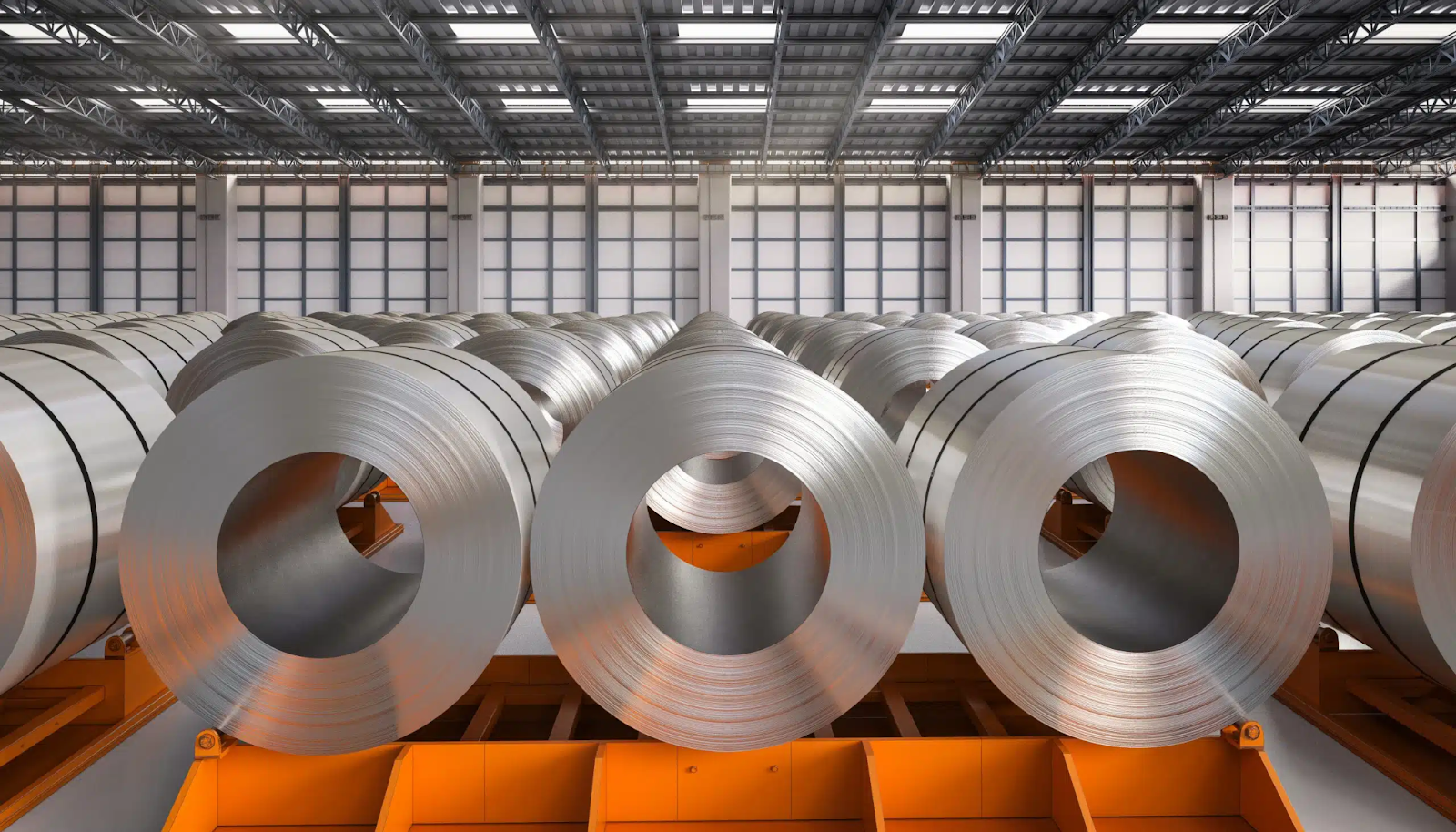
Při analýze mechanických vlastností zpravidla vzniká nejasnost spíše z důvodu metodiky zkoušení než kvůli výkonu materiálu. Ocel se fyzicky chová stejně, avšak laboratorní zprávy uvádějí různá čísla v důsledku rozdílného provedení zkoušek.
Porovnejme si skutečná čísla.
| Vlastnost | JIS SUS304 | ASTM 304 | Poznámky |
|---|---|---|---|
| Mez pevnosti (min) | 520 MPa | 515 MPa | Funkčně ekvivalentní |
| Mez kluzu (min) | 205 MPa | 205 MPa | Identické požadavky |
| Tažnost (min) | 40% | 40% | Stejná tažnost |
| Tvrdost (max., žíhané) | 187 HB / 90 HRB | 201 HB / 92 HRB | Rozdíl v metodách zkoušení |
| Hustota | 7,93 g/cm³ | 7,93 g/cm³ | Identicky |
| Bod tání | 1400–1450 °C | 1400–1450 °C | Stejný rozsah |
Rozdíl v zkušebních normách
Meze kluzu a pevnosti v tahu jsou shodné, avšak hodnoty prodloužení se liší.
- ---ASTM E8: Obvykle používá pevnou měřenou délku (často 2 palce nebo 50 mm).
- --- JIS Z 2241: Často používá poměrnou měřenou délku, vypočtenou jako L₀ = 5,65 × √S₀, kde S₀ je průřezová plocha.
Protože tažnost závisí na geometrii zkušebního vzorku, mohou zprávy o zkouškách podle JIS a ASTM pro stejnou cívku oceli uvádět různé hodnoty prodloužení. Pokud vaše aplikace vyžaduje přesné meze hlubokého tažení, je nutné ověřit, která ze zkušebních norem – ASTM E8 nebo JIS Z 2241 – byla použita.
Rozdíly v normách, dokumentaci a dodavatelském řetězci
Mimo chemii a fyziku má volba mezi normami JIS a ASTM vliv na vaši dokumentaci, náklady na dopravu a dodací lhůty.
Rámec standardizace
V USA je ASTM A240 technickým základem Kódu ASME pro kotle a tlakové nádoby (BPVC) . Historicky to znamenalo, že pro tlakové součásti bylo možné používat pouze materiály podle normy ASTM. Globalizace dodavatelských řetězců však vyžadovala změnu.
Kódový případ N-708 kódu ASME BPVC nyní povoluje použití japonských tříd JIS G4303 SUS304 a SUS304L pro konstrukci třídy 1. Jedná se o klíčovou regulační výjimku. Potvrzuje, že nejvyšší západní bezpečnostní orgány uznávají metalurgickou bezpečnost japonské normy za předpokladu dokonalé dokumentace.
Certifikáty zkoušek z válcovny a dokumentace
Dodavatelé pro jistotu používají dvojnou certifikaci. Moderní argon-kyslíkové oduhlíkování (AOD) umožňuje válcovnám snadno vyrábět třídy 304 s velmi nízkým obsahem uhlíku (např. 0,02 %) a vysokým obsahem chromu (18,5 %).
Protože tato chemická složení splňuje přísný limit uhlíku pro třídy „L“ i požadavky na pevnost standardních tříd, protokol o zkoušce v hutním závodě (MTR) certifikuje materiál jako 304/304L.
Často také uvádí shodu s oběma normami ASTM a JIS, pokud jsou hladiny Cr/Ni dostatečně vysoké. Při nákupu byste měli konkrétně požadovat dvojnásobně certifikované protokoly MTR, aby bylo zajištěno, že zásoby vyhovují jak americkým, tak asijským projektovým specifikacím.
Regionální dostupnost a dodací lhůty
Dodací lhůty a dostupnost závisí na geografické poloze.
- --- Asie: Hlavním skladem je JIS SUS304. Získání materiálu specifického pro normu ASTM v Číně nebo Vietnamu může vyžadovat zvláštní výrobní šarži v hutním závodě nebo komplexní proces opětovné certifikace, čímž se do vašeho nákupního procesu přidají 3–5 týdnů.
- --- Severní Amerika: Norma ASTM 304 je výchozí. Získání materiálu podle normy JIS často vyžaduje dovoz, který je podléhá mořským přepravním dobám 6–12 týdnů.
Rozdíly v cenách a výpočty hustoty
Ceny jsou ovlivněny cla, například Článek 232 v USA a přístup k surovinám (indonéský niklový surový železný slitina pro ázijské hutní závody). V důsledku toho jsou FOB ceny pro SUS304 v Asii často o 30–50 % nižší než domácí americké ceny pro ASTM 304.
Hustota je však skrytý faktor, který ovlivňuje náklady.
- --- ASTM často používá nominální hustotu 7,9 g/cm³ nebo se spoléhá na teoretické imperiální převody.
- --- JIS stanovuje pro výpočet hmotnosti konkrétně hustotu 7,93 g/cm³.
Rozdíl 0,4–0,8 % se zdá nepatrný, dokud nepořídíte 10 000 metrických tun. Hmotnost uvedená na faktuře podle JIS se bude lišit od hmotnosti uvedené na faktuře podle ASTM pro stejný fyzický objem oceli. Z tohoto důvodu je nutné ve své zakázce na nákup jednoznačně upravit dohodnutou hustotu pro výpočet hmotnosti, abyste se vyhnuli sporům týkajícím se fakturace.
Kdy použít JIS SUS304 a kdy ASTM 304
Vaše volba by měla záviset na tom, kde probíhá zpracování, a kdo certifikuje konečnou montáž.
Použijte SUS304, pokud:
- --- Získávání a výroba v Asii: Pokud obrábíte součásti ve Vietnamu nebo lisujete díly v Japonsku, uveďte materiál SUS304. Místní servisní střediska mají tento materiál na skladě jako svou hlavní zásobu.
- --- Cena je hlavním rozhodujícím faktorem: U komerčních výrobků (kuchyňské nádobí, dekorativní prvky, aplikace bez tlaku) využití asijských dodavatelských řetězců pro SUS304 umožňuje vyhnout se zvýšeným cenám a cla typickým pro západní trhy.
- --- Přesné požadavky na rozměry: Japonské normy často stanovují přesnou tloušťku desek v milimetrech nebo přesné rozměry potrubních systémů podle standardního rozvrhu (schedule), které nemusí přesně odpovídat americkým tabulkám tlouštěk plechů nebo jmenovitým průměrům potrubí.
Použijte ASTM 304 (SS304), pokud:
- --- Je povinná shoda s normami ASME nebo jinými předpisy: Pokud není výslovně upraveno výjimkami podle konkrétních případů kódu (např. N-708), vyžadují tlakové nádoby, farmaceutické reaktory a jaderné komponenty v USA právně materiály certifikované podle normy ASTM a doprovázené dokonale kompatibilními materiálovými protokoly (MTR), aby byla zajištěna ochrana proti odpovědnosti.
- --- Provoz na domácím trhu USA: I přes vyšší náklady musí projekty podléhající ustanovením „Kupte americký výrobek“ nebo obranným zakázkám využívat domácí materiál ASTM 304, aby byla zajištěna odolnost dodavatelského řetězce a dodržení právních předpisů.
- --- Jsou vyžadovány specifické zkušební protokoly: Pokud se vaše technická dokumentace výslovně opírá o mez kluzu a mezní prodloužení získané výhradně metodami ASTM E8 s měřicí délkou 50 mm, použití materiálu dle normy ASTM eliminuje nekonzistence v zkušebních postupech vyplývající z cizích norem.
Funguje v obou případech, pokud:
- --- Materiál má dvojnásobné certifikování (UNS S30400): Pokud získáte materiálový testovací protokol (MTR), který prokazuje, že tepelná zpracovaná dávka obsahuje >18,00 % chromu, <0,07 % uhlíku a splňuje všechny minimální mechanické požadavky, materiál právně splňuje požadavky jak normy JIS G4304, tak normy ASTM A240.
- --- Obecné zpracování: U konstrukčního svařování (TIG/MIG), výroby umyvadel nebo kryogenních aplikací mají oba materiály identickou tvárnost a houževnatost.
- --- Vyžadují se standardní povrchové úpravy: Ať už potřebujete standardní povrchovou úpravu 2B, odrazivou jasnožíhanou (BA) úpravu nebo dekorativní vlasovou (HL) úpravu, techniky zpracování a konečné hodnoty Ra (drsnost) jsou v obou rámci ekvivalentní.
Nejčastější dotazy
1. Je SUS304 to stejné jako SS304?
Teoreticky ano. SUS304 je oficiální označení podle japonského průmyslového standardu (JIS), zatímco SS304 je hovorová zkratka pro ASTM 304 (běžná v USA). Obě jsou austenitické nerezové oceli typu 18/8. Rozdíly spočívají v právních limitech chemického složení a zkušebních protokolech, nikoli ve struktuře na atomární úrovni.
2. Můžu použít SUS304 místo SS304 ve svém projektu?
V běžných výrobních procesech, architektonických aplikacích a spotřebních zboží jsou zcela zaměnitelné. V oblastech s vysokou odpovědností, jako jsou tlakové nádoby řízené kódy ASME, však nelze jednoduše provést jejich výměnu, pokud nemáte certifikát tovární zkoušky s dvojnásobnou platností nebo konkrétní regulační výjimku, která potvrzuje, že materiál podle JIS je pro danou konkrétní aplikaci způsobilý.
3. Bude nerezová ocel třídy SUS304 rezivět?
Ano, za určitých podmínek. I když má nerezová ocel třídy SUS304 vynikající odolnost vůči atmosférické korozi díky pasivní oxidační vrstvě, je citlivá na chloridy. Vystavení mořské vodě, solím na rozmrazování nebo prostředí s vysokým obsahem chloridů způsobí bodovou a štěrbinovou korozí. Je také náchylná ke korozi napětím při teplotách nad 60 °C.
4. Jaké jsou mezinárodní ekvivalenty nerezové oceli třídy 304?
Globální harmonizované označení je UNS S30400.
- 1) Evropa (EN): 1.4301 (nebo X5CrNi18-10).
- 2) Čína (GB): 06Cr19Ni10 (současná norma) nebo 0Cr18Ni9 (starší norma).
- 3) Japonsko (JIS): SUS304.
- 4) USA (ASTM): třída 304.
5. Jak dlouho vydrží nerezová ocel třídy 304?
Pokud se používá v rámci svých tepelných a chemických limitů (pod 925 °C a mimo kontakt s chloridy/silnými kyselinami), může nerezová ocel řady 304 vydržet desítky let. Její vysoká únavová pevnost a samoopravná oxidová vrstva jí umožňují výrazně překročit životnost uhlíkové oceli a povrchově upravených kovů, často bez nutnosti jakékoli údržby během celé životnosti zařízení.