
 EN
EN




Φύλλο ανοξείδωτου χάλυβα για κατασκευή: Πώς να επιλέξετε την κατηγορία και το πάχος
Το λαμαρίνα ανοξείδωτου χάλυβα χρησιμοποιείται ευρέως σε εργαστήρια κατασκευής, καθώς μπορεί να κοπεί, να διαμορφωθεί, να συγκολληθεί, να λειανθεί και να μορφοποιηθεί σε πολλά βιομηχανικά εξαρτήματα. Ωστόσο, η επιλογή λάθος βαθμού ή πάχους μπορεί να προκαλέσει πραγματικά προβλήματα: ρωγμές κατά τη διαμόρφωση, κακή ποιότητα συγκόλλησης, γρατζουνιές στην επιφάνεια, αδύναμες πλάκες, διάβρωση ή υψηλότερο κόστος παραγωγής.
Αυτός ο οδηγός εξηγεί πώς οι εργάτες κατασκευής, οι αγοραστές και οι μηχανικοί μπορούν να επιλέγουν με μεγαλύτερη σαφήνεια λαμαρίνα ανοξείδωτου χάλυβα πριν την υποβολή παραγγελίας.
Τι είναι η λαμαρίνα ανοξείδωτου χάλυβα;
Το λαμαρίνα από ανοξείδωτο χάλυβα είναι ένα λεπτό, επίπεδο προϊόν από ανοξείδωτο χάλυβα που χρησιμοποιείται για κοπή, κάμψη, συγκόλληση, εμπρέσαρισμα και διαμόρφωση. Παρέχεται συνήθως ως επίπεδες λαμαρίνες ή προέρχεται από ταινία ανοξείδωτου χάλυβα.
Συνηθισμένες διεργασίες
Κοπή με λέιζερ, κοπή με ψαλίδι, κάμψη, συγκόλληση, εμπρέσαρισμα, λείανση και διαμόρφωση.
Κύρια οφέλη
Καλή αντίσταση στη διάβρωση, καθαρή επιφάνεια, χρήσιμη αντοχή και εξαιρετική εργασιμότητα.
Τυπικοί Αγοραστές
Κατασκευαστές, κατασκευαστές εξοπλισμού, εργολάβοι, διανομείς και μηχανικές εταιρείες.
Η λαμαρίνα από ανοξείδωτο χάλυβα χρησιμοποιείται συχνά για την κατασκευή προστατευτικών καλυμμάτων μηχανών, ηλεκτρικών πινάκων, πινάκων εξοπλισμού τροφίμων, εξοπλισμού κουζίνας, δεξαμενών, δοχείων, βραχιόνων στήριξης, περιβλημάτων, διακοσμητικών πινάκων, εξαρτημάτων θέρμανσης, ψύξης και κλιματισμού (HVAC) και εξαρτημάτων μεταφοράς.
Για την προμήθεια επίπεδης λαμαρίνας από ανοξείδωτο χάλυβα βάσει συγκεκριμένου έργου, οι αγοραστές μπορούν να εξετάσουν προϊόντα λαμαρίνας και πλακών από ανοξείδωτο χάλυβα για να συγκρίνουν τους διαθέσιμους βαθμούς, διαστάσεις και επιφανειακές επεξεργασίες.
Γιατί η επιλογή του βαθμού είναι σημαντική στην κατασκευή
Η κατηγορία επηρεάζει την αντοχή στη διάβρωση, την απόδοση καμπύλωσης, τη συμπεριφορά κατά τη συγκόλληση, την εμφάνιση της επιφάνειας και το κόστος. Μια κατηγορία που επιδεικνύει καλή απόδοση σε ένα έργο ενδέχεται να μην είναι κατάλληλη για ένα άλλο.
Μια καλή επιλογή κατηγορίας πρέπει να απαντά στις ακόλουθες ερωτήσεις:
- 1) Θα χρησιμοποιηθεί το εξάρτημα εσωτερικά ή εξωτερικά;
- 2) Θα έρθει σε επαφή με νερό, αλάτι, χημικά ή τρόφιμα;
- 3) Απαιτείται συγκόλληση του εξαρτήματος;
- 4) Απαιτείται βαθιά καμπύλωση ή διαμόρφωση;
- 5) Είναι σημαντική η εμφάνιση;
- 6) Είναι ευαίσθητο στο κόστος το έργο;
- 7) Απαιτείται συγκεκριμένο πρότυπο;
Η τιμή είναι σημαντική, αλλά δεν πρέπει να είναι ο μοναδικός παράγοντας. Μια φθηνότερη κατηγορία μπορεί να καταστεί ακριβή, εάν προκαλέσει διάβρωση, επανεργασία ή αποτυχία εξαρτημάτων.
Κοινοί βαθμοί ανοξείδωτου χάλυβα σε φύλλα
| Βαθμός | Κύρια Περιγραφή | Χρήση στην κατασκευή | Σημαντική Σημείωση |
|---|---|---|---|
| 304 | Καλή αντίσταση στη διάβρωση και ευκαμψία | Γενική κατασκευή, εξοπλισμός τροφίμων, ντουλάπια, δεξαμενές | Κατάλληλο για πολλές εσωτερικές και ήπιες εξωτερικές χρήσεις. |
| 316 | Καλύτερη αντίσταση στη διάβρωση από χλωρίδια | Θαλάσσιες εφαρμογές, παράκτιες περιοχές, χημική βιομηχανία, φαρμακευτική βιομηχανία, εξοπλισμός τροφίμων | Υψηλότερο κόστος από τον τύπο 304, αλλά πιο ασφαλές σε απαιτητικότερα περιβάλλοντα. |
| 430 | Φερριτικός ανοξείδωτος χάλυβας με χαμηλότερη περιεκτικότητα σε νικέλιο | Διακοσμητικές επενδύσεις εσωτερικού χώρου, εξαρτήματα συσκευών, διακοσμητικά προφίλ | Χαμηλότερη αντοχή στη διάβρωση από τους κατασκευαστικούς χάλυβες 304 και 316. |
| 201 | Ανοξείδωτος χάλυβας ευαίσθητος στο κόστος | Εσωτερική διακόσμηση, ελαφριά πάνελ, εξαρτήματα επίπλων | Δεν είναι κατάλληλος για χρήση σε υγρές, θαλάσσιες ή χημικές εφαρμογές. |
| 2205 Διπλό | Υψηλότερη αντοχή και ισχυρή αντοχή στη διάβρωση | Χημικές δεξαμενές, θαλάσσιες κατασκευές, εξαρτήματα υψηλής φόρτισης | Απαιτείται κατάλληλος έλεγχος της συγκόλλησης. |
Πώς να επιλέξετε το πάχος φύλλου ανοξείδωτου χάλυβα
Το πάχος επηρεάζει την αντοχή, το βάρος, τη δυνατότητα κάμψης, τη συγκόλληση, την ταχύτητα κοπής και το τελικό κόστος. Ένα λεπτό φύλλο είναι ευκολότερο στη διαμόρφωση, αλλά μπορεί να παραμορφωθεί εύκολα. Ένα παχύ φύλλο είναι πιο ανθεκτικό, αλλά δυσκολότερο στην κάμψη και ακριβότερο στην επεξεργασία.
| Πλάτος Εύρος | Τυπική χρήση σε κατασκευαστικές εφαρμογές | Σημείωση αγοράς |
|---|---|---|
| 0,3–0,8 mm | Φωτιστικά καλύμματα, μικρά διακοσμητικά εξαρτήματα, λεπτά πάνελ | Εύκολο στην κάμψη, αλλά ακόμα ευκολότερο στο βαθουλώματα ή την παραμόρφωση. |
| 1,0–1,5 mm | Ντουλάπια, εξοπλισμός κουζίνας, περιβλήματα φωτιστικών | Συνηθισμένο εύρος για γενική κατασκευή λαμαρίνας. |
| 2,0–3,0 mm | Περιβλήματα μηχανών, δεξαμενές, βραχίονες, πιο ανθεκτικές πλάκες | Καλύτερη αντοχή και σκληρότητα. |
| 4,0–6,0 mm | Εξαρτήματα υψηλής φόρτισης, δομικές πλάκες, βιομηχανικές δεξαμενές | Απαιτεί ισχυρότερο εξοπλισμό κοπής και κάμψης. |
| Πάνω από 6,0 mm | Βαριά κατασκευή, συχνά αντιμετωπίζεται ως πλάκα | Επιβεβαιώστε την ικανότητα κάμψης και τη διαθεσιμότητα της πλάκας. |
Κατά την επιλογή του πάχους, οι αγοραστές πρέπει να λαμβάνουν υπόψη τους:
- 1) Απαιτούμενη αντοχή
- 2) Όριο βάρους
- 3) Ακτίνα κάμψης
- 4) Μέθοδος συγκόλλησης
- 5) Τελική εμφάνιση
- 6) Στόχος κόστους
- 7) Χωρητικότητα εξοπλισμού
Φύλλα ανοξείδωτου χάλυβα για κοπή
Η κοπή είναι ένα από τα πρώτα βήματα στην κατασκευή. Τα φύλλα ανοξείδωτου χάλυβα μπορούν να κοπούν με λέιζερ, πλάσμα, υδροκοπή, διατομή (shearing) ή μηχανική κοπή.
Κοπή λέιζερ
Κατάλληλο για μηχανικά εξαρτήματα, περιβλήματα, βραχίονες στήριξης, διακοσμητικές πλάκες και παραγωγή μικρών ή μεσαίων παρτίδων.
Κούρεμα
Γρήγορο για ευθύγραμμες κοπές, ορθογώνια κομμάτια, πλάκες, απλά καπάκια και τυποποιημένα φύλλα κομμένα σε μέγεθος.
Κοπή με υδατόκρηνα
Χρήσιμο για θερμοευαίσθητα εξαρτήματα, παχιά ανοξείδωτα χάλυβα, πολύπλοκα σχήματα και χαμηλή θερμική παραμόρφωση.
Η καλύτερη μέθοδος κοπής εξαρτάται από το πάχος του φύλλου, τις ανοχές, την ποσότητα και το σχήμα του εξαρτήματος. Οι αγοραστές που χρειάζονται συνεχή επεξεργασία ή διαχωρισμό (slitting) μπορούν επίσης να συγκρίνουν πηνίο από ανοξείδωτο χάλυβα επιλογές για μεγάλο όγκο κατασκευής.
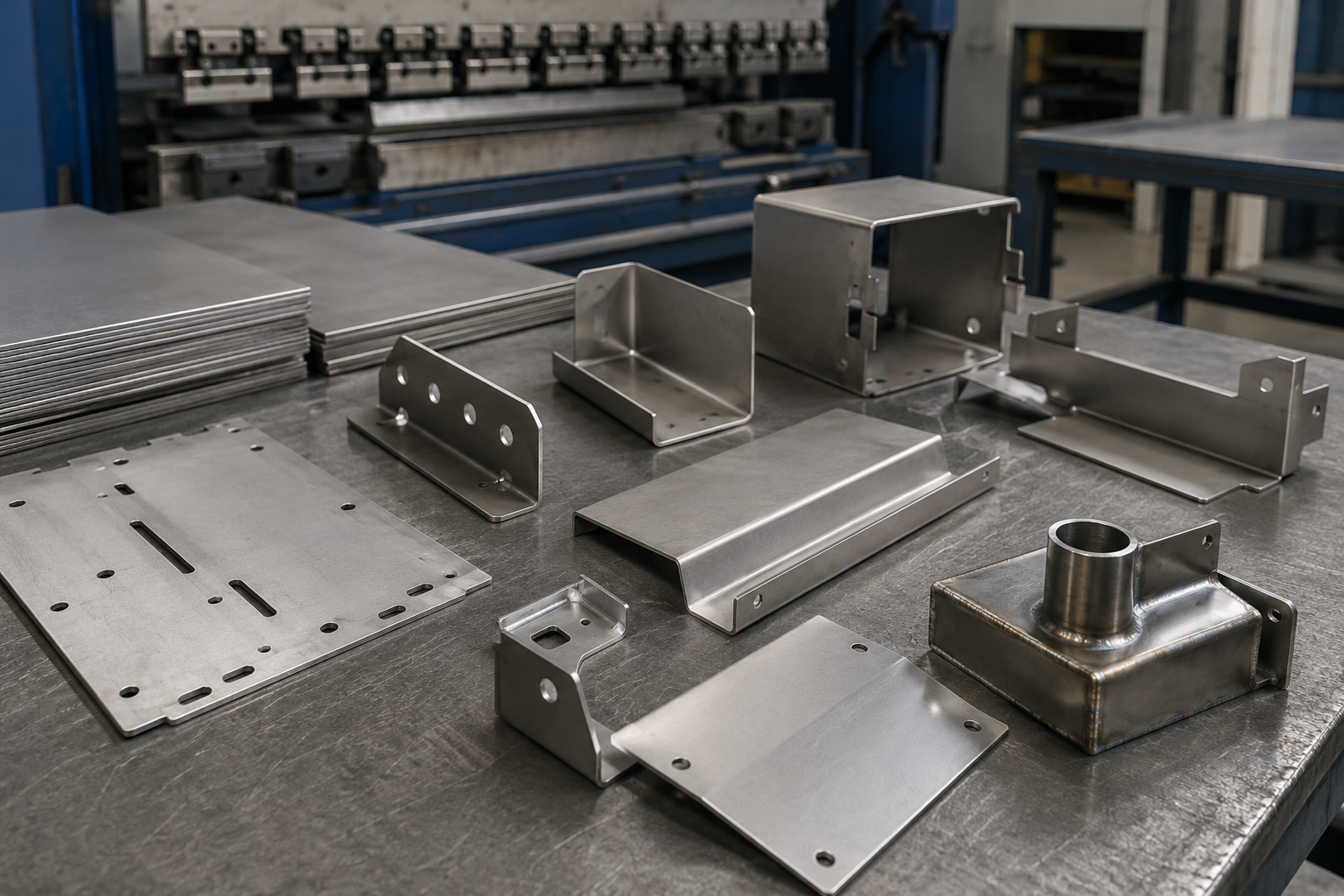
Φύλλα ανοξείδωτου χάλυβα για κάμψη
Η κάμψη είναι ένα βασικό βήμα στην κατασκευή φύλλων μετάλλου. Ο ανοξείδωτος χάλυβας έχει καλή αντοχή, αλλά παρουσιάζει επίσης φαινόμενο ελαστικής ανάκαμψης (springback). Αυτό σημαίνει ότι το υλικό τείνει να επανέρχεται ελαφρώς στην αρχική του θέση μετά την κάμψη.
Σημαντικοί παράγοντες κάμψης περιλαμβάνουν:
- Βαθμός
- Πάχος
- Ακτίνα καμπύλωσης
- Κατεύθυνση κόκκωσης
- Εργαλεία
- Φινίρισμα επιφάνειας
- Επιθυμητή γωνία
Ένας μικρός ακτίνα κάμψης μπορεί να προκαλέσει ρωγμές, ιδιαίτερα σε παχύτερα ή σκληρότερα υλικά. Οι κατασκευαστές πρέπει να χρησιμοποιούν κατάλληλη εσωτερική ακτίνα, βάσει του πάχους και του βαθμού του υλικού.
Για ορατά εξαρτήματα, είναι επίσης σημαντική η προστασία της επιφάνειας. Τα φύλλα ανοξείδωτου χάλυβα με επεξεργασία «brushed» ή «polished» μπορούν να γρατζουνιστούν κατά τη διάρκεια της κάμψης, εάν η επιφάνεια του εργαλείου δεν είναι καθαρή.
Φύλλο ανοξείδωτου χάλυβα για συγκόλληση
Το φύλλο ανοξείδωτου χάλυβα συγκολλάται συχνά για την κατασκευή δεξαμενών, πλαισίων, ντουλάπων, εξοπλισμού για την επεξεργασία τροφίμων και εξαρτημάτων μηχανημάτων. Η μέθοδος συγκόλλησης και η βαθμίδα επηρεάζουν και οι δύο την τελική ποιότητα.
Κοινές μέθοδοι συγκόλλησης
- Συγκόλληση TIG
- Συγκόλληση MIG
- Συνδεσιμότητα σε Πτώση
- Συνδεσιμό με λέιζερ
Βασικά σημεία συγκόλλησης
- Χρησιμοποιήστε κατάλληλο υλικό γέφυρας
- Ελέγξτε την εισερχόμενη θερμότητα
- Αποφύγετε την υπερθέρμανση λεπτών φύλλων
- Καθαρίστε την επιφάνεια πριν από τη συγκόλληση
- Προλάβετε τη μόλυνση από άνθρακα χάλυβα
οι ανοξείδωτοι χάλυβες 304 και 316 συγκολλώνται συχνά στην κατασκευή. Μπορούν να επιλεγούν εκδόσεις χαμηλού περιεχομένου άνθρακα, όπως οι 304L και 316L, όταν οι συγκολλημένες κατασκευές απαιτούν καλύτερη αντίσταση στην καρβιδική κατακρήμνιση σε ορισμένες συνθήκες λειτουργίας.
Η κακή πρακτική συγκόλλησης μπορεί να μειώσει την αντίσταση στη διάβρωση. Το χρωματικό φαινόμενο λόγω θέρμανσης, οι ανώμαλες συγκολλήσεις και η μόλυνση μπορούν να δημιουργήσουν αδύναμα σημεία όπου αρχίζει η διάβρωση.
Τελική επεξεργασία επιφάνειας και προστασία κατά την κατασκευή
Η τελική επεξεργασία επιφάνειας δεν αφορά μόνο την εμφάνιση. Μπορεί επίσης να επηρεάζει τον καθαρισμό, την τριβή, τη συμπεριφορά έναντι διάβρωσης και την επεξεργασία.
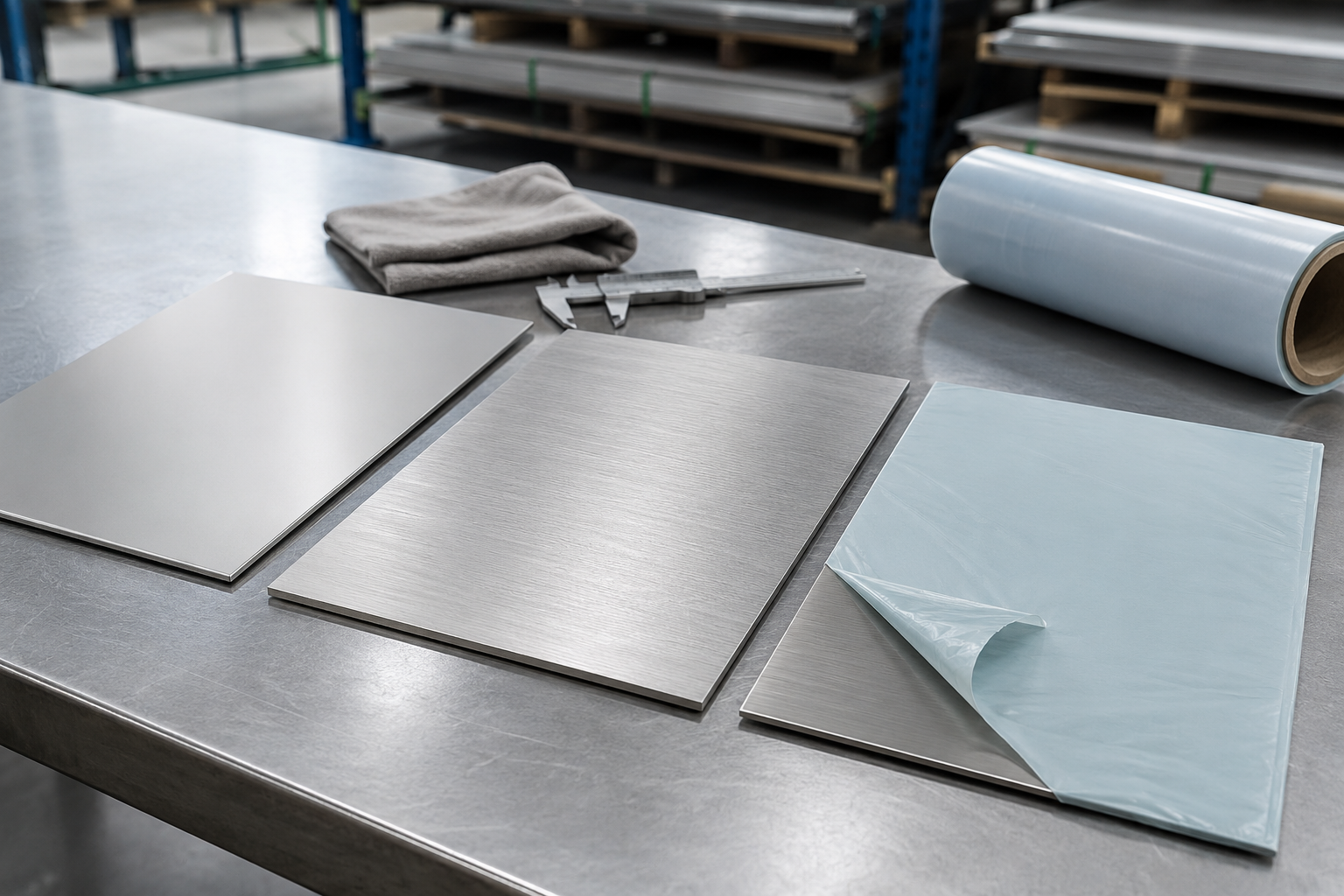
| Φινίρισμα | Εμφάνιση | Συνηθισμένες εφαρμογές κατασκευής |
|---|---|---|
| 2Β | Λεία, ελαφρώς ανακλαστική | Γενικός εξοπλισμός, δεξαμενές, μηχανήματα τροφίμων |
| BA | Λαμπερή και αντανακλαστική | Διακοσμητικά εξαρτήματα, οικιακές συσκευές, ορατές πλάκες |
| Νο.4 | Σκίαση ολισθηρής επιφάνειας | Εξοπλισμός κουζίνας, πλάκες ανελκυστήρων, τοιχοπλακέτες |
| HL | Μακρύς γραμμικός σχεδιασμός (hairline) | Αρχιτεκτονική, εσωτερική διακόσμηση, ορατές πλάκες |
| Νο.1 | Επιφάνεια ζεστού ελάσματος με ξύδινη επεξεργασία | Βαριά κατασκευή, παχύτερο υλικό, βιομηχανικές δεξαμενές |
Για περισσότερες λεπτομέρειες επεξεργασίας, οι αγοραστές μπορούν να ελέγξουν το σχετικό οδηγό φινίρισμα επιφάνειας από ανοξείδωτο χάλυβα πριν επιβεβαιώσουν ορατά ή διακοσμητικά εξαρτήματα.
Πώς επηρεάζουν η ελάχιστη ποσότητα παραγγελίας (MOQ) και η συσκευασία τις παραγγελίες φύλλων ανοξείδωτου χάλυβα
Η ελάχιστη ποσότητα παραγγελίας (MOQ) εξαρτάται από την ποιότητα, το πάχος, το μέγεθος, την επεξεργασία επιφάνειας και τη διαθεσιμότητα αποθέματος. Για είδη που υπάρχουν σε απόθεμα ενδέχεται να επιτρέπονται μικρότερες ποσότητες. Προσαρμοστικό πάχος, ειδική επεξεργασία επιφάνειας, ασυνήθιστη ποιότητα ή στενά επιτρεπόμενα όρια μπορεί να απαιτούν μεγαλύτερη MOQ.
Παράγοντες MOQ
- Διαθέσιμο μέγεθος αποθέματος
- Απαίτηση προσαρμοστικού κοπτικού
- MOQ για επεξεργασία επιφάνειας
- Ειδική ποιότητα ή πάχος
- Χρόνος παράδοσης και πρόγραμμα παραγωγής
Λεπτομέρειες εξαγωγικής συσκευασίας
- Υδροφοβικό χαρτί
- Ξύλινα παλετάδες
- Προστασία ακμών
- Στερέωση λωρίδας από χάλυβα
- Προστασία από τη ρύπανση
- Ξεκάθαρες ετικέτες προϊόντων
Έλεγχος αγοράς φύλλων ανοξείδωτου χάλυβα για κατασκευή
Πριν παραγγείλετε φύλλα ανοξείδωτου χάλυβα, ετοιμάστε μια σαφή προδιαγραφή. Μια πλήρης ερώτηση βοηθά τους προμηθευτές να προσφέρουν πιο ακριβείς τιμές και να μειώσουν την ανταλλαγή επαναλαμβανόμενων ερωτήσεων και απαντήσεων.
Μια σαφής ερώτηση για κατασκευή πρέπει να περιλαμβάνει ποιότητα, πάχος, διαστάσεις, επεξεργασία επιφάνειας, μέθοδο επεξεργασίας και απαιτήσεις συσκευασίας.Έλεγχος αγοράς
φύλλο ανοξείδωτου χάλυβα 304, πάχος 1,5 mm, διαστάσεις 1219 × 2438 mm, επιφάνεια 2B, με φιλμ PVC, κατά ASTM A240, για καλύμματα μηχανημάτων λέιζερ κοπής και κάμψης, 3 τόνοι, απαιτείται συσκευασία για εξαγωγή.
Συνηθισμένα λάθη κατά την αγορά φύλλων ανοξείδωτου χάλυβα για κατασκευή
Επιλογή βαθμού μόνο με βάση την τιμή
Ένας φθηνότερος βαθμός ενδέχεται να μην προσφέρει ικανοποιητική απόδοση σε υγρές, θαλάσσιες, τροφιμικές ή χημικές εφαρμογές.
Αγνόηση της ακτίνας κάμψης
Μια πολύ μικρή ακτίνα κάμψης μπορεί να προκαλέσει ρωγμές ή κακή εμφάνιση, ιδιαίτερα σε παχύτερα φύλλα.
Παράβλεψη της ελαστικής επαναφοράς (springback)
Ο ανοξείδωτος χάλυβας παρουσιάζει ελαστική ανάκαμψη (springback) κατά την κάμψη, επομένως η διαμόρφωση των εργαλείων και η σχεδίαση της γωνίας πρέπει να λαμβάνουν υπόψη την εν λόγω φαινόμενο.
Χρήση ακατάλληλης επιφανειακής επεξεργασίας
η επιφάνεια 2B ενδέχεται να είναι κατάλληλη για βιομηχανικά εξαρτήματα, ενώ ορατές επιφάνειες μπορεί να απαιτούν επεξεργασία No.4, HL, BA ή καθρέφτη.
Μη προστασία της επιφάνειας
Οι γρατζουνιές κατά την κοπή, την κάμψη, τη συσκευασία ή τη μεταφορά μπορούν να προκαλέσουν επανεργασία ή απόρριψη.
Ελλείπουσες απαιτήσεις συγκόλλησης
Εάν απαιτείται συγκόλληση, οι αγοραστές θα πρέπει να επιβεβαιώσουν την ποιότητα, το υλικό γεμίσματος, τον καθαρισμό των συγκολλήσεων και τις ανάγκες για χαμηλό-άνθρακα ποιότητα.
Εάν το έργο απαιτεί επίσης αντίστοιχους σωλήνες ή μακρύτερα προϊόντα, οι αγοραστές μπορούν να συγκρίνουν τις προδιαγραφές με σωλήνας από ανοξείδωτο χάλυβα και μπάρα από ανοξείδωτο χάλυβα για ένα πιο ολοκληρωμένο σχέδιο αγοράς υλικών.
Περίληψη
Το λαμαρίνα από ανοξείδωτο χάλυβα είναι ένα πρακτικό υλικό για βιομηχανική κατασκευή, αλλά η σωστή επιλογή είναι σημαντική. Η ποιότητα, το πάχος, η μέθοδος κοπής, η ακτίνα κάμψης, οι ανάγκες συγκόλλησης, η επιφανειακή επεξεργασία, η ελάχιστη ποσότητα παραγγελίας (MOQ) και η συσκευασία επηρεάζουν όλα το τελικό αποτέλεσμα.
Για γενική κατασκευή, η λαμαρίνα από ανοξείδωτο χάλυβα 304 χρησιμοποιείται ευρέως. Για θαλάσσιες, παράκτιες ή περιβάλλοντα πλούσια σε χλωρίδια, η ποιότητα 316 μπορεί να είναι πιο κατάλληλη. Για εσωτερικά διακοσμητικά εξαρτήματα, οι ποιότητες 430 ή 201 μπορούν να ληφθούν υπόψη όταν το περιβάλλον είναι ελεγχόμενο. Για απαιτητικές βιομηχανικές εφαρμογές, μπορεί να απαιτείται ανοξείδωτος χάλυβας διπλής φάσης (duplex).
Μια σαφής προδιαγραφή αγοράς πρέπει να περιλαμβάνει βαθμό, πάχος, διαστάσεις, επεξεργασία επιφάνειας, ποσότητα, πρότυπο, μέθοδο επεξεργασίας, εφαρμογή, προστασία επιφάνειας και απαιτήσεις συσκευασίας. Αυτό βοηθά στη μείωση των προβλημάτων παραγωγής και επιταχύνει την παρασκευή προσφορών.
Χρειάζεστε λαμαρίνα ανοξείδωτου χάλυβα για κατασκευή;
Η εταιρεία Voyage Metal προμηθεύει λαμαρίνα ανοξείδωτου χάλυβα για κατασκευή, μηχανήματα, κατασκευές, διακόσμηση και αγορές βασισμένες σε συγκεκριμένα έργα. Οι αγοραστές μπορούν να αποστέλλουν λεπτομέρειες για βαθμό, πάχος, διαστάσεις, επεξεργασία επιφάνειας, ποσότητα και εφαρμογή, προκειμένου να λάβουν προσφορά και υποστήριξη στην επιλογή του κατάλληλου υλικού.
Χρήσιμες λεπτομέρειες που πρέπει να συμπεριληφθούν σε ένα ερώτημα:
- Βαθμός, όπως 304, 316, 304L, 316L, 430, 201 ή 2205
- Πάχος, διαστάσεις λαμαρίνας και απαιτήσεις ανοχής
- Ανάγκες για κοπή, κάμψη, συγκόλληση ή επεξεργασία επιφάνειας
- Ποσότητα, πρότυπο, λιμάνι προορισμού και απαιτήσεις συσκευασίας
- Αίτηση και απαιτούμενος χρόνος παράδοσης
Δείτε σχετικά προϊόντα: Φύλλα και πλάκες ανθρακωτού χάλκα
Συχνές Ερωτήσεις
Για τι χρησιμοποιείται η λαμαρίνα ανοξείδωτου χάλυβα;
Το λαμαρίνα από ανοξείδωτο χάλυβα χρησιμοποιείται για καλύμματα μηχανών, περιβλήματα, ντουλάπια, εξοπλισμό κουζίνας, μηχανήματα επεξεργασίας τροφίμων, δεξαμενές, βάσεις στήριξης, διακοσμητικές πλάκες, εξαρτήματα θέρμανσης, ψύξης και κλιματισμού (HVAC), αυτοκινητοβιομηχανικά εξαρτήματα και πολλά άλλα κατασκευασμένα εξαρτήματα.
Πώς επιλέγουν οι αγοραστές την ποιότητα (βαθμίδα) λαμαρίνας από ανοξείδωτο χάλυβα;
Οι αγοραστές θα πρέπει να επιλέγουν τη βαθμίδα με βάση το περιβάλλον διάβρωσης, τη μέθοδο κατασκευής, τις απαιτήσεις συγκόλλησης, την εμφάνιση της επιφάνειας, τον στόχο κόστους και το απαιτούμενο πρότυπο. Η βαθμίδα 304 είναι κοινή για γενική χρήση, ενώ η 316 είναι καλύτερη για περιβάλλοντα πλούσια σε χλωρίδια.
Ποιο πάχος είναι συνηθισμένο για την κατασκευή λαμαρίνας από ανοξείδωτο χάλυβα;
Τα συνηθισμένα πάχη κατασκευής περιλαμβάνουν 1,0 mm, 1,5 mm, 2,0 mm και 3,0 mm. Οι λεπτές λαμαρίνες χρησιμοποιούνται για ελαφριές πλάκες και καλύμματα. Οι παχύτερες λαμαρίνες χρησιμοποιούνται για πιο ανθεκτικά εξαρτήματα, δεξαμενές και βιομηχανικά εξαρτήματα.
Γιατί ραγίζει η λαμαρίνα από ανοξείδωτο χάλυβα κατά τη διαδικασία κάμψης;
Η ραγδαία ρηγμάτωση μπορεί να συμβεί όταν η ακτίνα κάμψης είναι πολύ μικρή, το υλικό πολύ παχύ ή σκληρό, η κατεύθυνση κάμψης ακατάλληλη ή τα εργαλεία δεν είναι κατάλληλα. Η δοκιμαστική κάμψη είναι χρήσιμη για απαιτητικά εξαρτήματα.
Πώς επηρεάζει η συγκόλληση τα λαμαρινωτά ανοξείδωτα χάλυβα;
Η συγκόλληση μπορεί να επηρεάσει την εμφάνιση και την αντοχή στη διάβρωση, εάν δεν ελέγχεται η εισαγόμενη θερμότητα, το υλικό συγκόλλησης, ο καθαρισμός ή η μετα-συγκολλητική επεξεργασία. Για ορισμένες συγκολλητές εφαρμογές, ενδέχεται να επιλέγονται οι βαθμοί 304L ή 316L.
Ποια επιφάνεια είναι κατάλληλη για κατασκευασμένα εξαρτήματα ανοξείδωτου χάλυβα;
η επιφάνεια 2B είναι συνηθισμένη για γενικά κατασκευασμένα εξαρτήματα. Οι επιφάνειες No.4 και HL χρησιμοποιούνται για ορατές πλάκες. Οι επιφάνειες BA και καθρέφτη χρησιμοποιούνται για λαμπερά διακοσμητικά εξαρτήματα. Η επιφάνεια No.1 είναι πιο συνηθισμένη για βιομηχανικά υλικά ζεστής κύλισης.
Πώς πρέπει να συσκευαστούν τα λαμαρινωτά ανοξείδωτα χάλυβα για εξαγωγή;
Η εξαγωγική συσκευασία περιλαμβάνει συχνά υδροαπωθητικό χαρτί, ξύλινες παλέτες, προστασία ακρών, στερέωση με χαλύβδινες ταινίες, προστασία από υγρασία και ευκρινή ετικέτες. Οι διακοσμητικές πλάκες μπορεί επίσης να απαιτούν προστατευτικό φιλμ PVC ή χαρτί διαχωρισμού.