Comprehensive Guide to Stainless Steel Coil Pricing: Market Analysis and Buying Strategies

Get a Free Quote

Our representative will contact you soon.
Email
Name
Company Name
Message
0/1000

stainless steel coil price

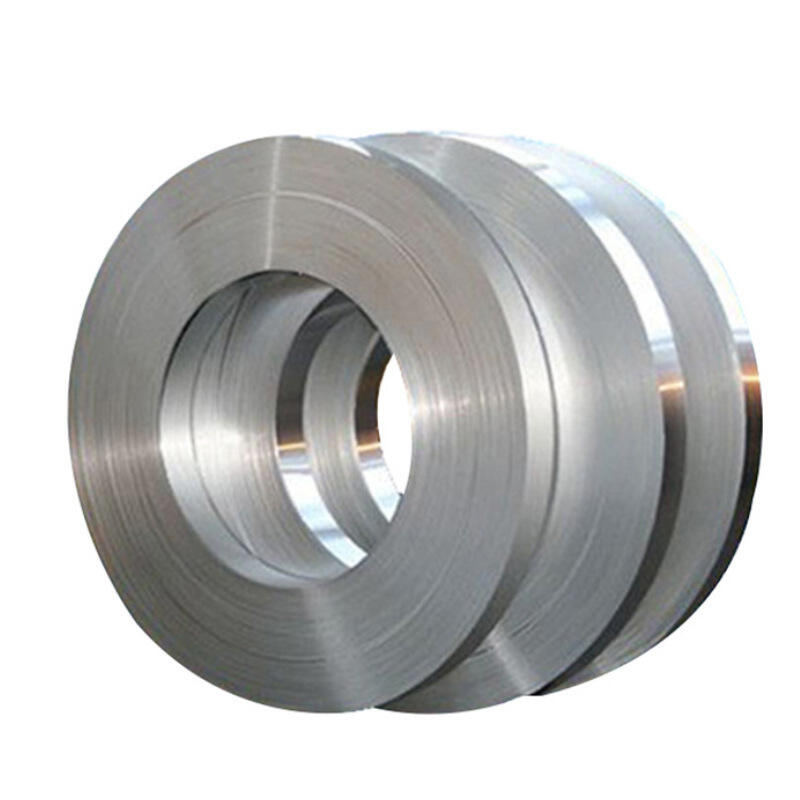
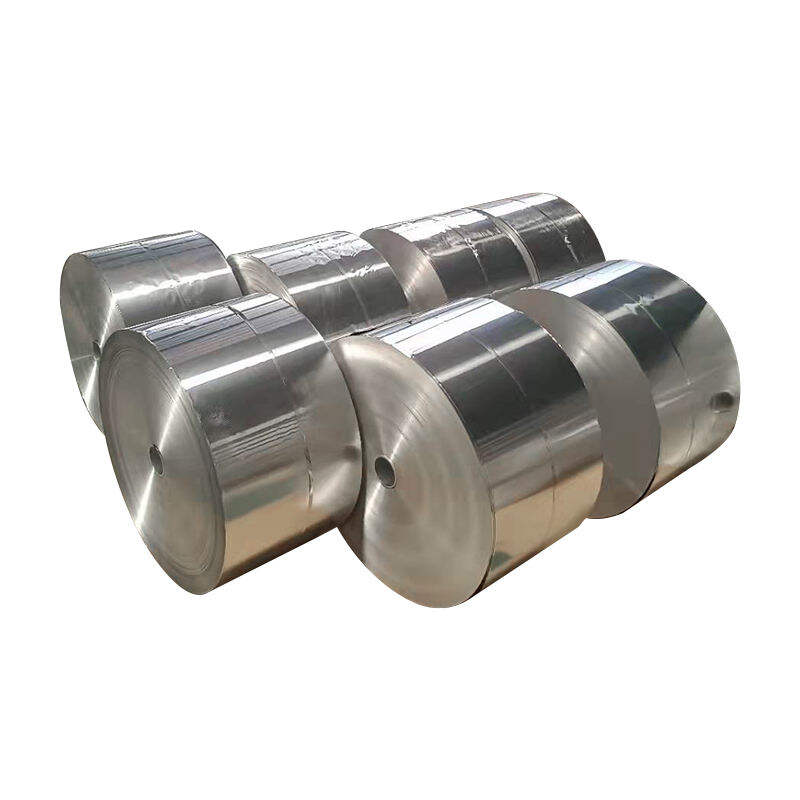
The stainless steel coil price represents a crucial market indicator in the metal industry, reflecting various factors including raw material costs, manufacturing processes, and market demand. Current pricing structures are influenced by grade specifications, thickness variations, and surface finish requirements. The 300 series, particularly type 304 and 316, maintains the highest market share due to its superior corrosion resistance and durability. Price fluctuations are closely tied to nickel and chromium markets, essential elements in stainless steel production. Manufacturers and distributors typically offer pricing tiers based on volume purchases, with standard coil widths ranging from 1000mm to 1500mm. The market demonstrates sensitivity to global economic conditions, energy costs, and supply chain dynamics. Industrial buyers must consider factors such as material certification, edge condition, and surface treatment requirements when evaluating prices. The competitive nature of the stainless steel market ensures price transparency and opportunities for bulk purchase discounts.


Popular Products

Understanding stainless steel coil pricing offers numerous advantages for businesses and procurement specialists. First, it enables strategic purchasing decisions by allowing buyers to capitalize on market fluctuations and seasonal trends. Comprehensive price knowledge facilitates accurate project cost estimation and budget planning, ensuring competitive bidding in construction and manufacturing contracts. The pricing structure often includes volume-based discounts, promoting cost-effective bulk purchases and inventory management. Regular price monitoring helps identify optimal purchase timing, potentially resulting in significant cost savings. Additionally, understanding price variations across different grades and specifications ensures the selection of cost-appropriate materials for specific applications. The market's competitive nature encourages suppliers to offer value-added services, including custom cutting, specific edge treatments, and specialized packaging solutions. Price transparency allows for effective negotiation with suppliers and helps establish long-term supply partnerships. Modern pricing models often include factors such as material certification costs, surface finish requirements, and delivery terms, providing a complete cost picture for informed decision-making. This comprehensive understanding of pricing components enables businesses to optimize their procurement strategies and maintain competitive advantages in their respective markets.

Practical Tips

What Are the Key Benefits of Stainless Steel Tubes in Heat Exchangers

29

Sep

What Are the Key Benefits of Stainless Steel Tubes in Heat Exchangers

Understanding the Critical Role of Stainless Steel in Modern Heat Exchange Systems In the realm of industrial processes and energy systems, heat exchangers represent a cornerstone of efficient thermal management. At the heart of these sophisticated s...
View More
How to Maintain Aluminum Bars for Long-Lasting Durability

29

Sep

How to Maintain Aluminum Bars for Long-Lasting Durability

Ensuring the longevity of aluminum bars Aluminum bars are widely used across multiple industries due to their lightweight, corrosion resistance, and strength. Proper maintenance of aluminum bars is essential to preserve their durability and performan...
View More
What Are the Key Benefits of Using Aluminum Bars in Construction

30

Sep

What Are the Key Benefits of Using Aluminum Bars in Construction

Aluminum Bars as a Versatile Solution in Modern Construction Aluminum bars have emerged as a crucial component in modern construction, offering a wide range of applications from structural frameworks to decorative elements. Their lightweight nature a...
View More
Why Aluminum Coils Are the Preferred Choice for Heat Exchange Systems

07

Nov

Why Aluminum Coils Are the Preferred Choice for Heat Exchange Systems

Heat exchange systems form the backbone of countless industrial applications, from HVAC units to automotive radiators and power plant cooling systems. The choice of materials for these critical components directly impacts performance, longevity, and ...
View More

Get a Free Quote

Our representative will contact you soon.
Email
Name
Company Name
Message
0/1000

stainless steel coil price

Market Dynamics and Price Stability

Market Dynamics and Price Stability

The stainless steel coil market exhibits dynamic pricing patterns influenced by global supply and demand factors. Price stability is maintained through careful balancing of production capacity with market requirements, ensuring predictable cost structures for long-term planning. Manufacturing efficiency improvements and technological advancements in production processes help stabilize prices despite raw material fluctuations. The market's maturity provides reliable pricing benchmarks, enabling accurate cost forecasting and risk management strategies. Regular market analysis and price tracking tools assist buyers in making informed purchasing decisions, optimizing inventory levels, and maintaining competitive cost structures.
Grade-Specific Pricing Variations

Grade-Specific Pricing Variations

Different stainless steel grades command varying price points based on their composition and performance characteristics. The 300 series, particularly types 304 and 316, typically commands premium pricing due to higher nickel content and superior corrosion resistance. Ferritic grades offer more stable pricing due to lower nickel content, making them attractive for cost-sensitive applications. Understanding grade-specific pricing enables optimal material selection based on application requirements and budget constraints. The price differential between grades reflects their unique properties, processing requirements, and market demand patterns.
Volume-Based Pricing Benefits

Volume-Based Pricing Benefits

Large-volume purchases of stainless steel coils typically qualify for significant price reductions, offering substantial cost savings for bulk buyers. Tiered pricing structures encourage efficient order consolidation and strategic inventory management. Manufacturers often provide additional value-added services at reduced rates for volume purchases, including custom cutting, specialized packaging, and priority delivery options. Understanding volume-based pricing thresholds helps organizations optimize their procurement strategies and maximize cost efficiency. Regular bulk purchases can lead to preferred customer status, potentially unlocking additional pricing benefits and service advantages.

Get a Free Quote

Our representative will contact you soon.
Email
Name
Company Name
Message
0/1000