
 EN
EN


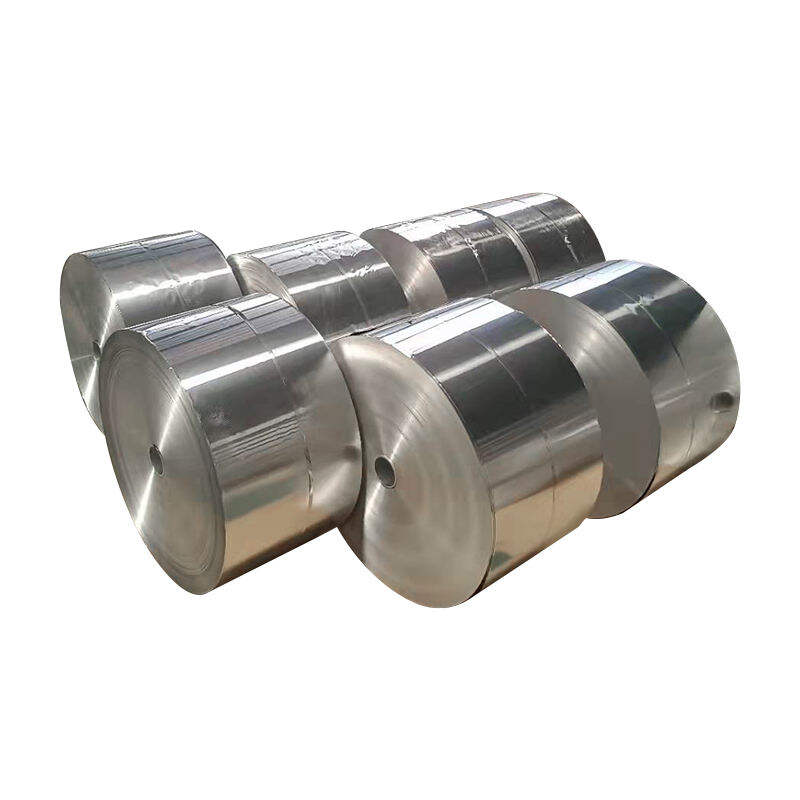
Heat exchange systems form the backbone of countless industrial applications, from HVAC units to automotive radiators and power plant cooling systems. The choice of materials for these critical components directly impacts performance, longevity, and operational costs. Among the various metals considered for heat exchanger construction, aluminum coils have emerged as the preferred solution for engineers and manufacturers worldwide. Their unique combination of thermal conductivity, corrosion resistance, and cost-effectiveness makes them an ideal choice for demanding heat transfer applications.
Superior Thermal Properties of Aluminum in Heat Exchange Applications
Exceptional Heat Transfer Capabilities
Aluminum possesses outstanding thermal conductivity properties that make it exceptionally well-suited for heat exchange applications. With a thermal conductivity rating of approximately 205 watts per meter-kelvin, aluminum facilitates rapid and efficient heat transfer between fluids or gases. This high conductivity ensures that heat exchangers constructed with aluminum coils can achieve optimal performance while maintaining compact designs. The material's ability to quickly absorb and dissipate thermal energy reduces the overall size requirements of heat exchange systems, leading to more space-efficient installations.
The molecular structure of aluminum allows for seamless heat conduction throughout the material, eliminating hot spots and ensuring uniform temperature distribution across the entire coil surface. This characteristic is particularly valuable in applications where consistent thermal performance is critical, such as precision cooling systems or temperature-sensitive industrial processes. Engineers can rely on aluminum coils to deliver predictable and stable heat transfer rates under varying operational conditions.
Low Thermal Mass Benefits
One of the most significant advantages of aluminum coils in heat exchange systems is their low thermal mass, which enables rapid thermal response times. Unlike heavier metals that store substantial amounts of thermal energy, aluminum quickly reaches thermal equilibrium with surrounding fluids or gases. This property is especially beneficial in applications requiring frequent temperature changes or precise thermal control. HVAC systems, for instance, benefit from aluminum coils' ability to respond quickly to thermostat adjustments, improving energy efficiency and occupant comfort.
The low thermal mass also contributes to reduced energy consumption during system startup and shutdown cycles. Heat exchangers equipped with aluminum coils require less energy to reach operating temperatures, resulting in lower operational costs and improved system efficiency. This characteristic makes aluminum coils particularly attractive for applications with intermittent operation patterns or frequent cycling requirements.
Corrosion Resistance and Durability Advantages
Natural Oxide Layer Protection
Aluminum naturally forms a protective oxide layer when exposed to atmospheric conditions, providing inherent corrosion resistance that extends the operational lifespan of heat exchange systems. This passive protection mechanism prevents degradation from moisture, chemicals, and environmental contaminants commonly encountered in industrial settings. The oxide layer is self-healing, meaning that minor surface damage automatically repairs itself through oxidation, maintaining the protective barrier throughout the coil's service life.
The corrosion resistance of aluminum coils is particularly valuable in marine environments, chemical processing facilities, and other aggressive operating conditions where traditional materials might fail prematurely. This durability translates to reduced maintenance requirements, lower replacement costs, and improved system reliability. Facility managers can expect aluminum coils to maintain their performance characteristics for extended periods without significant degradation.
Chemical Compatibility
Modern aluminum alloys used in coil manufacturing are specifically formulated to resist a wide range of chemicals and operating fluids commonly found in heat exchange applications. These specialized alloys maintain their structural integrity when exposed to refrigerants, heat transfer fluids, and various industrial chemicals. The chemical compatibility of aluminum coils reduces the risk of galvanic corrosion and material degradation, ensuring consistent performance throughout the system's operational life.
The compatibility extends to different pH levels and ionic concentrations, making aluminum coils suitable for diverse applications including water treatment systems, chemical processing equipment, and specialized industrial cooling systems. This versatility allows engineers to specify aluminum coils with confidence across multiple industries and applications.
Manufacturing and Design Flexibility
Formability and Fabrication Advantages
Aluminum's excellent formability allows manufacturers to create complex coil geometries and configurations that optimize heat transfer performance while accommodating space constraints. The material can be easily shaped, bent, and formed into intricate designs without compromising structural integrity or thermal properties. This flexibility enables the production of custom coil configurations tailored to specific application requirements, including serpentine patterns, spiral designs, and multi-pass arrangements.
Advanced manufacturing techniques such as roll forming, hydroforming, and precision machining can be readily applied to aluminum, enabling the production of high-quality coils with tight dimensional tolerances. The material's workability reduces manufacturing complexity and costs while allowing for innovative design solutions that maximize heat transfer efficiency within given spatial constraints.
Surface Enhancement Options
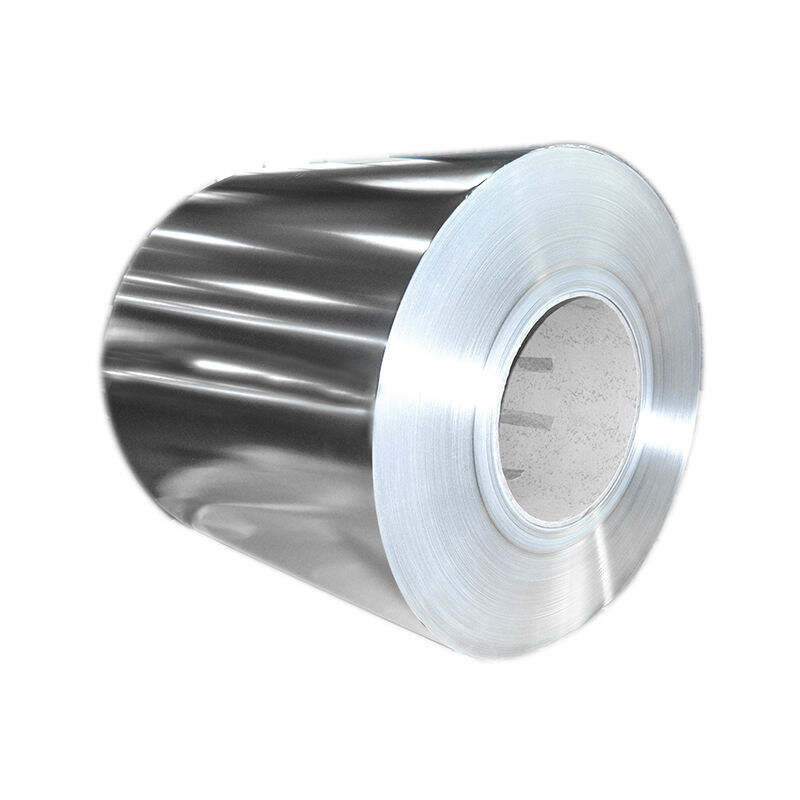
Aluminum coils can be enhanced with various surface treatments and finishes to further improve their heat transfer capabilities and environmental resistance. Techniques such as fin optimization, surface texturing, and specialized coatings can significantly increase the effective heat transfer area while maintaining compact dimensions. These enhancements allow engineers to achieve higher performance levels without increasing system size or complexity.
Micro-fin technology and other advanced surface treatments can increase heat transfer coefficients by up to thirty percent compared to smooth surfaces, making aluminum coils even more attractive for high-performance applications. The ability to customize surface characteristics provides additional optimization opportunities for specific operating conditions and performance requirements.
Economic and Environmental Benefits
Cost-Effectiveness Analysis
The economic advantages of aluminum coils extend beyond initial material costs to encompass reduced installation, maintenance, and operational expenses throughout the system lifecycle. Aluminum's lightweight nature reduces structural support requirements and simplifies installation procedures, lowering overall project costs. The material's durability and corrosion resistance minimize maintenance interventions and extend replacement intervals, providing substantial long-term cost savings.
Energy efficiency improvements achieved through aluminum coils' superior thermal properties translate to reduced operational costs over the system's lifespan. Lower pumping power requirements, improved heat transfer efficiency, and reduced cycling losses contribute to significant energy savings that often exceed the initial material investment within the first few years of operation.
Sustainability and Recyclability
Aluminum's exceptional recyclability aligns with modern sustainability initiatives and environmental regulations, making aluminum coils an environmentally responsible choice for heat exchange systems. The material can be recycled indefinitely without degradation of its fundamental properties, reducing waste generation and supporting circular economy principles. This characteristic is increasingly important as organizations seek to minimize their environmental footprint and comply with green building standards.
The energy required to recycle aluminum is significantly lower than primary production, resulting in substantial energy savings and reduced carbon emissions over the material's lifecycle. This environmental benefit, combined with aluminum coils' energy efficiency improvements during operation, creates a compelling case for their selection in environmentally conscious applications.
Performance Optimization Strategies
Design Considerations for Maximum Efficiency
Optimizing aluminum coil performance requires careful consideration of factors including coil geometry, fluid flow patterns, and thermal load characteristics. Engineers must balance heat transfer enhancement with pressure drop limitations to achieve optimal system efficiency. Proper coil sizing and configuration ensure that aluminum's thermal properties are fully utilized while maintaining acceptable operating pressures and flow rates.
Advanced computational fluid dynamics modeling and heat transfer analysis enable precise optimization of aluminum coil designs for specific applications. These tools help engineers identify optimal fin spacing, tube arrangements, and flow configurations that maximize heat transfer while minimizing energy consumption and operational costs.
Integration with Modern Control Systems
The rapid thermal response characteristics of aluminum coils make them ideally suited for integration with advanced control systems and variable-speed drives. These systems can take advantage of aluminum's quick thermal response to implement precise temperature control strategies that improve overall system efficiency. Smart controls can optimize coil performance based on real-time conditions, further enhancing the energy savings potential of aluminum-based heat exchangers.
Predictive maintenance strategies can also benefit from aluminum coils' consistent performance characteristics and durability. Monitoring systems can accurately predict maintenance requirements and optimize service intervals based on the reliable performance patterns exhibited by aluminum coil systems throughout their operational life.
FAQ
How do aluminum coils compare to copper coils in terms of heat transfer performance?
While copper has higher thermal conductivity than aluminum, aluminum coils often provide superior overall heat transfer performance in practical applications due to their ability to accommodate larger surface areas and optimized geometries at comparable costs. The combination of good thermal properties, lower weight, and enhanced surface treatment options often makes aluminum coils more effective in real-world heat exchange systems.
What maintenance requirements are associated with aluminum coils in heat exchange systems?
Aluminum coils require minimal maintenance compared to other materials due to their corrosion resistance and durability. Regular cleaning to remove debris and periodic inspection for physical damage are typically sufficient. The self-healing oxide layer provides ongoing protection, reducing the need for protective coatings or frequent replacement of components.
Are aluminum coils suitable for high-pressure heat exchange applications?
Modern aluminum alloys used in coil manufacturing can handle substantial pressures when properly designed and manufactured. The material's strength-to-weight ratio and formability allow for the creation of robust coil structures capable of withstanding high-pressure applications while maintaining excellent heat transfer characteristics and long-term reliability.
How do environmental conditions affect aluminum coil performance and longevity?
Aluminum coils perform exceptionally well across diverse environmental conditions due to their natural corrosion resistance and thermal stability. The protective oxide layer provides resistance to moisture, temperature variations, and many chemical environments. In extremely corrosive conditions, specialized aluminum alloys or protective coatings can be specified to ensure optimal performance and extended service life.
Table of Contents
- Superior Thermal Properties of Aluminum in Heat Exchange Applications
- Corrosion Resistance and Durability Advantages
- Manufacturing and Design Flexibility
- Economic and Environmental Benefits
- Performance Optimization Strategies
-
FAQ
- How do aluminum coils compare to copper coils in terms of heat transfer performance?
- What maintenance requirements are associated with aluminum coils in heat exchange systems?
- Are aluminum coils suitable for high-pressure heat exchange applications?
- How do environmental conditions affect aluminum coil performance and longevity?