
 EN
EN


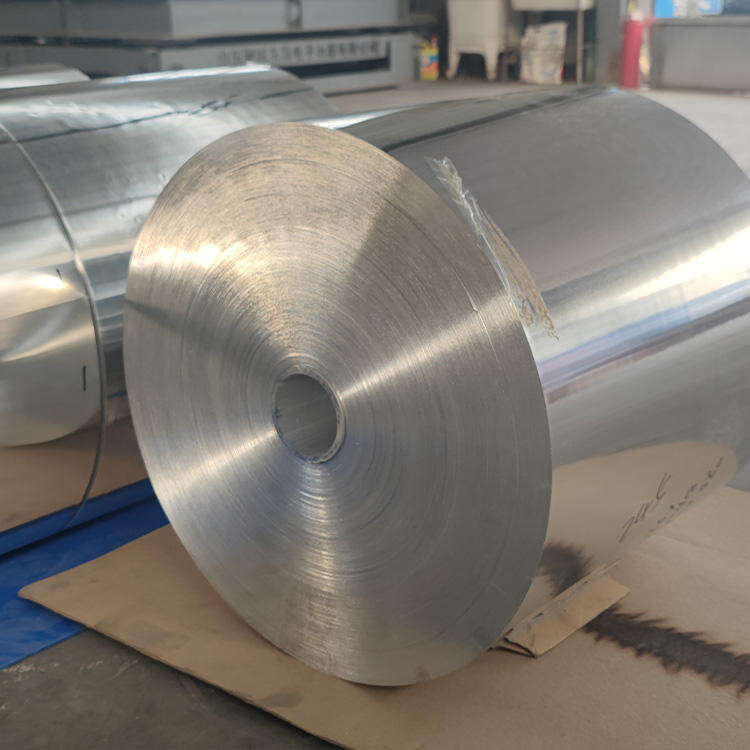
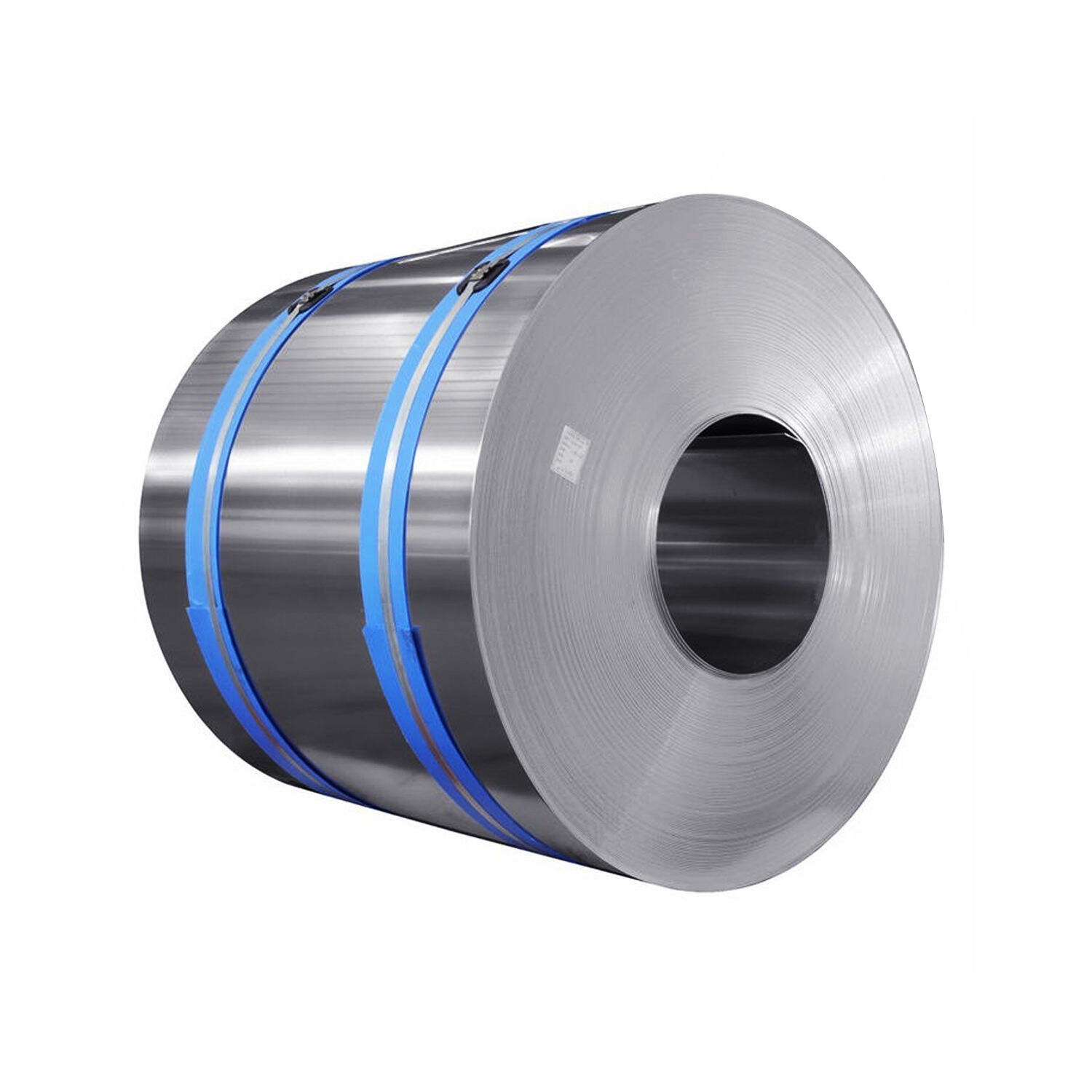
Aluminum coils represent one of the most versatile and widely utilized materials in modern manufacturing and construction industries. These lightweight yet durable metal sheets are formed into continuous coil configurations, making them exceptionally convenient for transportation, storage, and processing. The inherent properties of aluminum, combined with advanced coil manufacturing techniques, create a product that delivers outstanding performance across countless applications while maintaining cost-effectiveness and sustainability.
Fundamental Properties That Define Excellence
Exceptional Strength-to-Weight Characteristics
The remarkable strength-to-weight ratio of aluminum coils makes them indispensable in applications where structural integrity cannot be compromised while maintaining material efficiency. This characteristic stems from aluminum's crystalline structure, which provides substantial tensile strength despite being approximately one-third the weight of steel. Industries ranging from aerospace to automotive leverage this property to reduce overall product weight without sacrificing performance standards.
Manufacturing processes can further enhance these characteristics through various alloying techniques and heat treatments. The resulting aluminum coils demonstrate consistent mechanical properties throughout their length, ensuring reliable performance in demanding applications. This uniformity becomes particularly crucial in high-volume production environments where material consistency directly impacts product quality and manufacturing efficiency.
Superior Corrosion Resistance Performance
Natural corrosion resistance represents another defining advantage of aluminum coils, particularly in environments exposed to moisture, chemicals, or atmospheric pollutants. The spontaneous formation of a protective oxide layer on aluminum surfaces creates an inherent barrier against corrosive elements. This self-healing characteristic ensures long-term durability without requiring extensive protective coatings or maintenance procedures.
Various aluminum alloy compositions can be selected to optimize corrosion resistance for specific environmental conditions. Marine applications, chemical processing equipment, and outdoor architectural elements benefit significantly from this inherent protection. The longevity provided by corrosion-resistant aluminum coils translates directly into reduced lifecycle costs and improved return on investment for end users.
Manufacturing Advantages and Processing Flexibility
Streamlined Production Integration
Modern manufacturing operations increasingly rely on materials that integrate seamlessly with existing production workflows, and aluminum coils excel in this regard. Their continuous format eliminates frequent material handling interruptions, allowing for sustained production runs and improved operational efficiency. Automated feeding systems can process these coils with minimal operator intervention, reducing labor costs while maintaining consistent output quality.
The malleability of aluminum enables various forming operations, including stamping, rolling, and drawing processes. These aluminum coils can be precisely shaped into complex geometries while maintaining dimensional accuracy and surface finish quality. Such versatility allows manufacturers to consolidate multiple production steps, reducing overall manufacturing time and associated costs.
Customizable Specifications for Diverse Requirements
The ability to customize aluminum coil specifications according to specific application requirements represents a significant competitive advantage. Thickness variations, alloy compositions, temper conditions, and surface treatments can all be tailored to meet precise performance criteria. This customization capability enables optimal material utilization while ensuring that performance specifications are met or exceeded.
Surface treatment options further expand the versatility of aluminum coils, with possibilities including anodizing, powder coating, and various chemical treatments. These treatments can enhance specific properties such as wear resistance, electrical conductivity, or aesthetic appearance. The combination of base material properties with targeted surface modifications creates virtually unlimited application possibilities.
Industry Applications Across Multiple Sectors
Construction and Architectural Implementation
Construction industry applications represent one of the largest markets for aluminum coils, driven by their combination of structural performance, aesthetic versatility, and long-term durability. Roofing systems, wall cladding, and architectural trim components benefit from aluminum's weather resistance and design flexibility. The material's ability to be formed into complex profiles while maintaining structural integrity makes it ideal for modern architectural designs.
Energy efficiency considerations in modern construction further enhance the appeal of aluminum coils. Their reflective properties contribute to improved thermal performance in building envelopes, while their recyclability aligns with sustainable construction practices. These factors position aluminum coils as preferred materials for green building certifications and energy-efficient construction projects.
Transportation and Automotive Applications
The transportation sector increasingly relies on aluminum coils to achieve weight reduction goals while maintaining safety and performance standards. Automotive body panels, truck trailers, and marine vessel components utilize aluminum's favorable strength-to-weight ratio to improve fuel efficiency and payload capacity. The material's ability to absorb impact energy while maintaining structural integrity contributes significantly to vehicle safety systems.
Advanced manufacturing techniques enable the production of aluminum coils with precisely controlled properties for specific transportation applications. Heat treatment processes can optimize strength characteristics for structural components, while surface treatments can enhance corrosion resistance for harsh operating environments. This level of customization ensures optimal performance across diverse transportation applications.
Economic and Environmental Benefits
Cost-Effectiveness Throughout Product Lifecycle
The economic advantages of aluminum coils extend far beyond initial material costs, encompassing reduced processing expenses, lower maintenance requirements, and extended service life. Their lightweight nature reduces transportation costs and simplifies handling procedures, while their corrosion resistance minimizes ongoing maintenance expenses. These factors combine to deliver superior total cost of ownership compared to alternative materials.
Energy efficiency during processing represents another significant economic benefit. Aluminum's excellent thermal conductivity and relatively low melting point reduce energy requirements for forming and fabrication operations. Additionally, the recyclability of aluminum coils provides end-of-life value that further improves overall economic performance.
Sustainability and Environmental Responsibility
Environmental sustainability considerations increasingly influence material selection decisions, and aluminum coils offer compelling advantages in this regard. The high recyclability of aluminum enables closed-loop material flows, reducing demand for primary aluminum production and associated environmental impacts. Recycled aluminum requires only a fraction of the energy needed for primary production, significantly reducing carbon footprint.
The longevity of aluminum coils in service applications contributes to sustainability by reducing replacement frequency and associated material consumption. Their resistance to degradation ensures consistent performance over extended periods, maximizing the utility derived from each unit of material consumed. This durability characteristic aligns with circular economy principles and sustainable resource management practices.
FAQ
What thickness options are commonly available for aluminum coils
Aluminum coils are typically available in thickness ranges from 0.2mm to 6mm, with common specifications including 1mm, 2mm, and 3mm options. The specific thickness selection depends on application requirements, with thinner gauges used for decorative applications and thicker materials for structural components. Custom thickness specifications can often be accommodated for specialized applications requiring non-standard dimensions.
How do different aluminum alloy compositions affect coil performance
Various aluminum alloy compositions offer distinct performance characteristics suited to specific applications. Pure aluminum provides excellent corrosion resistance and formability, while aluminum-manganese alloys offer improved strength. Aluminum-magnesium alloys deliver enhanced corrosion resistance and weldability, making them ideal for marine applications. The selection of appropriate alloy composition should align with specific performance requirements and environmental conditions.
What surface treatment options enhance aluminum coil properties
Surface treatment options for aluminum coils include anodizing for enhanced corrosion resistance and wear properties, powder coating for color and additional protection, and chemical treatments for improved adhesion characteristics. Mill finish provides the natural aluminum surface, while brushed finishes offer aesthetic appeal for architectural applications. Each treatment option provides specific benefits that should be matched to application requirements.
How should aluminum coils be stored and handled to maintain quality
Proper storage of aluminum coils requires protection from moisture, direct sunlight, and chemical exposure to maintain surface quality and prevent contamination. Coils should be stored in dry, well-ventilated areas with adequate support to prevent deformation. Handling procedures should minimize surface contact and scratching, with appropriate lifting equipment used for larger coils. Protective packaging should remain in place until processing to ensure optimal surface condition.