
 EN
EN


Selecting the Right Aluminum Coil for Your Needs
When working on a construction, automotive, or manufacturing project, choosing the correct aluminum coil is a critical step. Aluminum coils offer a unique combination of lightweight properties, corrosion resistance, and flexibility that make them suitable for a wide range of applications. To achieve the best results, it is essential to understand the different types, thicknesses, finishes, and grades of aluminum coils. Whether you are involved in building facades, roofing, or industrial machinery, selecting the right aluminum coil ensures durability, efficiency, and cost-effectiveness.
Types of Aluminum Coils
Hot Rolled Aluminum Coil
Hot rolled aluminum coils are manufactured at high temperatures, which makes them malleable and easy to work with for large-scale industrial applications. These coils provide excellent surface consistency and are widely used in automotive components, construction materials, and machinery. The hot rolling process also allows for uniform thickness and high strength, making them suitable for structural projects.
Cold Rolled Aluminum Coil
Cold rolled aluminum coils are processed at room temperature, which results in a smoother surface and tighter tolerances. They are typically used in applications where appearance and precision are crucial, such as decorative panels, kitchen appliances, and electronic enclosures. Cold rolling enhances the strength and hardness of aluminum while maintaining flexibility for bending or forming.
Clad Aluminum Coil
Clad aluminum coils consist of layers of different metals bonded together to combine properties like corrosion resistance and mechanical strength. These coils are ideal for applications requiring both durability and aesthetic appeal. For example, they can be used in heat exchangers, roofing, or architectural panels where long-term performance is essential.
Aluminum Coil Thickness and Width
Understanding Coil Thickness
The thickness of an aluminum coil significantly affects its performance in various applications. Thicker coils are suitable for structural and load-bearing purposes, while thinner coils are ideal for wrapping, lining, or decorative finishes. Choosing the right thickness ensures that the aluminum coil meets strength requirements without unnecessarily increasing weight or cost.
Selecting the Proper Coil Width
Aluminum coils come in different widths to accommodate specific machinery or fabrication requirements. Wide coils are often used in large-scale construction and industrial manufacturing, while narrow coils are more practical for smaller projects or precise component production. Matching the coil width to your processing equipment helps minimize waste and improve efficiency.
Aluminum Coil Finishes
Mill Finish Aluminum Coil
Mill finish aluminum coils are delivered in their natural state after rolling, with no additional surface treatment. They are suitable for applications where surface appearance is not critical, such as internal components or industrial structures. Mill finish coils are cost-effective and can be further treated or painted depending on project requirements.
Painted and Coated Aluminum Coil
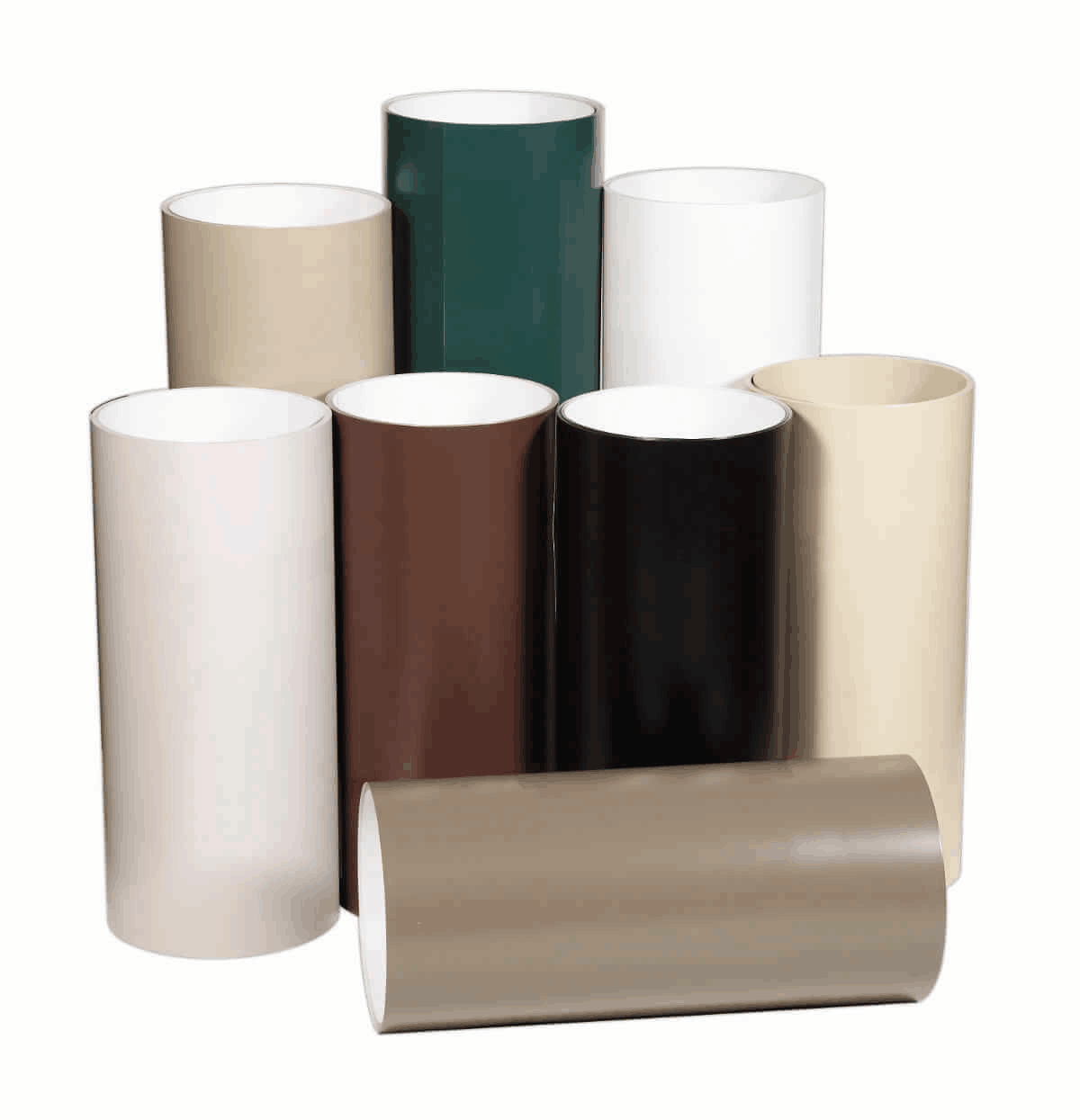
Aluminum coils can be coated with paints, polymers, or protective layers to enhance corrosion resistance and aesthetics. Painted or coated coils are widely used in building facades, roofing, and interior designs. The coating adds durability and provides opportunities for customization, allowing manufacturers to achieve specific colors, textures, or protective properties.
Anodized Aluminum Coil
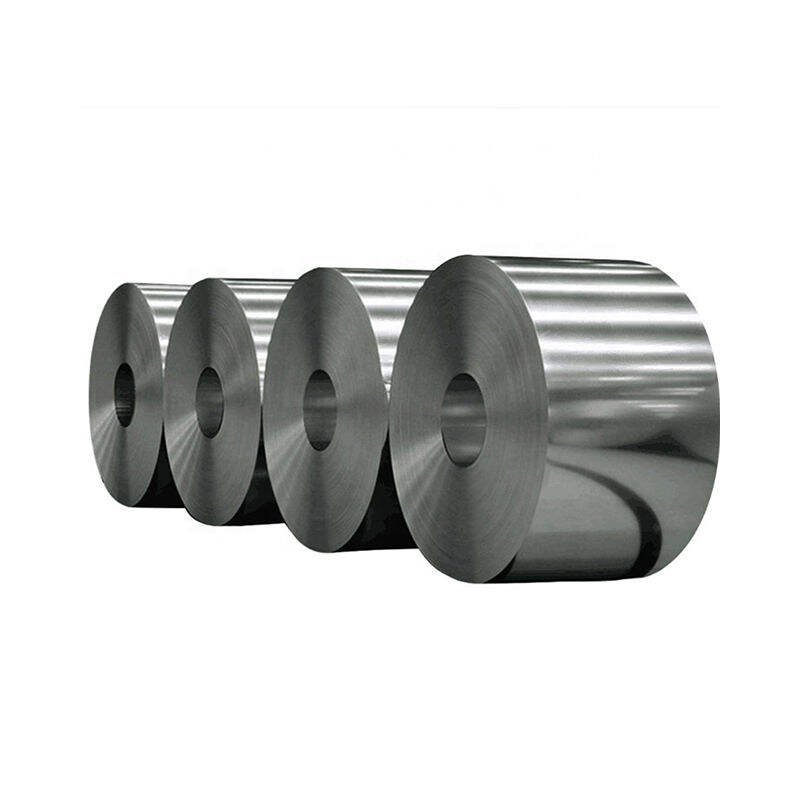
Anodized aluminum coils undergo an electrochemical process to create a durable oxide layer on the surface. This process improves corrosion resistance, hardness, and visual appeal. Anodized coils are ideal for architectural panels, electronics enclosures, and decorative applications where both performance and aesthetics are essential.
Aluminum Coil Grades
1XXX Series Aluminum Coil
The 1XXX series is composed of nearly pure aluminum, offering excellent corrosion resistance and thermal conductivity. These coils are soft, easy to work with, and commonly used in packaging, roofing, and chemical processing equipment. The high purity ensures that they remain durable in harsh environmental conditions.
3XXX Series Aluminum Coil
The 3XXX series contains manganese, which improves strength without significantly reducing corrosion resistance. These coils are commonly used in roofing, siding, and exterior building applications. The balance between strength and workability makes them ideal for construction projects requiring reliable performance over time.
5XXX Series Aluminum Coil
The 5XXX series incorporates magnesium for enhanced strength and corrosion resistance. These coils are frequently used in marine, automotive, and transportation industries. With superior durability, they withstand exposure to moisture and harsh environments, ensuring long-lasting performance.
Applications of Aluminum Coil
Construction Industry
Aluminum coils are widely used in construction for roofing, siding, curtain walls, and ceiling panels. Their lightweight nature reduces structural load, while corrosion resistance ensures long-term durability. Aluminum coils also allow for easy customization, making them suitable for modern architectural designs.
Automotive and Transportation
Aluminum coils play a significant role in automotive manufacturing, including body panels, engine components, and heat exchangers. Their combination of strength and lightweight properties improves fuel efficiency and performance. Additionally, aluminum's resistance to corrosion extends vehicle longevity, especially in harsh climates.
Industrial Manufacturing
In industrial applications, aluminum coils are used to produce machinery parts, electrical enclosures, and storage tanks. They provide reliability under high temperatures, chemical exposure, and mechanical stress. Aluminum's versatility allows manufacturers to meet strict industry standards while optimizing material usage.
Decorative and Packaging Applications
Aluminum coils are also employed in decorative products and packaging, including beverage cans, kitchen appliances, and furniture panels. Their malleability, surface finish options, and lightweight nature make them a preferred choice for both aesthetic appeal and functional performance.
Aluminum Coil Maintenance and Handling
Proper Storage Techniques
Storing aluminum coils properly is essential to maintain quality and prevent damage. Coils should be kept in dry, temperature-controlled environments to avoid oxidation and corrosion. Proper stacking, padding, and covering also help prevent scratches or deformation during storage.
Handling and Installation Practices
During handling and installation, aluminum coils must be carefully moved using appropriate lifting equipment to avoid bending or scratching. Installation surfaces should be clean and free of contaminants to ensure proper adhesion if coatings or paints are involved. Following best practices extends the lifespan of aluminum coils and maintains their aesthetic and structural properties.
Cleaning and Surface Care
Regular cleaning and surface maintenance improve the performance and appearance of aluminum coils. Use mild detergents and non-abrasive cloths to remove dust, dirt, and stains. Coated or anodized surfaces may require specialized care to avoid damaging protective layers while keeping the aluminum looking pristine.
FAQ
What is the difference between hot rolled and cold rolled aluminum coil
Hot rolled aluminum coil is processed at high temperatures, making it more malleable and suitable for structural applications, whereas cold rolled coil is processed at room temperature for smoother surfaces and tighter tolerances.
How do I choose the right thickness for aluminum coil
The selection of thickness depends on project requirements, load-bearing needs, and desired flexibility. Thicker coils are better for structural purposes, while thinner coils suit decorative or wrapping applications.
What are the common coatings for aluminum coil
Common coatings include paint, polymer layers, and anodized finishes. These coatings enhance corrosion resistance, aesthetics, and durability, depending on the intended application.
Can aluminum coils be used in outdoor applications
Yes, aluminum coils, especially anodized or coated types, are highly resistant to corrosion and UV exposure, making them suitable for outdoor construction, roofing, and transportation projects.