
 EN
EN


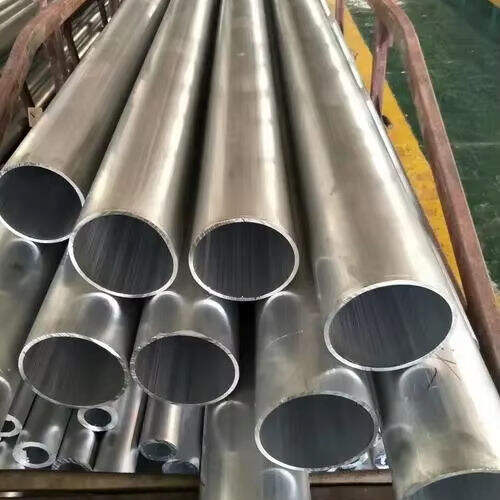
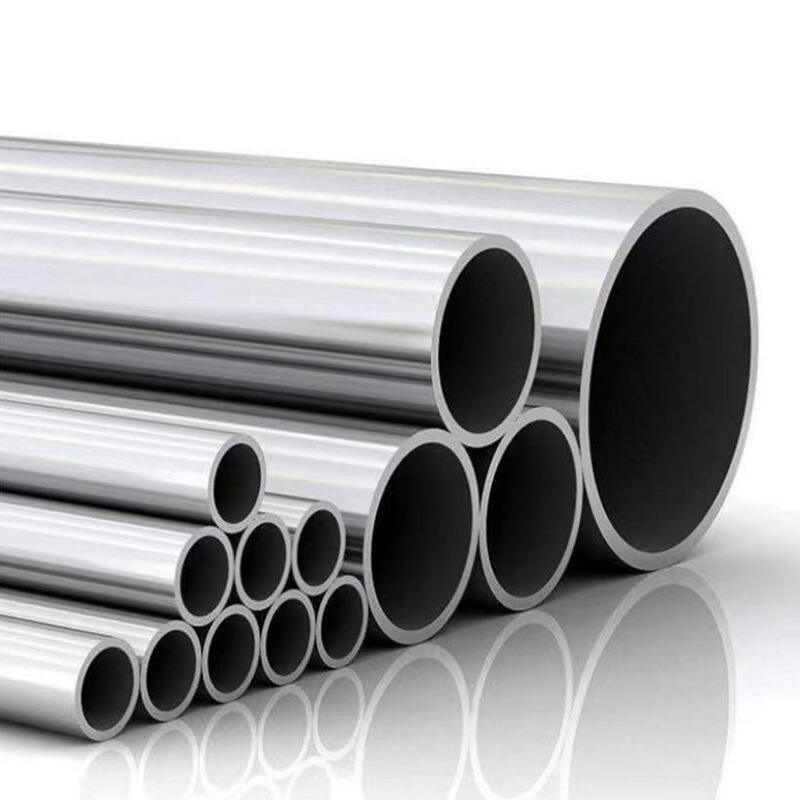
Installing aluminum pipes requires careful planning, proper techniques, and adherence to industry standards to ensure optimal performance and longevity. These lightweight yet durable piping systems have become increasingly popular across various industrial applications due to their excellent corrosion resistance, thermal conductivity, and cost-effectiveness. Whether you're working on HVAC systems, compressed air networks, or fluid transport applications, understanding the fundamental principles of aluminum pipe installation will help you achieve reliable and efficient results.
Pre-Installation Planning and Assessment
System Design and Layout Optimization
Effective installation begins with comprehensive system design that accounts for pressure requirements, flow rates, and environmental conditions. Engineers must evaluate the entire piping network to determine optimal routing paths that minimize pressure drops while maximizing accessibility for maintenance. The layout should incorporate adequate support spacing, expansion joints where necessary, and strategic placement of valves and fittings. Consider factors such as ambient temperature variations, potential vibration sources, and accessibility for future inspections when finalizing the design specifications.
Proper planning also involves coordinating with other building systems to avoid conflicts during installation. Review architectural drawings, electrical layouts, and HVAC plans to identify potential interference points. This proactive approach prevents costly modifications during the installation phase and ensures optimal system performance. Document all design decisions and create detailed installation drawings that field personnel can follow precisely.
Material Selection and Quality Verification
Selecting the appropriate aluminum alloy grade is crucial for long-term system reliability. Different applications require specific alloy compositions to withstand operating pressures, temperatures, and environmental conditions. Verify that all materials meet relevant industry standards such as ASTM or ASME specifications. Inspect incoming materials for surface defects, dimensional accuracy, and proper certification documentation before beginning installation work.
Quality verification extends beyond the pipe itself to include fittings, gaskets, supports, and joining materials. Ensure compatibility between different components to prevent galvanic corrosion or mechanical failures. Maintain proper material traceability throughout the project to facilitate future maintenance and warranty claims. Store materials in appropriate conditions to prevent contamination or damage prior to installation.
Cutting and Preparation Techniques
Precision Cutting Methods
Achieving clean, square cuts is essential for proper fitting assembly and system integrity. Use appropriate cutting tools designed specifically for aluminum, such as tube cutters, band saws with fine-tooth blades, or specialized pipe cutting equipment. Maintain consistent cutting speeds and feed rates to prevent material distortion or excessive heat buildup. After cutting, inspect each end for burrs, scratches, or dimensional irregularities that could compromise joint quality.
Proper cutting technique includes securing the pipe adequately to prevent vibration during the cutting process. Use cutting fluid when appropriate to improve surface finish and extend tool life. Measure twice and cut once to minimize material waste and ensure accurate fit-up. Mark cutting locations clearly using non-permanent markers that won't interfere with subsequent joining operations.
End Preparation and Finishing
Thorough end preparation is critical for achieving leak-free joints and optimal system performance. Remove all burrs, sharp edges, and cutting debris using appropriate deburring tools or files. Clean cut surfaces with suitable solvents to remove oils, dirt, and oxidation that could interfere with joining processes. Inspect prepared ends for roundness, straightness, and surface finish to ensure compliance with specification requirements.
Consider chamfering pipe ends when specified to facilitate easier assembly and reduce stress concentrations. Use consistent chamfer angles and depths across all connections to maintain uniformity. Protect prepared surfaces from contamination during storage and handling by using appropriate covers or caps. Document preparation procedures to ensure consistent quality throughout the installation process.
Support Systems and Anchoring
Support Spacing and Load Distribution
Proper support spacing is fundamental to preventing excessive deflection and maintaining system alignment over time. Calculate support intervals based on pipe diameter, wall thickness, operating pressure, and fluid properties. Aluminum's lower modulus of elasticity compared to steel requires closer support spacing to achieve similar deflection limits. Consider both static loads from the piping system weight and dynamic loads from pressure surges or thermal expansion.
Install supports using materials compatible with aluminum pipes to prevent galvanic corrosion. Use appropriate insulation or isolation pads between dissimilar metals. Ensure supports are adequately sized and anchored to handle anticipated loads with appropriate safety factors. Design support systems to accommodate thermal movement while maintaining proper pipe alignment and stress levels.
Expansion Joint Installation
Thermal expansion considerations are particularly important for aluminum piping systems due to the material's relatively high coefficient of expansion. Install expansion joints at strategic locations to accommodate thermal growth without overstressing the system. Select expansion joint types appropriate for the specific application, considering factors such as pressure rating, temperature range, and movement requirements.
Properly anchor expansion joints according to manufacturer specifications to ensure correct operation. Install guide supports as needed to control lateral movement and maintain proper alignment. Test expansion joint operation during system commissioning to verify proper function across the expected temperature range. Establish maintenance schedules for expansion joint inspection and replacement as required.
Joining Methods and Assembly
Mechanical Joining Techniques
Mechanical joining methods offer advantages in terms of installation speed, repairability, and inspection accessibility. Common techniques include flanged connections, compression fittings, and grooved coupling systems. Select joining methods appropriate for the operating conditions, pressure requirements, and accessibility constraints of the specific application. Ensure proper gasket selection and installation to achieve reliable sealing performance.
Follow manufacturer torque specifications precisely when assembling mechanical joints to prevent over-tightening or under-tightening. Use calibrated torque wrenches and document tightening sequences for quality control purposes. Inspect joint assembly for proper alignment, gasket positioning, and surface cleanliness before final tightening. Consider using thread sealants or lubricants as specified to improve sealing performance and prevent galling.
Welded Connection Procedures
When welding is required, use appropriate procedures qualified for aluminum materials and specific application requirements. Gas tungsten arc welding (GTAW) is commonly preferred for its precision and clean results. Ensure welders are properly certified and experienced with aluminum welding techniques. Maintain proper shielding gas coverage and control heat input to prevent distortion or metallurgical issues.
Prepare joint surfaces thoroughly by removing oxides, oils, and contaminants that could cause weld defects. Use backing gas when appropriate to prevent oxidation on the root side of the weld. Control interpass temperatures to maintain proper cooling rates and minimize distortion. Inspect completed welds using appropriate non-destructive testing methods as specified by applicable codes and standards.
Testing and Quality Assurance
Pressure Testing Procedures
Comprehensive pressure testing validates system integrity and identifies potential issues before commissioning. Develop test procedures that comply with applicable codes and project specifications. Use appropriate test pressures that adequately stress the system without causing damage to components. Fill systems gradually while monitoring for proper air elimination to prevent water hammer or pressure fluctuations.
Document test procedures, results, and any corrective actions taken during the testing process. Use calibrated pressure gauges and recording equipment to ensure accurate measurements. Hold test pressures for specified durations while monitoring for pressure drops that could indicate leakage. Inspect all joints, fittings, and connections during testing for signs of distress or leakage.
Inspection and Documentation
Thorough inspection throughout the installation process ensures quality and compliance with specifications. Document material certifications, installation procedures, test results, and any deviations from standard practices. Create comprehensive as-built drawings that accurately reflect the installed system configuration. Establish inspection hold points at critical stages to verify compliance before proceeding to subsequent operations.
Train inspection personnel on aluminum pipe characteristics and proper inspection techniques. Use appropriate inspection tools and methods for detecting surface defects, dimensional variations, and joint quality issues. Maintain detailed records that can support future maintenance activities and warranty claims. Implement quality control measures that prevent defective work from progressing to subsequent installation phases.
FAQ
What tools are essential for aluminum pipe installation
Essential tools include specialized aluminum cutting equipment such as tube cutters or fine-tooth band saws, deburring tools, calibrated torque wrenches for mechanical connections, and appropriate measuring instruments. For welded applications, qualified GTAW equipment with proper shielding gas systems is necessary. Additionally, support installation requires drilling equipment, anchoring hardware, and lifting devices appropriate for the pipe sizes being installed.
How do environmental conditions affect aluminum pipe installation
Environmental factors significantly impact installation success, particularly temperature variations that affect thermal expansion calculations and joint assembly procedures. Humidity levels influence welding conditions and material surface preparation requirements. Corrosive environments require special consideration for support materials and protective coatings. Wind conditions can affect handling and positioning of large pipe sections during installation.
What are common mistakes to avoid during aluminum pipe installation
Common installation mistakes include inadequate support spacing leading to excessive deflection, improper joint preparation resulting in leakage, incorrect torque application causing joint failure, and insufficient consideration of thermal expansion requirements. Other frequent issues involve contamination of joint surfaces, inadequate material storage leading to corrosion, and failure to follow proper testing procedures before system commissioning.
How should aluminum pipes be maintained after installation
Post-installation maintenance requires regular inspection of support systems, joint integrity, and system alignment. Monitor expansion joint operation and replace components according to manufacturer recommendations. Implement corrosion monitoring programs in challenging environments and maintain proper insulation systems. Document all maintenance activities and establish predictive maintenance schedules based on operating conditions and historical performance data.