
 EN
EN



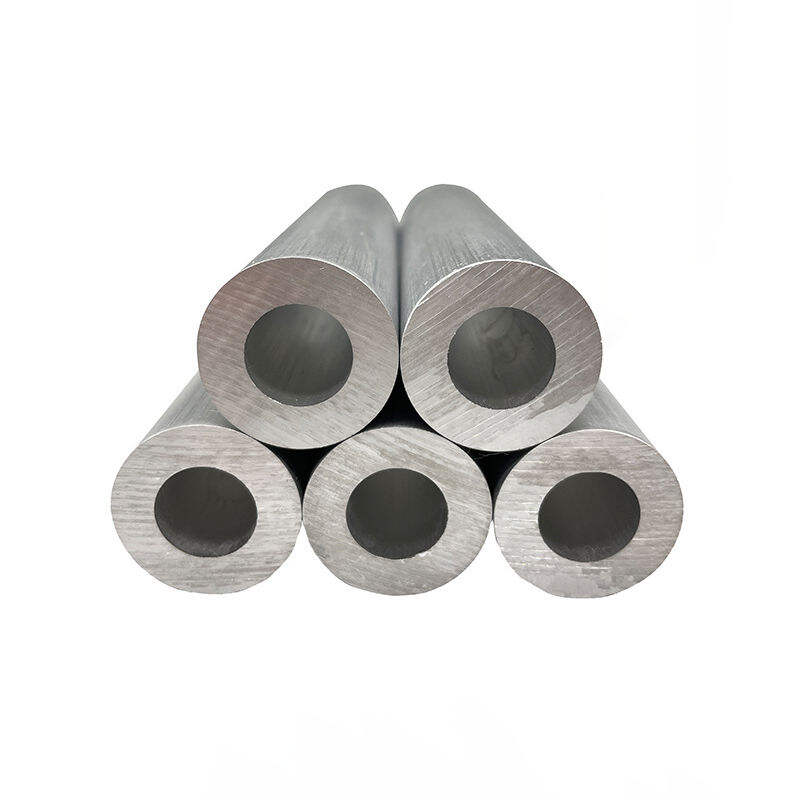
Selecting the appropriate aluminum tube for structural applications requires careful consideration of multiple engineering factors that directly impact performance, safety, and project success. Engineers and architects face critical decisions when specifying aluminum tube systems, as the wrong choice can lead to structural failures, excessive costs, or compromised building integrity. Understanding the systematic approach to aluminum tube selection ensures optimal structural performance while meeting specific project requirements and building codes.
The selection process for structural aluminum tube involves analyzing load requirements, environmental conditions, dimensional specifications, and alloy characteristics to achieve the desired structural integrity. Professional engineers must evaluate how different aluminum tube properties interact with specific structural demands, considering factors such as tensile strength, corrosion resistance, fabrication requirements, and long-term durability. This comprehensive evaluation process ensures that the chosen aluminum tube will perform reliably throughout the structure's intended service life.
Understanding Structural Load Requirements
Primary Load Analysis
Structural aluminum tube selection begins with thorough load analysis to determine the forces that the tube must withstand during normal operation and extreme conditions. Engineers must calculate dead loads, live loads, wind loads, and seismic forces that will act upon the aluminum tube throughout its service life. The aluminum tube must demonstrate sufficient load-bearing capacity to handle these combined forces with appropriate safety factors built into the design calculations.
Load path analysis reveals how forces transfer through the aluminum tube structure, identifying critical stress concentrations and potential failure points. This analysis helps determine whether the aluminum tube will experience primarily axial loads, bending moments, torsional forces, or complex combinations of these loading conditions. Understanding the dominant load types guides the selection of aluminum tube dimensions, wall thickness, and alloy specifications that provide optimal structural performance.
Dynamic loading considerations become particularly important when the aluminum tube structure will experience vibration, impact, or cyclic loading conditions. The selected aluminum tube must demonstrate adequate fatigue resistance to prevent crack initiation and propagation under repeated loading cycles. Engineers evaluate the aluminum tube's endurance limit and fatigue life predictions to ensure long-term structural reliability under dynamic conditions.
Safety Factor Integration
Appropriate safety factors must be incorporated when selecting aluminum tube for structural applications to account for uncertainties in loading, material properties, and construction tolerances. Building codes typically specify minimum safety factors for structural aluminum tube applications, but engineers may need to apply higher factors for critical structures or unusual loading conditions. The chosen aluminum tube must provide sufficient reserve capacity beyond the calculated maximum loads.
Buckling analysis becomes critical for aluminum tube members subjected to compression forces, as the slender nature of tubular sections can lead to instability failures at loads below the material's ultimate strength. Engineers must verify that the selected aluminum tube dimensions provide adequate buckling resistance for both local and global stability modes. The aluminum tube's radius of gyration, slenderness ratio, and end conditions all influence buckling capacity calculations.
Aluminum Alloy Selection Criteria
Strength Characteristics
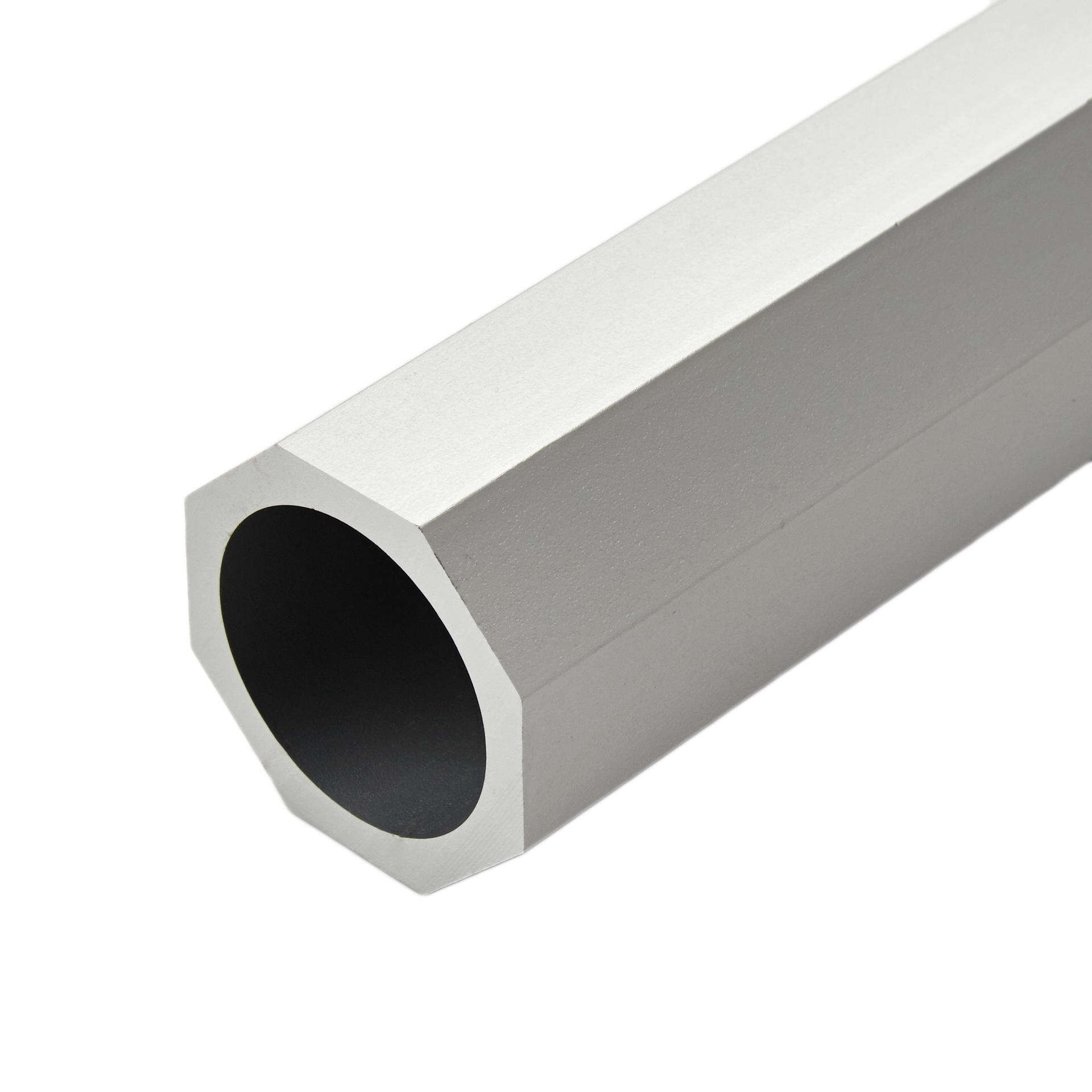
Different aluminum alloy families offer varying strength characteristics that directly influence structural aluminum tube performance in load-bearing applications. The 6000 series aluminum alloys, particularly 6061 and 6063, provide excellent structural properties with good weldability and corrosion resistance for most building applications. These alloys develop their strength through heat treatment and aging processes that optimize the aluminum tube's mechanical properties for structural use.
High-strength aluminum alloys from the 7000 series offer superior tensile and yield strengths for demanding structural applications where the aluminum tube must carry heavy loads or span long distances. However, these high-strength aluminum tube alloys may have reduced corrosion resistance and require special consideration for welding and fabrication processes. The selection between strength and other properties depends on the specific structural requirements and environmental conditions.
Temper designation significantly affects the aluminum tube's structural properties, with T6 temper typically providing optimal strength for structural applications. Engineers must specify the appropriate temper condition to ensure that the aluminum tube delivers the required mechanical properties after fabrication and installation processes. Some temper conditions may be compromised by welding or forming operations during construction.
Environmental Resistance
Corrosion resistance plays a crucial role in aluminum tube selection for structural applications exposed to harsh environmental conditions. Marine environments, industrial atmospheres, and chemical exposures require aluminum tube alloys with enhanced corrosion resistance to maintain structural integrity throughout the design life. The natural oxide layer on aluminum tube surfaces provides inherent corrosion protection, but alloy composition affects this protective capability.
Atmospheric corrosion rates vary significantly based on environmental conditions, with coastal and industrial locations presenting more aggressive conditions for aluminum tube structures. Engineers must evaluate the expected corrosion rates for different aluminum tube alloys in the specific installation environment to ensure adequate structural section remains after anticipated corrosion losses. Protective coatings may be required for aluminum tube installations in particularly aggressive environments.
Galvanic corrosion potential must be considered when aluminum tube structures connect to dissimilar metals or fastening systems. Proper material compatibility and isolation techniques prevent accelerated corrosion that could compromise the aluminum tube's structural integrity. The selection of compatible fasteners, sealants, and connection details ensures long-term corrosion resistance for the aluminum tube system.
Dimensional and Geometric Considerations
Cross-Sectional Properties
The aluminum tube's cross-sectional geometry directly influences its structural efficiency and load-carrying capacity for different loading conditions. Round aluminum tube sections provide excellent torsional resistance and uniform strength in all directions, making them ideal for applications with complex or rotating loads. Square and rectangular aluminum tube sections offer higher bending strength in specific directions and may provide more efficient structural performance for unidirectional loading.
Wall thickness selection involves balancing structural strength requirements against weight and cost considerations for the aluminum tube application. Thicker walls increase the aluminum tube's moment of inertia and section modulus, improving bending and buckling resistance. However, excessive wall thickness adds unnecessary weight and material cost without proportional structural benefits, requiring optimization analysis to determine the most efficient aluminum tube dimensions.
Diameter-to-thickness ratios affect the aluminum tube's susceptibility to local buckling and deformation under loading conditions. Very thin-walled aluminum tube sections may experience local instability before reaching their theoretical strength capacity. Engineers must verify that the selected aluminum tube proportions provide adequate local stability for the anticipated loading conditions and support arrangements.
Fabrication and Connection Requirements
Manufacturing tolerances and fabrication capabilities influence aluminum tube selection for structural applications requiring precise dimensions and connections. Standard aluminum tube sizes may not always match theoretical optimal dimensions, requiring engineers to select from available sizes that meet or exceed structural requirements. Custom aluminum tube fabrication may be justified for large projects where optimized dimensions provide significant material savings.
Welding requirements significantly impact aluminum tube alloy selection and joint design for structural connections. Some aluminum tube alloys exhibit better weldability and maintain higher strength after welding operations. The heat-affected zone properties and potential for weld defects must be considered when designing aluminum tube connections for structural applications. Alternative connection methods such as mechanical fastening may be preferred for certain aluminum tube alloys.
Fabrication complexity affects both the aluminum tube selection process and overall project costs for structural applications. Simple aluminum tube geometries and standard connection details reduce fabrication complexity and improve quality control. Complex aluminum tube assemblies may require specialized fabrication techniques and additional quality assurance measures to ensure structural performance meets design requirements.
Installation and Performance Verification
Construction Considerations
Field installation requirements influence aluminum tube selection decisions for structural applications where construction conditions may affect material performance. Transportation and handling considerations become important for large aluminum tube assemblies that must maintain dimensional accuracy during delivery and installation. The selected aluminum tube must withstand construction loading and temporary support conditions without permanent deformation or damage.
Quality control procedures during aluminum tube installation ensure that the structural performance assumptions made during design are achieved in the completed structure. Welding quality, connection torques, and dimensional tolerances must be verified to confirm that the aluminum tube system performs as intended. Non-destructive testing methods may be required to verify the integrity of critical aluminum tube connections and assemblies.
Weather protection during construction prevents corrosion initiation and maintains the aluminum tube's surface condition for long-term performance. Temporary protective measures may be necessary to prevent contamination or damage to the aluminum tube surfaces during construction activities. Proper storage and handling procedures preserve the aluminum tube's mechanical properties and appearance throughout the construction process.
Long-Term Performance Monitoring
Inspection and maintenance programs ensure that aluminum tube structures continue to meet structural performance requirements throughout their design life. Regular visual inspections identify potential issues such as corrosion, fatigue cracking, or connection loosening that could affect aluminum tube structural integrity. Early detection of problems allows for timely repairs that prevent more serious structural issues from developing.
Performance monitoring systems may be warranted for critical aluminum tube structures subjected to dynamic loading or harsh environmental conditions. Strain gauges, accelerometers, and other monitoring equipment can provide real-time data on aluminum tube structural response and identify any changes in performance characteristics. This monitoring data helps validate design assumptions and guides maintenance decisions for aluminum tube structures.
Service life predictions for aluminum tube structures depend on accurate assessment of loading conditions, environmental exposure, and maintenance practices. Regular evaluation of these factors allows engineers to update service life estimates and plan for eventual replacement or upgrade of aluminum tube structural systems. Proper documentation of aluminum tube performance throughout its service life provides valuable data for future structural design decisions.
FAQ
What are the most important factors to consider when selecting aluminum tube for structural applications?
The most critical factors include load requirements, environmental conditions, alloy selection, and dimensional specifications. Engineers must analyze the specific forces the aluminum tube will experience, evaluate corrosion resistance needs, select appropriate strength characteristics, and determine optimal cross-sectional properties for the application.
How do I determine the appropriate aluminum tube wall thickness for my structural application?
Wall thickness selection requires structural analysis of bending moments, axial loads, and buckling resistance requirements. Calculate the required section modulus and moment of inertia, then select aluminum tube dimensions that provide adequate capacity with appropriate safety factors while considering local buckling limitations.
Which aluminum alloy provides the best combination of strength and corrosion resistance for structural applications?
The 6061-T6 aluminum alloy typically offers the best balance of structural strength, weldability, and corrosion resistance for most building applications. For more demanding environments or higher strength requirements, 6063-T6 or marine-grade aluminum alloys may provide better long-term performance.
Can aluminum tube be used for primary structural members in building construction?
Yes, aluminum tube can serve as primary structural members when properly designed and specified according to applicable building codes. The aluminum tube must meet strength requirements, connection details must be appropriate for the loading conditions, and proper engineering analysis must verify structural adequacy for the specific application.
Table of Contents
- Understanding Structural Load Requirements
- Aluminum Alloy Selection Criteria
- Dimensional and Geometric Considerations
- Installation and Performance Verification
-
FAQ
- What are the most important factors to consider when selecting aluminum tube for structural applications?
- How do I determine the appropriate aluminum tube wall thickness for my structural application?
- Which aluminum alloy provides the best combination of strength and corrosion resistance for structural applications?
- Can aluminum tube be used for primary structural members in building construction?