
 EN
EN



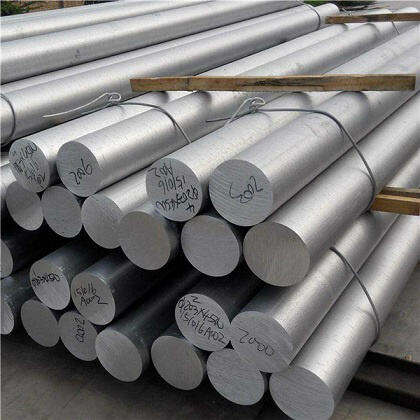
In today's engineering landscape, the demand for lightweight yet durable materials has reached unprecedented levels across industries ranging from aerospace to automotive manufacturing. The pursuit of weight reduction without compromising structural integrity has led engineers and designers to carefully evaluate material options, with aluminum rods emerging as a standout solution for applications requiring optimal strength-to-weight ratios. The inherent properties of aluminum rods make them exceptionally well-suited for lightweight applications where traditional materials fall short of performance expectations. Understanding why aluminum rods have become the go-to choice for weight-conscious engineering projects reveals the sophisticated balance of properties that make this material indispensable in modern manufacturing.
The superiority of aluminum rods in lightweight applications stems from a unique combination of fundamental material characteristics that address the critical challenges faced by modern engineers. These cylindrical aluminum components offer exceptional versatility in design applications while maintaining the structural performance required for demanding operational environments. The lightweight nature of aluminum rods, combined with their excellent corrosion resistance and machinability, creates opportunities for innovative solutions across multiple industrial sectors. From precision manufacturing to large-scale construction projects, aluminum rods provide the foundation for engineering solutions that prioritize both performance and efficiency in weight-sensitive applications.
Fundamental Properties That Make Aluminum Rods Superior for Weight Reduction
Exceptional Strength-to-Weight Ratio Performance
The primary reason aluminum rods excel in lightweight applications lies in their remarkable strength-to-weight ratio, which surpasses most conventional materials used in engineering applications. This critical property allows aluminum rods to provide substantial structural support while maintaining significantly lower mass compared to steel or other metal alternatives. The density of aluminum, approximately one-third that of steel, enables engineers to achieve weight reductions of up to 65% in many applications without sacrificing the mechanical performance required for operational success.
Engineering applications benefit tremendously from the consistent performance characteristics that aluminum rods deliver across varying load conditions. The material's ability to maintain structural integrity under both static and dynamic loading scenarios makes it particularly valuable for applications where weight reduction directly translates to improved operational efficiency. This performance consistency ensures that aluminum rods can reliably support design loads while contributing to overall system weight optimization.
The strength characteristics of aluminum rods can be further enhanced through various alloy compositions and heat treatment processes, allowing engineers to customize material properties for specific application requirements. Advanced aluminum alloys used in aluminum rods can achieve tensile strengths comparable to many steel grades while maintaining the inherent weight advantages that make aluminum the preferred choice for lightweight solutions.
Superior Corrosion Resistance for Long-Term Performance
Aluminum rods demonstrate exceptional resistance to corrosion through the formation of a natural oxide layer that protects the underlying material from environmental degradation. This self-protecting characteristic eliminates the need for additional protective coatings in many applications, further contributing to weight reduction by eliminating the mass of protective systems required with other materials. The corrosion resistance of aluminum rods ensures long-term structural performance without the weight penalties associated with corrosion protection measures.
Environmental factors that typically compromise the integrity of other materials have minimal impact on properly selected aluminum rods, making them ideal for outdoor applications and harsh operating environments. The natural corrosion resistance extends the service life of components while maintaining consistent performance characteristics throughout the operational period. This durability factor becomes particularly important in lightweight applications where component replacement would negatively impact overall system efficiency.
The corrosion resistance properties of aluminum rods can be enhanced through various surface treatment options, including anodizing and chemical conversion coatings, without significantly impacting the weight advantages that make these materials attractive for lightweight applications. These treatment options provide additional protection while maintaining the fundamental weight reduction benefits that drive material selection decisions.
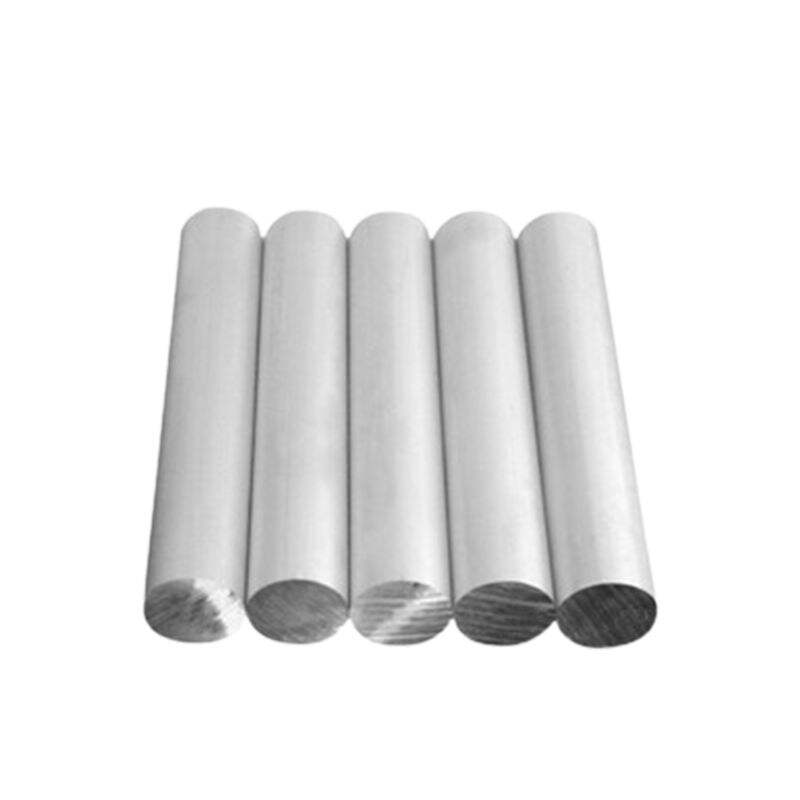
Manufacturing and Processing Advantages for Lightweight Design
Excellent Machinability and Fabrication Characteristics
The exceptional machinability of aluminum rods enables efficient manufacturing processes that contribute to both cost-effectiveness and design flexibility in lightweight applications. Unlike harder materials that require extensive machining time and specialized tooling, aluminum rods can be precisely shaped and formed using conventional manufacturing equipment, reducing production complexity while maintaining dimensional accuracy. This machinability advantage allows engineers to create complex geometries that optimize material distribution for maximum strength with minimum weight.
Manufacturing processes benefit from the consistent material properties exhibited by high-quality aluminum rods, which ensure predictable machining behavior and reliable finished component characteristics. The ability to achieve tight tolerances during fabrication enables engineers to design components with minimal safety factors, further contributing to weight optimization without compromising performance requirements. Precision machining capabilities allow for the creation of hollow sections and complex internal geometries that maximize strength-to-weight ratios.
The thermal conductivity properties of aluminum rods facilitate efficient heat dissipation during machining operations, preventing work hardening and maintaining consistent material properties throughout the fabrication process. This thermal management characteristic ensures that machined components retain the desired mechanical properties while enabling high-speed manufacturing processes that improve production efficiency for lightweight solution applications.
Versatile Joining and Assembly Options
Aluminum rods offer exceptional compatibility with various joining methods, including welding, brazing, mechanical fastening, and adhesive bonding, providing engineers with multiple options for creating lightweight assemblies. The versatility in joining techniques enables the design of complex structures that optimize weight distribution while maintaining structural integrity across joint interfaces. Advanced welding techniques specifically developed for aluminum allow for the creation of high-strength joints that preserve the lightweight characteristics of the base material.
The compatibility of aluminum rods with modern fastening systems enables the creation of demountable connections that facilitate maintenance and component replacement without compromising the overall weight optimization goals. Mechanical joining methods can be selected to match the specific load requirements of each connection while minimizing additional hardware weight. The use of specialized aluminum fasteners and joining hardware maintains material consistency throughout the assembly.
Adhesive bonding techniques work particularly well with aluminum rods due to the excellent surface preparation characteristics of the material, enabling the creation of lightweight bonded assemblies that distribute loads effectively across joint areas. These bonding methods eliminate the weight penalties associated with mechanical fasteners while providing excellent fatigue resistance in dynamic loading applications where lightweight performance is critical.
Industry Applications Driving Aluminum Rod Selection
Aerospace and Aviation Weight-Critical Applications
The aerospace industry represents one of the most demanding applications for lightweight materials, where every gram of weight reduction translates directly to improved fuel efficiency and performance capabilities. Aluminum rods have become integral to aircraft structural systems, landing gear components, and control system elements where the combination of strength, weight reduction, and reliability creates significant operational advantages. The stringent certification requirements of aerospace applications validate the consistent performance characteristics of high-quality aluminum rods in weight-critical environments.
Aircraft designers rely on aluminum rods for structural elements that must withstand complex loading conditions while contributing to overall vehicle weight reduction goals. The fatigue resistance properties of aluminum rods make them particularly suitable for components subject to cyclic loading throughout the operational life of aircraft systems. Advanced aluminum alloy compositions used in aerospace aluminum rods provide the strength characteristics required for critical applications while maintaining the weight advantages essential for aviation efficiency.
Satellite and space vehicle applications push the performance requirements for aluminum rods to extreme levels, where weight reduction directly impacts launch costs and mission capability. The vacuum compatibility and thermal cycling resistance of aluminum rods make them ideal for space applications where traditional materials would add unnecessary mass to weight-sensitive systems. The proven performance of aluminum rods in space environments demonstrates their reliability in the most demanding lightweight applications.
Automotive Industry Lightweighting Initiatives
Modern automotive manufacturing has embraced aluminum rods as a key component in vehicle lightweighting strategies designed to improve fuel efficiency while maintaining safety performance standards. The automotive industry's transition toward electric vehicles has intensified the focus on weight reduction, making aluminum rods essential for chassis components, suspension elements, and structural reinforcements that optimize vehicle range and performance. The crashworthiness characteristics of aluminum rods provide excellent energy absorption capabilities while contributing to overall vehicle weight reduction.
Suspension system applications benefit significantly from the spring characteristics and fatigue resistance of aluminum rods, which enable the creation of lightweight suspension components that maintain ride quality while reducing unsprung weight. The corrosion resistance of aluminum rods becomes particularly important in automotive applications where exposure to road salt and environmental contaminants would compromise the performance of other materials. These properties ensure long-term durability while maintaining the weight reduction benefits throughout the vehicle's service life.
Electric vehicle battery mounting systems utilize aluminum rods for structural frameworks that must provide crash protection while minimizing impact on vehicle range through weight optimization. The electrical conductivity properties of aluminum rods also enable their use in grounding and electrical distribution applications where weight reduction contributes to overall system efficiency. The recyclability of aluminum rods aligns with automotive industry sustainability goals while providing immediate weight reduction benefits.
Design Optimization Strategies Using Aluminum Rods
Structural Efficiency Through Material Distribution
Optimal design approaches using aluminum rods focus on strategic material placement that maximizes structural efficiency while minimizing overall component weight. Engineers can leverage the excellent strength characteristics of aluminum rods by positioning them in high-stress areas of structures while using lighter materials or hollow sections in lower-stress regions. This selective material distribution approach enables significant weight reductions without compromising structural performance requirements.
The uniform material properties of aluminum rods enable predictable stress distribution analysis, allowing engineers to optimize cross-sectional areas and lengths for specific loading conditions. Computer-aided design tools can accurately model the performance of aluminum rod structures, enabling iterative optimization that achieves the minimum weight solution for given strength requirements. These design optimization techniques ensure that aluminum rods contribute maximum value to lightweight solution applications.
Advanced finite element analysis techniques specifically calibrated for aluminum rod properties enable engineers to identify opportunities for weight reduction through geometric optimization and material redistribution. The consistent material properties of aluminum rods ensure that analytical predictions accurately reflect real-world performance, providing confidence in optimized designs that push weight reduction to the practical limits of material capabilities.
Integration with Composite and Hybrid Material Systems
Aluminum rods serve as excellent structural reinforcements in composite material systems, where their strength characteristics complement the lightweight properties of fiber-reinforced materials. The combination of aluminum rods with carbon fiber or glass fiber composites creates hybrid structures that optimize both strength and weight characteristics for demanding applications. The thermal expansion compatibility between aluminum rods and many composite materials ensures structural stability across varying temperature conditions.
Hybrid material approaches using aluminum rods enable engineers to place high-strength elements precisely where needed while utilizing lightweight composite materials for less critical structural areas. This selective reinforcement strategy maximizes the weight reduction potential while ensuring that critical load paths maintain adequate safety margins. The bonding characteristics of aluminum rods with modern composite matrix systems provide excellent load transfer capabilities across material interfaces.
The machinability of aluminum rods facilitates integration with composite structures through various mechanical and bonded connection methods that maintain the lightweight characteristics of hybrid assemblies. These integration techniques enable the creation of complex structures that leverage the best properties of both aluminum and composite materials while achieving weight reduction goals that exceed what either material could provide independently.
FAQ
What makes aluminum rods more effective than steel rods for lightweight applications?
Aluminum rods provide superior performance in lightweight applications due to their density being approximately one-third that of steel while maintaining comparable strength characteristics in many applications. This fundamental weight advantage allows engineers to achieve weight reductions of 60-65% compared to steel solutions while meeting structural performance requirements. Additionally, aluminum rods offer excellent corrosion resistance without protective coatings, eliminating additional weight from protective systems required with steel components.
How do aluminum rods maintain structural integrity in demanding lightweight applications?
Aluminum rods maintain structural integrity through their excellent strength-to-weight ratio and consistent material properties that provide reliable performance under various loading conditions. Advanced aluminum alloys used in high-performance applications can achieve tensile strengths comparable to many steel grades while retaining the weight advantages. The material's excellent fatigue resistance ensures long-term structural performance in dynamic loading applications where lightweight components must withstand cyclic stresses throughout their service life.
Can aluminum rods be customized for specific lightweight application requirements?
Aluminum rods offer extensive customization options through alloy selection, heat treatment processes, and surface finishing techniques that optimize performance for specific lightweight applications. Different aluminum alloy compositions provide varying combinations of strength, corrosion resistance, and machinability characteristics to match application requirements. Heat treatment processes can further enhance strength properties, while surface treatments like anodizing provide additional protection without significantly impacting weight reduction benefits.
What manufacturing advantages do aluminum rods provide for lightweight solution development?
Aluminum rods offer exceptional machinability that enables efficient manufacturing of complex geometries optimized for weight reduction without compromising strength requirements. The material's excellent thermal conductivity prevents work hardening during machining, maintaining consistent properties throughout fabrication processes. Multiple joining options including welding, mechanical fastening, and adhesive bonding provide flexibility in assembly design while preserving lightweight characteristics. These manufacturing advantages reduce production costs while enabling innovative lightweight solutions across various industries.
Table of Contents
- Fundamental Properties That Make Aluminum Rods Superior for Weight Reduction
- Manufacturing and Processing Advantages for Lightweight Design
- Industry Applications Driving Aluminum Rod Selection
- Design Optimization Strategies Using Aluminum Rods
-
FAQ
- What makes aluminum rods more effective than steel rods for lightweight applications?
- How do aluminum rods maintain structural integrity in demanding lightweight applications?
- Can aluminum rods be customized for specific lightweight application requirements?
- What manufacturing advantages do aluminum rods provide for lightweight solution development?