
 EN
EN



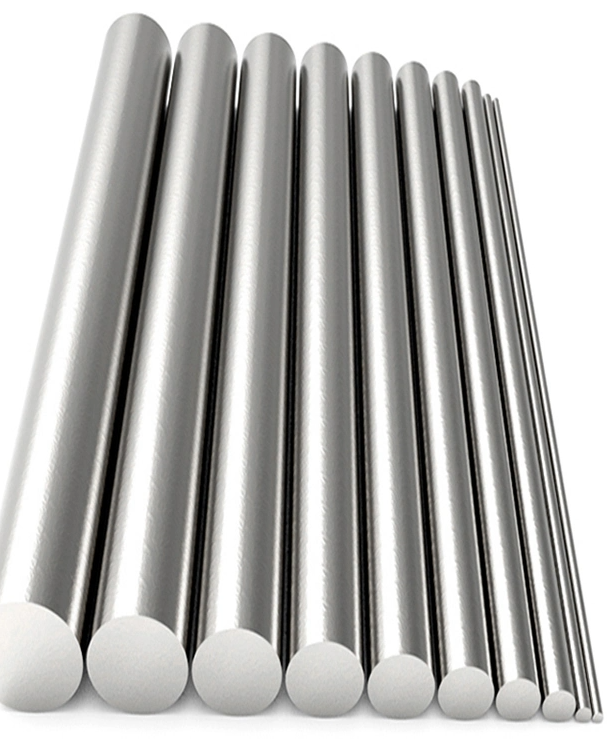
In the world of heavy-duty industrial applications, material selection plays a crucial role in determining the longevity, performance, and cost-effectiveness of any project. Among the various materials available, stainless steel bars have emerged as the preferred choice for engineers and manufacturers who demand exceptional strength, durability, and resistance to harsh operating conditions. These versatile components offer a unique combination of mechanical properties and corrosion resistance that makes them indispensable in demanding environments ranging from chemical processing plants to marine installations.
Superior Corrosion Resistance in Harsh Environments
Chemical Composition Benefits
The exceptional corrosion resistance of stainless steel bars stems from their unique chemical composition, primarily the chromium content that forms a protective oxide layer on the surface. This passive layer continuously regenerates when damaged, providing long-term protection against oxidation, pitting, and crevice corrosion. The addition of nickel, molybdenum, and other alloying elements further enhances this resistance, making these bars suitable for exposure to acids, alkaline solutions, and salt water environments.
Different grades of stainless steel bars offer varying levels of corrosion resistance tailored to specific applications. Grade 316 and 316L variants contain molybdenum, which significantly improves resistance to chloride-induced corrosion, making them ideal for marine and coastal applications. Meanwhile, grade 321 stainless steel bars incorporate titanium stabilization, preventing carbide precipitation and maintaining corrosion resistance even after welding operations.
Environmental Performance Advantages
Heavy-duty applications often involve exposure to extreme temperatures, humidity variations, and chemical contaminants that would rapidly degrade conventional materials. Stainless steel bars maintain their structural integrity and surface finish under these challenging conditions, eliminating the need for frequent replacements and reducing maintenance costs. This environmental resilience translates directly into improved operational reliability and extended service life.
The non-porous surface of stainless steel bars prevents the absorption of contaminants and facilitates thorough cleaning and sterilization procedures. This characteristic proves particularly valuable in food processing, pharmaceutical manufacturing, and other industries where hygiene standards are paramount. The material's inherent resistance to bacterial growth and ease of sanitization contribute to safer working environments and compliance with strict regulatory requirements.
Exceptional Mechanical Properties for Demanding Applications
Strength and Load-Bearing Capacity
The mechanical properties of stainless steel bars make them exceptionally well-suited for heavy-duty structural and mechanical applications. These materials exhibit high tensile strength, typically ranging from 515 to 827 MPa depending on the specific grade and condition. This strength allows engineers to design more compact and efficient structures while maintaining safety margins and load-bearing requirements.
Work hardening characteristics of stainless steel bars provide additional benefits in applications involving plastic deformation. As the material undergoes stress, its yield strength increases, creating a self-reinforcing effect that enhances structural performance under dynamic loading conditions. This property proves particularly valuable in seismic applications, impact-resistant designs, and components subjected to cyclic loading patterns.
Temperature Performance and Thermal Properties
Heavy-duty operations frequently involve temperature extremes that challenge material performance and dimensional stability. Stainless steel bars maintain their mechanical properties across a wide temperature range, from cryogenic conditions below -200°C to elevated temperatures exceeding 800°C in certain grades. This thermal stability ensures consistent performance in applications such as heat exchangers, furnace components, and cryogenic storage systems.
The low thermal expansion coefficient of stainless steel bars minimizes dimensional changes during thermal cycling, reducing stress concentrations and preventing premature failure in constrained assemblies. Combined with excellent thermal conductivity properties, these characteristics enable efficient heat transfer while maintaining structural integrity under varying thermal loads.
Cost-Effectiveness and Lifecycle Benefits
Long-Term Economic Advantages
While the initial cost of stainless steel bars may exceed that of conventional materials, their exceptional durability and low maintenance requirements result in significant long-term cost savings. The extended service life eliminates frequent replacement cycles, reducing both material costs and labor expenses associated with maintenance activities. This economic advantage becomes increasingly pronounced in critical applications where downtime costs are substantial.
The recyclability of stainless steel bars adds another dimension to their economic value proposition. At the end of their service life, these materials retain significant scrap value and can be recycled indefinitely without degradation of their fundamental properties. This sustainability aspect not only reduces environmental impact but also provides a return on investment that further improves the overall cost-effectiveness of choosing stainless steel bars for heavy-duty applications.
Reduced Maintenance Requirements
The inherent properties of stainless steel bars significantly reduce maintenance requirements compared to alternative materials. The absence of protective coatings eliminates the need for periodic repainting or refinishing, while the corrosion resistance prevents the gradual material loss that necessitates replacement in other metals. This low-maintenance characteristic proves particularly valuable in remote installations, underwater applications, and other locations where access for maintenance activities is limited or expensive.
Regular inspection and cleaning procedures for stainless steel bars are straightforward and require minimal specialized equipment or expertise. The visual indication of surface condition provides early warning of any developing issues, enabling proactive maintenance strategies that prevent catastrophic failures and extend component life even further.
Versatility in Manufacturing and Fabrication
Machining and Forming Capabilities
The fabrication versatility of stainless steel bars enables engineers to create complex geometries and precision components that meet exact specifications for heavy-duty applications. These materials can be readily machined using conventional equipment and tooling, although proper techniques and cutting parameters are essential to achieve optimal surface finishes and dimensional accuracy. The work hardening tendency requires careful consideration of feed rates and cutting speeds to prevent tool wear and ensure consistent results.
Cold forming operations such as bending, rolling, and drawing can be performed on stainless steel bars to create custom shapes and profiles without compromising material properties. The excellent ductility of austenitic grades allows for significant plastic deformation while maintaining structural integrity. Heat treatment processes can be applied to modify mechanical properties when specific strength or hardness requirements must be met.
Welding and Joining Methods
Modern welding techniques enable the fabrication of complex assemblies using stainless steel bars while preserving their corrosion resistance and mechanical properties. Proper selection of filler materials and welding parameters ensures that weld zones maintain compatibility with the base metal characteristics. Gas tungsten arc welding (GTAW) and gas metal arc welding (GMAW) processes provide excellent control over heat input and minimize the formation of deleterious phases in the weld and heat-affected zones.
Alternative joining methods such as mechanical fastening, brazing, and adhesive bonding expand the design possibilities for assemblies incorporating stainless steel bars. These techniques enable the combination of different materials within a single structure, optimizing performance and cost while leveraging the unique properties of stainless steel bars in critical load-bearing or corrosion-resistant applications.
Industry-Specific Applications and Performance
Chemical and Petrochemical Industries
The chemical processing industry relies heavily on stainless steel bars for equipment that must withstand exposure to aggressive chemicals, high pressures, and extreme temperatures. Reactor vessels, heat exchangers, and piping systems utilize these materials to ensure safe and reliable operation while minimizing the risk of catastrophic failures that could result in environmental damage or personnel injury. The chemical inertness of stainless steel bars prevents contamination of process streams and maintains product purity in sensitive applications.
Specific grades of stainless steel bars are selected based on the particular chemicals and operating conditions encountered in each application. For example, super-austenitic grades with enhanced molybdenum content provide superior resistance to chloride-containing environments, while high-temperature grades maintain strength and oxidation resistance in thermal processing applications.
Marine and Offshore Applications
Marine environments present unique challenges that make stainless steel bars the preferred choice for offshore platforms, ship construction, and coastal infrastructure. The combination of salt water exposure, atmospheric corrosion, and mechanical stresses from wave action creates demanding service conditions that would rapidly degrade conventional materials. Stainless steel bars maintain their structural integrity and appearance throughout extended exposure to these harsh marine environments.
The use of stainless steel bars in critical marine applications such as propeller shafts, rudder stocks, and mooring systems ensures reliable performance and reduces the frequency of costly maintenance operations in remote offshore locations. The material's resistance to biofouling and marine organism attachment further contributes to operational efficiency and environmental compliance.
FAQ
What grades of stainless steel bars are best suited for heavy-duty applications
The most commonly used grades for heavy-duty applications include 304, 316, 316L, 321, and 309S, each offering specific advantages. Grade 316 and 316L provide excellent corrosion resistance in chloride environments, while 321 offers superior high-temperature performance due to titanium stabilization. Grade 309S excels in high-temperature oxidizing conditions, and 304 provides an economical solution for general-purpose heavy-duty applications where extreme corrosion resistance is not required.
How do stainless steel bars compare to carbon steel in terms of strength and durability
Stainless steel bars typically exhibit higher tensile strength and better fatigue resistance compared to carbon steel, while providing vastly superior corrosion resistance. Although carbon steel may offer higher yield strength in some grades, the work hardening characteristics and corrosion resistance of stainless steel bars result in longer service life and better performance in demanding environments. The total cost of ownership often favors stainless steel bars despite higher initial material costs.
What special considerations are required when machining stainless steel bars
Machining stainless steel bars requires attention to work hardening tendencies, proper cutting tool selection, and adequate cooling. Sharp cutting tools, positive rake angles, and consistent feed rates help prevent work hardening that can make subsequent machining difficult. Sulfur-bearing grades such as 303 offer improved machinability for applications requiring extensive machining operations, while maintaining good corrosion resistance properties.
Can stainless steel bars be used in high-temperature applications above 500°C
Yes, certain grades of stainless steel bars are specifically designed for high-temperature service. Grades 309S, 310, and 321 maintain their mechanical properties and oxidation resistance at temperatures exceeding 800°C. However, proper grade selection based on the specific temperature range, atmosphere, and mechanical loading conditions is essential to ensure optimal performance and prevent issues such as sigma phase formation or carbide precipitation that can compromise material properties.
Table of Contents
- Superior Corrosion Resistance in Harsh Environments
- Exceptional Mechanical Properties for Demanding Applications
- Cost-Effectiveness and Lifecycle Benefits
- Versatility in Manufacturing and Fabrication
- Industry-Specific Applications and Performance
-
FAQ
- What grades of stainless steel bars are best suited for heavy-duty applications
- How do stainless steel bars compare to carbon steel in terms of strength and durability
- What special considerations are required when machining stainless steel bars
- Can stainless steel bars be used in high-temperature applications above 500°C