
 EN
EN



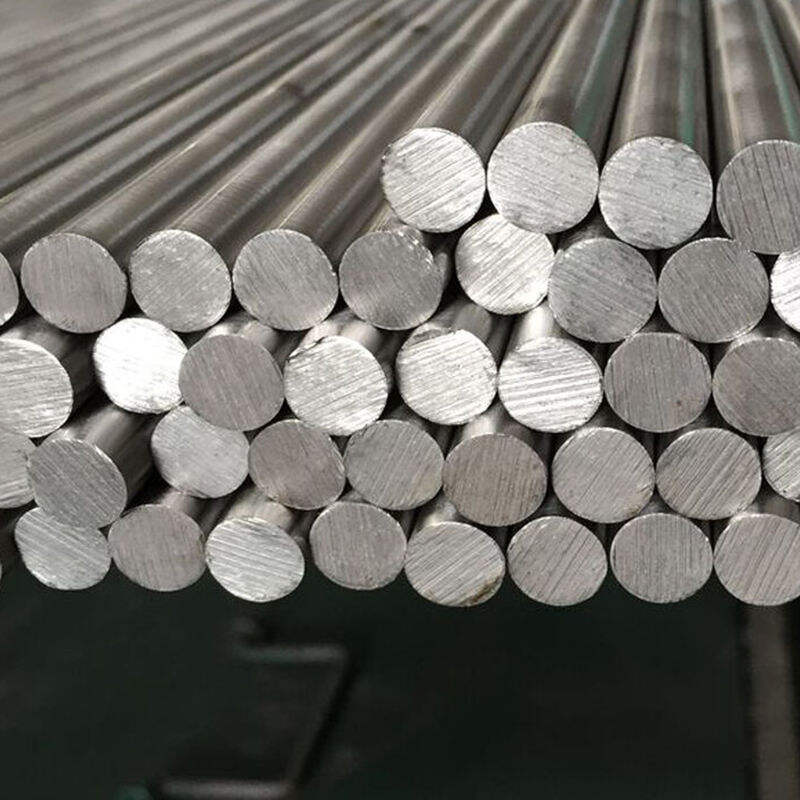
The construction industry relies heavily on materials that can withstand extreme conditions while maintaining structural integrity over decades. Among these materials, stainless steel bars have emerged as indispensable components in modern construction projects, offering unmatched durability, corrosion resistance, and versatility. These specialized steel products provide engineers and contractors with reliable solutions for reinforcing concrete structures, creating frameworks, and ensuring long-term stability in diverse environmental conditions. The growing demand for sustainable and low-maintenance construction materials has positioned stainless steel bars as a preferred choice for critical infrastructure projects worldwide.
Superior Corrosion Resistance in Construction Applications
Understanding Chromium Content and Protection Mechanisms
The exceptional corrosion resistance of stainless steel bars stems from their chromium content, which forms a passive oxide layer on the surface when exposed to oxygen. This self-healing protective layer automatically reforms if damaged, providing continuous protection against rust and environmental degradation. In construction environments where moisture, chemicals, and varying temperatures are common, this characteristic becomes crucial for maintaining structural integrity over extended periods.
Construction projects in coastal areas, industrial zones, and urban environments particularly benefit from the corrosion-resistant properties of stainless steel bars. Unlike traditional carbon steel reinforcement that requires additional protective coatings, these bars maintain their structural properties without extensive maintenance requirements. This translates to significant cost savings over the lifetime of construction projects while ensuring safety standards are consistently met.
Environmental Resilience and Weather Protection
Stainless steel bars demonstrate remarkable resilience against various environmental factors that commonly affect construction materials. Temperature fluctuations, humidity variations, and exposure to industrial pollutants have minimal impact on their structural performance. This environmental stability makes them ideal for critical infrastructure projects where failure is not an option.
The ability to maintain strength and appearance under harsh conditions extends the service life of buildings and structures significantly. Construction professionals increasingly recognize that the initial investment in stainless steel bars pays dividends through reduced maintenance costs and extended structural lifespan. These materials prove particularly valuable in applications such as bridges, marine structures, and high-rise buildings where replacement or repair would be extremely costly and disruptive.
Mechanical Properties and Structural Performance
Tensile Strength and Load-Bearing Capabilities
The mechanical properties of stainless steel bars make them exceptional choices for load-bearing applications in construction. These bars exhibit high tensile strength, excellent ductility, and superior fatigue resistance compared to many alternative materials. The combination of these properties ensures that structures can withstand both static loads and dynamic forces encountered during earthquakes, wind events, and regular operational stresses.
Engineers appreciate the predictable behavior of stainless steel bars under stress, which allows for precise calculations and reliable structural designs. The material's ability to deform plastically before failure provides warning signs and prevents catastrophic structural collapse. This safety margin is particularly important in seismic zones where buildings must absorb and dissipate energy during ground motion events.
Flexibility and Workability in Construction Processes
Construction teams value the workability characteristics of stainless steel bars during installation and fabrication processes. These materials can be cut, bent, welded, and shaped using standard construction equipment and techniques. The ease of handling reduces labor costs and installation time while maintaining precision in structural applications.
The compatibility with various construction methods allows architects and engineers greater design flexibility when incorporating stainless steel bars into their projects. Whether used in precast concrete elements, cast-in-place construction, or hybrid structural systems, these bars adapt well to different construction methodologies. This versatility has made them increasingly popular in both traditional construction techniques and innovative building approaches.
Applications in Modern Construction Projects
Concrete Reinforcement and Structural Support
One of the primary applications of stainless steel bars in construction involves concrete reinforcement, where they provide tensile strength to complement concrete's compressive capabilities. This combination creates composite structures capable of handling complex loading conditions while maintaining long-term durability. The bars are strategically placed within concrete forms to resist tension, shear, and torsional forces that concrete alone cannot adequately handle.
Modern reinforcement techniques utilize stainless steel bars in various configurations to optimize structural performance while minimizing material usage. Advanced placement patterns and spacing calculations ensure maximum effectiveness while controlling project costs. The result is reinforced concrete structures that exceed traditional performance standards and provide enhanced safety margins.
Specialized Construction Applications
Beyond conventional reinforcement applications, stainless steel bars serve specialized roles in construction projects requiring exceptional performance characteristics. Medical facilities, food processing plants, and pharmaceutical manufacturing buildings rely on these materials for their hygienic properties and resistance to cleaning chemicals. The non-porous surface of stainless steel bars prevents bacterial growth and facilitates thorough sanitization procedures.
Swimming pools, water treatment facilities, and marine construction projects particularly benefit from the chloride resistance of stainless steel bars. These environments present extreme corrosion challenges that would quickly degrade conventional reinforcement materials. The use of specialized stainless steel grades in these applications ensures structural integrity throughout the facility's operational lifetime while minimizing maintenance requirements and associated costs.
Economic Benefits and Cost Considerations
Life-Cycle Cost Analysis and Value Proposition
While the initial cost of stainless steel bars may exceed that of conventional reinforcement materials, comprehensive life-cycle cost analysis reveals significant economic advantages. The extended service life, reduced maintenance requirements, and improved structural performance translate to lower total ownership costs over the building's lifetime. This economic reality has shifted industry perspectives toward value-based material selection rather than purely initial cost-driven decisions.
Construction projects that incorporate stainless steel bars often experience reduced insurance premiums, lower maintenance budgets, and enhanced property values. The reputation for reliability and longevity associated with these materials creates marketable advantages that benefit building owners and developers. Financial institutions increasingly recognize these benefits when evaluating construction loans and property investments.
Maintenance Reduction and Operational Savings
The minimal maintenance requirements of stainless steel bars significantly reduce operational costs throughout a building's service life. Unlike conventional reinforcement that may require periodic inspection, coating renewal, or replacement due to corrosion damage, stainless steel bars maintain their properties with minimal intervention. This reliability translates to predictable operating budgets and reduced unexpected repair costs.
Building owners and facility managers appreciate the peace of mind that comes with stainless steel bars in critical structural applications. The reduced need for invasive inspections, structural repairs, and emergency interventions allows for more efficient facility operations and better resource allocation. These operational advantages become particularly valuable in mission-critical facilities where structural failures could result in significant business disruption or safety hazards.
Manufacturing Standards and Quality Assurance
Industry Standards and Certification Requirements
The production of stainless steel bars for construction applications follows strict industry standards that ensure consistent quality and performance characteristics. International standards organizations have established comprehensive specifications covering chemical composition, mechanical properties, dimensional tolerances, and surface finish requirements. These standards provide construction professionals with confidence in material performance and enable reliable structural calculations.
Quality assurance processes throughout the manufacturing chain ensure that stainless steel bars meet or exceed specified requirements before reaching construction sites. Testing protocols verify chemical composition, tensile strength, ductility, and corrosion resistance properties. Documentation and traceability systems allow construction teams to verify material credentials and maintain quality records for regulatory compliance and warranty purposes.
Grade Selection and Performance Optimization
Different grades of stainless steel bars offer varying performance characteristics suited to specific construction applications and environmental conditions. Engineers select appropriate grades based on factors such as corrosion resistance requirements, mechanical property needs, and economic considerations. This grade selection process ensures optimal performance while controlling material costs and maintaining project budgets.
The availability of specialized grades allows construction professionals to optimize material selection for unique project requirements. High-temperature applications, extreme corrosion environments, and specialized structural demands can be addressed through appropriate grade selection. This flexibility in material options enables innovative construction solutions and enhanced project performance outcomes.
Installation Techniques and Best Practices
Proper Handling and Placement Procedures
Successful construction projects utilizing stainless steel bars require proper handling and installation techniques to maximize material performance and ensure structural integrity. Construction crews must follow established procedures for storage, cutting, bending, and placement to prevent damage and maintain material properties. Proper training and equipment ensure that installation quality meets design specifications and industry standards.
Surface contamination during handling can compromise the corrosion resistance of stainless steel bars, making proper storage and handling protocols essential. Clean work environments, appropriate lifting equipment, and contamination prevention measures protect material integrity throughout the construction process. These practices ensure that the inherent advantages of stainless steel bars are fully realized in completed structures.
Connection Methods and Joining Techniques
The connection of stainless steel bars to other structural elements requires specialized techniques and compatible materials to maintain system performance. Welding procedures must follow approved methods using appropriate filler materials to preserve corrosion resistance and mechanical properties. Alternative connection methods such as mechanical couplers and threaded connections provide options for different construction scenarios and accessibility requirements.
Proper joint design and execution ensure that connections do not become weak points in the structural system. The use of compatible materials and proven connection techniques maintains the integrity and longevity advantages that make stainless steel bars attractive for construction applications. Training and certification programs ensure that installation personnel possess the skills necessary for quality workmanship.
Environmental Impact and Sustainability
Recycling Capabilities and Circular Economy Benefits
Stainless steel bars contribute significantly to sustainable construction practices through their exceptional recycling capabilities and extended service life. These materials can be recycled indefinitely without degradation of their inherent properties, making them valuable components in circular economy models. The high recycled content in new stainless steel production reduces environmental impact while maintaining performance standards.
Construction projects incorporating stainless steel bars often qualify for green building certifications due to their sustainability credentials and longevity characteristics. The reduced need for replacement and repair over the building's lifetime minimizes resource consumption and waste generation. These environmental benefits align with growing industry emphasis on sustainable construction practices and corporate responsibility initiatives.
Energy Efficiency and Carbon Footprint Considerations
The durability and longevity of stainless steel bars contribute to reduced lifetime carbon footprints for construction projects by minimizing the need for material replacement and associated transportation, processing, and installation activities. This long-term perspective reveals environmental advantages that extend beyond initial material production impacts.
Energy-efficient manufacturing processes and the use of recycled feedstock in stainless steel production continue to improve the environmental profile of these materials. Construction industry adoption of lifecycle assessment methodologies increasingly recognizes these benefits when evaluating material choices for sustainable building projects. The combination of performance advantages and environmental benefits positions stainless steel bars as preferred materials for environmentally conscious construction projects.
FAQ
What makes stainless steel bars more corrosion-resistant than regular steel bars
Stainless steel bars contain chromium content that forms a passive oxide layer on the surface, providing self-healing protection against corrosion. This chromium oxide layer automatically reforms when damaged, offering continuous protection that regular carbon steel cannot provide without additional coatings or treatments.
How do stainless steel bars compare in cost to traditional reinforcement materials
While stainless steel bars have higher initial costs than conventional reinforcement, they offer superior value through extended service life, reduced maintenance requirements, and lower total ownership costs. Life-cycle cost analysis typically shows significant savings over the building's operational lifetime due to minimal maintenance needs and exceptional durability.
Can stainless steel bars be used in all types of construction applications
Stainless steel bars are suitable for most construction applications, with particular advantages in corrosive environments, marine structures, food processing facilities, and buildings requiring minimal maintenance. Different grades are available to match specific performance requirements and environmental conditions, allowing optimization for virtually any construction project.
What installation considerations are important when working with stainless steel bars
Proper handling to prevent surface contamination, use of compatible connection materials, and following approved welding procedures are critical for maintaining the performance advantages of stainless steel bars. Construction crews should receive appropriate training on handling techniques and connection methods to ensure quality installation and preserve material properties.
Table of Contents
- Superior Corrosion Resistance in Construction Applications
- Mechanical Properties and Structural Performance
- Applications in Modern Construction Projects
- Economic Benefits and Cost Considerations
- Manufacturing Standards and Quality Assurance
- Installation Techniques and Best Practices
- Environmental Impact and Sustainability
-
FAQ
- What makes stainless steel bars more corrosion-resistant than regular steel bars
- How do stainless steel bars compare in cost to traditional reinforcement materials
- Can stainless steel bars be used in all types of construction applications
- What installation considerations are important when working with stainless steel bars