
 EN
EN


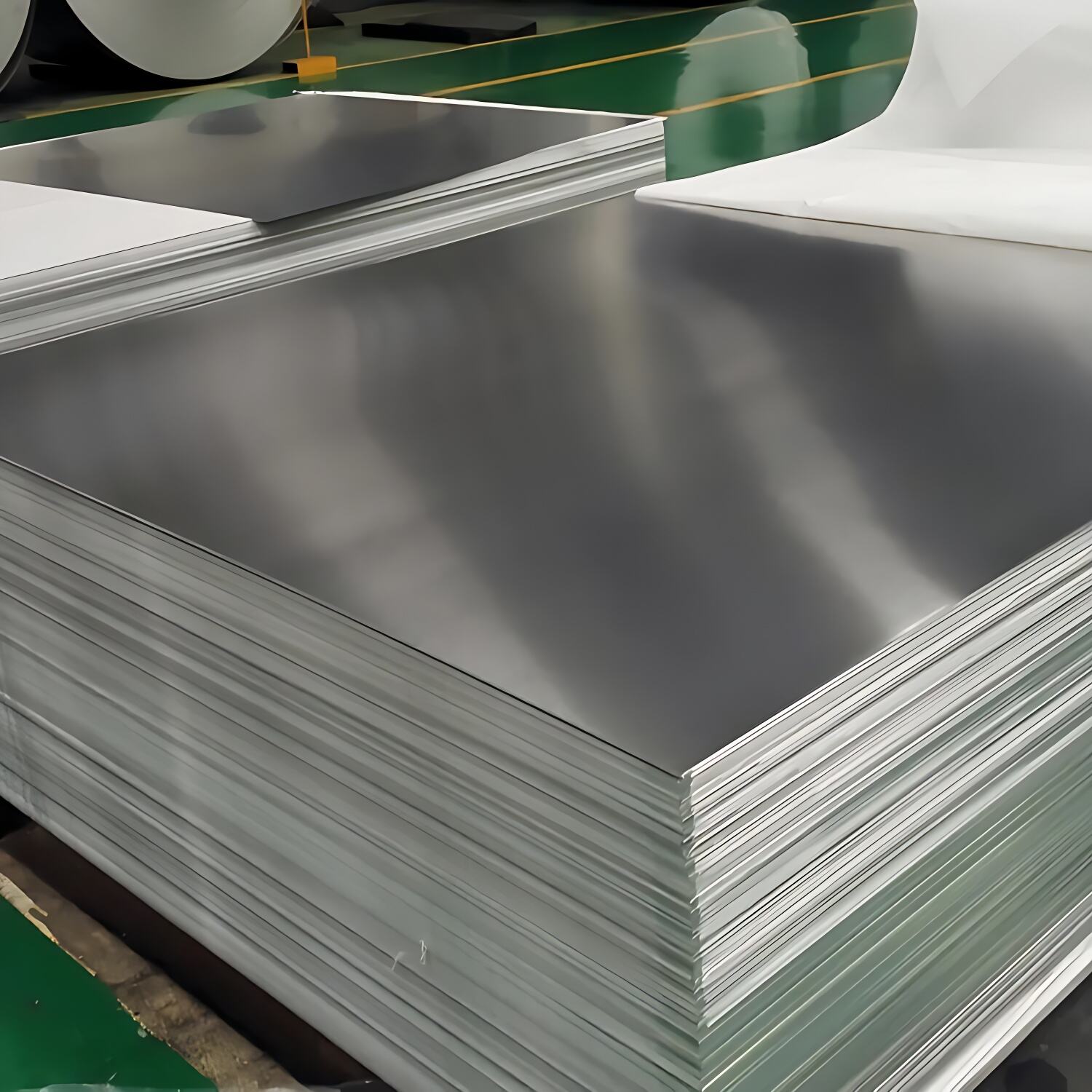
High-temperature industrial applications demand materials that can withstand extreme conditions while maintaining structural integrity and performance. Stainless steel plates have emerged as the preferred solution for industries ranging from aerospace to petrochemicals, where temperatures can reach several hundred degrees Celsius. These remarkable materials combine exceptional heat resistance with corrosion protection, making them indispensable for critical applications where failure is not an option. Understanding the unique properties that make stainless steel plates suitable for high-temperature environments helps engineers and procurement professionals make informed decisions for their specific requirements.
Metallurgical Properties of High-Temperature Stainless Steel Plates
Chromium Content and Oxidation Resistance
The exceptional high-temperature performance of stainless steel plates primarily stems from their chromium content, which typically ranges from 10.5% to 30% depending on the specific grade. When exposed to elevated temperatures, chromium forms a protective oxide layer that prevents further oxidation and maintains the material's structural integrity. This passive layer continuously regenerates itself, ensuring long-term protection even in oxidizing atmospheres. The chromium oxide barrier effectively shields the underlying steel matrix from environmental degradation, making stainless steel plates ideal for applications where traditional carbon steel would rapidly deteriorate.
Advanced grades of stainless steel plates incorporate additional alloying elements such as nickel, molybdenum, and titanium to enhance their high-temperature capabilities. These elements work synergistically with chromium to improve oxidation resistance and maintain mechanical properties at elevated temperatures. The careful balance of these alloying elements allows manufacturers to tailor stainless steel plates for specific temperature ranges and environmental conditions, ensuring optimal performance in demanding applications.
Austenitic Structure Stability
Austenitic stainless steel plates exhibit remarkable stability at high temperatures due to their face-centered cubic crystal structure. This microstructural arrangement provides excellent ductility and toughness, even when subjected to thermal cycling and extreme temperature gradients. The austenitic phase remains stable across a wide temperature range, preventing phase transformations that could compromise the material's mechanical properties or dimensional stability.
The thermal expansion characteristics of austenitic stainless steel plates are particularly advantageous in high-temperature applications. While these materials do exhibit higher thermal expansion coefficients compared to ferritic grades, their predictable expansion behavior allows engineers to design systems that accommodate thermal growth without introducing excessive stress concentrations. This predictability is crucial for maintaining tight tolerances and preventing failure in precision applications where dimensional stability is paramount.
Temperature Resistance Capabilities Across Different Grades
300 Series Performance Characteristics
The 300 series represents the most widely used family of high-temperature stainless steel plates, with grades such as 304, 316, and 321 offering excellent performance in various thermal environments. Type 304 stainless steel plates can operate continuously at temperatures up to 870°C in oxidizing atmospheres, while maintaining adequate strength and corrosion resistance for most industrial applications. The addition of molybdenum in grade 316 enhances both high-temperature strength and resistance to chloride-induced corrosion, making these plates suitable for marine and chemical processing environments.
Grade 321 stainless steel plates incorporate titanium stabilization, which prevents carbide precipitation during high-temperature exposure and subsequent cooling cycles. This stabilization mechanism ensures that the material retains its corrosion resistance and mechanical properties even after prolonged exposure to temperatures in the sensitization range. The superior high-temperature stability of grade 321 makes these stainless steel plates particularly valuable for welded constructions and applications involving frequent thermal cycling.
Specialized High-Temperature Alloys
For extreme high-temperature applications exceeding 1000°C, specialized stainless steel plates such as grades 309, 310, and 330 provide superior performance through enhanced chromium and nickel content. These super-austenitic grades maintain their structural integrity and oxidation resistance at temperatures where conventional stainless steel plates would experience rapid degradation. The increased alloy content also provides improved creep resistance, allowing these materials to support mechanical loads at elevated temperatures for extended periods.
Precipitation-hardening stainless steel plates offer another approach to high-temperature applications where strength retention is critical. These materials achieve their exceptional properties through controlled heat treatment that forms strengthening precipitates within the austenitic matrix. The resulting combination of high strength and temperature resistance makes these specialized stainless steel plates ideal for aerospace components, gas turbine parts, and other demanding applications where weight reduction and performance are equally important.
Industrial Applications and Performance Requirements
Power Generation and Energy Systems
Power generation facilities rely heavily on stainless steel plates for critical components exposed to high temperatures and corrosive environments. In coal-fired power plants, these materials serve as superheater tubes, steam headers, and pressure vessel components that must withstand temperatures exceeding 600°C while maintaining structural integrity under high-pressure conditions. The excellent creep resistance and oxidation protection of stainless steel plates ensure reliable operation throughout extended service intervals, minimizing maintenance costs and unplanned downtime.
Nuclear power applications demand stainless steel plates with exceptional purity and documented traceability to ensure safe operation under extreme conditions. These materials must demonstrate resistance to radiation-induced degradation while maintaining their high-temperature performance characteristics. The stringent quality requirements for nuclear-grade stainless steel plates include comprehensive testing for grain size, inclusion content, and mechanical properties to verify compliance with international nuclear standards.
Chemical and Petrochemical Processing
Chemical processing industries utilize stainless steel plates in reactors, heat exchangers, and distillation columns where high temperatures combine with aggressive chemical environments. The dual resistance to thermal and chemical attack makes these materials indispensable for processes involving organic acids, chlorinated compounds, and high-temperature synthesis reactions. The superior performance of stainless steel plates in these applications often justifies their higher initial cost through reduced maintenance requirements and extended service life.
Petrochemical refineries employ stainless steel plates in catalytic cracking units, reforming reactors, and other high-temperature processing equipment where hydrocarbon streams can reach temperatures exceeding 500°C. The materials must resist both high-temperature oxidation and sulfur-induced corrosion while maintaining adequate strength for pressure containment. Advanced grades of stainless steel plates specifically designed for these applications incorporate specialized alloying elements to optimize performance in reducing atmospheres containing hydrogen sulfide and other corrosive compounds.
Design Considerations for High-Temperature Applications
Thermal Stress Management
Effective utilization of stainless steel plates in high-temperature applications requires careful consideration of thermal stress development and management. The coefficient of thermal expansion for austenitic stainless steel plates is approximately 50% higher than carbon steel, necessitating appropriate design provisions for thermal growth. Engineers must incorporate expansion joints, flexible connections, and proper support arrangements to accommodate dimensional changes without introducing excessive stress concentrations that could lead to premature failure.
Thermal cycling presents additional challenges for stainless steel plates, as repeated heating and cooling can induce fatigue damage and dimensional instability. Design strategies for managing thermal cycling include minimizing temperature gradients, providing adequate thickness margins, and selecting grades with superior low-cycle fatigue resistance. The thermal mass and heat transfer characteristics of stainless steel plates must be considered when designing systems subject to rapid temperature changes or emergency shutdown conditions.
Welding and Fabrication Guidelines
High-temperature applications of stainless steel plates often require extensive welding and fabrication, demanding specialized procedures to maintain material properties and performance. Welding processes must be carefully controlled to prevent sensitization, which can reduce corrosion resistance in the heat-affected zone. Post-weld heat treatment may be necessary for certain grades of stainless steel plates to restore optimal microstructure and stress relief, particularly in thick sections or highly restrained joints.
Fabrication techniques for stainless steel plates must account for their work-hardening characteristics and higher strength at elevated temperatures. Cold forming operations should be minimized to prevent excessive work hardening that could reduce ductility and toughness. Hot forming processes offer advantages for complex shapes but require precise temperature control to maintain optimal microstructure and properties in the finished components.
Quality Standards and Testing Requirements
International Standards Compliance
High-temperature applications of stainless steel plates must comply with rigorous international standards that specify material composition, mechanical properties, and testing requirements. ASTM A240 provides comprehensive specifications for chromium and chromium-nickel stainless steel plates intended for pressure vessel and general applications. European standard EN 10088 establishes similar requirements with additional provisions for specific high-temperature grades and applications within the European market.
Industry-specific standards such as ASME Section II for pressure vessel applications and NACE standards for corrosive environments provide additional requirements for stainless steel plates used in critical high-temperature services. These standards mandate specific testing protocols, documentation requirements, and quality assurance procedures to ensure reliable performance in demanding applications. Compliance with these standards provides confidence in material performance and facilitates regulatory approval for safety-critical applications.
Testing and Certification Protocols
Comprehensive testing protocols for high-temperature stainless steel plates include mechanical property evaluation, corrosion resistance assessment, and microstructural analysis. Tensile testing at elevated temperatures verifies strength and ductility retention, while creep testing evaluates long-term strength under sustained loading conditions. Oxidation testing in controlled atmospheres simulates service conditions to validate high-temperature performance predictions.
Non-destructive testing methods play a crucial role in quality assurance for stainless steel plates destined for high-temperature applications. Ultrasonic inspection detects internal defects that could compromise performance, while surface examination techniques identify surface imperfections that might serve as stress concentration sites. Chemical analysis verification ensures compliance with specified composition limits, while grain size evaluation confirms appropriate microstructural characteristics for the intended service conditions.
Economic Benefits and Lifecycle Considerations
Total Cost of Ownership Analysis
While stainless steel plates command higher initial purchase prices compared to carbon steel alternatives, their superior performance in high-temperature applications often results in lower total cost of ownership. Extended service life, reduced maintenance requirements, and improved reliability contribute to significant lifecycle cost savings that can justify the premium investment. The ability of stainless steel plates to maintain performance without protective coatings eliminates ongoing coating maintenance costs and associated downtime.
Energy efficiency benefits of stainless steel plates in high-temperature applications stem from their superior thermal properties and resistance to fouling and corrosion. Clean surfaces maintain optimal heat transfer efficiency, reducing energy consumption and improving process economics. The dimensional stability of stainless steel plates also minimizes energy losses through leakage and maintains system efficiency throughout extended service intervals.
Sustainability and Environmental Impact
The exceptional durability of stainless steel plates in high-temperature applications contributes to sustainable design practices by minimizing material replacement frequency and associated environmental impacts. The high recycled content of stainless steel plates and their complete recyclability at end of life further enhance their environmental credentials. Manufacturing processes for stainless steel plates have also improved significantly, reducing energy consumption and emissions while maintaining quality standards.
Lifecycle assessment studies consistently demonstrate the environmental advantages of stainless steel plates in high-temperature applications compared to alternatives requiring frequent replacement or extensive protective systems. The reduced need for surface treatments, coatings, and replacement parts minimizes the environmental footprint of systems utilizing these materials. Additionally, the corrosion resistance of stainless steel plates prevents contamination of process streams and reduces the risk of environmental releases in industrial applications.
FAQ
What is the maximum operating temperature for standard stainless steel plates?
Standard austenitic stainless steel plates like grade 304 can operate continuously at temperatures up to 870°C in oxidizing atmospheres, while specialized high-temperature grades such as 310 and 330 can withstand temperatures exceeding 1000°C. The exact temperature limit depends on the specific grade, atmosphere conditions, and required service life. For critical applications, creep strength and oxidation resistance data should be evaluated to determine safe operating limits for the intended service duration.
How do stainless steel plates compare to carbon steel in high-temperature applications?
Stainless steel plates offer superior oxidation resistance, corrosion protection, and strength retention at elevated temperatures compared to carbon steel. While carbon steel begins to oxidize rapidly above 400°C and requires protective coatings or atmospheres, stainless steel plates maintain their properties through their self-protecting oxide layer. The initial cost premium for stainless steel plates is typically offset by reduced maintenance, longer service life, and elimination of coating systems in high-temperature environments.
What welding considerations are important for high-temperature stainless steel plate applications?
Welding stainless steel plates for high-temperature service requires careful control of heat input, interpass temperature, and post-weld treatment to maintain corrosion resistance and mechanical properties. Stabilized grades like 321 or 347 may be preferred for welded constructions to prevent sensitization. Proper filler metal selection, controlled cooling rates, and potential solution annealing of the heat-affected zone are critical for maintaining high-temperature performance in welded assemblies.
How should thermal expansion be addressed when designing with stainless steel plates?
Thermal expansion design considerations for stainless steel plates include incorporating expansion joints, flexible connections, and proper anchor point arrangements to accommodate dimensional changes without inducing excessive stress. The thermal expansion coefficient of austenitic stainless steel plates is approximately 50% higher than carbon steel, requiring careful calculation of thermal growth and appropriate design provisions. Computational analysis tools can help optimize support arrangements and minimize thermal stress concentrations in complex systems.
Table of Contents
- Metallurgical Properties of High-Temperature Stainless Steel Plates
- Temperature Resistance Capabilities Across Different Grades
- Industrial Applications and Performance Requirements
- Design Considerations for High-Temperature Applications
- Quality Standards and Testing Requirements
- Economic Benefits and Lifecycle Considerations
-
FAQ
- What is the maximum operating temperature for standard stainless steel plates?
- How do stainless steel plates compare to carbon steel in high-temperature applications?
- What welding considerations are important for high-temperature stainless steel plate applications?
- How should thermal expansion be addressed when designing with stainless steel plates?