
 EN
EN


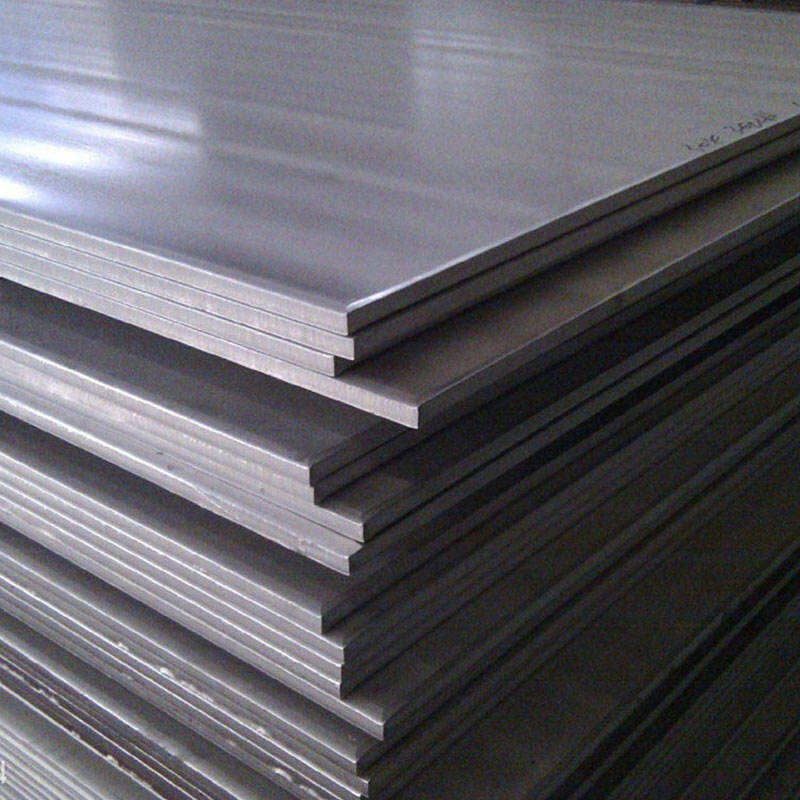
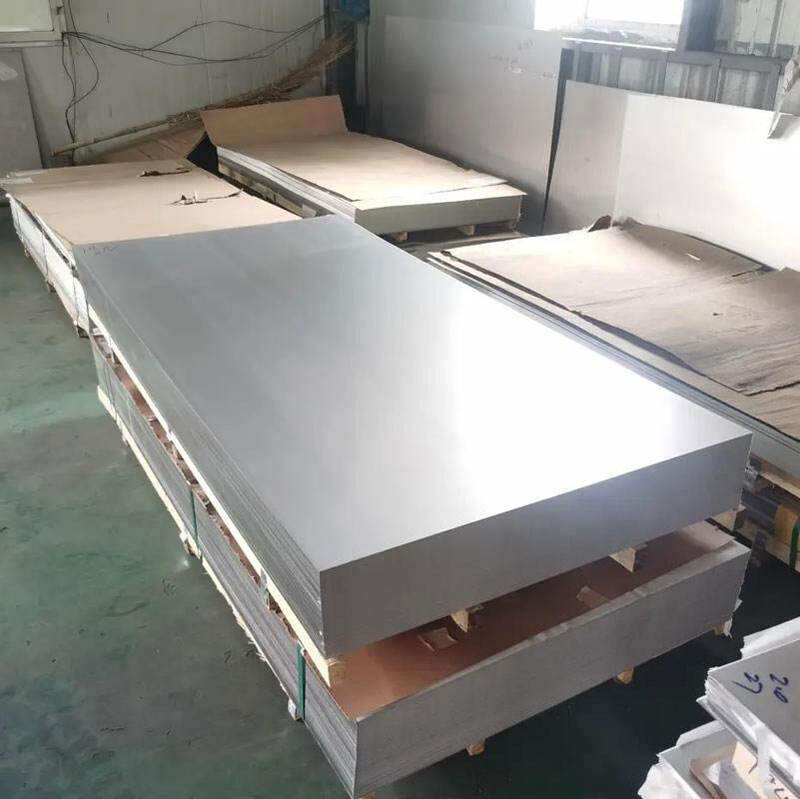
Stainless steel sheets have revolutionized modern manufacturing and construction industries through their exceptional corrosion resistance properties. These versatile metal products offer unmatched durability and performance across diverse applications, from food processing equipment to architectural facades. The unique chromium content in stainless steel sheets creates a passive oxide layer that naturally protects against rust, oxidation, and chemical degradation. Industries worldwide rely on stainless steel sheets for their superior mechanical properties, aesthetic appeal, and long-term cost-effectiveness. Understanding the specific benefits these materials provide can help businesses make informed decisions about their material selection and procurement strategies.
Fundamental Properties of Stainless Steel Sheets
Chromium Content and Oxide Layer Formation
The exceptional corrosion resistance of stainless steel sheets stems from their minimum 10.5% chromium content, which forms a thin, invisible chromium oxide layer on the surface. This passive layer self-heals when damaged, providing continuous protection against environmental factors. The thickness of this protective layer typically measures only a few atoms thick, yet it delivers remarkable resistance to moisture, chemicals, and atmospheric pollutants. Advanced stainless steel sheets may contain additional alloying elements like nickel, molybdenum, and titanium to enhance specific properties for specialized applications.
Different grades of stainless steel sheets offer varying levels of corrosion resistance based on their chemical composition. Austenitic grades provide excellent general corrosion resistance, while duplex grades offer superior resistance to stress corrosion cracking and pitting. The microstructure of stainless steel sheets directly influences their mechanical properties, including tensile strength, yield strength, and elongation characteristics. Manufacturing processes such as cold rolling, hot rolling, and heat treatment further optimize these properties for specific industrial requirements.
Mechanical Strength and Durability Characteristics
Stainless steel sheets demonstrate exceptional mechanical properties that make them suitable for demanding structural applications. These materials typically exhibit tensile strengths ranging from 500 to 2000 MPa, depending on the grade and processing condition. The work-hardening characteristics of stainless steel sheets allow them to strengthen under mechanical stress, improving their performance in dynamic loading conditions. Temperature stability remains excellent across a wide range, with many grades maintaining their properties from cryogenic temperatures to elevated service conditions.
The fatigue resistance of stainless steel sheets surpasses many other metallic materials, making them ideal for cyclically loaded components. Their impact toughness remains high even at low temperatures, preventing brittle failure in harsh environments. Surface finish options for stainless steel sheets range from mill finish to mirror polish, each providing different aesthetic and functional benefits. The dimensional stability of these materials ensures consistent performance over extended service periods, reducing maintenance requirements and operational costs.
Industrial Applications and Performance Benefits
Food Processing and Pharmaceutical Industries
The food processing industry relies heavily on stainless steel sheets for equipment construction due to their hygienic properties and chemical inertness. These materials resist bacterial growth and allow for thorough cleaning and sterilization without degradation. Pharmaceutical manufacturing facilities utilize stainless steel sheets for clean room construction, processing equipment, and storage systems where contamination prevention is critical. The non-porous surface of properly finished stainless steel sheets prevents the accumulation of residues and facilitates compliance with stringent regulatory requirements.
Temperature resistance makes stainless steel sheets suitable for both refrigeration systems and high-temperature cooking processes. Their ability to withstand repeated thermal cycling without structural changes ensures reliable performance in commercial kitchens and food production lines. The FDA-approved grades of stainless steel sheets provide assurance for direct food contact applications. Easy maintenance and cleaning procedures reduce operational costs while maintaining the highest standards of food safety and quality control.
Chemical Processing and Petrochemical Applications
Chemical processing plants depend on stainless steel sheets for constructing reaction vessels, storage tanks, and piping systems that handle corrosive chemicals. The superior chemical resistance of these materials prevents degradation when exposed to acids, bases, and organic solvents. Specialized super austenitic grades offer enhanced resistance to chloride-containing environments common in offshore and marine applications. The welding characteristics of stainless steel sheets allow for complex fabrication while maintaining corrosion resistance at joint locations.
Petrochemical refineries utilize stainless steel sheets in distillation columns, heat exchangers, and pressure vessels where high temperatures and corrosive conditions prevail. The thermal conductivity properties enable efficient heat transfer while maintaining structural integrity. Cost-effective maintenance schedules result from the extended service life of stainless steel sheet installations. Environmental compliance benefits emerge from the recyclable nature and reduced environmental impact of stainless steel sheet applications.
Economic Advantages and Cost Considerations
Long-term Value and Return on Investment
While the initial cost of stainless steel sheets may exceed alternative materials, their extended service life delivers superior long-term value. Reduced maintenance requirements translate to lower operational costs and decreased downtime for industrial facilities. The corrosion resistance of stainless steel sheets eliminates the need for protective coatings, painting, or frequent replacement cycles. Industries report significant cost savings over the equipment lifecycle when utilizing high-quality stainless steel sheets for critical applications.
Energy efficiency improvements result from the thermal properties and durability of stainless steel sheets in HVAC systems and industrial processes. The recyclability of stainless steel sheets provides residual value at the end of their service life, contributing to sustainable manufacturing practices. Insurance costs may decrease due to the fire resistance and safety characteristics of stainless steel sheet construction. Total cost of ownership calculations consistently favor stainless steel sheets for applications requiring reliability and longevity.
Supply Chain Benefits and Material Availability
Global availability of stainless steel sheets ensures reliable supply chains for multinational corporations and local manufacturers. Standardized grades and specifications facilitate procurement processes and inventory management across different regions. The established recycling infrastructure for stainless steel sheets supports circular economy initiatives and reduces raw material costs. Quality certification systems provide traceability and assurance for critical applications requiring material verification.
Just-in-time delivery options reduce inventory carrying costs while maintaining production schedules. The versatility of stainless steel sheets allows for consolidation of material specifications across multiple applications within a facility. Supplier partnerships often include technical support and application engineering services that add value beyond the material cost. Market stability in stainless steel sheet pricing enables accurate long-term budgeting and project planning.
Environmental and Sustainability Aspects
Recyclability and Environmental Impact
Stainless steel sheets represent one of the most environmentally sustainable material choices due to their complete recyclability without quality degradation. The recycling process for stainless steel sheets requires significantly less energy compared to primary production, reducing carbon footprint and environmental impact. End-of-life stainless steel sheets retain substantial value in scrap markets, encouraging proper disposal and recycling practices. Life cycle assessments consistently demonstrate the environmental benefits of choosing stainless steel sheets for long-term applications.
Manufacturing processes for modern stainless steel sheets incorporate energy-efficient technologies and waste reduction strategies. The durability of stainless steel sheets reduces the frequency of replacement and associated transportation costs and emissions. Green building certifications often recognize the sustainability benefits of stainless steel sheet applications in construction projects. Corporate sustainability goals align well with the environmental advantages of specifying stainless steel sheets for industrial applications.
Energy Efficiency and Performance Optimization
The thermal properties of stainless steel sheets contribute to energy efficiency in building envelopes and industrial equipment. Reflective surface finishes reduce heat absorption and cooling loads in warm climates. The low thermal expansion coefficient minimizes stress and energy losses in piping systems and structural applications. Magnetic properties of certain stainless steel sheet grades enable induction heating applications that improve energy efficiency in manufacturing processes.
Surface treatments and finishes can be optimized to enhance specific performance characteristics while maintaining the inherent benefits of stainless steel sheets. Advanced manufacturing techniques continue to improve the energy efficiency of stainless steel sheet production processes. The combination of performance and sustainability makes stainless steel sheets an ideal choice for environmentally conscious organizations seeking to reduce their operational impact.
Selection Criteria and Specification Guidelines
Grade Selection for Specific Applications
Proper selection of stainless steel sheets requires careful consideration of the operating environment, mechanical requirements, and cost constraints. Austenitic grades like 304 and 316 provide excellent general-purpose performance for most applications involving stainless steel sheets. Ferritic grades offer cost advantages in applications where high strength and magnetic properties are acceptable. Duplex grades combine the benefits of austenitic and ferritic structures for demanding applications requiring superior corrosion resistance and mechanical properties.
Temperature ranges, chemical exposure levels, and mechanical loading conditions determine the appropriate grade selection for stainless steel sheets. Surface finish requirements influence both performance and aesthetic considerations in architectural and consumer applications. Thickness specifications for stainless steel sheets must balance structural requirements with cost and fabrication considerations. Technical data sheets provide detailed information about mechanical properties, corrosion resistance, and processing characteristics.
Quality Assurance and Testing Standards
International standards such as ASTM, EN, and JIS provide comprehensive specifications for stainless steel sheets across different markets and applications. Material certification includes chemical composition analysis, mechanical property testing, and surface quality inspection. Non-destructive testing methods verify the integrity of stainless steel sheets without compromising their performance characteristics. Quality management systems ensure consistent production and delivery of stainless steel sheets meeting specified requirements.
Traceability systems track stainless steel sheets from raw material production through final delivery, enabling quality control and issue resolution. Statistical process control monitors key quality parameters during manufacturing to maintain consistent product characteristics. Third-party inspection services provide independent verification of stainless steel sheet quality and compliance with specifications. Documentation packages include material test certificates, dimensional reports, and surface quality assessments.
FAQ
What makes stainless steel sheets resistant to corrosion compared to regular steel
Stainless steel sheets contain a minimum of 10.5% chromium, which forms a passive oxide layer on the surface that protects against corrosion. This invisible layer self-heals when damaged and provides continuous protection against moisture, chemicals, and atmospheric pollutants. Regular steel lacks this chromium content and protective oxide layer, making it susceptible to rust and corrosion when exposed to oxygen and moisture.
How do you determine the right grade of stainless steel sheets for a specific application
Grade selection for stainless steel sheets depends on factors including operating temperature, chemical exposure, mechanical requirements, and cost considerations. Austenitic grades like 304 and 316 work well for general applications, while duplex grades offer superior strength and corrosion resistance for demanding environments. Consulting technical data sheets and working with materials engineers helps ensure proper grade selection for specific performance requirements.
Can stainless steel sheets be welded without losing their corrosion resistance
Yes, stainless steel sheets can be welded using appropriate techniques and filler materials while maintaining their corrosion resistance properties. Proper welding procedures, including adequate shielding gas and post-weld treatments, preserve the chromium oxide layer in the heat-affected zone. Some applications may require post-weld pickling and passivation treatments to restore optimal corrosion resistance in welded areas.
What are the main cost factors when specifying stainless steel sheets for industrial projects
The total cost of stainless steel sheets includes initial material cost, fabrication expenses, installation requirements, and long-term maintenance considerations. While stainless steel sheets may have higher upfront costs than alternatives, their extended service life, reduced maintenance needs, and recyclable value often provide superior total cost of ownership. Grade selection, thickness, surface finish, and quantity requirements all influence the overall project cost for stainless steel sheets.
Table of Contents
- Fundamental Properties of Stainless Steel Sheets
- Industrial Applications and Performance Benefits
- Economic Advantages and Cost Considerations
- Environmental and Sustainability Aspects
- Selection Criteria and Specification Guidelines
-
FAQ
- What makes stainless steel sheets resistant to corrosion compared to regular steel
- How do you determine the right grade of stainless steel sheets for a specific application
- Can stainless steel sheets be welded without losing their corrosion resistance
- What are the main cost factors when specifying stainless steel sheets for industrial projects