
 EN
EN


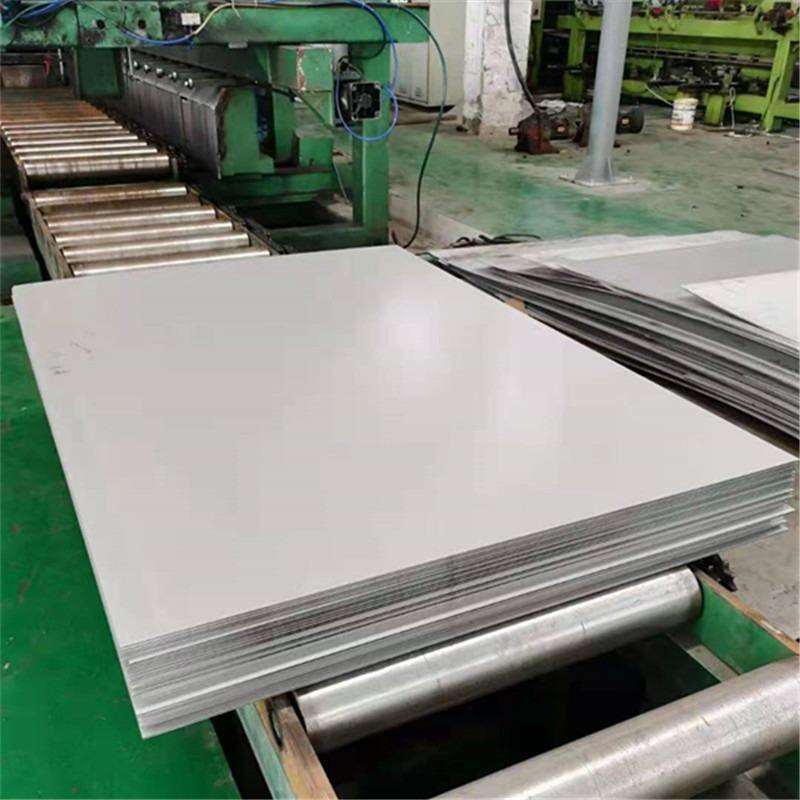
Stainless steel sheets are among the most versatile and durable materials used across various industries, from construction and architecture to food processing and marine applications. These remarkable metal products offer exceptional corrosion resistance, aesthetic appeal, and structural integrity that make them indispensable in modern manufacturing and construction projects. However, to maximize the lifespan and performance of stainless steel sheets, proper maintenance practices are essential to preserve their inherent properties and ensure optimal functionality throughout their service life.
Understanding the fundamental characteristics of stainless steel sheets is crucial for developing effective maintenance strategies. The chromium content in these materials creates a passive oxide layer that provides natural corrosion protection, but this protective barrier can be compromised without proper care. Environmental factors, chemical exposure, and mechanical wear can gradually degrade the surface quality and structural integrity of stainless steel sheets if appropriate preventive measures are not implemented consistently.
Understanding Stainless Steel Sheet Composition and Properties
Chromium Content and Passive Layer Formation
The exceptional corrosion resistance of stainless steel sheets stems from their chromium content, which typically ranges from 10.5% to 30% depending on the specific grade. When chromium interacts with oxygen in the atmosphere, it forms a thin, invisible passive layer of chromium oxide on the surface. This self-healing layer is what gives stainless steel sheets their remarkable ability to resist rust and corrosion in most environments. The passive layer continuously regenerates itself when damaged, provided the underlying material contains sufficient chromium content.
Different grades of stainless steel sheets contain varying amounts of chromium, nickel, molybdenum, and other alloying elements that enhance specific properties. Austenitic grades like 304 and 316 offer excellent formability and weldability, while ferritic grades provide superior corrosion resistance in certain environments. Understanding the composition of your specific stainless steel sheets helps determine the most appropriate maintenance procedures and cleaning agents to use for optimal performance.
Surface Finishes and Their Maintenance Requirements
Stainless steel sheets are available in numerous surface finishes, each requiring specific maintenance approaches to preserve their appearance and functionality. Mill finishes, brushed finishes, and mirror polished surfaces all have unique characteristics that affect their susceptibility to contamination and the methods needed for effective cleaning. The surface roughness and texture influence how contaminants adhere to the material and determine the cleaning frequency required to maintain optimal performance.
Textured surfaces on stainless steel sheets can hide minor scratches and fingerprints but may trap dirt and contaminants more readily than smooth finishes. Conversely, highly polished surfaces show every imperfection but are generally easier to clean and sanitize. Selecting the appropriate surface finish for your application and understanding its maintenance requirements is essential for long-term performance optimization of stainless steel sheets.
Regular Cleaning Protocols for Stainless Steel Sheets
Daily Cleaning and Inspection Procedures
Establishing a consistent daily cleaning routine is fundamental to maintaining the performance and appearance of stainless steel sheets in any application. Regular inspection during cleaning allows early detection of potential issues such as surface contamination, corrosion initiation, or mechanical damage that could compromise the integrity of the material. Daily cleaning should focus on removing surface contaminants, fingerprints, and any deposits that could interfere with the passive layer formation on stainless steel sheets.
The cleaning frequency for stainless steel sheets depends largely on the operating environment and exposure conditions. Food processing facilities may require multiple cleaning cycles per day, while architectural applications might only need weekly attention. Developing a cleaning schedule based on actual contamination rates and visual inspection results ensures that maintenance efforts are both effective and economical while preserving the long-term performance of the stainless steel sheets.
Appropriate Cleaning Agents and Techniques
Selecting the correct cleaning agents is critical for maintaining stainless steel sheets without damaging the passive layer or causing surface deterioration. Mild alkaline cleaners, neutral pH detergents, and specialized stainless steel cleaners are generally safe for regular use on most grades of stainless steel sheets. Avoid chloride-containing cleaners, bleach solutions, and abrasive compounds that can cause pitting corrosion or surface damage that compromises the material's protective properties.
Proper cleaning technique involves using soft cloths, non-abrasive sponges, or plastic scrapers to remove contaminants without scratching the surface of stainless steel sheets. Always clean in the direction of the grain pattern when present, and rinse thoroughly with clean water to remove all cleaning residues. Using distilled or deionized water for final rinsing prevents mineral deposits and water spotting that can detract from the appearance and performance of stainless steel sheets over time.
Preventing Contamination and Environmental Damage
Identifying Common Contamination Sources
Environmental contaminants pose significant threats to the long-term performance of stainless steel sheets, particularly in industrial and marine environments where exposure to aggressive substances is common. Chloride compounds from salt spray, road de-icing salts, and swimming pool chemicals are among the most damaging contaminants that can initiate localized corrosion on stainless steel sheets. Iron particles from nearby carbon steel processing or transportation can also contaminate surfaces and create corrosion sites.
Chemical exposure from cleaning products, process chemicals, and atmospheric pollutants can gradually degrade the passive layer on stainless steel sheets if not promptly removed. Organic contaminants such as oils, greases, and food residues may not directly cause corrosion but can trap other harmful substances against the surface and interfere with the self-healing properties of the passive layer. Regular monitoring and prompt removal of these contaminants are essential for maintaining optimal performance of stainless steel sheets.
Protective Coating Applications
While stainless steel sheets possess inherent corrosion resistance, additional protective coatings can extend their service life in particularly aggressive environments. Temporary protective films applied during fabrication and installation protect against construction damage and contamination, but must be removed promptly to prevent adhesive residue problems. Permanent protective coatings such as specialized polymers or ceramic treatments can provide enhanced protection for stainless steel sheets in extreme service conditions.
The application of protective coatings on stainless steel sheets requires careful surface preparation and compatibility testing to ensure proper adhesion and performance. Some coating systems may actually trap contaminants against the surface or interfere with the natural passivation process, potentially causing more harm than benefit. Consultation with coating specialists and thorough evaluation of environmental conditions help determine whether protective coatings are beneficial for specific stainless steel sheet applications.
Corrosion Prevention and Passivation Processes
Understanding Passivation Treatment
Passivation is a chemical treatment process that enhances the natural corrosion resistance of stainless steel sheets by removing free iron and other contaminants from the surface while promoting the formation of a uniform passive layer. This treatment is particularly important for newly fabricated stainless steel sheets or those that have been welded, machined, or otherwise processed in ways that may have compromised the original passive layer. Professional passivation services ensure that stainless steel sheets achieve their maximum corrosion resistance potential.
The passivation process typically involves cleaning the stainless steel sheets with specialized solutions followed by treatment with nitric acid or citric acid solutions that dissolve embedded iron particles and promote passive layer formation. Proper passivation requires careful attention to solution concentrations, treatment times, and temperature control to achieve optimal results without damaging the base material. Regular passivation maintenance may be necessary for stainless steel sheets operating in challenging environments or after significant surface contamination events.
Electrochemical Protection Methods
In extremely corrosive environments, electrochemical protection methods can provide additional safeguards for stainless steel sheets beyond their natural corrosion resistance. Cathodic protection systems use impressed current or sacrificial anodes to maintain the stainless steel sheets at protective electrical potentials that prevent corrosion initiation. These systems are particularly valuable for stainless steel sheets in marine environments, chemical processing plants, and other applications where traditional maintenance methods may be insufficient.
The design and implementation of electrochemical protection systems for stainless steel sheets require specialized expertise and careful consideration of the operating environment. Improper application of cathodic protection can actually accelerate certain types of corrosion or cause hydrogen embrittlement problems in some stainless steel grades. Professional engineering consultation ensures that electrochemical protection systems complement rather than compromise the natural corrosion resistance of stainless steel sheets.
Storage and Handling Best Practices
Proper Storage Environmental Controls
Maintaining optimal storage conditions is essential for preserving the quality and performance characteristics of stainless steel sheets before installation. Storage areas should provide protection from direct exposure to moisture, temperature extremes, and atmospheric contaminants that could cause surface deterioration or corrosion initiation. Adequate ventilation prevents condensation formation while maintaining stable temperature and humidity levels that minimize thermal stress on stored stainless steel sheets.
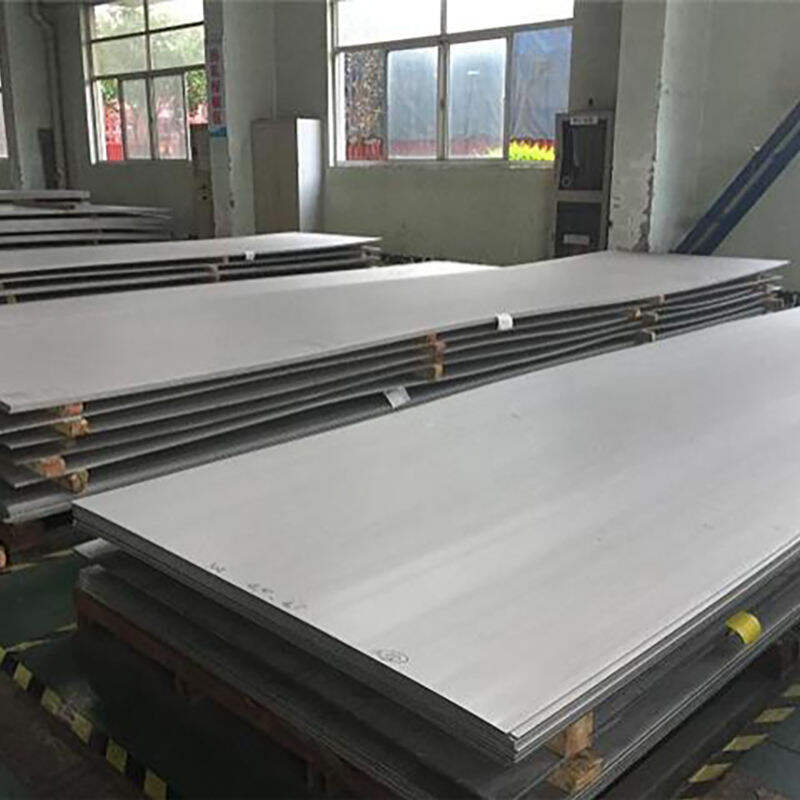
Separation materials used between stacked stainless steel sheets must be clean, dry, and free from contaminants that could transfer to the metal surfaces during storage. Paper separators, plastic films, and wooden dunnage should be regularly inspected and replaced as needed to prevent contamination transfer. Proper stacking techniques distribute weight evenly and prevent deformation that could compromise the dimensional accuracy and performance of stainless steel sheets during subsequent use.
Safe Handling and Transportation Methods
Careful handling procedures protect stainless steel sheets from mechanical damage, contamination, and surface defects that could affect their long-term performance. Using appropriate lifting equipment, protective padding, and trained personnel minimizes the risk of scratches, dents, and other surface imperfections that can serve as corrosion initiation sites. Proper handling techniques also prevent contact with carbon steel tools and equipment that could transfer iron particles to the stainless steel sheets surfaces.
Transportation of stainless steel sheets requires secure packaging and protection systems that prevent movement, vibration damage, and environmental exposure during transit. Vehicle selection, route planning, and delivery scheduling should consider weather conditions and potential contamination sources that could affect the material quality. Documentation of handling and transportation conditions helps track potential exposure events and guides subsequent inspection and cleaning requirements for the stainless steel sheets.
Professional Maintenance and Inspection Services
Scheduled Professional Assessment Programs
Regular professional inspection and assessment services provide objective evaluation of stainless steel sheets condition and performance trends that may not be apparent through routine visual inspections. Qualified inspectors use specialized techniques such as surface roughness measurement, passivity testing, and corrosion potential monitoring to assess the integrity of the passive layer and identify potential problem areas before significant deterioration occurs. These professional assessments help optimize maintenance schedules and prevent costly premature replacement of stainless steel sheets.
Professional maintenance programs can customize inspection frequencies and assessment methods based on the specific operating conditions and performance requirements of different stainless steel sheets installations. Documentation of inspection results and maintenance activities provides valuable data for tracking performance trends, identifying recurring problems, and optimizing maintenance procedures over time. This systematic approach ensures that maintenance investments deliver maximum value while extending the service life of stainless steel sheets.
Specialized Cleaning and Restoration Services
Professional cleaning and restoration services offer advanced techniques and equipment that may not be practical for routine maintenance activities but can effectively address significant contamination or surface deterioration problems on stainless steel sheets. Specialized methods such as electrochemical cleaning, laser surface treatment, and chemical passivation renewal can restore performance characteristics that have been compromised by severe service conditions or inadequate maintenance practices.
The cost-effectiveness of professional restoration services depends on the extent of deterioration, the value of the affected stainless steel sheets, and the availability of replacement materials. In many cases, professional restoration can extend service life significantly while maintaining performance standards that justify the investment. Consultation with qualified service providers helps determine the most appropriate restoration methods and evaluate the economic benefits of restoration versus replacement for specific applications.
FAQ
How often should stainless steel sheets be cleaned in different environments
The cleaning frequency for stainless steel sheets varies significantly based on environmental exposure conditions and application requirements. Food processing facilities typically require daily cleaning or multiple cleaning cycles per shift to maintain hygiene standards and prevent contamination buildup. Marine environments may necessitate weekly cleaning to remove salt deposits and prevent chloride-induced corrosion, while indoor architectural applications might only require monthly attention. Industrial environments with chemical exposure or high particulate levels generally need cleaning frequencies between these extremes, with inspection-based scheduling often providing the most cost-effective approach.
What cleaning products should be avoided when maintaining stainless steel sheets
Several cleaning products can damage stainless steel sheets and should be strictly avoided in maintenance procedures. Bleach and chloride-containing cleaners can cause pitting corrosion and compromise the passive layer integrity. Abrasive compounds, steel wool, and wire brushes can scratch surfaces and create corrosion initiation sites. Hydrochloric acid and other strong mineral acids can attack the base metal and destroy the protective chromium oxide layer. Additionally, cleaning products containing iron particles or those that leave chloride residues should not be used on stainless steel sheets to prevent contamination and subsequent corrosion problems.
When is passivation treatment necessary for stainless steel sheets
Passivation treatment becomes necessary for stainless steel sheets after fabrication processes that may have compromised the natural passive layer, such as welding, machining, grinding, or forming operations. New installations should undergo passivation to remove mill scale, embedded iron particles, and other contaminants from manufacturing and handling. Re-passivation may be required after significant contamination events, surface damage, or when routine maintenance fails to restore optimal corrosion resistance. Signs indicating the need for passivation include rust staining, reduced corrosion resistance, or failure to pass salt spray testing requirements for specific applications.
How can you tell if stainless steel sheets are properly maintained
Properly maintained stainless steel sheets exhibit several key characteristics that indicate effective maintenance practices and optimal performance. The surface should be free from rust stains, pitting, or discoloration that might suggest corrosion initiation or contamination problems. Water should sheet uniformly across clean surfaces rather than forming droplets, indicating proper surface condition and cleanliness. The material should maintain its original luster and finish quality without excessive scratching or surface degradation. Additionally, proper maintenance is evidenced by consistent performance over time without unexpected deterioration or the need for frequent repair or replacement of the stainless steel sheets.
Table of Contents
- Understanding Stainless Steel Sheet Composition and Properties
- Regular Cleaning Protocols for Stainless Steel Sheets
- Preventing Contamination and Environmental Damage
- Corrosion Prevention and Passivation Processes
- Storage and Handling Best Practices
- Professional Maintenance and Inspection Services
- FAQ