
 EN
EN


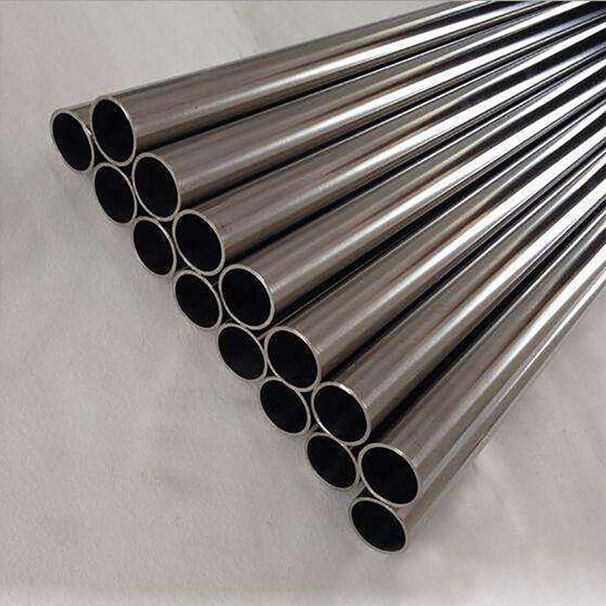
Heat transfer systems form the backbone of countless industrial applications, from HVAC installations to chemical processing plants. The selection of appropriate materials for these systems directly impacts operational efficiency, maintenance costs, and overall performance longevity. Among the various materials available for heat exchanger construction, aluminum tubes have emerged as a preferred choice for engineers seeking optimal thermal conductivity combined with structural reliability. These versatile components offer exceptional heat transfer capabilities while maintaining resistance to corrosion and environmental degradation.
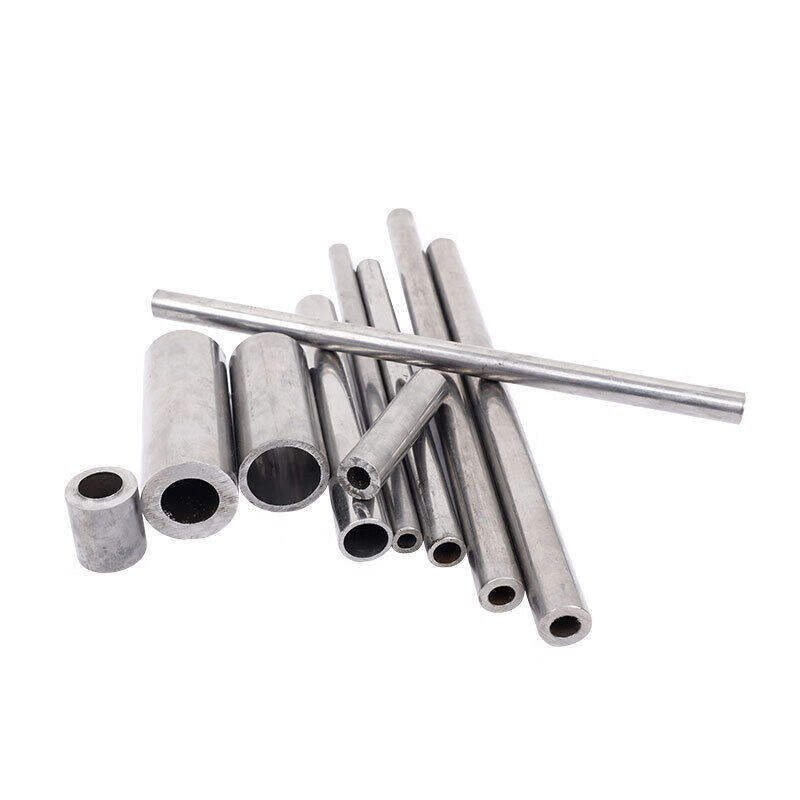
The thermal performance advantages of aluminum tubes stem from the material's inherent properties and manufacturing precision. With thermal conductivity ratings significantly higher than steel alternatives, aluminum enables faster heat exchange rates and improved system responsiveness. This enhanced efficiency translates into reduced energy consumption, lower operational costs, and improved process control across diverse industrial applications. Understanding how these components integrate into heat transfer systems provides valuable insights for system designers and facility managers.
Thermal Conductivity Properties of Aluminum
Superior Heat Transfer Characteristics
The exceptional thermal conductivity of aluminum tubes makes them indispensable components in high-performance heat transfer applications. Aluminum exhibits thermal conductivity values ranging from 200 to 240 watts per meter-kelvin, substantially exceeding the performance of carbon steel and stainless steel alternatives. This superior conductivity enables rapid heat transfer between fluid mediums, reducing temperature differentials and improving overall system efficiency. The molecular structure of aluminum facilitates electron movement, creating pathways for thermal energy transmission that outperform most industrial materials.
Modern manufacturing techniques enhance the natural thermal properties of aluminum tubes through precision forming and surface treatments. Seamless extrusion processes create uniform wall thickness and smooth interior surfaces that minimize thermal resistance while maximizing heat exchange surface area. Advanced alloy compositions, particularly 6061 aluminum specifications, provide optimal balance between thermal performance and mechanical strength. These engineered properties ensure consistent heat transfer rates across varying operational conditions and extended service life.
Temperature Response and Thermal Cycling
The thermal expansion characteristics of aluminum tubes contribute significantly to their effectiveness in dynamic heat transfer environments. Unlike materials with high thermal expansion coefficients, aluminum demonstrates controlled dimensional changes during temperature cycling, reducing stress concentrations and maintaining system integrity. This stable thermal response prevents joint failures and maintains consistent heat transfer performance throughout operational temperature ranges. The material's ability to accommodate thermal cycling without degradation ensures reliable long-term operation.
Temperature uniformity across aluminum tube surfaces eliminates hot spots and thermal gradients that can compromise heat exchanger performance. The rapid thermal equalization properties of aluminum prevent localized overheating and ensure even temperature distribution throughout the heat transfer medium. This uniform thermal response reduces thermal stress on connected components and improves overall system reliability. Enhanced temperature control capabilities enable more precise process management and improved product quality in industrial applications.
Design Flexibility and Configuration Options
Geometric Versatility in Heat Exchanger Design
The malleability and formability of aluminum tubes enable complex heat exchanger configurations that maximize thermal efficiency within spatial constraints. Engineers can specify custom tube geometries, including varying diameters, wall thicknesses, and specialized profiles that optimize heat transfer surface area. Curved configurations and multi-pass arrangements become feasible with aluminum tubes, allowing designers to create compact heat exchangers that fit challenging installation requirements while maintaining high performance standards.
Advanced forming techniques enable the creation of enhanced heat transfer surfaces through internal and external modifications to aluminum tubes. Spiral fins, internal turbulators, and surface texturing increase heat transfer coefficients while maintaining structural integrity. These design enhancements create turbulent flow patterns that improve heat transfer efficiency without significantly increasing pressure drop. The adaptability of aluminum tubes to various surface enhancement techniques provides engineers with multiple options for optimizing thermal performance.
Modular System Integration
The standardized dimensions and connection methods available for aluminum tubes facilitate modular heat exchanger designs that simplify installation and maintenance procedures. Prefabricated tube assemblies can be manufactured to exact specifications and integrated into larger systems with minimal field modification. This modular approach reduces installation time, improves quality control, and enables easier system expansion or modification. The compatibility of aluminum tubes with standard fittings and connection hardware streamlines procurement and reduces inventory complexity.
Scalable heat exchanger designs utilizing aluminum tubes accommodate varying capacity requirements through parallel or series configurations. Multiple tube banks can be combined to achieve desired heat transfer rates while maintaining optimal fluid velocities and pressure drops. This flexibility enables engineers to design systems that can be easily modified for changing process requirements or capacity expansions. The modular nature of aluminum tube systems reduces long-term operational costs through simplified maintenance and component replacement procedures.
Corrosion Resistance and Durability
Natural Oxidation Protection
The formation of a protective oxide layer on aluminum tubes provides inherent corrosion resistance that extends operational life in diverse environmental conditions. This naturally occurring aluminum oxide barrier prevents further oxidation and maintains structural integrity without requiring additional protective coatings. The self-healing properties of the oxide layer ensure continued protection even after minor surface damage occurs during installation or operation. This natural corrosion resistance reduces maintenance requirements and extends equipment service intervals.
Environmental compatibility of aluminum tubes makes them suitable for applications involving various heat transfer fluids and atmospheric conditions. The material demonstrates excellent resistance to moisture, salt air, and most industrial chemicals commonly encountered in heat transfer systems. Unlike ferrous materials that require extensive corrosion protection measures, aluminum tubes maintain performance characteristics without supplementary treatments. This inherent durability reduces total cost of ownership and minimizes environmental impact through extended component life.
Enhanced Alloy Performance
Specialized aluminum alloys developed for heat transfer applications provide enhanced corrosion resistance and mechanical properties beyond those of pure aluminum. The 6061 aluminum specification incorporates magnesium and silicon additions that improve strength while maintaining excellent corrosion resistance and thermal conductivity. These alloying elements create a material that withstands higher pressure applications while preserving the thermal performance advantages of aluminum tubes. Advanced heat treatment processes further optimize the microstructure for specific application requirements.
Long-term performance studies demonstrate the exceptional durability of properly specified aluminum tubes in heat transfer applications. Field data from installations spanning decades confirm the material's ability to maintain thermal performance and structural integrity under continuous operational stress. The combination of corrosion resistance, thermal stability, and mechanical strength ensures reliable operation throughout extended service life. This proven durability record supports the selection of aluminum tubes for critical heat transfer applications requiring long-term reliability.
Manufacturing Quality and Precision
Advanced Production Techniques
Modern manufacturing processes for aluminum tubes incorporate precision extrusion and drawing techniques that achieve tight dimensional tolerances and consistent wall thickness. Seamless production methods eliminate welded joints that could create thermal resistance or potential failure points in heat transfer applications. Advanced quality control systems monitor tube dimensions, surface finish, and material properties throughout the manufacturing process to ensure consistent performance characteristics. These manufacturing standards result in aluminum tubes that meet stringent specifications for critical heat transfer applications.
Surface finishing techniques applied to aluminum tubes optimize heat transfer performance through controlled roughness and cleanliness standards. Specialized cleaning processes remove manufacturing residues and prepare surfaces for optimal thermal contact with heat transfer fluids. Precision bore finishing ensures smooth interior surfaces that minimize pressure drop while maximizing heat transfer coefficients. These manufacturing refinements contribute to improved system efficiency and reduced operational costs through enhanced thermal performance.
Quality Assurance and Testing
Comprehensive testing protocols verify the thermal and mechanical properties of aluminum tubes before shipment to ensure compliance with design specifications. Non-destructive testing methods, including ultrasonic inspection and eddy current examination, detect potential defects that could compromise heat transfer performance. Pressure testing validates the structural integrity of aluminum tubes under operational stress conditions. These quality assurance measures provide confidence in system reliability and performance consistency.
Material certification documentation accompanies aluminum tubes to provide traceability and verification of alloy composition, mechanical properties, and manufacturing compliance. Chemical analysis confirms alloy specifications and ensures compatibility with specific heat transfer applications. Mechanical testing validates strength characteristics and dimensional accuracy according to industry standards. This comprehensive documentation supports quality management systems and provides assurance of material performance in critical applications.
Installation and Maintenance Advantages
Simplified Installation Procedures
The lightweight characteristics of aluminum tubes significantly reduce installation complexity and labor requirements compared to heavier materials. Reduced weight enables easier handling during assembly and reduces structural support requirements for heat exchanger installations. Standard connection methods and joining techniques accommodate aluminum tubes without specialized equipment or procedures. The material's workability allows field modifications when necessary while maintaining system integrity and thermal performance.
Compatibility with conventional installation practices and tools minimizes training requirements and reduces installation costs. Standard cutting, bending, and joining techniques apply to aluminum tubes, enabling existing workforce capabilities to handle installation procedures. The material's resistance to installation damage reduces waste and rework during construction activities. These installation advantages contribute to reduced project timelines and lower overall system costs.
Maintenance and Service Benefits
The corrosion resistance and durability of aluminum tubes minimize maintenance requirements throughout their service life. Routine cleaning procedures effectively maintain heat transfer performance without aggressive chemical treatments that could damage other materials. Visual inspection techniques easily identify potential issues before they impact system performance. The long service life of aluminum tubes reduces replacement frequency and associated maintenance costs.
Component replacement procedures for aluminum tubes utilize standard tools and techniques that minimize downtime during maintenance activities. The availability of various aluminum tube specifications ensures compatibility with existing systems during repair or upgrade projects. Welding and joining procedures for aluminum tubes are well-established and supported by qualified technicians. These maintenance advantages contribute to improved system availability and reduced lifecycle costs.
Economic Benefits and Cost Analysis
Initial Investment Considerations
While aluminum tubes may require higher initial investment compared to some alternative materials, the total cost of ownership analysis typically favors aluminum for heat transfer applications. The superior thermal conductivity of aluminum tubes enables smaller heat exchanger designs that reduce material and installation costs. Enhanced efficiency characteristics translate to lower energy consumption and operational savings that offset initial material costs. Long-term durability reduces replacement frequency and associated labor costs.
Design optimization opportunities with aluminum tubes can result in system configurations that require fewer components and reduced complexity. The enhanced heat transfer performance enables smaller tube diameters or reduced surface area requirements for equivalent thermal duty. These design efficiencies reduce material costs, fabrication complexity, and installation time. The economic advantages become more pronounced in applications requiring high thermal performance or extended service life.
Operational Cost Savings
Energy efficiency improvements achieved through aluminum tubes result in measurable operational cost reductions over the system lifecycle. Enhanced heat transfer coefficients reduce energy requirements for pumping and temperature control systems. Improved thermal response enables better process control and reduced energy waste during startup and operational transitions. These efficiency gains accumulate significant cost savings over typical equipment service life spanning decades.
Reduced maintenance requirements and extended service intervals for aluminum tubes minimize operational disruptions and labor costs. The corrosion resistance and durability characteristics reduce the frequency of component replacement and system refurbishment. Lower maintenance requirements enable predictable operational schedules and reduced spare parts inventory. These operational advantages contribute to improved facility profitability and reduced total cost of ownership.
FAQ
What makes aluminum tubes superior to copper tubes in heat transfer applications
While copper offers excellent thermal conductivity, aluminum tubes provide several advantages including lower cost, reduced weight, and superior corrosion resistance in many environments. Aluminum tubes also offer better compatibility with aluminum heat exchanger frames and headers, eliminating galvanic corrosion concerns. The material cost advantage of aluminum tubes becomes significant in large-scale heat exchanger applications where substantial quantities are required.
How do aluminum tubes perform in high-pressure heat transfer systems
Modern aluminum alloys, particularly 6061 specifications, provide excellent strength-to-weight ratios suitable for moderate to high-pressure applications. Proper wall thickness selection and design considerations enable aluminum tubes to safely operate at pressures comparable to other materials while maintaining superior thermal performance. The combination of strength and thermal properties makes aluminum tubes ideal for pressurized heat transfer applications requiring efficient thermal exchange.
What maintenance procedures are recommended for aluminum tubes in heat exchangers
Routine maintenance for aluminum tubes primarily involves periodic cleaning to remove deposits that could impede heat transfer. Mild cleaning solutions and mechanical cleaning methods effectively maintain performance without damaging the protective oxide layer. Visual inspections should monitor for signs of erosion or corrosion, though these are typically minimal with proper system design. Regular performance monitoring helps identify any degradation in heat transfer efficiency that might indicate maintenance needs.
Can aluminum tubes be used with all types of heat transfer fluids
Aluminum tubes demonstrate excellent compatibility with most common heat transfer fluids including water, glycol solutions, and many industrial process fluids. However, strong alkaline solutions or fluids containing chlorides may require special consideration or protective measures. Compatibility testing and fluid analysis should be performed for specialty applications or aggressive service conditions. Proper fluid selection and system design ensure optimal performance and extended service life for aluminum tubes.