
 EN
EN


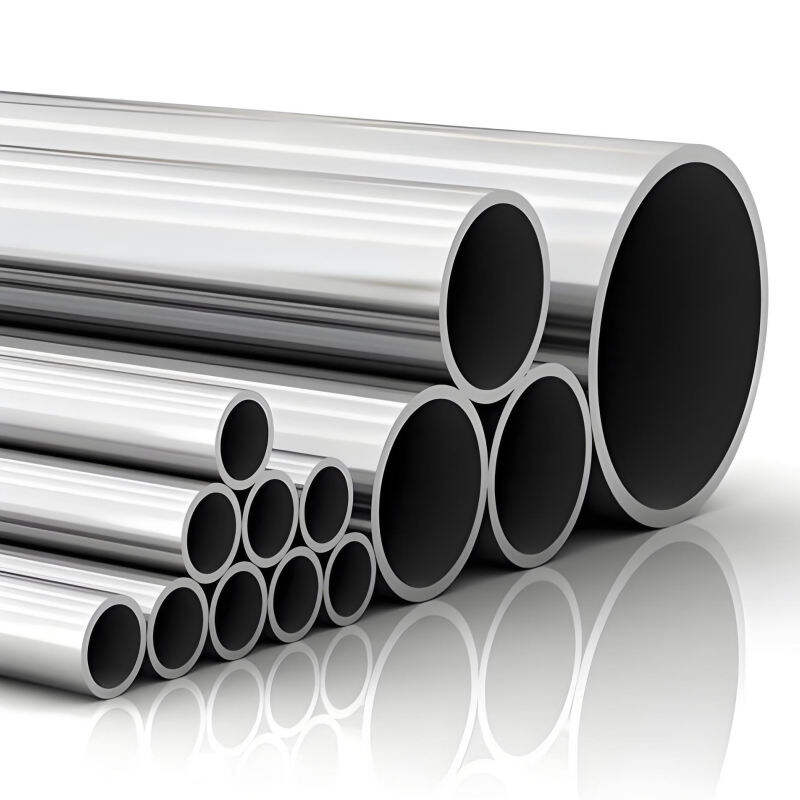
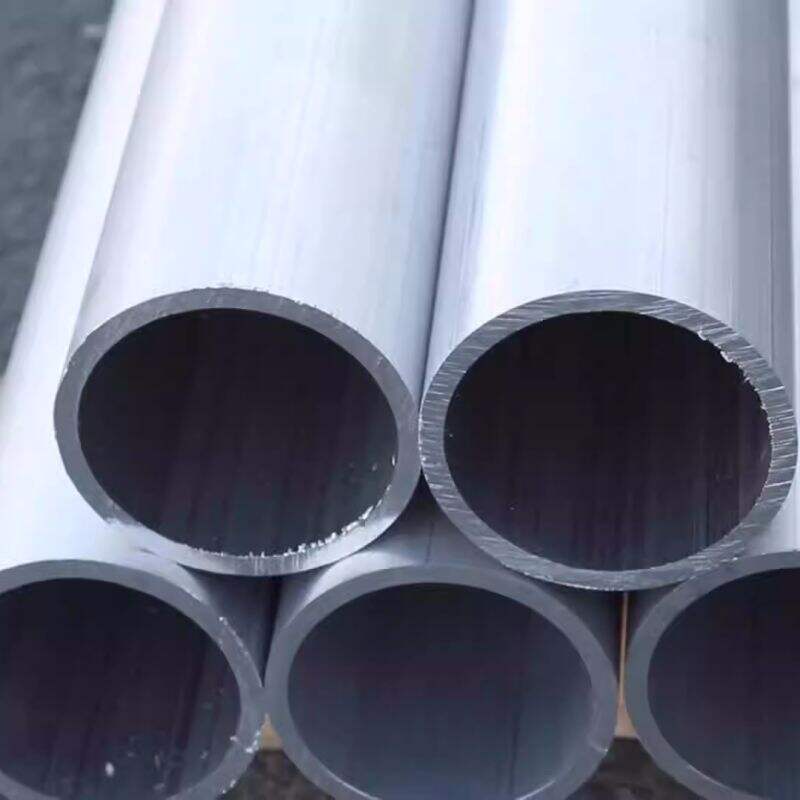
Aluminum tubes serve as critical components across numerous industries, from aerospace and automotive to construction and manufacturing. These versatile materials offer exceptional strength-to-weight ratios, corrosion resistance, and thermal conductivity that make them indispensable for modern applications. However, maximizing the performance and longevity of aluminum tubes requires proper maintenance strategies that go beyond basic cleaning protocols.
The maintenance of aluminum tubes extends far beyond surface-level care, encompassing systematic inspection routines, environmental protection measures, and preventive interventions that address potential failure modes before they compromise system integrity. Understanding these maintenance principles enables operators to achieve optimal return on investment while ensuring consistent performance throughout the operational lifecycle of their aluminum tube installations.
Understanding Aluminum Tube Properties and Vulnerabilities
Material Composition and Performance Characteristics
Aluminum tubes derive their exceptional properties from carefully controlled alloy compositions that balance strength, ductility, and corrosion resistance. The most commonly used alloys for tubular applications include 6061-T6, 3003, and 5052, each offering distinct advantages for specific operating environments. These aluminum tubes exhibit excellent formability and weldability while maintaining structural integrity under varying load conditions.
The crystalline structure of aluminum naturally forms a protective oxide layer when exposed to atmospheric oxygen, creating an inherent barrier against many forms of corrosion. This passive protection mechanism makes aluminum tubes particularly suitable for outdoor applications and environments with moderate chemical exposure. However, this natural protection can be compromised under certain conditions, making targeted maintenance interventions essential for long-term performance.
Common Degradation Mechanisms
Despite their robust construction, aluminum tubes face several potential degradation pathways that can compromise their structural integrity and functional performance. Galvanic corrosion represents one of the most significant threats, occurring when aluminum tubes come into direct contact with dissimilar metals in the presence of electrolytes. This electrochemical process can rapidly degrade tube walls and create failure points that compromise system safety.
Pitting corrosion presents another critical vulnerability for aluminum tubes, particularly in chloride-rich environments such as marine applications or industrial settings with salt exposure. These localized attacks can penetrate deeply into the tube material, creating stress concentration points that may lead to catastrophic failure under pressure cycling or mechanical loading conditions.
Systematic Inspection and Assessment Protocols
Visual Inspection Techniques
Effective maintenance of aluminum tubes begins with comprehensive visual inspection protocols that identify early signs of degradation before they progress to critical failure modes. Trained technicians should examine tube surfaces for discoloration, pitting, or white powdery deposits that indicate active corrosion processes. These visual indicators often provide the first warning of developing problems that require immediate intervention.
Surface irregularities, including scratches, dents, or mechanical damage, deserve particular attention during inspection procedures for aluminum tubes. Even minor surface defects can serve as initiation sites for stress corrosion cracking or provide pathways for accelerated degradation under cyclic loading conditions. Documentation of these findings enables trending analysis that supports predictive maintenance strategies.
Non-Destructive Testing Methods
Advanced non-destructive testing techniques provide crucial insights into the internal condition of aluminum tubes without compromising their structural integrity. Ultrasonic thickness measurements offer precise assessment of wall thickness variations that may indicate ongoing corrosion or erosion processes. These measurements establish baseline conditions and enable monitoring of degradation rates over time.
Eddy current testing represents another valuable tool for evaluating the condition of aluminum tubes, particularly for detecting surface and near-surface defects that may not be visible during routine visual inspections. This technique proves especially effective for identifying fatigue cracks, stress corrosion cracking, and other integrity concerns that could lead to unexpected failure modes.
Environmental Protection and Surface Treatment
Protective Coating Systems
Implementing appropriate protective coating systems significantly extends the service life of aluminum tubes in challenging environments. Anodizing treatments create controlled oxide layers that enhance corrosion resistance while providing aesthetic appeal and improved wear characteristics. These electrochemically formed coatings integrate seamlessly with the base aluminum material, creating durable protection that maintains dimensional stability.
Powder coating applications offer another effective approach for protecting aluminum tubes from environmental degradation while providing customizable appearance options. These organic coating systems create barrier protection against moisture, chemicals, and UV radiation that could otherwise compromise tube performance. Proper surface preparation and curing processes ensure optimal adhesion and longevity of these protective systems.
Cleaning and Decontamination Procedures
Regular cleaning protocols remove contaminants that could accelerate corrosion processes or interfere with the natural protective mechanisms of aluminum tubes. Mild detergent solutions effectively remove most surface contaminants without damaging the underlying material or existing protective coatings. Aggressive cleaning agents should be avoided as they may compromise the passive oxide layer that provides inherent corrosion protection.
Specialized cleaning procedures may be required for aluminum tubes operating in particularly challenging environments, such as chemical processing facilities or marine applications. These protocols often involve sequential cleaning steps using compatible solvents and neutralizing agents that remove specific contaminants while preserving material integrity and protective coatings.
Installation and Assembly Best Practices
Proper Joint Design and Sealing
The longevity of aluminum tubes depends heavily on proper installation techniques that minimize stress concentrations and prevent the introduction of contaminants or corrosive agents. Joint designs should incorporate appropriate clearances and sealing arrangements that accommodate thermal expansion while maintaining structural integrity under operating loads. Welded connections require careful attention to heat input and post-weld treatment to preserve the metallurgical properties of aluminum tubes.
Mechanical fastening systems offer alternative connection methods for aluminum tubes that may provide advantages in certain applications. These systems should utilize compatible materials to prevent galvanic corrosion while providing reliable clamping forces that maintain joint integrity throughout the operational lifecycle. Proper torque specifications and fastener materials selection prove critical for long-term performance.
Isolation and Compatibility Considerations
Preventing galvanic corrosion requires careful attention to material compatibility when aluminum tubes interface with dissimilar metals or materials. Electrical isolation through non-conductive gaskets, sleeves, or coatings breaks the electrochemical pathway that drives galvanic attack. These isolation measures prove particularly important in marine environments or applications with high moisture content.
Chemical compatibility assessments ensure that aluminum tubes operate safely within their intended service environments without experiencing accelerated degradation or unexpected material interactions. Process fluids, cleaning agents, and atmospheric contaminants all require evaluation to identify potential compatibility issues that could compromise tube performance or safety.
Preventive Maintenance Scheduling and Documentation
Maintenance Interval Optimization
Developing optimal maintenance schedules for aluminum tubes requires careful consideration of operating conditions, environmental factors, and historical performance data. High-stress applications or corrosive environments may necessitate more frequent inspection and maintenance intervals to prevent unexpected failures. Conversely, benign operating conditions may allow extended intervals while maintaining appropriate safety margins.
Condition-based maintenance strategies leverage real-time monitoring data and inspection findings to optimize maintenance timing for aluminum tubes. This approach maximizes equipment availability while ensuring safety and reliability through targeted interventions based on actual equipment condition rather than predetermined schedules alone.
Record Keeping and Trend Analysis
Comprehensive documentation systems capture critical information about aluminum tube condition, maintenance activities, and performance trends that support informed decision-making. These records enable identification of recurring issues, validation of maintenance effectiveness, and optimization of future maintenance strategies based on historical performance data.
Trend analysis of inspection data reveals developing patterns that may indicate emerging problems or validate the effectiveness of current maintenance practices for aluminum tubes. Statistical analysis techniques help distinguish between normal variation and significant trends that require management attention or modifications to maintenance protocols.
Advanced Maintenance Technologies and Techniques
Predictive Monitoring Systems
Modern predictive maintenance technologies offer sophisticated approaches to monitoring aluminum tube condition in real-time, enabling proactive interventions before degradation progresses to critical levels. Wireless sensor networks can continuously monitor parameters such as vibration, temperature, and strain that indicate developing problems or changes in operating conditions that could affect tube longevity.
Acoustic emission monitoring provides early detection of crack initiation and propagation in aluminum tubes under stress, offering valuable insights into structural integrity that traditional inspection methods might miss. These advanced monitoring capabilities enable condition-based maintenance strategies that optimize resource allocation while maintaining high reliability standards.
Rehabilitation and Repair Strategies
When degradation is detected in aluminum tubes, various repair and rehabilitation options can restore functionality and extend service life without requiring complete replacement. Composite repair systems offer effective solutions for localized damage or thinning that does not compromise overall structural integrity. These systems provide reinforcement while maintaining flexibility and corrosion resistance.
Welding repair procedures require specialized techniques and qualified personnel to ensure proper metallurgical properties and structural integrity of aluminum tubes. Post-weld heat treatment may be necessary to restore desired mechanical properties and relieve residual stresses that could contribute to future cracking or distortion.
FAQ
How often should aluminum tubes be inspected for maintenance purposes
The inspection frequency for aluminum tubes depends on several factors including operating environment, stress levels, and criticality of application. Generally, visual inspections should be performed monthly for critical applications, while comprehensive inspections including non-destructive testing should occur annually or semi-annually. High-stress or corrosive environments may require more frequent assessment to ensure continued safe operation.
What are the most effective cleaning methods for aluminum tubes
Mild detergent solutions with soft brushes or cloths provide effective cleaning for most aluminum tube applications without damaging protective oxide layers. Avoid abrasive cleaners, steel wool, or harsh chemicals that could compromise surface integrity. For heavy contamination, specialized aluminum cleaners followed by thorough rinsing ensure complete contaminant removal while preserving material properties.
Can damaged aluminum tubes be repaired instead of replaced
Many types of damage to aluminum tubes can be successfully repaired using appropriate techniques and materials. Minor surface corrosion can be addressed through cleaning and protective coating application, while structural damage may require welding repairs or composite reinforcement systems. The feasibility of repair depends on damage extent, tube wall thickness, and operating conditions, requiring professional assessment to determine the most appropriate approach.
What environmental factors most significantly impact aluminum tube longevity
Chloride exposure from marine environments or road salt represents one of the most significant threats to aluminum tube longevity through pitting corrosion mechanisms. High humidity, temperature cycling, and contact with dissimilar metals also accelerate degradation processes. UV exposure can degrade organic protective coatings, while acidic or alkaline conditions may compromise the natural oxide protection layer that aluminum tubes rely upon for corrosion resistance.