
 EN
EN


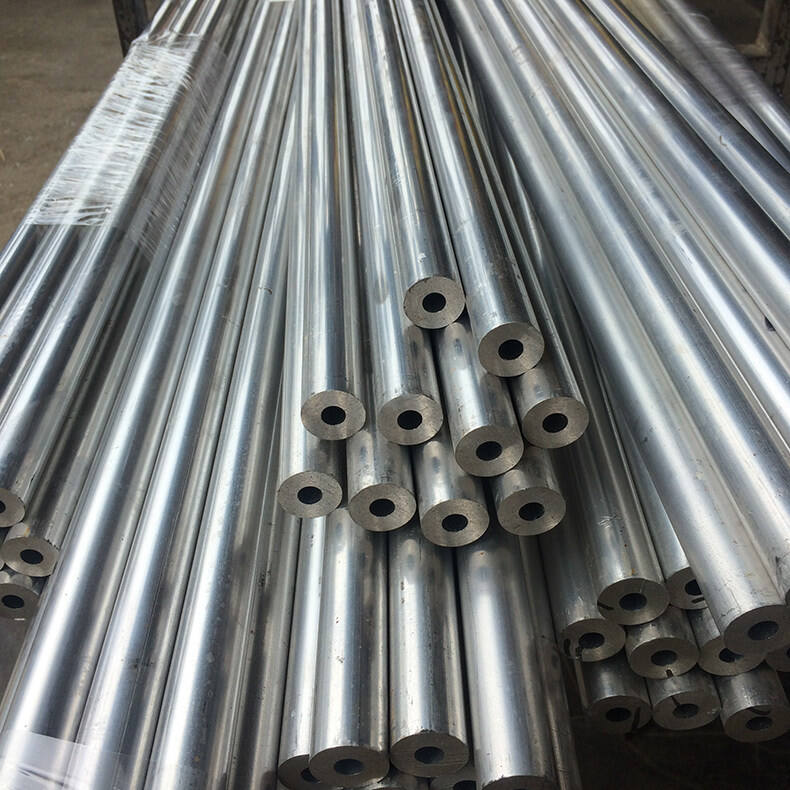
Precision engineering demands materials that deliver exceptional performance, reliability, and dimensional stability under demanding operational conditions. Modern manufacturing processes require components that can withstand extreme temperatures, maintain structural integrity, and provide consistent mechanical properties throughout their service life. Among the various materials available to engineers and manufacturers, aluminum rods have emerged as a preferred solution for applications requiring superior strength-to-weight ratios, corrosion resistance, and machining precision. These versatile components have revolutionized how industries approach complex engineering challenges, offering unprecedented capabilities in aerospace, automotive, marine, and industrial manufacturing sectors.
Material Properties and Engineering Advantages
Mechanical Characteristics of High-Grade Aluminum Alloys
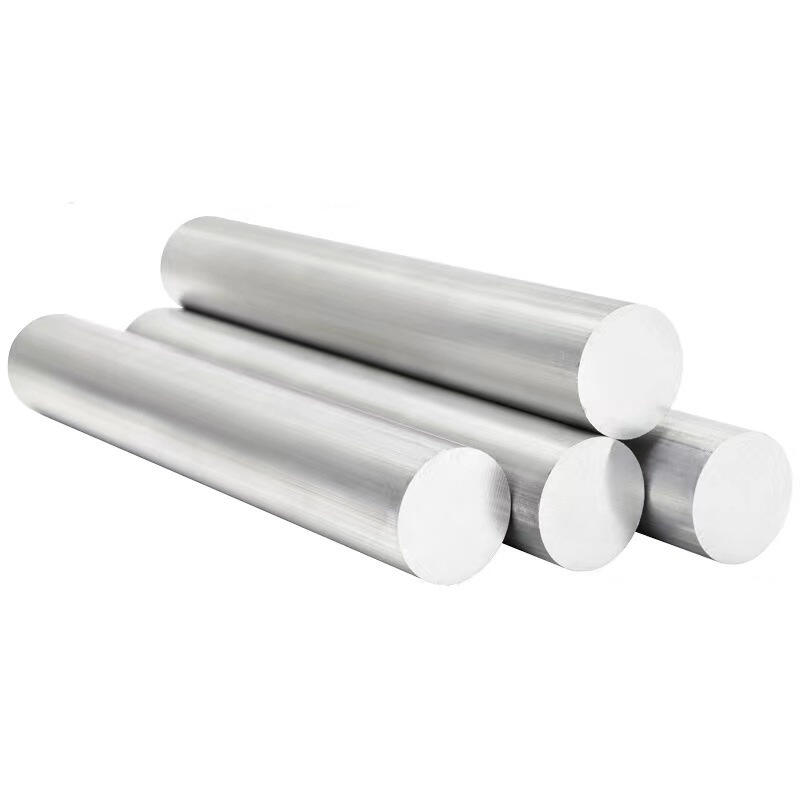
The exceptional mechanical properties of aluminum rods make them indispensable for precision engineering applications. High-strength aluminum alloys, particularly those in the 7000 series, exhibit tensile strengths comparable to many steel grades while maintaining significantly lower density. This combination allows engineers to design components that achieve optimal performance without compromising weight requirements. The excellent fatigue resistance of aluminum rods ensures long-term reliability in cyclic loading conditions, making them suitable for critical applications where failure is not an option.
Advanced heat treatment processes enhance the mechanical properties of aluminum rods, creating materials with precisely controlled microstructures. The T6 temper condition, achieved through solution heat treatment and artificial aging, produces aluminum rods with maximum strength and hardness characteristics. These treated materials demonstrate superior dimensional stability during machining operations, reducing the risk of warping or distortion that can compromise final component tolerances. The consistent grain structure achieved through proper heat treatment also contributes to improved surface finish quality during precision machining processes.
Corrosion Resistance and Environmental Durability
The natural oxide layer that forms on aluminum surfaces provides exceptional corrosion resistance, making aluminum rods ideal for applications in harsh environmental conditions. This protective barrier regenerates automatically when damaged, ensuring continuous protection against atmospheric corrosion, saltwater exposure, and chemical attack. For precision engineering applications in marine, aerospace, and industrial environments, this self-protecting characteristic eliminates the need for additional protective coatings that might interfere with dimensional accuracy or surface finish requirements.
Enhanced corrosion resistance can be achieved through anodizing processes that create thicker, more durable oxide layers on aluminum rods. These treatments not only improve environmental resistance but also provide opportunities for color coding and identification systems in complex assemblies. The ability to maintain precise dimensions while providing superior environmental protection makes aluminum rods particularly valuable in applications where both performance and longevity are critical design requirements.
Manufacturing and Machining Excellence
Precision Cutting and Dimensional Control
The machinability of aluminum rods represents a significant advantage in precision manufacturing operations. The material's favorable cutting characteristics allow for high-speed machining with excellent surface finishes and tight dimensional tolerances. Advanced CNC machining centers can achieve remarkable precision when working with aluminum rods, producing components with tolerances measured in thousandths of an inch. The consistent material properties throughout the cross-section of quality aluminum rods ensure uniform cutting behavior and predictable machining results.
Modern sawing and cutting technologies have been specifically optimized for aluminum rods, enabling precise length control and square end cuts with minimal material waste. Carbide-tipped cutting tools maintain sharp edges longer when cutting aluminum, reducing tool change frequency and maintaining consistent cut quality throughout production runs. The ability to achieve precise cuts without significant heat generation prevents thermal distortion that could affect final component dimensions, making aluminum rods ideal for applications requiring exact length specifications.
Surface Treatment and Finishing Options
The surface treatment capabilities available for aluminum rods provide engineers with numerous options for optimizing component performance. Precision grinding operations can achieve mirror-like surface finishes with extremely low roughness values, essential for applications involving sliding contacts or optical requirements. The uniform grain structure of high-quality aluminum rods ensures consistent surface treatment results across entire production batches, maintaining quality standards throughout manufacturing operations.
Chemical and electrochemical finishing processes offer additional opportunities to enhance the performance characteristics of aluminum rods. Bright dipping treatments create highly reflective surfaces suitable for decorative applications, while chemical etching can produce controlled surface textures for improved adhesion or specific functional requirements. These finishing options allow manufacturers to tailor aluminum rods to meet exact application specifications without compromising dimensional accuracy or material properties.
Industrial Applications and Performance Benefits
Aerospace and Aviation Engineering
In aerospace applications, aluminum rods serve critical functions in structural components, landing gear systems, and precision instruments where weight reduction directly impacts fuel efficiency and payload capacity. The exceptional strength-to-weight ratio of aircraft-grade aluminum rods enables the construction of lighter aircraft structures without sacrificing safety margins or operational capabilities. Advanced aerospace applications often require aluminum rods with certified material properties and complete traceability documentation to ensure compliance with stringent industry standards.
The thermal expansion characteristics of aluminum rods make them particularly suitable for aerospace applications involving temperature variations. The predictable expansion behavior allows engineers to design precision assemblies that maintain proper clearances and functionality across wide temperature ranges. This thermal stability, combined with excellent fatigue resistance, ensures reliable performance in demanding flight environments where component failure could have catastrophic consequences.
Automotive and Transportation Systems
Modern automotive engineering increasingly relies on aluminum rods for suspension components, drive shafts, and precision mechanisms where weight reduction improves fuel economy and performance. The excellent vibration damping properties of aluminum rods contribute to smoother operation and reduced noise levels in automotive applications. High-performance racing applications particularly benefit from aluminum rods in engine components, where reduced reciprocating mass enables higher operating speeds and improved power-to-weight ratios.
The corrosion resistance of aluminum rods proves especially valuable in automotive applications exposed to road salt, moisture, and chemical exposure from petroleum products. Unlike steel alternatives that require protective coatings, aluminum rods maintain their structural integrity and appearance throughout extended service life. This durability reduces maintenance requirements and extends component replacement intervals, contributing to lower total cost of ownership for vehicle manufacturers and operators.
Quality Standards and Specifications
Material Certification and Traceability
Quality aluminum rods for precision engineering applications must meet rigorous material standards and certification requirements. Mill test certificates provide comprehensive documentation of chemical composition, mechanical properties, and heat treatment parameters for each production lot. This traceability ensures that aluminum rods used in critical applications can be tracked throughout their service life, enabling effective quality control and failure analysis when necessary.
International standards organizations have established specific requirements for aluminum rods used in precision applications, covering dimensional tolerances, surface finish specifications, and material property ranges. Compliance with these standards ensures interchangeability between suppliers and consistency in performance characteristics across different production batches. Quality management systems implemented by reputable aluminum rod manufacturers include statistical process control measures that monitor and document all critical parameters throughout the production process.
Inspection and Testing Protocols
Comprehensive inspection procedures for aluminum rods include dimensional verification using coordinate measuring machines, hardness testing across multiple locations, and surface finish measurements using advanced profilometry equipment. Non-destructive testing methods such as ultrasonic inspection detect internal flaws that might compromise performance in critical applications. These quality assurance measures ensure that aluminum rods meet or exceed specified requirements before delivery to end users.
Mechanical testing protocols verify that aluminum rods possess the required strength, ductility, and fatigue resistance characteristics specified for each application. Tensile testing, impact testing, and stress rupture evaluations provide quantitative data confirming material performance capabilities. Statistical analysis of test results enables continuous improvement in manufacturing processes and helps identify potential quality issues before they affect customer applications.
Selection Criteria and Design Considerations
Alloy Selection for Specific Applications
Choosing the appropriate aluminum alloy for precision engineering applications requires careful consideration of operating conditions, performance requirements, and manufacturing constraints. The 6000 series alloys offer excellent extrudability and moderate strength levels suitable for structural applications, while 7000 series aluminum rods provide maximum strength for highly stressed components. Each alloy family exhibits distinct characteristics that must be matched to specific application requirements to achieve optimal performance.
Environmental factors significantly influence alloy selection for aluminum rods, particularly in applications involving exposure to corrosive substances or extreme temperatures. Marine environments may require aluminum rods with enhanced corrosion resistance, while high-temperature applications benefit from alloys that maintain strength at elevated temperatures. Understanding these environmental interactions enables engineers to select aluminum rods that will provide reliable long-term performance under actual operating conditions.
Size and Tolerance Requirements
Precision engineering applications often demand aluminum rods with extremely tight dimensional tolerances and superior straightness characteristics. Standard commercial tolerances may not be sufficient for applications requiring precise fits or critical clearances. Specialized processing techniques such as precision drawing or centerless grinding can achieve tighter tolerances on aluminum rods, enabling their use in demanding precision applications where standard products would be inadequate.
Length accuracy becomes particularly critical in applications where aluminum rods must fit precisely into assemblies or match specific design dimensions. Advanced cutting techniques and post-cut finishing operations can achieve length tolerances of ±0.001 inches or better on aluminum rods. Surface finish requirements must also be considered during the selection process, as some applications may require mirror finishes or specific surface textures that influence both performance and appearance characteristics.
FAQ
What makes aluminum rods superior to other materials for precision engineering applications
Aluminum rods offer an exceptional combination of strength, light weight, and corrosion resistance that makes them ideal for precision engineering. Their excellent machinability allows for tight tolerances and superior surface finishes, while the natural oxide layer provides long-term protection against environmental degradation. The consistent material properties and predictable behavior of aluminum rods enable engineers to design components with confidence in their performance characteristics.
How do heat treatment processes affect the performance of aluminum rods
Heat treatment significantly enhances the mechanical properties of aluminum rods through controlled precipitation of strengthening phases within the material structure. The T6 temper condition, achieved through solution heat treatment followed by artificial aging, maximizes strength and hardness while maintaining dimensional stability. Proper heat treatment also improves fatigue resistance and creates uniform material properties throughout the cross-section of aluminum rods.
What quality standards should be considered when selecting aluminum rods for critical applications
Critical applications require aluminum rods that meet specific industry standards such as ASTM, AMS, or international equivalents. Material certification should include complete chemical analysis, mechanical property verification, and dimensional inspection results. Traceability documentation ensures that aluminum rods can be tracked throughout their service life, while quality management system certifications provide confidence in manufacturing consistency and reliability.
Can aluminum rods be customized for specific engineering requirements
Yes, aluminum rods can be extensively customized to meet specific engineering requirements through various processing techniques. Precision cutting, custom heat treatments, specialized surface finishes, and tight tolerance machining can all be applied to create aluminum rods that match exact application specifications. Custom alloy compositions and specialized forming processes are also available for unique applications that require properties not available in standard aluminum rod products.
Table of Contents
- Material Properties and Engineering Advantages
- Manufacturing and Machining Excellence
- Industrial Applications and Performance Benefits
- Quality Standards and Specifications
- Selection Criteria and Design Considerations
-
FAQ
- What makes aluminum rods superior to other materials for precision engineering applications
- How do heat treatment processes affect the performance of aluminum rods
- What quality standards should be considered when selecting aluminum rods for critical applications
- Can aluminum rods be customized for specific engineering requirements