
 EN
EN


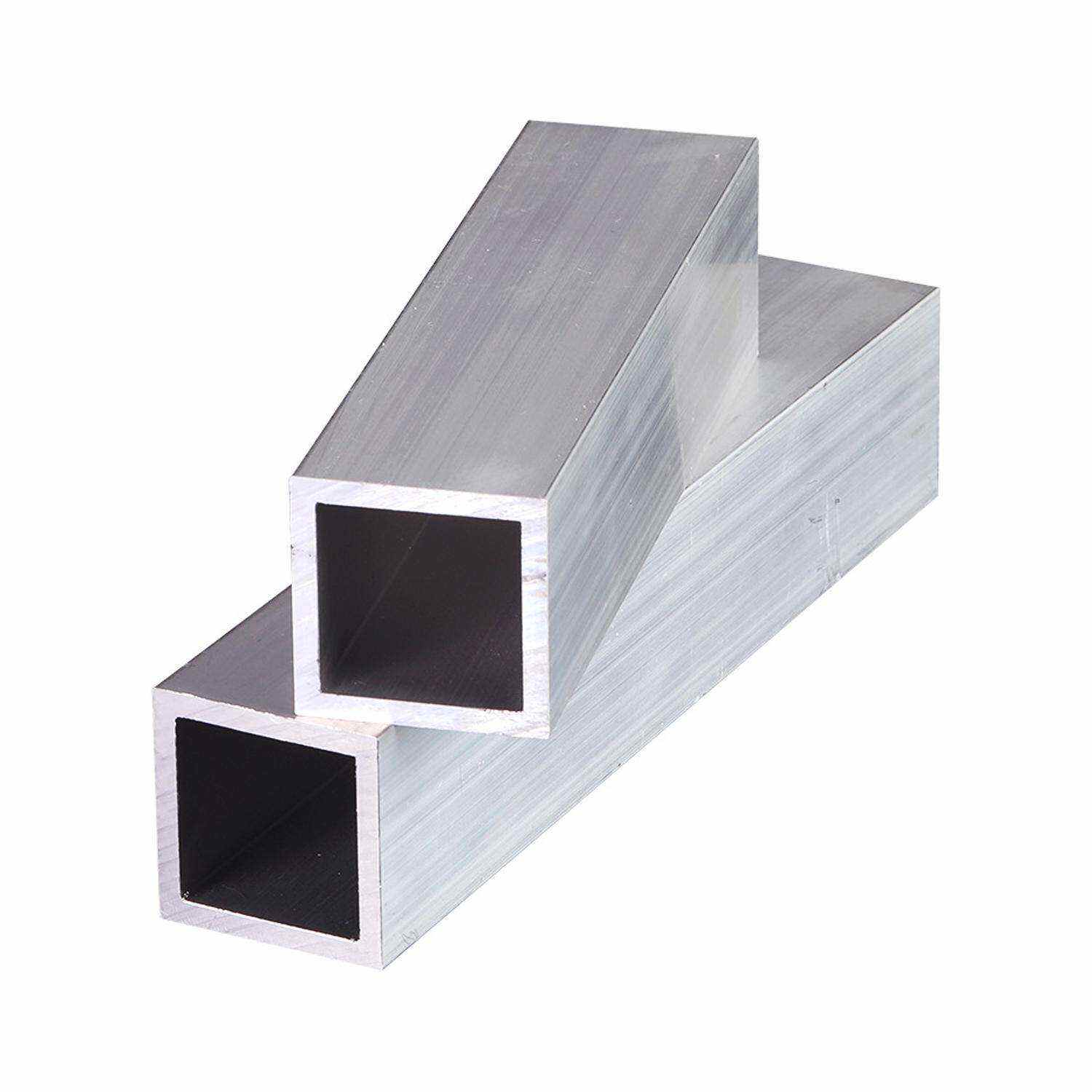
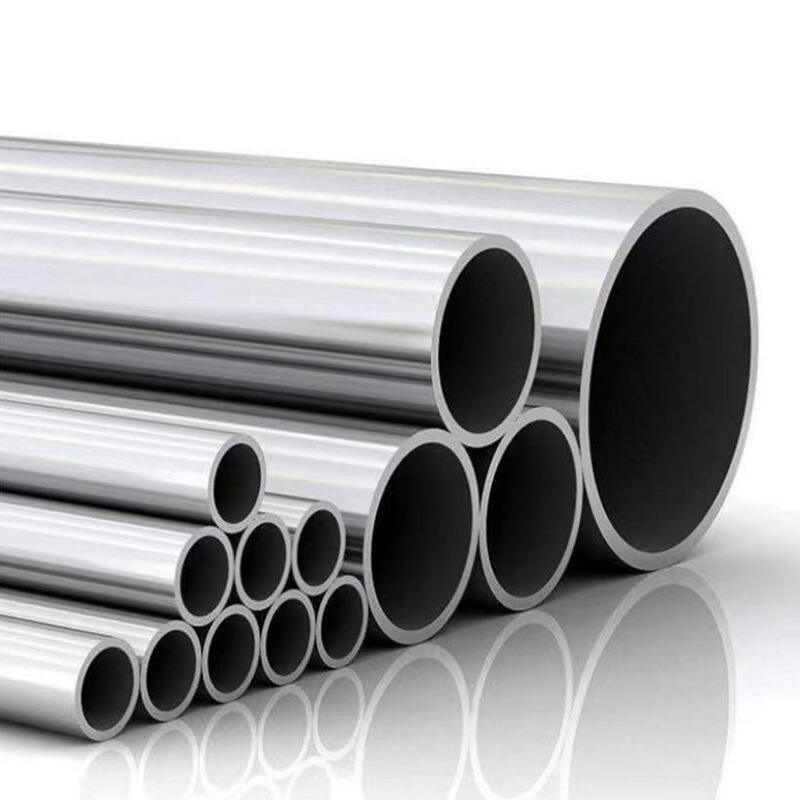
In the industrial and construction sectors, the choice between different piping materials can significantly impact project costs, longevity, and performance. While steel pipes have traditionally dominated many applications, aluminum pipes are increasingly recognized for their superior characteristics in numerous scenarios. Understanding the distinct advantages that aluminum pipes offer over their steel counterparts is crucial for engineers, contractors, and facility managers making informed material selection decisions. This comprehensive analysis explores the multifaceted benefits of aluminum pipes, examining their performance across various industrial applications and helping professionals optimize their piping system investments.
Weight and Structural Benefits
Exceptional Lightweight Properties
One of the most compelling advantages of aluminum pipes lies in their remarkable weight characteristics. Aluminum pipes weigh approximately one-third as much as equivalent steel pipes, making them significantly easier to handle, transport, and install. This weight reduction translates into substantial cost savings during construction projects, as lighter materials require less structural support and reduce overall building loads. The reduced weight also minimizes transportation costs and allows for more efficient logistics management during large-scale projects.
The lightweight nature of aluminum pipes particularly benefits high-rise construction and aerospace applications where every kilogram matters. Installation crews can work more efficiently with aluminum pipes, reducing labor time and associated costs. Additionally, the reduced structural requirements for supporting aluminum piping systems can lead to significant savings in foundation and framework materials, making projects more economically viable overall.
Superior Strength-to-Weight Ratio
Despite their lighter weight, aluminum pipes maintain excellent structural integrity through their outstanding strength-to-weight ratio. This characteristic allows aluminum pipes to handle substantial pressure loads while maintaining their lightweight advantage. The material's inherent properties enable engineers to design more efficient systems that don't compromise on performance despite using less material mass.
Modern aluminum alloys used in pipe manufacturing have been engineered to provide optimal strength characteristics for specific applications. These advanced materials ensure that aluminum pipes can meet demanding industrial requirements while offering the practical benefits of reduced weight. The combination of strength and lightness makes aluminum pipes particularly valuable in applications where both structural integrity and weight considerations are critical factors.
Corrosion Resistance and Durability
Natural Oxidation Protection
Aluminum pipes possess inherent corrosion resistance due to their natural ability to form a protective oxide layer when exposed to atmospheric conditions. This thin, adherent aluminum oxide coating acts as a barrier against further oxidation, providing long-term protection without requiring additional surface treatments. Unlike steel pipes, which are susceptible to rust and require regular maintenance or protective coatings, aluminum pipes maintain their integrity in various environmental conditions.
The natural corrosion resistance of aluminum pipes makes them particularly valuable in coastal environments, chemical processing facilities, and outdoor installations where exposure to moisture and corrosive elements is common. This inherent protection significantly extends the service life of aluminum piping systems and reduces long-term maintenance requirements, contributing to lower total cost of ownership over the system's operational lifetime.
Chemical Compatibility and Longevity
The chemical stability of aluminum pipes provides excellent compatibility with various fluids and gases, making them suitable for diverse industrial applications. Unlike steel pipes that may react with certain chemicals or require specialized coatings, aluminum pipes naturally resist many corrosive substances. This compatibility reduces the risk of contamination and ensures product purity in pharmaceutical, food processing, and chemical manufacturing applications.
The longevity of aluminum pipes stems from their resistance to galvanic corrosion and their ability to maintain structural integrity over extended periods. Properly installed aluminum pipes can provide decades of reliable service with minimal maintenance requirements. This durability factor makes them an attractive investment for facilities planning long-term operations and seeking to minimize replacement and maintenance costs.
Thermal and Electrical Properties
Excellent Heat Transfer Characteristics
Aluminum pipes excel in applications requiring efficient heat transfer due to their superior thermal conductivity compared to steel. This property makes aluminum pipes ideal for heating and cooling systems, heat exchangers, and thermal management applications where rapid heat dissipation or transfer is essential. The enhanced thermal performance can improve system efficiency and reduce energy consumption in various industrial processes.
The thermal properties of aluminum pipes contribute to more responsive temperature control systems and improved energy efficiency in HVAC applications. The material's ability to quickly conduct and dissipate heat allows for more precise temperature regulation and faster response times in thermal management systems. This characteristic is particularly valuable in applications where temperature stability and rapid thermal response are critical operational requirements.
Electrical Conductivity Advantages
While not always the primary consideration in piping applications, the electrical conductivity of aluminum pipes can provide additional benefits in certain installations. This property can be advantageous in applications where electrical grounding or electromagnetic shielding is required. The conductive properties of aluminum pipes can also facilitate static electricity dissipation in applications handling flammable or sensitive materials.
The electrical characteristics of aluminum pipes make them suitable for specialized applications in electronics manufacturing, telecommunications, and other industries where electrical properties play a role in system design. Understanding these properties allows engineers to leverage aluminum pipes for multi-functional purposes, potentially simplifying system design and reducing component requirements.
Economic and Environmental Considerations
Cost-Effectiveness Over Time
While the initial cost of aluminum pipes may vary compared to steel alternatives, their long-term economic benefits often justify the investment. The reduced maintenance requirements, extended service life, and lower installation costs associated with aluminum pipes contribute to favorable total cost of ownership calculations. The lightweight nature of aluminum pipes reduces transportation and handling costs, while their corrosion resistance minimizes ongoing maintenance expenses.
The economic advantages of aluminum pipes become more apparent over extended operational periods. Reduced replacement frequency, lower maintenance costs, and improved system efficiency contribute to significant cost savings over time. These economic benefits make aluminum pipes an attractive option for facilities focused on long-term operational efficiency and cost management.
Environmental Sustainability
Aluminum pipes offer significant environmental advantages through their recyclability and reduced energy consumption during manufacturing processes. Aluminum is infinitely recyclable without losing its essential properties, making aluminum pipes an environmentally responsible choice for sustainable construction and industrial projects. The recycling process for aluminum requires significantly less energy than primary production, contributing to reduced environmental impact.
The sustainability profile of aluminum pipes aligns with modern environmental standards and green building initiatives. Their longevity reduces the need for frequent replacements, minimizing waste generation and resource consumption over time. The combination of recyclability, durability, and energy efficiency makes aluminum pipes an attractive option for environmentally conscious projects and organizations committed to sustainable practices.
Installation and Maintenance Advantages
Simplified Installation Processes
The installation of aluminum pipes benefits from their lightweight properties and excellent workability characteristics. Installation crews can handle aluminum pipes more easily, reducing the need for heavy lifting equipment and enabling faster installation times. The material's flexibility allows for easier routing through complex spaces and simplifies the installation process in challenging environments.
Modern joining techniques for aluminum pipes, including welding, mechanical connections, and specialized fittings, provide reliable connections while maintaining installation efficiency. The compatibility of aluminum pipes with various connection methods allows installers to choose the most appropriate technique for specific applications and site conditions. This flexibility in installation methods contributes to reduced project timelines and improved installation quality.
Minimal Maintenance Requirements
The maintenance profile of aluminum pipes is significantly more favorable than that of steel alternatives, primarily due to their natural corrosion resistance and structural stability. Regular inspection and cleaning are typically sufficient to maintain optimal performance, eliminating the need for frequent repainting, coating renewal, or replacement due to corrosion damage. This reduced maintenance burden translates into lower operational costs and improved system reliability.
When maintenance is required, aluminum pipes are generally easier to repair or modify due to their workable properties. The material responds well to various repair techniques and can be easily modified to accommodate system changes or upgrades. This maintainability factor contributes to system flexibility and reduces long-term operational complexity, making aluminum pipes an attractive choice for dynamic industrial environments.
FAQ
Are aluminum pipes suitable for high-pressure applications
Aluminum pipes can handle high-pressure applications when properly designed and manufactured using appropriate alloys and wall thicknesses. Modern aluminum pipe manufacturing techniques produce pipes capable of handling substantial pressure loads while maintaining the material's inherent advantages. The specific pressure rating depends on the alloy composition, pipe dimensions, and manufacturing standards used, making it essential to select aluminum pipes designed for the intended pressure requirements.
How do aluminum pipes perform in extreme temperature conditions
Aluminum pipes demonstrate excellent performance across a wide temperature range, maintaining their structural integrity and thermal properties in both high and low-temperature applications. The material's thermal expansion characteristics are predictable and manageable through proper system design, while the thermal conductivity helps maintain temperature uniformity throughout the system. Special considerations may be required for extreme temperature applications, but aluminum pipes generally perform well in demanding thermal environments.
Can aluminum pipes be used for potable water systems
Yes, aluminum pipes are suitable for potable water systems when manufactured to appropriate standards and properly installed. The natural oxide layer on aluminum pipes provides a protective barrier that prevents leaching and maintains water quality. Many jurisdictions approve aluminum pipes for drinking water applications, though specific regulations and standards vary by location. Proper selection of alloys and compliance with local water quality standards ensure safe and reliable service in potable water applications.
What joining methods work best with aluminum pipes
Aluminum pipes can be joined using various methods including welding, mechanical fittings, compression joints, and specialized aluminum-compatible connection systems. The choice of joining method depends on the specific application requirements, pressure ratings, and environmental conditions. Proper joint design and installation techniques are crucial for ensuring long-term reliability and preventing galvanic corrosion when connecting aluminum pipes to dissimilar materials. Professional installation following manufacturer guidelines ensures optimal joint performance and system integrity.