
 EN
EN


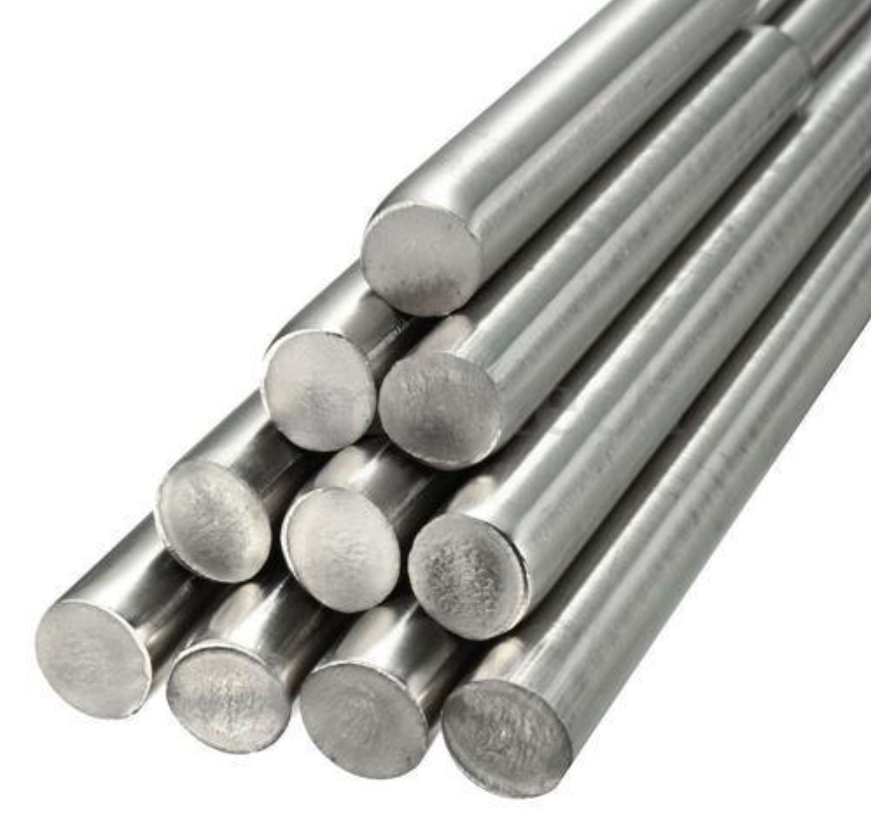
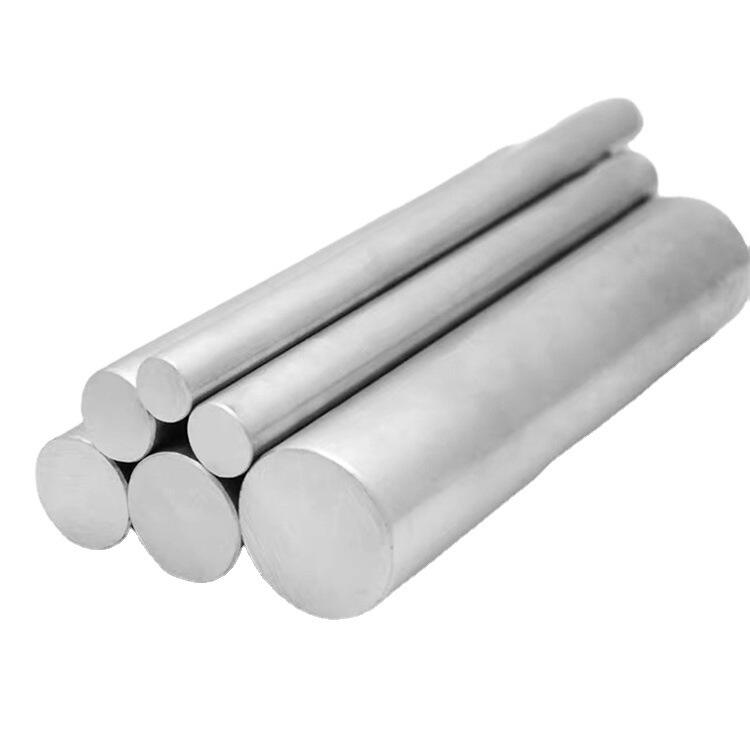
Selecting the appropriate aluminum rod for your project requires careful consideration of multiple factors that will directly impact performance, durability, and overall success. Whether you're working on aerospace components, architectural frameworks, or precision machining applications, understanding the nuances of aluminum rod selection can make the difference between a successful project and costly mistakes. The versatility of aluminum rod materials has made them indispensable across numerous industries, from automotive manufacturing to marine construction. With various alloy compositions, tempers, and specifications available, making an informed decision becomes crucial for achieving optimal results in your specific application.
Understanding Aluminum Rod Alloy Classifications
Common Alloy Series and Their Properties
The aluminum rod market offers several distinct alloy series, each engineered for specific performance characteristics and applications. The 1xxx series represents pure aluminum with exceptional corrosion resistance and electrical conductivity, making it ideal for electrical applications and chemical processing equipment. The 2xxx series incorporates copper as the primary alloying element, delivering superior strength properties that make these aluminum rod variants perfect for aerospace and high-stress structural applications. Understanding these fundamental differences helps engineers and fabricators match material properties with project requirements.
The 3xxx series aluminum rod products feature manganese as the key alloying element, providing moderate strength with excellent workability and corrosion resistance. These alloys excel in architectural applications and general construction projects where forming and welding are primary concerns. The 4xxx series, containing silicon, offers excellent fluidity and reduced thermal expansion, making it particularly suitable for welding applications and casting processes. The 5xxx series aluminum rod materials incorporate magnesium for enhanced strength and excellent corrosion resistance in marine environments.
Advanced Alloy Systems for Specialized Applications
The 6xxx series represents one of the most versatile aluminum rod categories, combining magnesium and silicon to create heat-treatable alloys with excellent strength-to-weight ratios. These aluminum rod products demonstrate superior extrudability and are widely used in structural applications, transportation components, and architectural systems. The 6061 variant stands out as particularly popular due to its balanced mechanical properties and weldability characteristics. The 7xxx series incorporates zinc as the primary alloying element, creating some of the strongest aluminum rod materials available for demanding aerospace and military applications.
Each alloy series offers distinct advantages that must be carefully evaluated against project requirements, environmental conditions, and processing methods. The selection process involves analyzing not only mechanical properties but also considerations such as machinability, weldability, and long-term performance characteristics. Modern aluminum rod manufacturing techniques have expanded the available options, allowing for custom alloy compositions that meet increasingly specialized industrial demands.
Critical Dimensional and Tolerance Considerations
Standard Sizing and Custom Specifications
Aluminum rod products are manufactured to various industry standards, with diameter ranges typically spanning from small precision rods measuring fractions of an inch to large structural elements exceeding several inches in diameter. Standard aluminum rod dimensions follow established industry protocols, ensuring compatibility with existing tooling and processing equipment. However, many applications require custom specifications that demand precise dimensional control and tight tolerances. Understanding the relationship between standard sizing and custom requirements helps optimize both cost and performance in aluminum rod selection.
Tolerance specifications for aluminum rod products vary significantly based on manufacturing processes, alloy composition, and intended applications. Extruded aluminum rod typically offers tighter dimensional control compared to rolled or drawn alternatives, making it preferable for precision applications. The manufacturing method directly influences surface finish quality, dimensional accuracy, and internal stress distribution. Cold-finished aluminum rod products generally provide superior surface quality and dimensional precision, while hot-finished alternatives may offer better mechanical properties for certain applications.
Length Optimization and Handling Considerations
Standard aluminum rod lengths are typically available in 12-foot and 20-foot sections, though custom lengths can be specified for specific project requirements. Longer aluminum rod sections reduce the number of joints and connections required in structural applications, potentially improving overall system integrity and reducing installation costs. However, transportation limitations, handling equipment capabilities, and workspace constraints may dictate practical length limitations that must be considered during the selection process.
The relationship between aluminum rod diameter and practical handling length becomes increasingly important for larger diameter products. Heavy aluminum rod sections may require specialized lifting equipment and storage facilities, adding logistical complexity to project planning. Additionally, thermal expansion characteristics must be considered for long aluminum rod installations, particularly in applications subject to significant temperature variations.
Mechanical Properties and Performance Characteristics
Strength and Durability Requirements
Evaluating the mechanical properties of aluminum rod materials requires understanding the specific load conditions, stress patterns, and safety factors relevant to your application. Tensile strength, yield strength, and elongation characteristics vary significantly among different alloy compositions and temper conditions. The aluminum rod selection process must account for both static and dynamic loading conditions, including fatigue resistance for cyclical applications. Heat treatment and work hardening processes can substantially modify these mechanical properties, allowing for optimization based on specific performance requirements.
Hardness characteristics of aluminum rod products influence both machinability and wear resistance in service applications. Softer tempers generally offer superior forming and welding characteristics, while harder tempers provide better dimensional stability and wear resistance. The aluminum rod temper designation system provides detailed information about thermal and mechanical processing history, enabling precise property prediction for engineering applications.
Environmental Resistance and Longevity
Corrosion resistance represents a critical factor in aluminum rod selection, particularly for outdoor, marine, or chemically aggressive environments. Natural aluminum oxide formation provides inherent corrosion protection, but specific alloy compositions and surface treatments can significantly enhance this characteristic. The aluminum rod surface condition, including mill finish, anodized coatings, or other protective treatments, directly influences long-term performance and maintenance requirements.
Temperature stability and thermal expansion characteristics of aluminum rod materials must be carefully evaluated for applications involving significant temperature variations. Different alloy compositions exhibit varying coefficients of thermal expansion, which can create stress concentrations and dimensional changes in constrained systems. Understanding these thermal characteristics helps prevent premature failure and ensures dimensional stability throughout the service life of aluminum rod installations.
Manufacturing Processes and Quality Standards
Production Methods and Their Impact
The manufacturing process used to produce aluminum rod significantly influences material properties, surface quality, and dimensional accuracy. Extrusion processes create aluminum rod products with excellent dimensional consistency and superior surface finish, while rolling methods may offer certain metallurgical advantages for specific applications. Cold working processes generally improve mechanical properties through strain hardening, while hot working may provide better grain structure control for enhanced toughness characteristics.
Quality control measures implemented during aluminum rod manufacturing directly impact product reliability and performance consistency. Modern production facilities employ advanced testing methods including ultrasonic inspection, dimensional verification, and mechanical property validation to ensure conformance with specified requirements. Understanding these quality standards helps establish realistic expectations and appropriate inspection protocols for incoming aluminum rod materials.
Certification and Traceability Requirements
Industry certifications and material traceability become increasingly important for critical applications involving aluminum rod products. Aerospace, medical, and nuclear applications typically require comprehensive documentation including chemical composition certificates, mechanical property test results, and complete manufacturing history. These certification requirements may influence supplier selection and add complexity to the procurement process, but they provide essential quality assurance for demanding applications.
Third-party testing and verification services offer additional quality assurance for aluminum rod products, particularly when working with new suppliers or critical applications. Independent laboratory testing can validate material properties, chemical composition, and compliance with relevant industry standards. This additional verification step may increase project costs but provides valuable risk mitigation for high-stakes applications where aluminum rod failure could have serious consequences.
Cost Analysis and Budget Optimization
Material Cost Factors and Market Considerations
The cost of aluminum rod materials fluctuates based on numerous market factors including raw material prices, energy costs, and global supply chain conditions. Understanding these market dynamics helps optimize purchasing timing and budget planning for aluminum rod procurement. Premium alloys and specialized processing methods typically command higher prices, but may offer superior performance characteristics that justify the additional investment through reduced maintenance costs or extended service life.
Volume considerations significantly impact aluminum rod pricing, with larger quantities generally offering improved unit costs through economies of scale. However, inventory carrying costs, storage requirements, and material shelf life must be balanced against volume discount opportunities. Strategic purchasing approaches may include blanket orders with scheduled releases to capture volume pricing while minimizing inventory investment and storage requirements for aluminum rod materials.
Total Cost of Ownership Analysis
Evaluating aluminum rod options requires consideration of total lifecycle costs rather than simply initial material prices. Processing costs, including machining, welding, and finishing operations, may vary significantly among different aluminum rod alloys and specifications. Some premium materials that command higher initial costs may offer superior machinability or reduced processing time, resulting in lower total project costs when all factors are considered.
Maintenance and replacement considerations also influence the total cost of ownership for aluminum rod installations. Materials with superior corrosion resistance or mechanical properties may justify higher initial costs through reduced maintenance requirements and extended service intervals. Long-term performance data and case studies from similar applications provide valuable insights for making informed decisions about aluminum rod selection based on total lifecycle economics rather than initial purchase price alone.
Application-Specific Selection Guidelines
Structural and Construction Applications
Structural applications requiring aluminum rod products demand careful evaluation of load-bearing capacity, connection methods, and building code compliance requirements. The aluminum rod material must provide adequate strength margins while considering factors such as wind loads, seismic requirements, and thermal movement. Architectural applications may prioritize appearance characteristics, corrosion resistance, and maintenance requirements alongside structural performance criteria.
Construction industry standards and local building codes significantly influence aluminum rod selection for structural applications. Understanding these regulatory requirements early in the design process helps avoid costly specification changes and ensures project compliance. Professional engineering consultation may be necessary to validate aluminum rod selections for critical structural applications, particularly in seismic zones or areas subject to extreme weather conditions.
Precision Manufacturing and Machining Applications
Precision manufacturing applications place demanding requirements on aluminum rod dimensional accuracy, surface finish, and material consistency. CNC machining operations benefit from aluminum rod products with tight dimensional tolerances and predictable machining characteristics. The alloy selection significantly influences chip formation, tool life, and surface finish quality during machining operations. Some aluminum rod compositions are specifically formulated for enhanced machinability, offering superior performance in high-volume production environments.
Surface finish requirements for precision components may dictate specific aluminum rod processing methods and quality standards. Applications requiring superior surface quality may justify premium cold-finished aluminum rod products despite higher initial costs. Understanding the relationship between raw material characteristics and final component quality helps optimize both manufacturing efficiency and product performance in precision applications.
FAQ
What factors should I consider when selecting aluminum rod diameter?
Aluminum rod diameter selection depends on structural load requirements, available processing equipment capabilities, and end-use application demands. Larger diameters provide greater load-bearing capacity but may require specialized handling and machining equipment. Consider both mechanical requirements and practical processing limitations when determining optimal aluminum rod diameter specifications for your project.
How do I determine the appropriate aluminum rod alloy for my application?
Alloy selection requires analysis of environmental conditions, mechanical property requirements, and processing methods involved in your application. Marine environments typically require 5xxx series alloys for superior corrosion resistance, while structural applications may benefit from 6xxx series aluminum rod products offering excellent strength-to-weight ratios. Consult with materials engineers or aluminum suppliers to match alloy characteristics with specific application requirements.
What quality certifications should I require for aluminum rod materials?
Quality certification requirements vary based on application criticality and industry standards. Basic applications may require mill certificates documenting chemical composition and mechanical properties, while aerospace or medical applications typically demand more comprehensive certification including traceability documentation and third-party testing verification. Specify appropriate certification levels based on your quality requirements and risk tolerance.
How can I optimize aluminum rod procurement costs without compromising quality?
Cost optimization strategies include volume purchasing for improved unit pricing, standardizing on fewer alloy specifications to increase order quantities, and working with suppliers to optimize length specifications for reduced waste. Consider total lifecycle costs including processing, finishing, and maintenance requirements rather than focusing solely on initial material prices. Strategic supplier partnerships can also provide access to technical expertise and preferential pricing arrangements.