
 EN
EN



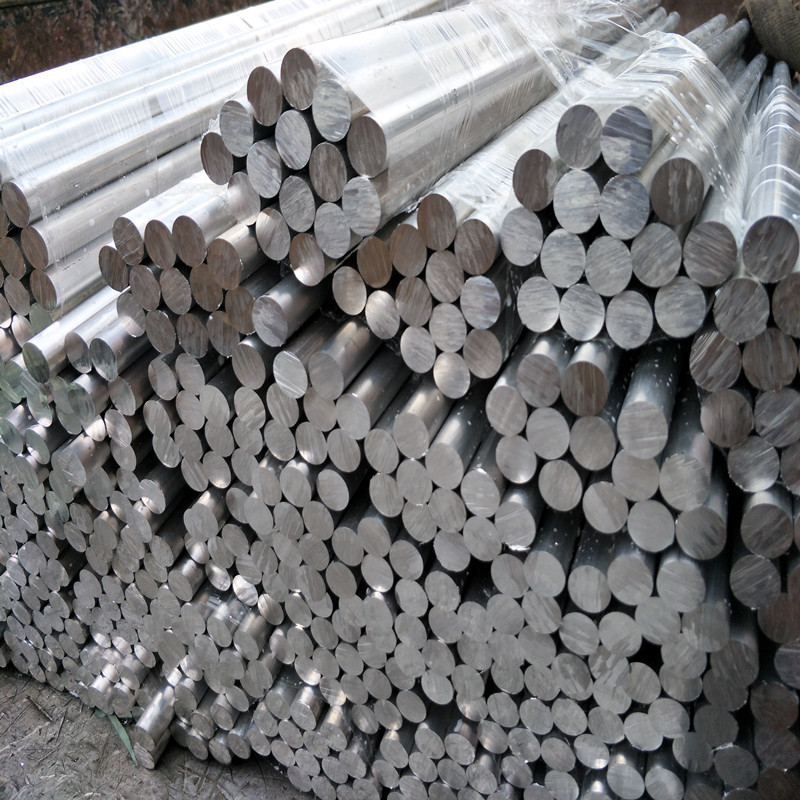
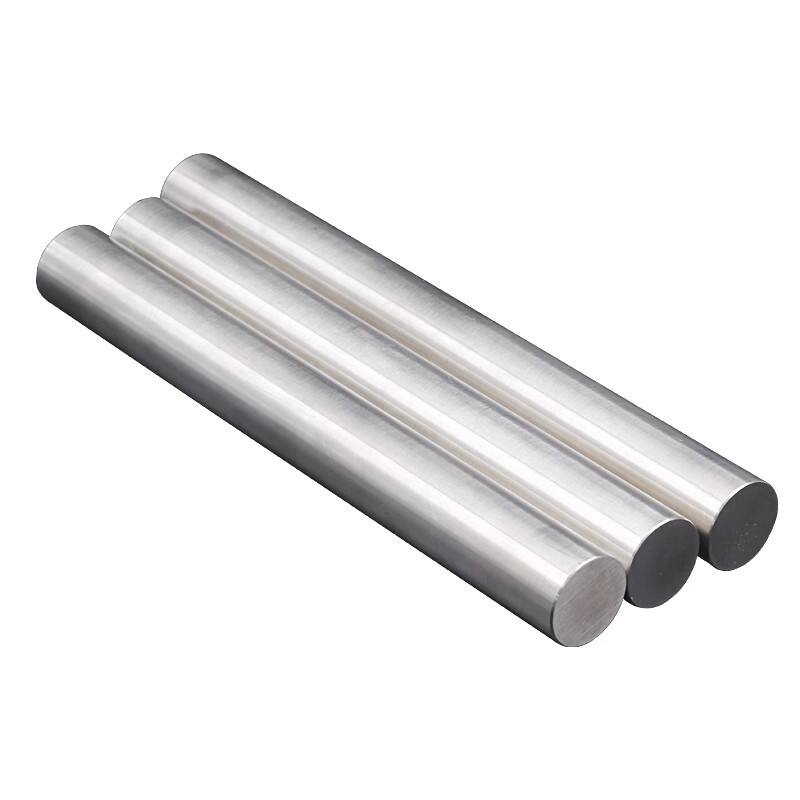
Stainless steel bars represent one of the most versatile and essential materials in modern industrial applications, offering exceptional corrosion resistance, mechanical strength, and durability across diverse environments. These precision-engineered components serve as fundamental building blocks in industries ranging from construction and manufacturing to food processing and marine applications. The unique properties of stainless steel bars, including their ability to withstand extreme temperatures, chemical exposure, and mechanical stress, make them indispensable for applications where standard carbon steel would quickly deteriorate. Understanding the specific applications that require stainless steel bars helps engineers, procurement professionals, and project managers make informed decisions about material selection for critical components and structures.
Construction and Infrastructure Applications
Structural Framework Components
In modern construction projects, stainless steel bars serve as critical structural elements where conventional materials cannot meet demanding performance requirements. These bars provide exceptional tensile strength and corrosion resistance for reinforcing concrete structures, particularly in coastal environments where salt exposure would rapidly degrade standard rebar. The superior mechanical properties of stainless steel bars enable architects and engineers to design lighter, more durable structures with extended service lives. Construction projects in harsh climates, including bridges, tunnels, and high-rise buildings, increasingly rely on stainless steel bars to ensure structural integrity over decades of exposure to environmental stressors.
The construction industry utilizes stainless steel bars in specialized applications such as curtain wall systems, where aesthetic appeal combines with functional performance. These bars provide the necessary strength for supporting large glass panels while maintaining visual elegance through their polished surfaces. Additionally, stainless steel bars serve as anchor bolts, tie rods, and tension members in precast concrete assemblies, where their corrosion resistance prevents deterioration that could compromise structural connections. The ability of stainless steel bars to maintain their mechanical properties across temperature variations makes them ideal for construction projects in regions experiencing extreme weather conditions.
Architectural and Decorative Elements
Architectural applications of stainless steel bars extend beyond structural functionality to encompass decorative and aesthetic purposes. These bars create striking visual elements in modern building facades, interior design features, and landscape architecture projects. The reflective surface quality of polished stainless steel bars adds contemporary sophistication to commercial and residential spaces while providing long-term durability without maintenance requirements associated with painted or coated alternatives. Architects frequently specify stainless steel bars for railings, handrails, and balustrades where human contact demands both safety and hygiene considerations.
The versatility of stainless steel bars enables creative architectural solutions including sculptural installations, screen walls, and geometric patterns that combine form with function. These applications benefit from the material's ability to be shaped, welded, and finished to precise specifications while maintaining structural integrity. Public spaces, transportation hubs, and institutional buildings increasingly incorporate stainless steel bars as design elements that withstand heavy use and environmental exposure while contributing to the overall aesthetic vision of architectural projects.
Industrial Manufacturing and Machinery
Precision Machining Components
Manufacturing industries rely heavily on stainless steel bars for producing precision-machined components that demand exceptional dimensional stability and surface finish quality. These bars serve as raw material for manufacturing shafts, pins, bolts, and fasteners used in critical mechanical assemblies where failure is not acceptable. The uniform composition and mechanical properties of high-quality stainless steel bars enable manufacturers to achieve tight tolerances and consistent performance across production runs. Industries such as aerospace, automotive, and precision instrumentation depend on stainless steel bars to meet stringent quality standards and regulatory requirements.
The machining characteristics of stainless steel bars provide manufacturers with excellent surface finish capabilities and dimensional control essential for high-performance applications. These bars can be turned, milled, ground, and polished to achieve mirror-like finishes required in pharmaceutical equipment, food processing machinery, and medical device manufacturing. The work-hardening properties of certain stainless steel grades used in bar production enhance the strength of machined components through cold working processes, resulting in superior performance compared to alternative materials.
Industrial Equipment and Tooling
Industrial equipment manufacturers utilize stainless steel bars for producing components that must withstand aggressive chemical environments, high temperatures, and mechanical stress. These applications include reactor vessels, heat exchanger components, and processing equipment used in chemical, petrochemical, and pharmaceutical industries. The corrosion resistance of stainless steel bars prevents contamination and ensures product purity in sensitive manufacturing processes. Tool and die makers also rely on specialized grades of stainless steel bars for producing cutting tools, forming dies, and injection molding components that require extended service life and dimensional stability.
The thermal properties of stainless steel bars make them suitable for applications involving temperature cycling, thermal shock, and heat transfer requirements. Industrial furnace components, heating elements, and thermal processing equipment benefit from the oxidation resistance and mechanical stability of stainless steel bars at elevated temperatures. These bars maintain their strength and dimensional accuracy across wide temperature ranges, enabling reliable operation in demanding industrial environments where equipment downtime results in significant economic losses.
Food and Beverage Industry Applications
Processing Equipment and Machinery
The food and beverage industry extensively uses stainless steel bars in processing equipment where hygiene, corrosion resistance, and ease of cleaning are paramount. These bars serve as structural components in conveyor systems, mixing equipment, and packaging machinery that must meet strict food safety regulations. The non-porous surface of stainless steel bars prevents bacterial growth and contamination while enabling thorough sanitization through aggressive cleaning protocols. Food processors rely on stainless steel bars for constructing equipment frames, support structures, and mechanical components that maintain food quality and safety throughout production processes.
Brewery and dairy industry applications particularly benefit from the corrosion resistance of stainless steel bars when exposed to acidic products, cleaning chemicals, and high-pressure washing systems. These bars provide the structural integrity required for large-scale processing tanks, piping systems, and filtration equipment while maintaining compatibility with food contact surfaces. The ability of stainless steel bars to withstand thermal shock from cleaning and sterilization cycles makes them essential for maintaining operational efficiency in food production facilities.
Commercial Kitchen and Restaurant Equipment
Commercial kitchens and restaurant operations depend on stainless steel bars for constructing durable, hygienic equipment that withstands intensive daily use. These bars form the framework for commercial cooking equipment, refrigeration units, and food preparation surfaces where cleanliness and durability directly impact food safety and operational costs. The ease of maintenance and cleaning associated with stainless steel bars reduces labor costs while ensuring compliance with health department regulations. Restaurant equipment manufacturers utilize stainless steel bars to produce components that maintain their appearance and functionality despite exposure to grease, moisture, and cleaning chemicals.
The strength-to-weight ratio of stainless steel bars enables the construction of lightweight yet robust commercial kitchen equipment that can be easily relocated and reconfigured as operational needs change. Mobile food service equipment, including carts, racks, and portable stations, benefit from the corrosion resistance and mechanical properties of stainless steel bars. These applications require materials that can withstand frequent movement, cleaning, and exposure to various food products without degrading or contaminating food items.
Marine and Offshore Applications
Shipbuilding and Naval Construction
Marine environments present some of the most challenging conditions for metal components, making stainless steel bars essential for shipbuilding and offshore construction projects. These bars provide superior corrosion resistance against saltwater exposure, which would rapidly destroy carbon steel alternatives. Naval architects specify stainless steel bars for critical structural elements, rigging components, and mechanical systems that must maintain integrity throughout extended ocean voyages. The combination of strength, corrosion resistance, and weldability makes stainless steel bars ideal for constructing ship hulls, deck structures, and superstructure elements that face constant exposure to marine environments.
Offshore platforms and marine infrastructure rely on stainless steel bars for components that cannot be easily replaced or maintained due to their remote locations. These applications include platform supports, safety railings, and equipment mounting structures that must withstand hurricane-force winds, saltwater spray, and temperature extremes. The long-term reliability of stainless steel bars reduces maintenance requirements and extends service intervals, which are critical considerations for offshore operations where access is limited and costly.
Marine Hardware and Rigging Systems
Recreational and commercial marine applications extensively use stainless steel bars for rigging hardware, anchor systems, and deck fittings where failure could result in catastrophic consequences. These bars serve as raw material for manufacturing cleats, winches, turnbuckles, and other critical hardware components that secure vessels and cargo during transit. The fatigue resistance of properly selected stainless steel bars enables these components to withstand millions of loading cycles from wave action and operational stresses. Marina and harbor facilities also utilize stainless steel bars for constructing dock hardware, mooring systems, and waterfront infrastructure that must endure constant exposure to saltwater and marine organisms.
The magnetic properties of certain stainless steel bar grades make them suitable for marine applications where compass deviation must be minimized, such as navigation equipment mounting and electronic system housings. Yacht builders and boat manufacturers rely on stainless steel bars to produce custom hardware and structural components that combine performance with aesthetic appeal. The ability to achieve various surface finishes on stainless steel bars allows marine equipment to complement vessel design while providing reliable long-term service in harsh marine environments.
Chemical and Petrochemical Processing
Process Equipment and Piping Systems
Chemical processing industries require stainless steel bars for applications involving aggressive chemicals, high pressures, and extreme temperatures that would compromise alternative materials. These bars serve as components in reactor vessels, heat exchangers, and distillation columns where material compatibility with process chemicals is critical for safe operation. The broad range of available stainless steel compositions allows engineers to select specific grades of stainless steel bars that provide optimal resistance to particular chemical environments. Petrochemical facilities utilize these bars for constructing equipment that handles hydrocarbons, acids, and other corrosive substances while maintaining structural integrity and preventing catastrophic failures.
The creep resistance of high-temperature stainless steel bar grades makes them essential for applications in refineries, chemical plants, and power generation facilities where components operate under sustained high-temperature conditions. These bars maintain their mechanical properties and dimensional stability during extended exposure to elevated temperatures, preventing equipment failure and ensuring process reliability. The weldability of stainless steel bars enables the construction of complex process equipment geometries while maintaining corrosion resistance at weld joints through proper material selection and welding procedures.
Safety and Environmental Protection Systems
Environmental protection and safety systems in chemical processing facilities rely on stainless steel bars for components that must function reliably in emergency situations and corrosive environments. These bars serve as structural elements in scrubber systems, emission control equipment, and waste treatment facilities where failure could result in environmental damage or worker exposure to hazardous materials. The corrosion resistance of stainless steel bars ensures that safety equipment remains functional throughout extended service periods without degradation that could compromise protective capabilities.
Fire suppression systems and emergency response equipment in chemical facilities utilize stainless steel bars for components that must maintain integrity under extreme conditions while resisting corrosion from fire suppressants and chemical exposure. These applications require materials that combine mechanical strength with chemical compatibility to ensure reliable operation when needed most. The long-term stability of stainless steel bars reduces maintenance requirements for safety systems, ensuring they remain ready for emergency activation while minimizing lifecycle costs.
Medical and Pharmaceutical Applications
Medical Device Manufacturing
The medical device industry relies on specialized grades of stainless steel bars for manufacturing surgical instruments, implants, and diagnostic equipment that must meet stringent biocompatibility and sterilization requirements. These bars provide the necessary strength, corrosion resistance, and surface finish quality required for medical applications where patient safety is paramount. The non-toxic nature of medical-grade stainless steel bars ensures compatibility with human tissue while providing the mechanical properties needed for surgical tools and orthopedic implants. Device manufacturers utilize stainless steel bars to produce components that can withstand repeated sterilization cycles without degrading or losing their functional properties.
Precision medical instruments require stainless steel bars with exceptional dimensional stability and surface finish quality to achieve the accuracy needed for diagnostic and therapeutic procedures. These bars serve as raw material for manufacturing surgical scissors, forceps, and specialized tools that must maintain sharp edges and precise tolerances throughout their service life. The magnetic properties of certain stainless steel bar grades make them suitable for MRI-compatible equipment and devices that must function in strong magnetic fields without interference or safety risks.
Pharmaceutical Processing Equipment
Pharmaceutical manufacturing facilities utilize stainless steel bars for constructing process equipment that must meet FDA regulations and Good Manufacturing Practices requirements. These bars serve as components in mixing vessels, tablet presses, and packaging equipment where product purity and contamination prevention are critical. The smooth surface finish achievable with stainless steel bars prevents particle entrapment and enables thorough cleaning validation required in pharmaceutical production. The chemical resistance of stainless steel bars ensures compatibility with cleaning solvents, sanitizers, and pharmaceutical compounds without leaching or contamination.
Cleanroom environments in pharmaceutical facilities require construction materials that do not generate particles or outgas volatile compounds that could contaminate sensitive products. Stainless steel bars meet these requirements while providing the structural strength needed for equipment and infrastructure in controlled environments. The ability to achieve ultra-smooth surface finishes on stainless steel bars makes them ideal for applications where particle generation must be minimized to maintain cleanroom classification standards.
Automotive and Transportation Industry
Exhaust System Components
Automotive manufacturers extensively use stainless steel bars for producing exhaust system components that must withstand high temperatures, corrosive exhaust gases, and thermal cycling throughout vehicle operation. These bars serve as raw material for manufacturing exhaust pipes, mufflers, and catalytic converter housings where conventional steel would quickly corrode and fail. The high-temperature oxidation resistance of stainless steel bars enables exhaust components to maintain structural integrity and appearance throughout vehicle service life. The formability of stainless steel bars allows manufacturers to produce complex exhaust system geometries while maintaining uniform wall thickness and corrosion resistance.
Performance automotive applications particularly benefit from the strength and weight characteristics of stainless steel bars in exhaust system construction. These bars enable the production of lightweight, high-flow exhaust components that improve engine performance while providing durability under extreme operating conditions. The acoustic properties of stainless steel bars contribute to exhaust system tuning and sound quality, making them preferred materials for aftermarket performance exhaust systems. Racing and high-performance vehicles rely on stainless steel bars for exhaust components that must withstand extreme temperatures and mechanical stresses during competition use.
Structural and Safety Components
Transportation applications beyond automotive, including rail, aerospace, and heavy equipment, utilize stainless steel bars for structural components where weight reduction and corrosion resistance provide operational advantages. These bars serve as materials for manufacturing safety-critical components such as brake system parts, suspension elements, and chassis reinforcements that must meet stringent safety and durability standards. The fatigue resistance of stainless steel bars makes them suitable for applications involving repeated loading cycles from vehicle operation and road conditions.
Aircraft and aerospace applications require stainless steel bars with certified material properties and traceability for components that operate in extreme environments. These bars provide the strength-to-weight ratio needed for aerospace structures while resisting corrosion from atmospheric moisture, de-icing fluids, and fuel exposure. The temperature stability of specialized stainless steel bar grades makes them suitable for engine components and thermal protection systems that experience extreme temperature variations during flight operations.
FAQ
What factors determine the selection of stainless steel bar grades for specific applications
The selection of appropriate stainless steel bar grades depends on several critical factors including corrosion resistance requirements, mechanical strength needs, temperature range, magnetic properties, and cost considerations. Engineers must evaluate the specific environmental conditions, chemical exposure, stress levels, and performance requirements of each application to select the optimal stainless steel composition. Factors such as weldability, formability, surface finish requirements, and availability in required sizes also influence material selection decisions for stainless steel bars in industrial applications.
How do stainless steel bars compare to other materials in terms of lifecycle costs
While stainless steel bars typically have higher initial material costs compared to carbon steel alternatives, their superior corrosion resistance and durability often result in lower total lifecycle costs through reduced maintenance, replacement, and downtime expenses. The extended service life of stainless steel bars eliminates the need for protective coatings, regular replacement, and associated labor costs. In applications where failure consequences are severe or maintenance access is limited, the reliability and longevity of stainless steel bars provide significant economic advantages that justify their initial cost premium over alternative materials.
What surface finishes are available for stainless steel bars and their applications
Stainless steel bars are available in various surface finishes ranging from hot-rolled and pickled surfaces for general industrial use to precision-ground and polished finishes for specialized applications. Common finishes include mill finish for structural applications, bright annealed for precision machining, and polished finishes for decorative and hygienic applications. The surface finish affects both aesthetic appearance and functional properties such as corrosion resistance, cleanability, and friction characteristics, making finish selection critical for optimizing performance in specific applications.
How should stainless steel bars be stored and handled to maintain their properties
Proper storage and handling of stainless steel bars requires protection from contamination by carbon steel particles, prevention of surface damage, and maintenance of material traceability. Bars should be stored in clean, dry environments with adequate support to prevent deformation and separated from carbon steel materials to avoid cross-contamination. During handling, clean gloves should be used to prevent fingerprints and oils that can cause surface staining, and proper lifting equipment should be employed to prevent damage to bar surfaces and ends that could affect machining or welding operations.
Table of Contents
- Construction and Infrastructure Applications
- Industrial Manufacturing and Machinery
- Food and Beverage Industry Applications
- Marine and Offshore Applications
- Chemical and Petrochemical Processing
- Medical and Pharmaceutical Applications
- Automotive and Transportation Industry
-
FAQ
- What factors determine the selection of stainless steel bar grades for specific applications
- How do stainless steel bars compare to other materials in terms of lifecycle costs
- What surface finishes are available for stainless steel bars and their applications
- How should stainless steel bars be stored and handled to maintain their properties