
 EN
EN


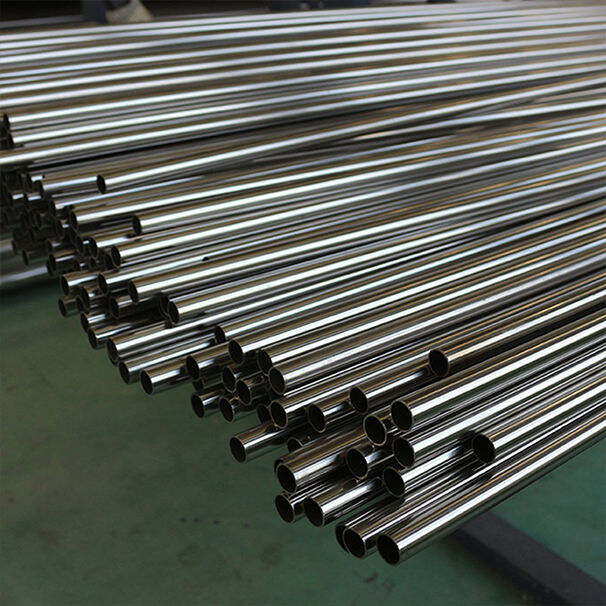
Aluminum rods are essential components in numerous industrial applications, from aerospace manufacturing to construction projects. Despite aluminum's natural resistance to corrosion through its protective oxide layer, proper maintenance practices are crucial for extending service life and preventing premature failure. Understanding the factors that contribute to aluminum degradation and implementing effective preventive measures can save significant costs while ensuring optimal performance of aluminum rods in demanding environments.
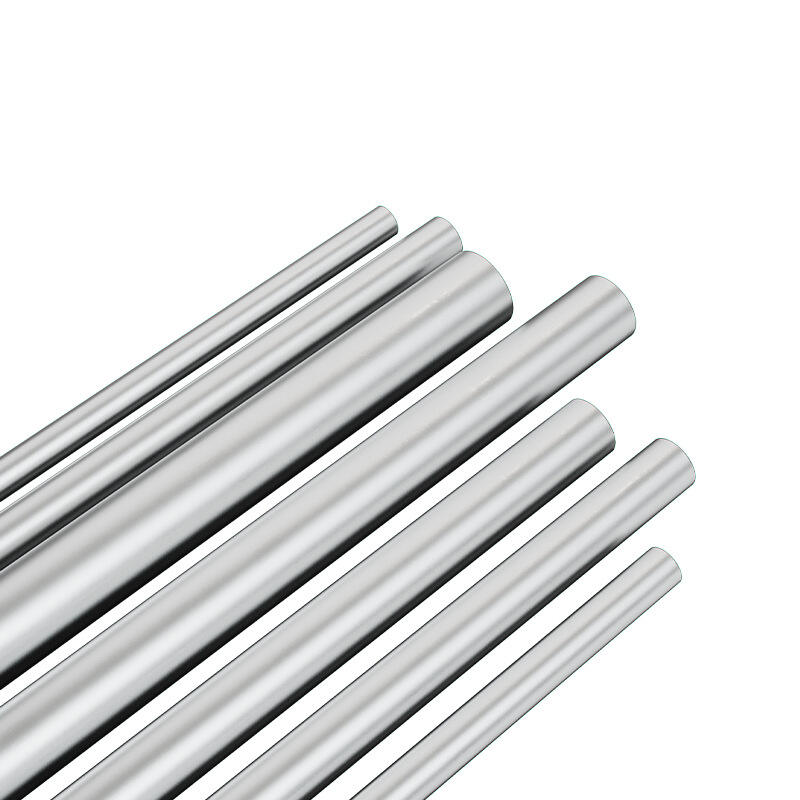
The natural corrosion resistance of aluminum stems from the formation of a thin aluminum oxide film that develops when the metal is exposed to oxygen. This protective barrier shields the underlying material from further oxidation under normal conditions. However, various environmental factors and operational stresses can compromise this protection, making proactive maintenance essential for preserving the integrity of aluminum rods throughout their service life.
Understanding Aluminum Corrosion Mechanisms
Galvanic Corrosion in Multi-Metal Assemblies
Galvanic corrosion represents one of the most significant threats to aluminum rods when they come into contact with dissimilar metals in the presence of an electrolyte. This electrochemical process occurs when aluminum, being more anodic than metals like steel or copper, sacrifices itself to protect the cathodic material. The severity of galvanic corrosion depends on the potential difference between the metals, the conductivity of the electrolyte, and the surface area ratio between the metals involved.
In marine environments or industrial settings with high humidity, the risk of galvanic corrosion increases substantially. Aluminum rods connected to stainless steel fasteners or copper fittings without proper isolation can experience accelerated material loss at connection points. This localized corrosion often manifests as pitting or crevice corrosion, which can compromise structural integrity even when the bulk of the aluminum rod remains unaffected.
Prevention strategies for galvanic corrosion include using compatible fasteners and hardware, applying protective coatings at connection points, and incorporating dielectric barriers between dissimilar metals. Regular inspection of joint areas helps identify early signs of galvanic attack before significant damage occurs.
Environmental Factors Affecting Corrosion Rates
Environmental conditions play a crucial role in determining the corrosion behavior of aluminum rods. Chloride-rich environments, such as coastal areas or facilities using de-icing salts, pose particular challenges due to chloride ions' ability to penetrate and break down the protective oxide layer. Temperature fluctuations can also accelerate corrosion processes by promoting thermal expansion and contraction cycles that stress the protective film.
Atmospheric pollutants, including sulfur compounds and acidic gases, can create aggressive conditions that overwhelm aluminum's natural protection mechanisms. Industrial environments with chemical processing or metal finishing operations often expose aluminum rods to corrosive vapors that require enhanced protective measures beyond standard maintenance protocols.
Humidity levels above 60% can promote the formation of thin electrolyte films on aluminum surfaces, facilitating electrochemical corrosion reactions. Understanding these environmental factors allows maintenance personnel to develop targeted protection strategies based on specific operating conditions.
Preventive Maintenance Strategies
Surface Preparation and Cleaning Protocols
Proper surface preparation forms the foundation of effective aluminum rod maintenance programs. Regular cleaning removes contaminants that can compromise the protective oxide layer or create localized corrosive conditions. The cleaning frequency depends on environmental exposure, with marine or industrial environments requiring more frequent attention than controlled indoor settings.
Recommended cleaning procedures begin with removing loose debris using soft brushes or compressed air to avoid scratching the aluminum surface. Water-based cleaning solutions with mild detergents effectively remove most organic contaminants without damaging the oxide layer. For more stubborn deposits, specialized aluminum cleaners containing phosphoric acid can restore surface cleanliness while maintaining material integrity.
After cleaning, thorough rinsing with clean water removes residual cleaning agents that could promote corrosion. Allowing aluminum rods to air dry completely prevents water staining and eliminates moisture that could support corrosion processes. Documentation of cleaning activities helps establish maintenance intervals and track the effectiveness of different cleaning methods.
Protective Coating Applications
Protective coatings provide an additional barrier against corrosive environments while enhancing the appearance of aluminum rods. Anodizing represents one of the most effective methods for improving corrosion resistance by artificially thickening the natural oxide layer through electrochemical processes. This controlled oxidation creates a durable, uniform coating that significantly extends service life in aggressive environments.
Paint systems specifically formulated for aluminum substrates offer versatility in both protection and aesthetics. Primer coatings containing zinc or aluminum particles provide galvanic protection while promoting adhesion of topcoat layers. Polyurethane and fluoropolymer topcoats deliver exceptional durability and chemical resistance for demanding applications.
Regular inspection of coating systems helps identify areas requiring touch-up or renewal before underlying aluminum becomes exposed. Early intervention through localized coating repairs prevents the spread of corrosion and maintains overall system integrity at a fraction of the cost of complete refinishing.
Inspection and Monitoring Techniques
Visual Assessment Methods
Systematic visual inspections form the cornerstone of effective aluminum rod maintenance programs. Trained personnel can identify early signs of corrosion, mechanical damage, or coating degradation that might otherwise go unnoticed until significant deterioration occurs. Establishing standardized inspection checklists ensures consistent evaluation criteria and helps track changes over time.
Key indicators of aluminum corrosion include white or gray powdery deposits, surface pitting, discoloration, or roughening of previously smooth surfaces. These visible signs often indicate underlying corrosion processes that require immediate attention to prevent further progression. Photography documentation of problem areas facilitates trend analysis and helps communicate findings to maintenance teams.
Inspection frequency should align with environmental severity and criticality of the aluminum rods within the overall system. High-risk environments may require monthly evaluations, while controlled indoor applications might need only annual assessments. Consistent documentation of inspection results builds a historical database that improves future maintenance planning.
Advanced Diagnostic Tools
Non-destructive testing methods provide detailed information about aluminum rod condition beyond what visual inspection can reveal. Ultrasonic thickness measurements detect material loss from corrosion or wear, allowing quantitative assessment of remaining service life. This data proves invaluable for prioritizing maintenance activities and scheduling component replacements.
Eddy current testing identifies subsurface defects and measures coating thickness on aluminum rods with high precision. This technique proves particularly useful for detecting stress corrosion cracking or fatigue damage that may not be visible on the surface. Regular eddy current surveys help establish baseline conditions and monitor degradation rates over time.
Corrosion monitoring systems using electrical resistance or electrochemical methods provide real-time data on corrosion rates in critical applications. These systems enable predictive maintenance strategies that optimize component replacement timing while minimizing unexpected failures.
Storage and Handling Best Practices
Proper Storage Conditions
Appropriate storage conditions significantly impact the long-term performance of aluminum rods by minimizing exposure to corrosive environments during non-operational periods. Indoor storage in climate-controlled facilities provides optimal protection by maintaining stable temperature and humidity levels while excluding atmospheric pollutants and precipitation.
When indoor storage is not feasible, outdoor storage requires careful attention to drainage, ventilation, and protection from direct contact with dissimilar metals or corrosive materials. Aluminum rods should be elevated above ground level using compatible support materials to prevent moisture accumulation and galvanic corrosion. Protective covers should allow air circulation while excluding rain and snow.
Storage area organization prevents damage from handling equipment and allows easy access for inspection activities. Proper identification and inventory management systems ensure first-in-first-out rotation that minimizes storage time and reduces the risk of long-term corrosion development. Regular cleaning of storage areas removes accumulated debris and contaminants that could affect stored aluminum rods.
Safe Handling Procedures
Proper handling techniques protect aluminum rods from mechanical damage that can compromise corrosion resistance by creating stress concentrations or removing protective coatings. Training personnel in appropriate lifting methods, securing techniques, and transport procedures reduces the risk of surface damage during material movement.
Handling equipment should be compatible with aluminum to prevent galvanic corrosion and surface contamination. Steel chains or cables in direct contact with aluminum rods can initiate corrosion even during brief exposure periods. Protective padding or non-metallic slings provide safer alternatives for lifting and securing aluminum materials during transport.
Documentation of handling activities helps track potential damage incidents and identifies areas for procedure improvement. Regular equipment inspection ensures that lifting devices and protective materials remain in good condition and continue to provide adequate protection for aluminum rods.
Repair and Restoration Methods
Localized Repair Techniques
Early intervention through localized repair methods can restore aluminum rods to serviceable condition while avoiding complete component replacement. Surface preparation is critical for successful repairs, requiring thorough removal of corrosion products and contaminants from affected areas. Mechanical methods such as wire brushing or abrasive blasting effectively clean aluminum surfaces, though care must be taken to avoid excessive material removal.
Cold repair compounds specifically formulated for aluminum applications provide temporary solutions for minor corrosion damage or surface defects. These materials bond chemically with aluminum substrates to create durable repairs that can withstand moderate service conditions. Proper surface preparation and curing procedures ensure optimal performance of repair materials.
Welding repairs offer permanent solutions for more extensive damage but require skilled technicians familiar with aluminum welding techniques. Proper pre-heating, filler metal selection, and post-weld treatment are essential for achieving repairs that match or exceed original material properties. Quality control testing verifies repair integrity before returning aluminum rods to service.
Restoration of Protective Systems
Restoration of compromised protective coatings extends the service life of aluminum rods while improving their appearance and corrosion resistance. Complete coating removal may be necessary when existing systems have failed extensively or are incompatible with new protection methods. Chemical stripping or abrasive blasting removes old coatings while preparing surfaces for new applications.
Surface treatment prior to coating application enhances adhesion and long-term performance of protective systems. Conversion coatings or primers specifically designed for aluminum substrates create optimal conditions for subsequent coating layers. Environmental conditions during application significantly affect coating quality, requiring controlled temperature and humidity levels.
Quality assurance testing of restored coating systems verifies thickness, adhesion, and continuity before returning aluminum rods to service. These tests help identify potential problems early in the restoration process when corrections are still economically feasible.
Long-term Performance Optimization
Predictive Maintenance Strategies
Predictive maintenance approaches utilize condition monitoring data to optimize maintenance timing and resource allocation for aluminum rods. Trend analysis of inspection results, corrosion rates, and environmental factors enables accurate prediction of future maintenance needs while minimizing unexpected failures. This data-driven approach reduces maintenance costs while improving system reliability.
Establishing performance baselines for new aluminum rods provides reference points for evaluating degradation rates throughout service life. Regular comparison of current condition data with baseline measurements helps identify accelerating deterioration that may indicate changing operating conditions or maintenance procedure effectiveness.
Integration of maintenance data with computerized maintenance management systems facilitates scheduling optimization and resource planning. Automated alerts based on condition thresholds ensure timely maintenance interventions while reducing administrative burden on maintenance personnel.
Cost-Benefit Analysis of Maintenance Programs
Economic evaluation of aluminum rod maintenance programs helps justify investments in preventive measures while identifying opportunities for cost reduction. Life-cycle cost analysis considers initial material costs, maintenance expenses, and replacement costs to determine optimal maintenance strategies for different applications and environments.
Maintenance cost tracking provides data for continuous improvement initiatives that enhance program effectiveness while controlling expenses. Comparison of different maintenance approaches helps identify the most cost-effective methods for specific operating conditions and performance requirements.
Return on investment calculations for protective coating systems, inspection programs, and repair procedures support decision-making processes for maintenance budget allocation. These analyses help balance short-term costs with long-term benefits to optimize overall program value.
FAQ
How often should aluminum rods be inspected for corrosion
Inspection frequency for aluminum rods depends on environmental conditions and application criticality. In marine or industrial environments, monthly inspections are recommended, while controlled indoor applications may require only annual evaluations. High-stress or safety-critical applications should receive more frequent attention regardless of environmental conditions. Establishing a risk-based inspection schedule ensures appropriate attention while optimizing resource utilization.
What cleaning products are safe to use on aluminum rods
Safe cleaning products for aluminum rods include mild detergents, specialized aluminum cleaners containing phosphoric acid, and alkaline degreasers formulated for aluminum. Avoid cleaners containing hydrochloric acid, sodium hydroxide in high concentrations, or abrasive compounds that can damage the protective oxide layer. Always test cleaning products on a small area first and follow manufacturer recommendations for dilution ratios and contact time.
Can damaged aluminum rods be repaired instead of replaced
Many types of aluminum rod damage can be successfully repaired using appropriate techniques and materials. Minor corrosion, surface defects, and small cracks often respond well to cleaning, filling, and recoating procedures. More extensive damage may require welding repairs by qualified personnel familiar with aluminum welding techniques. The decision to repair versus replace should consider the extent of damage, repair costs, and required service life.
What environmental factors most significantly affect aluminum rod corrosion
The most significant environmental factors affecting aluminum rod corrosion include chloride exposure from marine environments or de-icing salts, high humidity levels above 60%, temperature fluctuations causing thermal stress, and atmospheric pollutants such as sulfur compounds. Contact with dissimilar metals in the presence of moisture creates galvanic corrosion conditions that can accelerate material loss. Understanding these factors helps develop targeted protection strategies for specific applications.