
 EN
EN


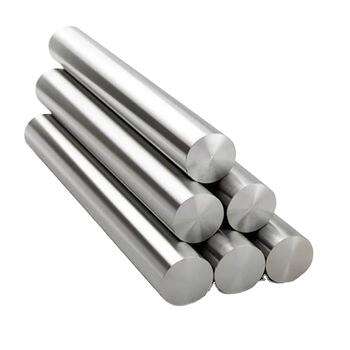
The aerospace industry demands materials that deliver exceptional performance while maintaining cost efficiency throughout the product lifecycle. Aluminum tubes have emerged as a cornerstone solution for manufacturers seeking to balance structural integrity, weight reduction, and economic viability. These versatile components offer unique advantages that make them indispensable in modern aircraft design and space exploration systems. From commercial aviation to military applications, aluminum tubes provide the foundation for critical systems including hydraulic lines, fuel delivery networks, and structural frameworks. Understanding the cost-effective nature of aluminum tubes requires examining their material properties, manufacturing advantages, and long-term operational benefits that drive their widespread adoption across aerospace sectors.
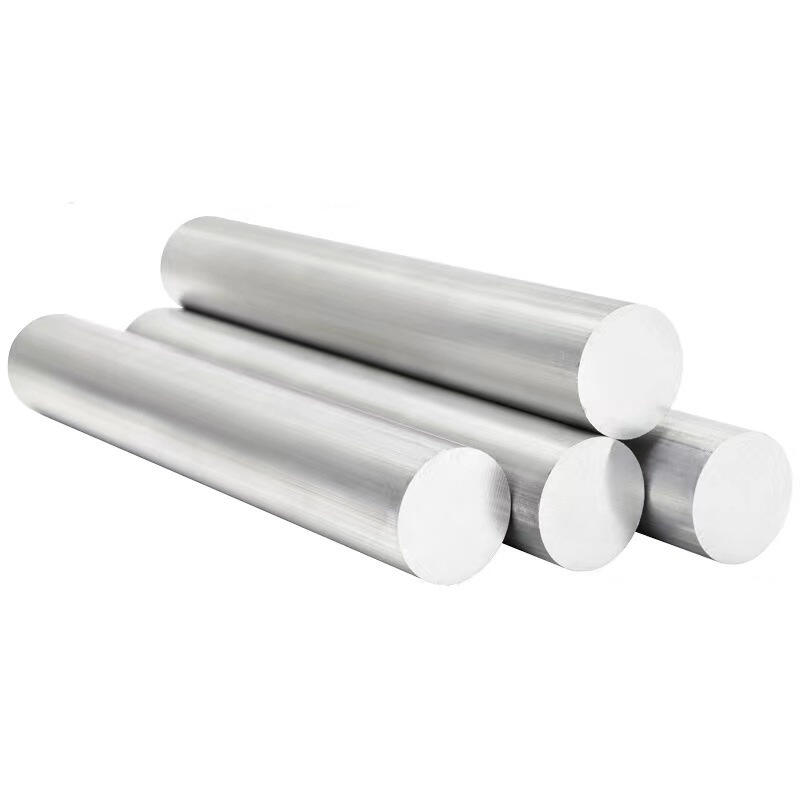
Material Properties Driving Cost Efficiency
Lightweight Characteristics and Fuel Savings
The exceptional strength-to-weight ratio of aluminum tubes directly translates into significant operational cost savings for aerospace applications. Modern aircraft manufacturers recognize that every pound of weight reduction can result in substantial fuel consumption improvements over the aircraft's operational lifetime. Aluminum tubes typically weigh 65% less than equivalent steel components while maintaining comparable structural performance in many applications. This weight reduction becomes particularly critical in commercial aviation, where fuel costs represent a major operational expense. Airlines operating aircraft with aluminum tube components experience measurable improvements in fuel efficiency, leading to reduced operating costs and enhanced profitability over extended flight schedules.
The density characteristics of aluminum tubes enable engineers to design more efficient systems without compromising safety or performance standards. Advanced aluminum alloys used in tube manufacturing provide excellent mechanical properties while maintaining the lightweight advantage that makes them cost-effective alternatives to traditional materials. This combination of reduced weight and maintained strength allows for optimized payload capacity, enabling aircraft operators to maximize revenue potential while minimizing fuel consumption penalties associated with heavier structural components.
Corrosion Resistance and Longevity
Aluminum tubes demonstrate exceptional resistance to environmental factors that typically cause degradation in aerospace applications. The natural oxide layer that forms on aluminum surfaces provides inherent protection against atmospheric corrosion, reducing the need for extensive protective coatings and maintenance procedures. This corrosion resistance translates into extended service life and reduced replacement frequencies, contributing significantly to the cost-effectiveness equation. Aerospace operators benefit from decreased downtime associated with component replacement and reduced inventory requirements for spare parts.
The longevity of aluminum tubes in harsh operating environments makes them particularly valuable for applications exposed to temperature extremes, humidity variations, and chemical exposure. Unlike ferrous materials that require regular inspection and replacement due to rust formation, aluminum tubes maintain their structural integrity throughout extended service periods. This durability reduces lifecycle costs by minimizing maintenance interventions and extending replacement intervals, allowing operators to optimize their maintenance budgets while ensuring reliable system performance.
Manufacturing and Processing Advantages
Production Efficiency and Scale Economics
The manufacturing processes for aluminum tubes benefit from well-established production techniques that enable cost-effective mass production. Extrusion and drawing processes used to create aluminum tubes are highly efficient and can be scaled to meet varying demand levels without significant capital investment increases. Modern manufacturing facilities can produce aluminum tubes with tight dimensional tolerances and consistent quality characteristics, reducing waste and improving yield rates. These production efficiencies translate directly into lower unit costs, making aluminum tubes more economically attractive compared to alternative materials requiring more complex or energy-intensive manufacturing processes.
The availability of recycled aluminum content in tube production further enhances cost-effectiveness while supporting sustainability initiatives within the aerospace industry. Recycled aluminum requires significantly less energy to process compared to primary aluminum production, resulting in lower material costs and reduced environmental impact. This circular economy approach enables manufacturers to offer competitive pricing while meeting increasingly stringent environmental regulations and corporate sustainability goals that influence procurement decisions in the aerospace sector.
Machining and Fabrication Benefits
Aluminum tubes offer superior machinability compared to many alternative materials, enabling efficient processing and customization for specific aerospace applications. The excellent cutting characteristics of aluminum allow for precise machining operations with minimal tool wear and reduced processing time. This machinability advantage translates into lower fabrication costs and improved production efficiency for manufacturers creating complex tube assemblies or custom configurations. The ability to achieve tight tolerances and smooth surface finishes through conventional machining processes eliminates the need for specialized equipment or secondary operations that would increase production costs.
Welding and joining processes for aluminum tubes have been refined to provide reliable, cost-effective assembly methods suitable for aerospace quality standards. Modern welding techniques enable strong, lightweight joints that maintain the structural advantages of aluminum while ensuring long-term reliability. The compatibility of aluminum tubes with various joining methods, including mechanical fastening, adhesive bonding, and advanced welding processes, provides design flexibility that can optimize both performance and cost considerations in aerospace applications.
Performance Benefits in Aerospace Systems
Thermal Management Capabilities
The excellent thermal conductivity of aluminum tubes provides significant advantages in aerospace applications requiring effective heat management. These thermal properties enable efficient heat dissipation in hydraulic systems, avionics cooling applications, and engine component assemblies. The ability of aluminum tubes to conduct and dissipate heat effectively reduces the need for additional cooling systems or complex thermal management solutions, resulting in simplified designs and reduced overall system costs. This thermal management capability becomes particularly valuable in high-performance aerospace applications where temperature control is critical for optimal operation and component longevity.
Temperature cycling resistance of aluminum tubes ensures consistent performance across the wide temperature ranges encountered in aerospace operations. From ground-level conditions to high-altitude environments, aluminum tubes maintain their mechanical properties and dimensional stability, reducing the risk of system failures due to thermal stress. This reliability in varying thermal conditions contributes to cost-effectiveness by minimizing unscheduled maintenance events and extending service intervals for critical systems throughout the aircraft or spacecraft platform.
Pressure and Stress Performance
Aluminum tubes demonstrate excellent performance under the pressure and stress conditions commonly encountered in aerospace hydraulic and pneumatic systems. The ability to withstand high internal pressures while maintaining structural integrity makes aluminum tubes suitable for critical applications including flight control systems, landing gear operations, and brake assemblies. This pressure-handling capability, combined with the lightweight characteristics of aluminum, enables system designers to optimize performance while minimizing weight penalties that would increase operational costs.
Fatigue resistance properties of aluminum tubes ensure reliable performance under cyclic loading conditions typical in aerospace applications. The material's ability to withstand repeated stress cycles without developing critical crack propagation extends component life and reduces replacement frequency. This fatigue performance contributes significantly to the cost-effectiveness of aluminum tubes by enabling extended service intervals and reducing the total cost of ownership for aerospace operators who depend on system reliability for safe and efficient operations.
Economic Impact and Industry Adoption
Supply Chain Advantages
The global availability and established supply chain infrastructure for aluminum tubes provide significant economic advantages for aerospace manufacturers and operators. Well-developed distribution networks ensure reliable material availability and competitive pricing through established market competition. This supply chain maturity reduces procurement risks and enables predictable cost planning for both original equipment manufacturers and aftermarket suppliers. The standardization of aluminum tube specifications and quality standards across the industry facilitates interchangeability and reduces inventory complexity for operators managing diverse aircraft fleets.
Strategic sourcing opportunities for aluminum tubes enable aerospace companies to optimize their procurement strategies and achieve cost reductions through volume purchasing arrangements. The commodity nature of aluminum and the competitive supplier base provide flexibility in sourcing decisions while maintaining quality standards required for aerospace applications. This competitive environment drives continuous improvement in product quality and cost performance, benefiting end users through improved value propositions and innovative product developments that enhance system capabilities while reducing overall costs.
Regulatory Compliance and Certification
Aluminum tubes benefit from extensive regulatory approval and certification history within the aerospace industry, reducing the time and cost associated with new application approvals. Established material specifications and proven performance data enable faster certification processes for new aircraft programs and system modifications. This regulatory familiarity translates into reduced development costs and shorter time-to-market periods for aerospace manufacturers incorporating aluminum tubes into their designs. The extensive database of performance and reliability data supports efficient certification processes while ensuring compliance with stringent aerospace safety standards.
Quality assurance programs for aluminum tubes have evolved to meet the demanding requirements of aerospace applications while maintaining cost-effectiveness through efficient testing and validation procedures. Standardized quality control processes and established supplier qualification requirements ensure consistent product quality while minimizing inspection and verification costs. This mature quality infrastructure enables reliable procurement of aluminum tubes that meet aerospace specifications without requiring extensive incoming inspection procedures that would increase acquisition costs and delay production schedules.
Future Trends and Technological Developments
Advanced Alloy Development
Ongoing research and development in aluminum alloy technology continues to enhance the cost-effectiveness of aluminum tubes for aerospace applications. Advanced alloy compositions are being developed to provide improved strength characteristics, enhanced corrosion resistance, and better fatigue performance while maintaining the economic advantages that make aluminum tubes attractive for cost-conscious aerospace applications. These technological improvements enable expanded use of aluminum tubes in more demanding applications previously reserved for higher-cost materials, broadening the economic benefits across aerospace system designs.
Additive manufacturing technologies are beginning to influence aluminum tube production methods, potentially offering new opportunities for cost reduction and performance enhancement. These emerging manufacturing techniques may enable more complex geometries, integrated features, and customized properties that could further improve the value proposition of aluminum tubes in aerospace applications. The development of these advanced manufacturing capabilities represents a significant opportunity to enhance cost-effectiveness while expanding the design possibilities for engineers seeking to optimize system performance and economic efficiency.
Sustainability and Environmental Considerations
Environmental regulations and sustainability initiatives within the aerospace industry are driving increased adoption of aluminum tubes due to their recyclability and lower environmental impact compared to alternative materials. The ability to recycle aluminum tubes at the end of their service life provides additional economic value while supporting circular economy principles that are becoming increasingly important in aerospace procurement decisions. This sustainability advantage enhances the long-term cost-effectiveness of aluminum tubes by providing residual value through material recovery and reducing environmental compliance costs for aerospace operators.
Carbon footprint considerations are influencing material selection decisions in aerospace applications, with aluminum tubes offering advantages through their lightweight properties that reduce fuel consumption and associated emissions. The environmental benefits of reduced fuel consumption translate into economic advantages through lower operating costs and potential carbon credit opportunities. As environmental regulations become more stringent and carbon pricing mechanisms are implemented, the environmental advantages of aluminum tubes will contribute increasingly to their overall cost-effectiveness in aerospace applications.
FAQ
How do aluminum tubes compare to steel tubes in terms of cost-effectiveness for aerospace applications
Aluminum tubes offer superior cost-effectiveness compared to steel tubes in aerospace applications primarily due to their exceptional strength-to-weight ratio and corrosion resistance properties. While the initial material cost of aluminum tubes may be higher than steel, the significant weight savings translate into substantial fuel consumption reductions over the aircraft's operational lifetime. The natural corrosion resistance of aluminum tubes eliminates the need for protective coatings and reduces maintenance requirements, resulting in lower lifecycle costs. Additionally, the excellent machinability of aluminum tubes reduces fabrication costs and processing time compared to steel alternatives.
What factors contribute to the long-term economic benefits of using aluminum tubes in aerospace systems
The long-term economic benefits of aluminum tubes in aerospace applications stem from multiple factors including extended service life due to corrosion resistance, reduced maintenance requirements, and improved fuel efficiency from weight reduction. The durability of aluminum tubes in harsh operating environments minimizes replacement frequency and reduces inventory costs for spare parts. Their excellent thermal conductivity properties enable efficient heat management without requiring additional cooling systems, simplifying overall system design and reducing costs. The established supply chain and regulatory approval history for aluminum tubes also contribute to predictable procurement costs and faster certification processes for new applications.
Can aluminum tubes meet the performance requirements of high-pressure aerospace systems while remaining cost-effective
Yes, aluminum tubes can effectively meet high-pressure requirements in aerospace systems while maintaining cost-effectiveness through proper alloy selection and design optimization. Advanced aluminum alloys provide excellent pressure-handling capabilities suitable for hydraulic systems, pneumatic applications, and other high-pressure aerospace components. The key to cost-effective implementation lies in selecting appropriate wall thickness, alloy composition, and manufacturing processes that optimize the strength-to-weight ratio. Modern aluminum tube designs can achieve pressure ratings comparable to steel alternatives while providing significant weight savings that translate into operational cost benefits throughout the system's service life.
How does the recyclability of aluminum tubes impact their overall cost-effectiveness in aerospace applications
The recyclability of aluminum tubes significantly enhances their cost-effectiveness by providing end-of-life value recovery and supporting sustainable procurement practices. Aluminum can be recycled repeatedly without losing its beneficial properties, creating a circular economy that reduces material costs through recycled content incorporation. The energy requirements for recycling aluminum are substantially lower than primary production, enabling cost savings in material sourcing. Additionally, the growing emphasis on environmental sustainability in aerospace procurement means that the recyclability of aluminum tubes provides competitive advantages in contract awards and helps aerospace companies meet corporate sustainability goals while achieving cost objectives.
Table of Contents
- Material Properties Driving Cost Efficiency
- Manufacturing and Processing Advantages
- Performance Benefits in Aerospace Systems
- Economic Impact and Industry Adoption
- Future Trends and Technological Developments
-
FAQ
- How do aluminum tubes compare to steel tubes in terms of cost-effectiveness for aerospace applications
- What factors contribute to the long-term economic benefits of using aluminum tubes in aerospace systems
- Can aluminum tubes meet the performance requirements of high-pressure aerospace systems while remaining cost-effective
- How does the recyclability of aluminum tubes impact their overall cost-effectiveness in aerospace applications