
 EN
EN


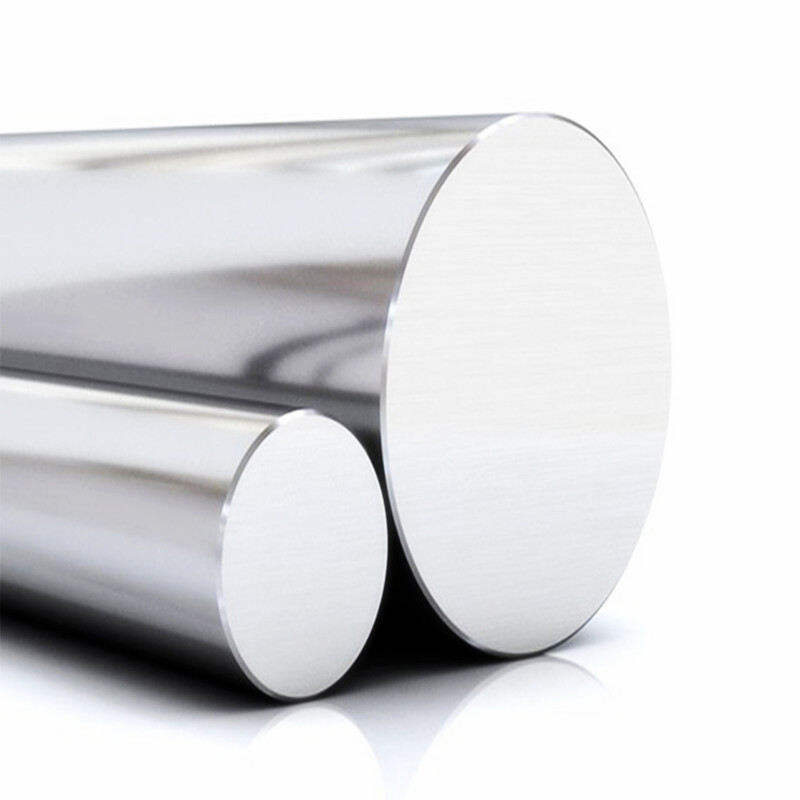
The construction and industrial sectors have witnessed a significant shift toward lightweight, durable materials in recent decades. Among these materials, aluminum pipes have emerged as a preferred solution for plumbing and HVAC applications due to their unique combination of properties. These versatile conduits offer exceptional corrosion resistance, thermal efficiency, and structural integrity while maintaining cost-effectiveness. Understanding the advantages of aluminum pipes helps professionals make informed decisions when selecting piping materials for their projects.
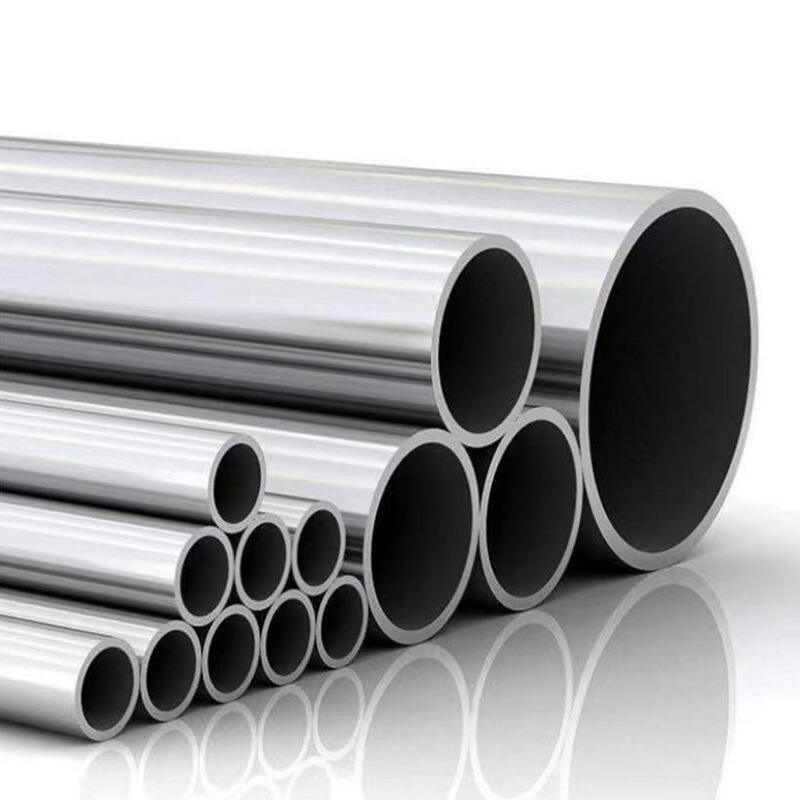
Superior Corrosion Resistance Properties
Natural Oxide Layer Formation
Aluminum pipes develop a protective oxide layer when exposed to oxygen, creating an inherent barrier against corrosion. This naturally occurring aluminum oxide film forms rapidly and self-heals when damaged, providing continuous protection throughout the pipe's service life. Unlike ferrous materials that require external coatings or treatments, aluminum pipes maintain their integrity without additional protective measures. The oxide layer's thickness typically measures only a few nanometers but effectively prevents moisture and chemical penetration.
This natural protection mechanism makes aluminum pipes particularly suitable for environments with varying humidity levels and temperature fluctuations. The self-renewing characteristic of the oxide layer ensures long-term performance even in challenging conditions. Professional installers appreciate this feature because it reduces maintenance requirements and extends system longevity. The corrosion resistance of aluminum pipes surpasses that of traditional materials like steel or iron in many applications.
Chemical Compatibility Advantages
The chemical stability of aluminum pipes extends their applicability across diverse fluid transport systems. These pipes demonstrate excellent compatibility with various chemicals commonly found in plumbing and HVAC systems, including water treatment additives and refrigerants. The non-reactive nature of aluminum prevents contamination of transported fluids while maintaining system purity. This characteristic proves essential in applications requiring strict water quality standards or specialized fluid handling.
Aluminum pipes resist degradation from common household chemicals, cleaning agents, and industrial fluids typically encountered in building systems. The material's stability prevents leaching of metallic ions into transported media, ensuring compliance with health and safety regulations. Engineers specify aluminum pipes for sensitive applications where material compatibility directly impacts system performance and occupant safety.
Thermal Efficiency and Heat Transfer Benefits
Excellent Thermal Conductivity
The thermal conductivity of aluminum pipes significantly enhances heat transfer efficiency in HVAC applications. With a thermal conductivity approximately four times higher than steel, aluminum pipes facilitate rapid heat exchange between transported fluids and surrounding environments. This property enables more efficient heating and cooling systems while reducing energy consumption. HVAC professionals leverage these thermal characteristics to optimize system performance and minimize operational costs.
The superior heat transfer capabilities of aluminum pipes allow for smaller diameter installations while maintaining desired thermal performance. This advantage translates to reduced material costs and simplified installation procedures. The enhanced thermal response of aluminum pipes enables faster system startup times and more precise temperature control. These benefits make aluminum pipes particularly valuable in applications requiring rapid thermal response or frequent temperature cycling.
Temperature Stability Characteristics
Aluminum pipes maintain dimensional stability across wide temperature ranges commonly encountered in building systems. The material's coefficient of thermal expansion, while higher than steel, remains predictable and manageable through proper design considerations. Professional installers can accommodate thermal movement through appropriate joint design and expansion provisions. The consistent thermal behavior of aluminum pipes ensures reliable performance in both heating and cooling applications.
The temperature resistance of aluminum pipes extends from sub-zero conditions to elevated temperatures typical in HVAC systems. This broad operating range eliminates concerns about material degradation or performance loss under normal service conditions. The thermal stability of aluminum pipes contributes to system reliability and reduces the likelihood of thermal stress-related failures. Engineers appreciate these predictable thermal characteristics when designing complex piping networks.
Lightweight Design and Installation Advantages
Reduced Structural Loading
The lightweight nature of aluminum pipes significantly reduces structural loading on building frameworks compared to traditional piping materials. With a density approximately one-third that of steel, aluminum pipes minimize dead loads while maintaining structural integrity. This weight advantage allows for simplified support structures and reduced foundation requirements. Structural engineers benefit from the reduced loading when designing pipe support systems and building frameworks.
The reduced weight of aluminum pipes facilitates easier handling during transportation and installation phases. Workers can maneuver larger diameter aluminum pipes with standard equipment, reducing labor costs and installation time. The lightweight characteristic also enables installations in areas with limited structural capacity or weight restrictions. These advantages make aluminum pipes particularly suitable for retrofit applications where existing structures cannot accommodate heavier alternatives.
Installation Efficiency Benefits
The workability of aluminum pipes streamlines installation procedures through simplified cutting, fitting, and joining processes. Standard tools can effectively process aluminum pipes without specialized equipment requirements. The material's malleability allows for minor field modifications without compromising structural integrity. Installation crews appreciate the ease of handling and processing that aluminum pipes provide throughout construction projects.
Aluminum pipes can be joined using various methods including welding, brazing, and mechanical connections, providing flexibility in installation approaches. The compatibility with standard fittings and connection systems simplifies procurement and inventory management. Quick installation times result from the efficient processing characteristics of aluminum pipes. These installation advantages translate to reduced labor costs and accelerated project completion schedules.
Economic Considerations and Cost-Effectiveness
Initial Investment Analysis
The initial cost of aluminum pipes compares favorably with alternative materials when considering total system requirements. While the material cost per pound may exceed some alternatives, the reduced wall thickness requirements and lighter weight often result in competitive installed costs. The elimination of protective coatings and treatments further enhances the economic proposition of aluminum pipes. Procurement professionals recognize the value proposition that aluminum pipes offer in comprehensive cost analyses.
The availability and stable pricing of aluminum pipes provide predictable project costs and simplified budgeting processes. Market stability for aluminum materials reduces price volatility concerns that affect project planning. The standardized manufacturing processes for aluminum pipes ensure consistent quality and performance characteristics. These economic factors contribute to the growing adoption of aluminum pipes in commercial and industrial applications.
Long-Term Value Proposition
The durability and low maintenance requirements of aluminum pipes generate significant long-term cost savings. The corrosion resistance eliminates replacement costs associated with material degradation over time. Reduced maintenance intervals and simplified repair procedures minimize operational expenses throughout the system lifecycle. Facility managers appreciate the reduced maintenance burden that aluminum pipes provide.
The recyclability of aluminum pipes adds environmental value while providing end-of-life material recovery opportunities. The high scrap value of aluminum materials offsets disposal costs and may generate revenue during system replacement or renovation projects. These sustainability benefits align with green building initiatives and environmental stewardship goals. The combination of performance and environmental advantages makes aluminum pipes an attractive long-term investment.
Environmental Sustainability and Green Building Applications
Recyclability and Environmental Impact
Aluminum pipes demonstrate exceptional environmental credentials through their high recyclability and sustainable production characteristics. The material can be recycled indefinitely without quality degradation, supporting circular economy principles in construction applications. Recycled aluminum requires only five percent of the energy needed for primary production, significantly reducing carbon footprint. Environmental consultants frequently specify aluminum pipes for projects pursuing green building certifications.
The production of aluminum pipes increasingly utilizes renewable energy sources, further enhancing their environmental profile. Modern manufacturing processes minimize waste generation and optimize resource utilization throughout production cycles. The longevity of aluminum pipes reduces replacement frequency and associated environmental impacts. These sustainability characteristics make aluminum pipes attractive options for environmentally conscious projects and organizations.
Energy Efficiency Contributions
The thermal properties of aluminum pipes contribute to overall building energy efficiency through enhanced heat transfer and reduced thermal losses. The material's ability to conduct heat efficiently reduces pumping energy requirements in hydronic systems. Improved thermal response enables more precise temperature control with reduced energy consumption. Energy consultants recognize these efficiency benefits when evaluating piping material selections.
The lightweight nature of aluminum pipes reduces transportation energy requirements during project delivery and installation phases. The reduced structural support requirements also minimize material consumption in building frameworks. These indirect energy savings compound the direct operational benefits of aluminum pipes. The comprehensive energy efficiency advantages support sustainable building design objectives and operational cost reduction goals.
Performance Characteristics in HVAC Applications
Refrigerant Compatibility
Aluminum pipes demonstrate excellent compatibility with modern refrigerants used in HVAC systems, including environmentally friendly alternatives. The material's chemical stability prevents reactions with refrigerants that could compromise system performance or safety. The smooth internal surface of aluminum pipes minimizes pressure drops and enhances refrigerant flow characteristics. HVAC technicians appreciate the reliable performance that aluminum pipes provide in refrigeration applications.
The thermal conductivity of aluminum pipes enhances heat exchanger performance in evaporator and condenser applications. Improved heat transfer efficiency enables smaller system components while maintaining cooling capacity. The corrosion resistance ensures long-term reliability in refrigeration systems operating under varying conditions. These performance characteristics make aluminum pipes suitable for both residential and commercial HVAC installations.
Airflow and Pressure Considerations
The smooth interior surface of aluminum pipes minimizes friction losses and maintains efficient airflow in ductwork applications. Reduced pressure drops enable smaller fan requirements and decreased energy consumption in air handling systems. The dimensional stability of aluminum pipes maintains consistent flow characteristics throughout system operation. Air system designers leverage these flow advantages to optimize HVAC performance and efficiency.
Aluminum pipes can accommodate moderate pressure applications while maintaining structural integrity and safety margins. The material's strength-to-weight ratio enables thin-wall construction without compromising pressure ratings. Proper joint design ensures pressure containment throughout the piping network. These pressure handling capabilities make aluminum pipes suitable for various HVAC applications including compressed air and pneumatic systems.
Maintenance and Service Life Considerations
Inspection and Monitoring Requirements
The maintenance requirements for aluminum pipes are minimal compared to traditional materials, reducing operational costs and service interruptions. Visual inspections can easily identify any surface issues due to the material's characteristic appearance changes. The self-healing oxide layer prevents minor damage from progressing to system failures. Maintenance personnel can quickly assess system condition without specialized testing equipment or procedures.
The predictable aging characteristics of aluminum pipes enable proactive maintenance scheduling and lifecycle planning. Unlike materials subject to unpredictable corrosion patterns, aluminum pipes age uniformly and predictably. This characteristic allows facility managers to develop accurate replacement schedules and budget projections. The reduced uncertainty in maintenance planning provides operational advantages and cost control benefits.
Repair and Replacement Procedures
Repair procedures for aluminum pipes are straightforward and can be accomplished using standard tools and techniques. The workability of aluminum allows for field repairs without extensive preparation or specialized equipment. Welding and brazing repairs can restore full system integrity when properly executed. Service technicians appreciate the accessibility and simplicity of aluminum pipe repair procedures.
Replacement segments of aluminum pipes can be easily integrated into existing systems without compatibility concerns. The standardization of aluminum pipe dimensions and specifications simplifies parts procurement and inventory management. Quick turnaround times for repairs minimize system downtime and operational disruptions. These service advantages contribute to reduced lifecycle costs and improved system reliability.
FAQ
How do aluminum pipes compare to copper pipes in plumbing applications
Aluminum pipes offer several advantages over copper pipes including lower cost, lighter weight, and comparable corrosion resistance. While copper provides excellent antimicrobial properties, aluminum pipes deliver superior thermal conductivity and easier installation. The choice between materials often depends on specific application requirements, local codes, and budget considerations. Both materials provide reliable long-term performance in properly designed systems.
Can aluminum pipes be used in underground installations
Aluminum pipes can be used in underground applications with appropriate protective measures and design considerations. The natural corrosion resistance provides good performance in many soil conditions, though aggressive environments may require additional protection. Proper bedding, backfill selection, and cathodic protection can extend service life in challenging underground conditions. Consultation with corrosion engineers is recommended for critical underground aluminum pipe installations.
What joining methods work best with aluminum pipes
Aluminum pipes can be joined using welding, brazing, mechanical fittings, and adhesive connections depending on application requirements. Welding provides the strongest joints but requires skilled technicians and proper procedures. Mechanical fittings offer ease of installation and serviceability advantages. Brazing delivers excellent strength and leak-tight performance for moderate pressure applications. The selection of joining method should consider system pressure, temperature, and accessibility requirements.
Are there size limitations for aluminum pipes in building systems
Aluminum pipes are available in a wide range of sizes from small diameter tubing to large diameter conduits suitable for building systems. Manufacturing capabilities extend from fractional inch sizes to diameters exceeding 24 inches for specialized applications. Wall thickness options accommodate various pressure requirements while maintaining reasonable costs. Custom sizes and specifications can be manufactured for unique applications requiring non-standard dimensions.
Table of Contents
- Superior Corrosion Resistance Properties
- Thermal Efficiency and Heat Transfer Benefits
- Lightweight Design and Installation Advantages
- Economic Considerations and Cost-Effectiveness
- Environmental Sustainability and Green Building Applications
- Performance Characteristics in HVAC Applications
- Maintenance and Service Life Considerations
- FAQ