
 EN
EN


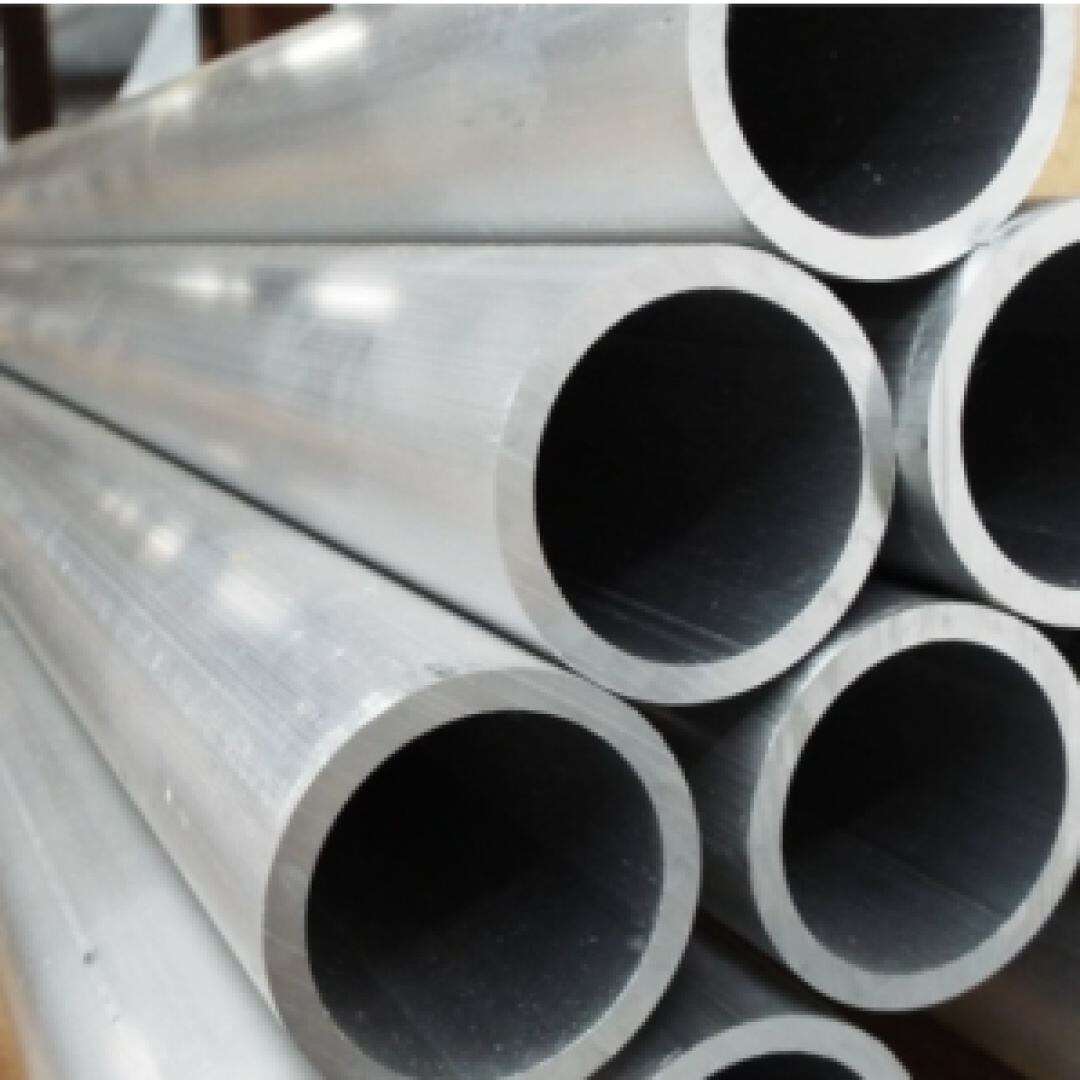
Aluminum pipes have become increasingly popular across various industries due to their exceptional corrosion resistance, lightweight properties, and durability. These versatile components serve critical functions in plumbing systems, HVAC installations, automotive applications, and industrial processes. However, maximizing the lifespan of aluminum pipes requires proper understanding of their characteristics, installation techniques, and ongoing maintenance practices. By implementing proven strategies and following industry best practices, facility managers and engineers can significantly extend the operational life of their aluminum pipe systems while minimizing costly replacements and repairs.
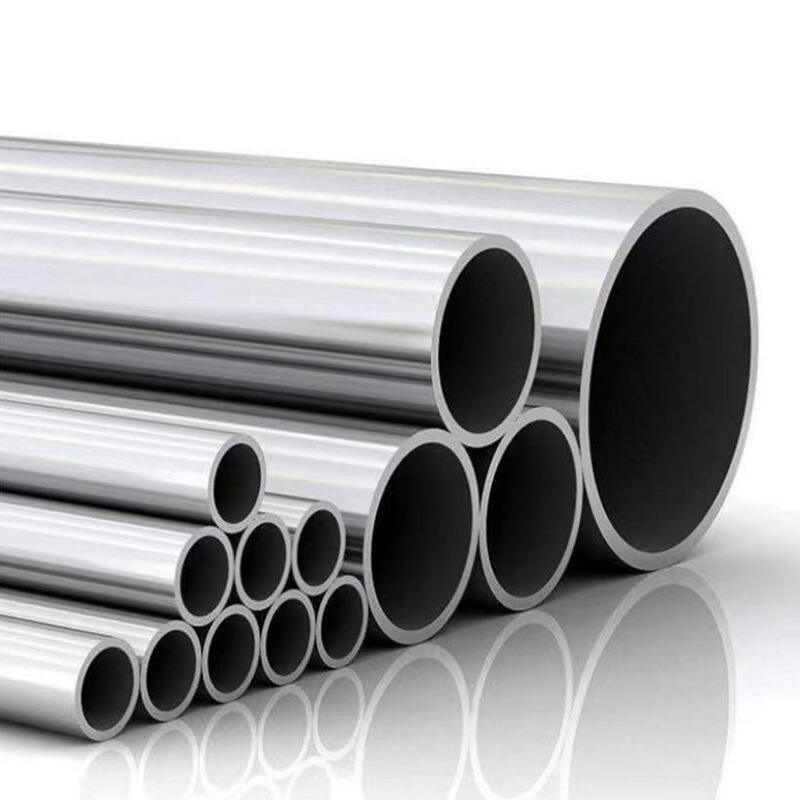
Understanding Aluminum Pipe Properties and Benefits
Material Composition and Structural Advantages
The unique properties of aluminum pipes stem from their specific alloy compositions and manufacturing processes. Most industrial aluminum pipes are constructed using alloys such as 6061-T6 or 6063-T5, which provide optimal strength-to-weight ratios and excellent machinability. These alloys contain silicon and magnesium as primary strengthening elements, creating a material that resists deformation under pressure while maintaining flexibility during installation. The lightweight nature of aluminum pipes reduces structural loads on supporting systems and simplifies handling procedures during construction and maintenance activities.
Aluminum pipes exhibit remarkable thermal conductivity properties, making them ideal for applications requiring efficient heat transfer. This characteristic proves particularly valuable in HVAC systems where temperature regulation is critical for energy efficiency. Additionally, the natural oxide layer that forms on aluminum surfaces provides inherent corrosion protection, reducing the need for external coatings in many environments. This self-protecting feature distinguishes aluminum pipes from steel alternatives that require regular coating maintenance to prevent rust formation.
Corrosion Resistance and Environmental Adaptability
The exceptional corrosion resistance of aluminum pipes makes them suitable for diverse environmental conditions, including coastal areas with high salt content and industrial facilities with chemical exposure. Unlike ferrous materials, aluminum pipes do not experience galvanic corrosion when properly installed with compatible fittings and supports. This compatibility extends to various fluid types, including potable water, compressed air, and many industrial chemicals, provided that proper material selection guidelines are followed during system design.
Environmental factors such as humidity, temperature fluctuations, and chemical exposure significantly impact the longevity of aluminum pipes. Understanding these influences allows engineers to select appropriate alloys and protective measures for specific applications. The natural passivation process of aluminum creates a protective barrier that regenerates when damaged, providing long-term protection against atmospheric corrosion in most environments.
Proper Installation Techniques for Maximum Durability
Joint Selection and Connection Methods
Selecting appropriate joining methods significantly influences the long-term performance of aluminum pipes. Mechanical joints using compression fittings or flanged connections provide reliable sealing while allowing for thermal expansion and contraction. These connections distribute stress evenly across joint surfaces, preventing localized stress concentrations that could lead to premature failure. Welded joints require specialized techniques and qualified welders familiar with aluminum welding procedures to ensure structural integrity and corrosion resistance at connection points.
Proper thread sealing compounds and gasket materials must be compatible with aluminum to prevent galvanic corrosion and maintain joint integrity over time. Dielectric unions should be installed when connecting aluminum pipes to dissimilar metals, creating an electrical barrier that prevents electrochemical reactions. The selection of appropriate thread compounds, typically containing zinc or aluminum particles, helps create durable seals while preventing galling during assembly operations.
Support System Design and Installation Practices
Adequate support systems are essential for preventing stress concentrations and premature failure in aluminum pipes. Support spacing calculations must account for the elastic modulus of aluminum, which differs significantly from steel piping systems. Hangers and supports should incorporate thermal expansion joints or flexible connections to accommodate dimensional changes during temperature cycling. Proper support materials prevent galvanic corrosion by eliminating direct contact between aluminum pipes and dissimilar metals.
Installation procedures should minimize mechanical stress during fitting and assembly operations. Excessive torque during connection assembly can cause stress concentrations that propagate into fatigue failures over time. Using calibrated torque wrenches and following manufacturer specifications ensures optimal joint performance without overstressing pipe materials. Additionally, maintaining proper pipe alignment during installation prevents unnecessary bending stresses that could compromise long-term structural integrity.
Maintenance Strategies and Inspection Protocols
Regular Inspection Procedures and Documentation
Implementing systematic inspection protocols extends the service life of aluminum pipes by identifying potential issues before they develop into costly failures. Visual inspections should focus on joint areas, support points, and locations where pipes penetrate building structures. Signs of corrosion, mechanical damage, or joint leakage require immediate attention to prevent progressive deterioration. Documentation of inspection findings creates historical records that help identify patterns and predict maintenance requirements.
Non-destructive testing methods such as ultrasonic thickness measurements provide quantitative assessments of pipe wall conditions without compromising system integrity. These measurements establish baseline conditions and track changes over time, enabling predictive maintenance strategies. Infrared thermography can identify temperature anomalies that indicate internal blockages, leaks, or insulation problems in aluminum pipes carrying heated or cooled fluids.
Cleaning and Preventive Maintenance Practices
Regular cleaning procedures remove contaminants that could accelerate corrosion or reduce heat transfer efficiency in aluminum pipes. Appropriate cleaning solutions must be compatible with aluminum surfaces to avoid chemical damage during maintenance operations. Alkaline cleaners should be avoided as they can cause pitting and surface roughening that promotes future contamination accumulation. Mild acidic solutions or specialized aluminum cleaners provide effective contamination removal while preserving surface integrity.
Preventive maintenance programs should include periodic replacement of gaskets, seals, and other consumable components before they reach end-of-life conditions. This proactive approach prevents unexpected failures and maintains system reliability. Additionally, maintaining proper fluid chemistry in systems using aluminum pipes helps prevent internal corrosion and scaling that could reduce flow capacity or cause localized stress concentrations.
Environmental Considerations and Protection Methods
Chemical Compatibility and Fluid Selection
Understanding chemical compatibility between aluminum pipes and transported fluids is crucial for preventing premature deterioration and ensuring system longevity. Certain chemicals, including strong acids, alkalis, and chlorinated compounds, can accelerate aluminum corrosion and should be avoided or managed through appropriate protective measures. Fluid velocity considerations also impact corrosion rates, as excessive flow speeds can cause erosion-corrosion in aluminum pipes, particularly at direction changes and restrictions.
Water quality parameters such as pH, chlorine content, and dissolved oxygen levels significantly affect the performance of aluminum pipes in plumbing and cooling applications. Maintaining optimal water chemistry through filtration, treatment, or inhibitor addition extends pipe life and maintains flow capacity. Regular water quality testing ensures that conditions remain within acceptable ranges for aluminum pipe systems throughout their operational life.
Protective Coatings and Surface Treatments
While aluminum pipes possess natural corrosion resistance, additional protective coatings may be beneficial in harsh environments or specific applications. Anodizing treatments enhance the natural oxide layer, providing increased corrosion protection and improved surface durability. These treatments are particularly valuable in marine environments or industrial facilities with aggressive atmospheric conditions. Powder coating applications provide both corrosion protection and aesthetic enhancement while maintaining the lightweight advantages of aluminum pipes.
Surface preparation procedures must be carefully executed before applying protective coatings to ensure optimal adhesion and performance. Proper cleaning, etching, and priming steps create conditions for long-lasting coating systems that protect underlying aluminum pipes from environmental exposure. Regular inspection and maintenance of protective coatings prevent localized failures that could lead to accelerated corrosion at coating defects or damage points.
Troubleshooting Common Issues and Solutions
Identifying and Addressing Corrosion Problems
Despite their excellent corrosion resistance, aluminum pipes can experience localized corrosion under certain conditions. Pitting corrosion typically occurs in stagnant areas or where deposits accumulate on pipe surfaces. Identifying these conditions early allows for corrective actions such as improved circulation, water treatment modification, or localized pipe replacement. Crevice corrosion may develop at poorly sealed joints or areas where foreign materials contact aluminum pipe surfaces.
Galvanic corrosion represents a significant concern when aluminum pipes are connected to dissimilar metals without proper isolation. This electrochemical process accelerates aluminum dissolution and can cause rapid system failures if not addressed promptly. Installing dielectric fittings, applying protective coatings, or replacing incompatible materials eliminates galvanic couples and restores system integrity.
Mechanical Damage Prevention and Repair
Mechanical damage to aluminum pipes often results from improper handling, excessive support loads, or impact from external sources. Preventing such damage requires careful installation procedures, adequate protection in high-traffic areas, and regular inspection of support systems. When mechanical damage occurs, proper repair techniques maintain structural integrity while preserving corrosion resistance at repair locations.
Fatigue failures in aluminum pipes typically develop at stress concentrations such as sharp bends, inadequate support points, or connection areas. Addressing fatigue issues requires identifying and eliminating stress concentrations through improved support design, route modifications, or component replacements. Understanding the fatigue characteristics of aluminum pipes helps engineers design systems that operate within acceptable stress limits throughout their intended service life.
FAQ
How often should aluminum pipes be inspected for optimal longevity
Aluminum pipes should undergo comprehensive inspections annually, with more frequent visual checks every three to six months depending on the operating environment and application criticality. High-stress applications or aggressive environments may require quarterly inspections, while standard commercial installations can often operate safely with annual detailed inspections supplemented by routine visual assessments.
What are the most effective ways to prevent galvanic corrosion in aluminum pipe systems
Preventing galvanic corrosion requires eliminating direct electrical contact between aluminum pipes and dissimilar metals through dielectric unions, insulating gaskets, or protective coatings. Additionally, maintaining proper electrical grounding and avoiding stagnant electrolyte conditions helps minimize electrochemical reactions that accelerate corrosion in mixed-metal systems.
Can aluminum pipes be repaired if corrosion damage occurs
Minor corrosion damage in aluminum pipes can often be repaired through mechanical methods such as clamps or wraps, while more extensive damage may require section replacement. The repair method depends on the extent of damage, operating pressure, and accessibility. Proper surface preparation and compatible materials are essential for effective repairs that maintain system integrity and longevity.
What factors determine the expected lifespan of aluminum pipes in different applications
The lifespan of aluminum pipes varies significantly based on environmental conditions, fluid compatibility, operating pressures, temperature cycling, and maintenance practices. Well-maintained systems in favorable environments can operate effectively for 30-50 years, while aggressive conditions or poor maintenance may reduce service life to 15-20 years. Regular monitoring and proactive maintenance significantly extend operational life regardless of application conditions.
Table of Contents
- Understanding Aluminum Pipe Properties and Benefits
- Proper Installation Techniques for Maximum Durability
- Maintenance Strategies and Inspection Protocols
- Environmental Considerations and Protection Methods
- Troubleshooting Common Issues and Solutions
-
FAQ
- How often should aluminum pipes be inspected for optimal longevity
- What are the most effective ways to prevent galvanic corrosion in aluminum pipe systems
- Can aluminum pipes be repaired if corrosion damage occurs
- What factors determine the expected lifespan of aluminum pipes in different applications