
 EN
EN


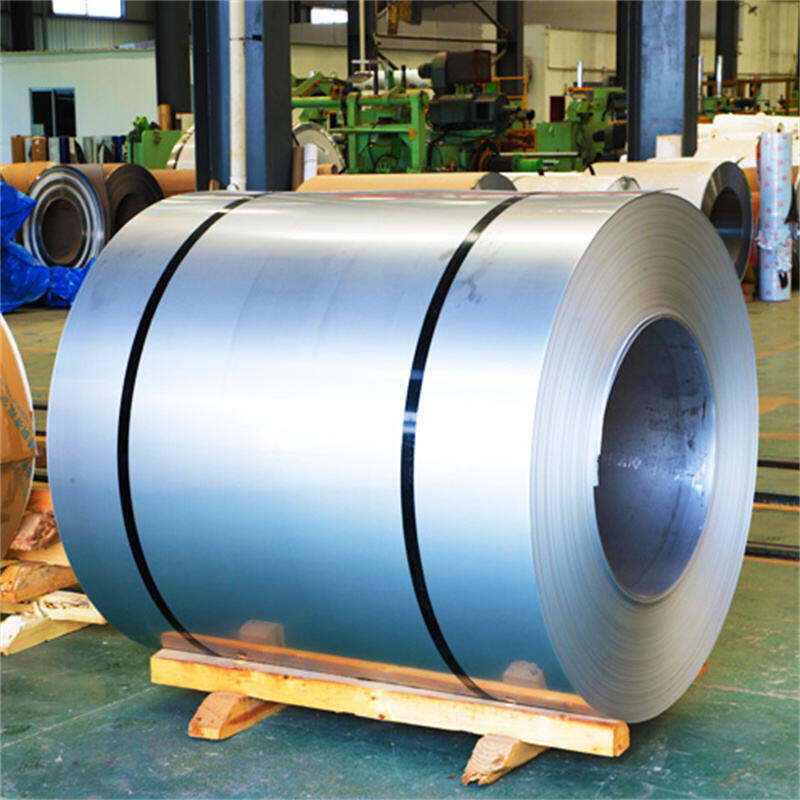
Manufacturing excellence depends heavily on material selection, and choosing the appropriate stainless steel coil can significantly impact your production efficiency, product quality, and overall costs. With numerous grades, thicknesses, and surface finishes available in today's market, understanding the key factors that influence coil selection becomes crucial for maintaining competitive advantage. The decision-making process involves evaluating multiple technical specifications, application requirements, and economic considerations that align with your specific manufacturing objectives. Whether you're producing automotive components, kitchen appliances, or industrial equipment, the right material choice establishes the foundation for successful project outcomes.
Understanding Stainless Steel Grades and Properties
Austenitic Stainless Steel Characteristics
Austenitic grades represent the most widely used category in industrial applications, offering exceptional corrosion resistance and formability characteristics. The 300 series, including 304 and 316 variants, provides excellent ductility and weldability, making these materials ideal for deep drawing operations and complex forming processes. These grades maintain their mechanical properties across wide temperature ranges, ensuring consistent performance in diverse operating environments. The chromium-nickel composition creates a stable austenitic structure that resists magnetic attraction in the annealed condition.
When selecting austenitic stainless steel coil materials, consider the specific alloying elements that enhance particular properties for your application. Molybdenum additions in 316 grade significantly improve pitting and crevice corrosion resistance, particularly in chloride-containing environments. Titanium or niobium stabilized grades like 321 and 347 prevent carbide precipitation during welding operations, maintaining corrosion resistance in heat-affected zones. The work-hardening characteristics of austenitic grades allow for strength increases through cold working processes while maintaining excellent toughness properties.
Ferritic and Martensitic Grade Applications
Ferritic stainless steels offer cost-effective solutions for applications requiring moderate corrosion resistance without the higher nickel content of austenitic grades. The 400 series ferritic grades provide magnetic properties and excellent stress corrosion cracking resistance, making them suitable for automotive exhaust systems and decorative applications. These materials exhibit lower thermal expansion coefficients compared to austenitic grades, reducing distortion during welding and heat treatment processes. The ferritic structure maintains stability without phase transformations during cooling, ensuring predictable mechanical properties.
Martensitic grades deliver high strength and hardness through heat treatment capabilities, serving specialized applications requiring wear resistance and cutting performance. The carbon content in these grades enables hardening through quenching and tempering processes, achieving hardness levels exceeding 50 HRC. However, the higher carbon content reduces weldability and requires preheating and post-weld heat treatment for optimal joint properties. Consider these grades for knife blades, surgical instruments, and valve components where hardness takes priority over formability requirements.
Critical Dimensional and Surface Specifications
Thickness Tolerance and Width Considerations
Precise dimensional control becomes essential when selecting stainless steel coil for manufacturing processes that require tight tolerances and consistent material properties. Standard thickness tolerances typically range from ±0.0015 inches for thin gauges to ±0.005 inches for heavier sections, but specialized applications may require even tighter controls. The relationship between coil width and your fabrication equipment capabilities determines material utilization efficiency and waste reduction opportunities. Consider the maximum width capacity of your processing equipment, including allowances for edge trimming and material handling requirements.
Coil weight limitations affect material handling procedures and storage requirements within your facility. Heavy coils may require specialized lifting equipment and reinforced storage racks, impacting overall operational costs and safety considerations. The inner diameter of coil winding influences material stress distribution during storage and unwinding operations, with smaller diameters potentially causing yield strength variations across the coil width. Evaluate your decoiling equipment specifications to ensure compatibility with standard coil dimensions and winding configurations available from suppliers.
Surface Finish Requirements and Quality Standards
Surface finish selection directly impacts both aesthetic appearance and functional performance in your final products. The standard 2B mill finish provides a smooth, moderately reflective surface suitable for most industrial applications and subsequent finishing operations. Mirror finishes like #8 require additional polishing steps but deliver exceptional appearance quality for architectural and decorative applications. Consider the cost implications of premium surface finishes against the value they add to your final product positioning in the marketplace.
Surface quality standards encompass both visual appearance and metallurgical integrity, affecting downstream processing capabilities and product reliability. Examine specifications for surface defects, including maximum allowable pit depths, scratch widths, and inclusion ratings that could impact forming operations or coating adhesion. The stainless steel coil surface condition influences lubricant retention during forming processes and affects tool wear rates in high-volume production environments. Establish clear quality acceptance criteria that align with your manufacturing process requirements and end-product specifications.
Mechanical Properties and Formability Assessment
Tensile Strength and Yield Point Evaluation
Understanding the mechanical property requirements for your specific application ensures optimal material performance and processing efficiency. Tensile strength values indicate the maximum stress the material can withstand before failure, while yield strength determines the onset of permanent deformation during forming operations. The relationship between these properties affects springback characteristics in bending and forming processes, requiring compensation in tooling design and process parameters. Consider the work-hardening rate of different grades when evaluating materials for progressive forming operations that involve multiple deformation steps.
Elongation values provide insight into material ductility and forming capability, with higher values indicating better deep drawing and stretch forming potential. The uniform elongation percentage specifically relates to the material's ability to distribute strain evenly before necking occurs, critical for applications requiring large area reductions. Temperature effects on mechanical properties become important for processes involving elevated temperatures, as strength levels and ductility characteristics change with thermal conditions. Evaluate mechanical property stability across your anticipated processing temperature range to ensure consistent results.
Forming Characteristics and Process Compatibility
Formability assessment involves evaluating multiple factors including strain rate sensitivity, anisotropy, and work-hardening behavior that affect your specific manufacturing processes. Different stainless steel coil grades exhibit varying responses to forming operations, with some grades showing excellent deep drawing capability while others excel in bending and roll forming applications. The r-value (plastic strain ratio) indicates material directionality and affects cup drawing operations, with higher values generally producing better results in deep drawing applications.
Consider the forming limit diagram for your selected grade to understand the maximum strain combinations possible before failure occurs. This information helps optimize blank sizes and forming sequence design for complex part geometries. The material's work-hardening characteristics influence the force requirements and tooling life in progressive forming operations, affecting both equipment capacity requirements and production costs. Evaluate lubricant compatibility with your chosen grade to ensure optimal surface conditions during forming processes and minimize galling or pickup on tooling surfaces.
Corrosion Resistance and Environmental Factors
Chemical Resistance in Operating Environments
Corrosion resistance evaluation requires careful analysis of the specific environmental conditions your manufactured products will encounter during service life. Different stainless steel grades exhibit varying resistance to specific corrosive agents, temperature ranges, and concentration levels that could affect long-term performance. Chloride-containing environments pose particular challenges, requiring grades with enhanced pitting resistance such as 316L or super austenitic alloys for severe service conditions. Consider both the initial exposure conditions and potential changes in environmental severity over the product's expected service life.
Galvanic compatibility becomes crucial when stainless steel components will be in contact with other metals in your assembly design. The electrochemical potential differences between materials can accelerate corrosion in the presence of electrolytes, requiring careful material selection or isolation techniques. Crevice corrosion susceptibility varies among grades and increases in tight geometries where oxygen depletion occurs, necessitating design modifications or upgraded material specifications. Evaluate stress corrosion cracking potential in applications involving sustained tensile stresses combined with specific environmental conditions.
Temperature Effects and Thermal Cycling
High-temperature service conditions affect both mechanical properties and corrosion resistance characteristics of stainless steel materials. Oxidation resistance varies significantly among grades, with chromium content playing the primary role in scale formation and adherence at elevated temperatures. Thermal cycling can induce phase transformations in some grades, potentially affecting mechanical properties and corrosion resistance over time. Consider the maximum service temperature and cycling frequency when selecting materials for applications involving repeated heating and cooling cycles.
Low-temperature applications require evaluation of impact toughness and ductile-to-brittle transition characteristics to ensure safe operation below ambient conditions. Austenitic grades generally maintain excellent toughness at cryogenic temperatures, while ferritic and martensitic grades may exhibit reduced impact resistance. Thermal expansion coefficients affect dimensional stability during temperature changes and influence stress development in constrained assemblies. Design considerations must account for differential expansion between dissimilar materials in multi-component assemblies operating across wide temperature ranges.
Economic Considerations and Supply Chain Factors
Cost Analysis and Material Optimization
Comprehensive cost analysis extends beyond the initial material purchase price to include processing costs, yield rates, and long-term performance economics. Higher-grade materials may justify premium pricing through improved formability, reduced scrap rates, and enhanced durability in service applications. Consider the total cost of ownership including material handling, processing time, tooling life, and maintenance requirements when comparing different stainless steel coil options. Volume purchasing agreements can significantly reduce unit costs while ensuring consistent material availability for production schedules.
Material substitution opportunities may exist where lower-cost grades can meet performance requirements without compromising quality or reliability. Evaluate the technical specifications carefully to identify over-specification situations where grade reductions could provide cost savings. Consider the impact of material choices on downstream processing costs, including forming forces, cycle times, and secondary operations requirements. Life cycle cost analysis should include disposal or recycling value at end-of-life, as stainless steel materials retain significant scrap value compared to other material alternatives.
Supplier Qualification and Quality Assurance
Supplier selection criteria should encompass technical capabilities, quality systems, delivery performance, and long-term partnership potential. Evaluate suppliers' certification programs, testing capabilities, and traceability systems to ensure consistent material quality and compliance with your specifications. Consider geographic location and transportation logistics to minimize delivery times and freight costs while maintaining adequate safety stock levels. Backup supplier qualification provides supply chain resilience and competitive leverage in pricing negotiations.
Quality assurance programs should include incoming inspection protocols, statistical process control methods, and supplier auditing procedures. Establish clear quality agreements covering dimensional tolerances, mechanical properties, surface quality, and chemical composition requirements. Consider third-party testing and certification requirements for critical applications or regulated industries. Document control systems ensure traceability from raw material heat numbers through final product delivery, supporting quality investigations and continuous improvement initiatives.
Processing and Fabrication Considerations
Machining and Secondary Operations
Machining characteristics vary significantly among stainless steel grades, affecting tool selection, cutting parameters, and surface finish quality achievable through conventional and advanced manufacturing processes. Work-hardening tendencies in austenitic grades require specific machining strategies to prevent surface hardening that can cause tool wear and dimensional accuracy problems. Consider coolant requirements and chip evacuation challenges when planning machining operations for stainless steel coil materials. The galling tendency of some grades necessitates careful tool selection and surface treatment to maintain consistent cutting performance.
Heat treatment requirements for martensitic grades involve precise temperature control and atmosphere management to achieve desired mechanical properties without compromising corrosion resistance. Annealing procedures for stress relief may be necessary after heavy forming operations to restore ductility and prevent stress corrosion cracking in service. Consider the effects of welding operations on material properties and the potential need for post-weld heat treatment to restore corrosion resistance in heat-affected zones.
Joining Methods and Weld Compatibility
Welding procedure development requires consideration of base metal composition, filler metal selection, and joint design optimization for different stainless steel coil grades. Austenitic grades generally exhibit excellent weldability but may require specific techniques to prevent hot cracking and maintain corrosion resistance. Ferritic grades pose challenges related to grain growth and reduced toughness in heat-affected zones, requiring controlled heat input and possible preheating. Dissimilar metal joining introduces additional complexities related to thermal expansion differences and galvanic compatibility concerns.
Alternative joining methods including mechanical fastening, adhesive bonding, and brazing may offer advantages in specific applications where welding limitations exist. Consider the strength requirements, environmental exposure, and disassembly needs when evaluating joining method alternatives. Quality control procedures for welded assemblies should include visual inspection, penetrant testing, and mechanical property verification to ensure joint integrity meets design requirements.
FAQ
What factors determine the optimal stainless steel grade for my manufacturing application?
The optimal grade selection depends on corrosion resistance requirements, mechanical properties needed, forming operations involved, temperature exposure, and cost considerations. Evaluate your specific environmental conditions, strength requirements, and manufacturing processes to identify the most suitable grade. Consider long-term performance requirements and maintenance costs when comparing different options.
How does coil thickness affect manufacturing processes and final product quality?
Thickness directly impacts forming forces, springback characteristics, and dimensional accuracy achievable in manufacturing operations. Thicker materials require higher forming forces and may exhibit different flow characteristics during deep drawing. Consider your equipment capacity, tooling design, and tolerance requirements when selecting appropriate thickness ranges for your applications.
What quality certifications should I require from stainless steel coil suppliers?
Require mill test certificates documenting chemical composition and mechanical properties, along with dimensional inspection reports and surface quality documentation. Consider third-party certifications for critical applications and ensure traceability documentation links material heat numbers to final products. Establish clear quality agreements covering acceptance criteria and testing requirements.
How can I minimize material waste and optimize coil utilization in my manufacturing process?
Optimize blank layout patterns to maximize material utilization and minimize scrap generation. Consider coil width selection that matches your part dimensions and nesting requirements. Evaluate progressive tooling designs that can utilize skeleton material for secondary components. Implement scrap recovery and recycling programs to capture value from unavoidable waste materials.
Table of Contents
- Understanding Stainless Steel Grades and Properties
- Critical Dimensional and Surface Specifications
- Mechanical Properties and Formability Assessment
- Corrosion Resistance and Environmental Factors
- Economic Considerations and Supply Chain Factors
- Processing and Fabrication Considerations
-
FAQ
- What factors determine the optimal stainless steel grade for my manufacturing application?
- How does coil thickness affect manufacturing processes and final product quality?
- What quality certifications should I require from stainless steel coil suppliers?
- How can I minimize material waste and optimize coil utilization in my manufacturing process?