
 EN
EN



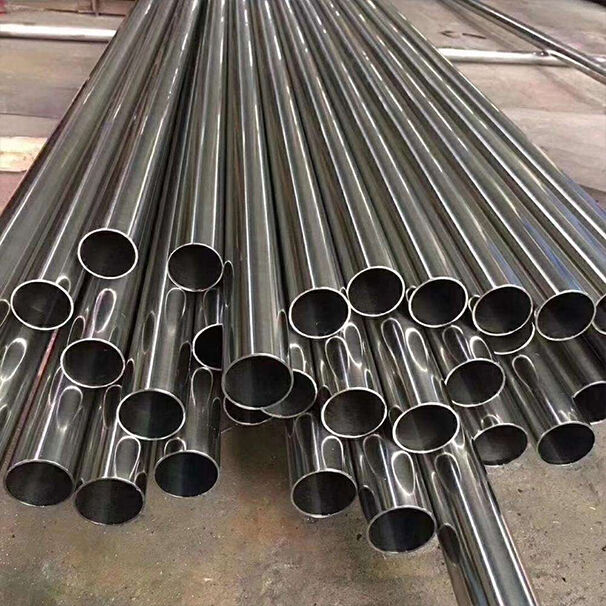
Medical device manufacturing represents one of the most demanding industrial sectors, where precision, biocompatibility, and reliability are paramount. Among the various materials utilized in this critical field, aluminum tubes have emerged as indispensable components that offer exceptional versatility and performance characteristics. These lightweight yet robust tubular structures provide manufacturers with solutions that meet stringent regulatory requirements while delivering the mechanical properties necessary for sophisticated medical applications. The unique combination of corrosion resistance, machinability, and cost-effectiveness has positioned aluminum tubes as a cornerstone material in modern medical device production.
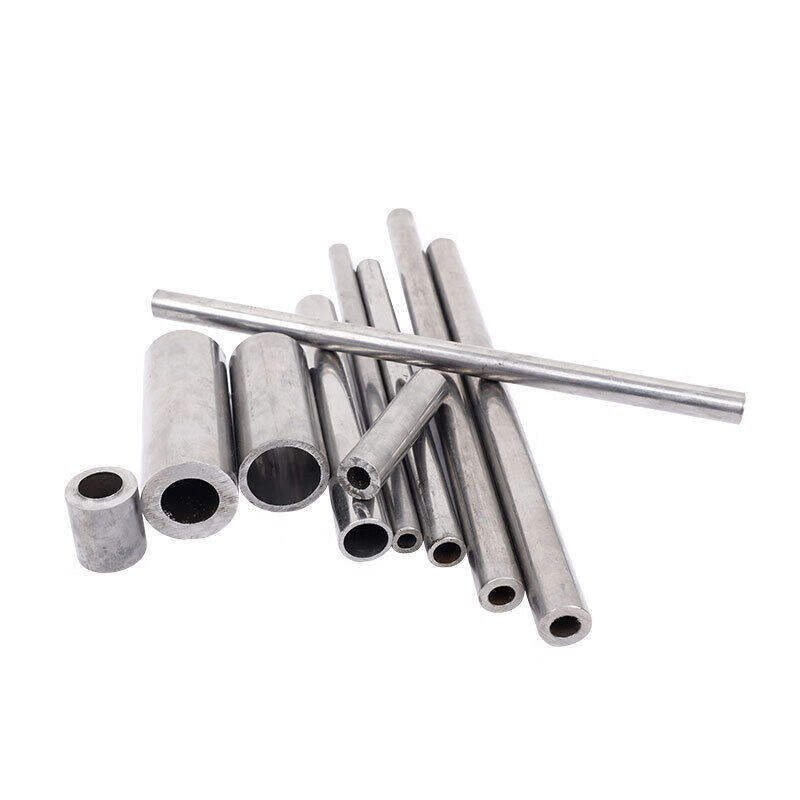
Material Properties That Define Excellence
Biocompatibility and Safety Standards
The biocompatibility of aluminum tubes makes them particularly suitable for medical device applications where direct or indirect contact with human tissue may occur. Medical-grade aluminum alloys undergo rigorous testing to ensure they meet FDA regulations and ISO standards for biological evaluation. These materials demonstrate excellent resistance to bodily fluids and maintain their structural integrity when exposed to sterilization processes such as gamma radiation, ethylene oxide, and steam autoclaving. The non-toxic nature of properly treated aluminum surfaces eliminates concerns about leaching harmful substances into medical environments.
Furthermore, aluminum tubes can be anodized or coated with specialized finishes that enhance their biocompatibility profile. These surface treatments create protective barriers that prevent ionic migration while maintaining the material's inherent strength characteristics. Medical device manufacturers rely on these enhanced aluminum tubes for applications ranging from surgical instruments to implantable device housings, where long-term biocompatibility is essential for patient safety and device longevity.
Mechanical Strength and Durability
The mechanical properties of aluminum tubes provide exceptional strength-to-weight ratios that are crucial in medical device design. These tubes exhibit excellent tensile strength, allowing them to withstand significant loads while maintaining dimensional stability under various operating conditions. The material's inherent flexibility enables manufacturers to create complex geometries through bending, forming, and machining operations without compromising structural integrity. This versatility is particularly valuable in applications such as wheelchair frames, hospital bed components, and portable medical equipment where weight reduction directly impacts usability and patient comfort.
Additionally, aluminum tubes demonstrate remarkable fatigue resistance, making them suitable for medical devices that undergo repetitive stress cycles. Ventilator components, prosthetic frameworks, and rehabilitation equipment benefit from this characteristic, ensuring reliable performance throughout extended service lives. The predictable failure modes of aluminum allow engineers to design safety factors and maintenance schedules that protect both patients and healthcare providers from unexpected equipment failures.
Manufacturing Advantages in Medical Production
Precision Machining Capabilities
The exceptional machinability of aluminum tubes enables medical device manufacturers to achieve tight tolerances and complex geometries required for precision instruments. Advanced CNC machining operations can produce intricate features such as threaded connections, tapered ends, and internal channels with remarkable accuracy. This capability is essential for components like endoscopic tubes, surgical guide systems, and fluid delivery mechanisms where dimensional precision directly affects functionality and patient safety. The consistent material properties of high-quality aluminum tubes ensure repeatable manufacturing results across large production runs.
Modern aluminum alloys specifically designed for medical applications offer enhanced chip formation characteristics that reduce tool wear and improve surface finishes. These properties translate into reduced manufacturing costs and shorter production cycles, allowing medical device companies to respond quickly to market demands while maintaining quality standards. The ability to achieve mirror-like surface finishes on aluminum tubes is particularly valuable for applications requiring minimal surface roughness to prevent bacterial adhesion or ensure smooth fluid flow.
Welding and Assembly Techniques
The weldability of aluminum tubes provides manufacturers with versatile joining options for creating complex medical device assemblies. Advanced welding techniques such as TIG, laser, and friction stir welding enable the creation of hermetic seals and structural joints that meet the demanding requirements of medical applications. These joining methods produce clean, contamination-free welds that maintain the corrosion resistance and biocompatibility of the base material. The ability to weld aluminum tubes to other aluminum components or dissimilar materials expands design possibilities for multi-material medical devices.
Furthermore, mechanical fastening methods such as riveting, threading, and press-fitting complement welding options to provide comprehensive assembly solutions. The compatibility of aluminum tubes with various fastening systems allows manufacturers to design serviceable components that can be disassembled for maintenance or repair. This capability is particularly important for reusable medical devices where component replacement or sterilization requirements necessitate separable assemblies.
Cost-Effectiveness and Supply Chain Benefits
Material Efficiency and Waste Reduction
The cost-effectiveness of aluminum tubes in medical device manufacturing stems from their excellent material utilization rates and minimal waste generation during production. The lightweight nature of aluminum reduces shipping costs and handling expenses throughout the supply chain, while the material's recyclability supports sustainable manufacturing practices. Medical device companies benefit from the stable pricing and abundant availability of aluminum, which helps maintain predictable production costs even during periods of market volatility.
The extended service life of aluminum tubes reduces replacement frequency and maintenance costs for medical equipment. Their resistance to corrosion and wear ensures consistent performance over time, minimizing the total cost of ownership for healthcare facilities. The ability to refurbish and re-anodize aluminum components extends their useful life even further, providing additional cost savings for budget-conscious healthcare organizations.
Regulatory Compliance and Documentation
Medical-grade aluminum tubes come with comprehensive documentation packages that facilitate regulatory approval processes for medical devices. Suppliers provide detailed material certifications, traceability records, and test reports that demonstrate compliance with relevant standards such as ASTM, ISO, and FDA requirements. This documentation support reduces the burden on medical device manufacturers during product development and regulatory submission phases, accelerating time-to-market for new devices.
The established supply chains for medical-grade aluminum tubes ensure consistent quality and availability, reducing risks associated with material shortages or quality variations. Qualified suppliers maintain rigorous quality management systems that provide lot-to-lot consistency and full traceability from raw material to finished product. This reliability is essential for medical device manufacturers who must maintain continuous production schedules while meeting strict quality requirements.
Applications Across Medical Device Categories
Surgical Instruments and Tools
Aluminum tubes serve as fundamental components in numerous surgical instruments where their combination of strength, lightweight properties, and sterilization compatibility provides distinct advantages. Endoscopic systems utilize precision-manufactured aluminum tubes for light guides, working channels, and structural frameworks that must maintain dimensional stability while allowing for repeated sterilization cycles. The excellent thermal conductivity of aluminum enables efficient heat dissipation in electrosurgical applications, protecting sensitive components and ensuring consistent performance during procedures.
Microsurgical instruments benefit from the fine surface finishes achievable on aluminum tubes, which reduce friction and improve tactile feedback for surgeons. The material's resistance to most chemical sterilants ensures that instrument functionality remains unchanged after multiple processing cycles. Custom aluminum tube profiles can be designed to accommodate specific ergonomic requirements or integrate with other instrument components, providing surgeons with tools that enhance precision and reduce fatigue during lengthy procedures.
Diagnostic Equipment Components
The electromagnetic properties of aluminum tubes make them valuable components in diagnostic imaging equipment where shielding and structural support are required simultaneously. MRI systems incorporate aluminum tubes in patient positioning devices and coil assemblies where non-ferromagnetic materials are essential to prevent image artifacts. The excellent dimensional stability of aluminum tubes ensures consistent positioning accuracy, which is critical for obtaining high-quality diagnostic images and enabling precise treatment planning.
Laboratory diagnostic equipment utilizes aluminum tubes in sample handling systems, automated analyzers, and fluid management components. The chemical inertness of properly treated aluminum surfaces prevents contamination of biological samples while providing the structural integrity needed for high-speed automated operations. The ability to create complex internal geometries through machining or forming operations enables the integration of multiple functions within single aluminum tube components, simplifying system design and reducing assembly complexity.
Quality Control and Testing Standards
Material Verification Protocols
Medical device manufacturers implement comprehensive testing protocols to verify the quality and consistency of aluminum tubes used in their products. These protocols include chemical composition analysis, mechanical property testing, and dimensional verification to ensure compliance with specifications and regulatory requirements. Non-destructive testing methods such as ultrasonic inspection and eddy current testing detect internal defects or surface irregularities that could compromise device performance or safety.
Surface quality assessment protocols evaluate the cleanliness, roughness, and integrity of aluminum tube surfaces to ensure they meet the stringent requirements of medical applications. Specialized testing procedures verify the effectiveness of surface treatments and coatings, while accelerated aging tests predict long-term performance under various environmental conditions. These comprehensive testing programs provide confidence in material performance and support regulatory compliance efforts.
Performance Validation Methods
Functional testing of aluminum tubes in medical device applications involves simulating real-world operating conditions to validate performance characteristics. Fatigue testing evaluates the durability of aluminum tubes under repetitive loading conditions, while corrosion testing assesses resistance to bodily fluids and cleaning agents. Biocompatibility testing confirms that aluminum tube materials and surface treatments meet safety requirements for intended applications.
Environmental testing protocols expose aluminum tubes to extreme temperatures, humidity levels, and chemical exposures that may be encountered during device storage, transportation, or use. These tests ensure that material properties remain stable throughout the device lifecycle and that performance degradation remains within acceptable limits. The results of these validation studies support device registration submissions and provide confidence in long-term device reliability.
FAQ
What are the key advantages of using aluminum tubes in medical device manufacturing
Aluminum tubes offer several critical advantages in medical device manufacturing, including excellent biocompatibility, lightweight construction, corrosion resistance, and superior machinability. These properties enable manufacturers to create devices that meet strict regulatory requirements while providing reliable performance and cost-effectiveness. The material's ability to withstand various sterilization methods makes it particularly suitable for reusable medical devices and surgical instruments.
How do aluminum tubes compare to other materials in terms of biocompatibility
Medical-grade aluminum tubes demonstrate excellent biocompatibility when properly treated and finished, often exceeding the performance of many alternative materials. The non-toxic nature of aluminum oxide surfaces, combined with the ability to apply specialized biocompatible coatings, makes aluminum tubes suitable for applications involving direct or indirect patient contact. Rigorous testing protocols ensure compliance with FDA and ISO biocompatibility standards.
What quality standards must aluminum tubes meet for medical applications
Aluminum tubes used in medical devices must comply with various international standards including ISO 13485 for quality management systems, ASTM specifications for material properties, and FDA regulations for biocompatibility. Suppliers must provide comprehensive documentation including material certifications, traceability records, and test reports demonstrating compliance with relevant standards. Regular audits and quality assessments ensure ongoing compliance throughout the supply chain.
Can aluminum tubes be sterilized using standard medical sterilization methods
Yes, aluminum tubes are compatible with all standard medical sterilization methods including steam autoclaving, ethylene oxide gas sterilization, gamma irradiation, and chemical sterilization. The material maintains its mechanical properties and dimensional stability throughout repeated sterilization cycles, making it ideal for reusable medical devices. Proper surface treatments and finishes ensure that sterilization processes do not compromise the biocompatibility or functionality of aluminum tube components.
Table of Contents
- Material Properties That Define Excellence
- Manufacturing Advantages in Medical Production
- Cost-Effectiveness and Supply Chain Benefits
- Applications Across Medical Device Categories
- Quality Control and Testing Standards
-
FAQ
- What are the key advantages of using aluminum tubes in medical device manufacturing
- How do aluminum tubes compare to other materials in terms of biocompatibility
- What quality standards must aluminum tubes meet for medical applications
- Can aluminum tubes be sterilized using standard medical sterilization methods