
 EN
EN



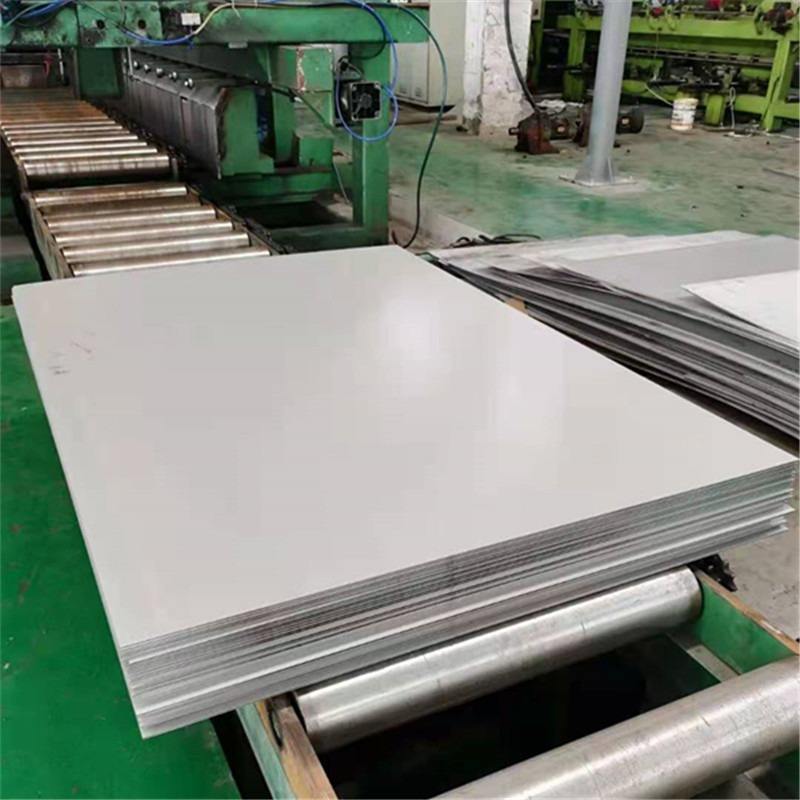
Selecting the right stainless steel sheet for your design project requires understanding multiple technical factors that directly impact performance, durability, and cost-effectiveness. Whether you're designing architectural panels, industrial equipment, or consumer products, the choice of stainless steel sheet can determine whether your project succeeds or fails under real-world conditions. Many engineers and designers underestimate how critical this selection process is, leading to premature corrosion, structural failures, or unnecessary expenses. The right stainless steel sheet balances material properties, environmental resistance, workability, and budget constraints in ways that generic material selection cannot achieve.
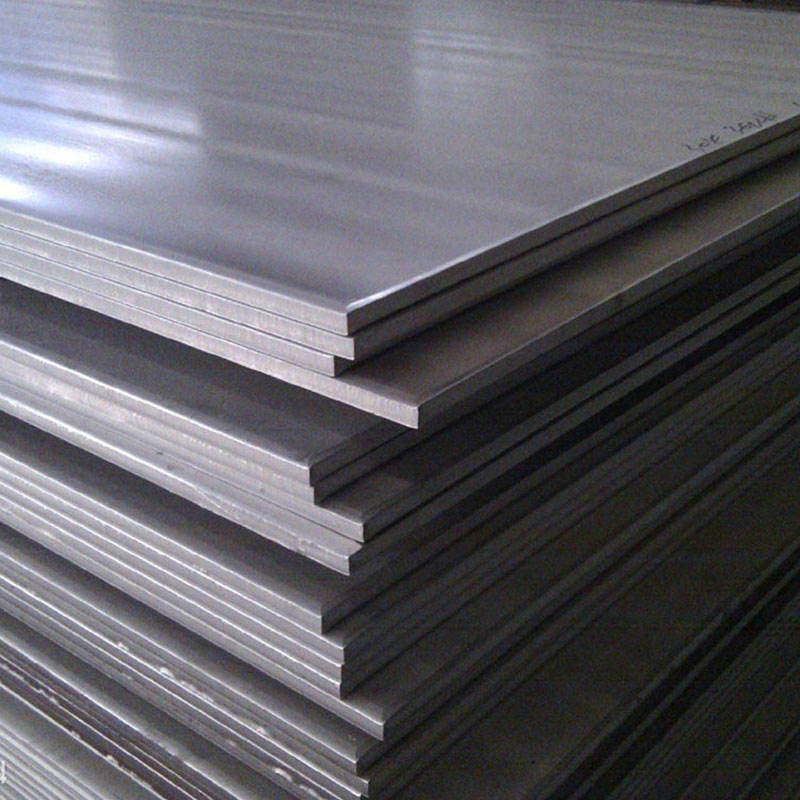
Choosing a stainless steel sheet involves evaluating grade specifications, thickness requirements, surface finishes, and application-specific demands. This decision-making process is not simply about picking the most corrosion-resistant option or the thinnest available material. Instead, you need a systematic approach that weighs mechanical properties, environmental exposure, manufacturing constraints, and long-term maintenance requirements. Understanding how these factors interconnect helps you make informed decisions that deliver reliable performance and optimal value.
Understanding Stainless Steel Sheet Grades and Their Applications
The Role of Alloy Composition in Stainless Steel Sheet Selection
The grade of stainless steel sheet you select determines its fundamental material properties and performance characteristics. Each stainless steel sheet grade contains different combinations of chromium, nickel, molybdenum, and other elements that create distinct corrosion resistance profiles and mechanical strengths. For instance, 304 stainless steel sheet is the most widely used grade, offering excellent corrosion resistance in most environments at a reasonable cost. When you need superior performance in harsh chemical or saltwater environments, 316 stainless steel sheet becomes the better choice due to its molybdenum content, which enhances resistance to chloride attack.
Matching Stainless Steel Sheet Grade to Environmental Exposure
Your application environment is perhaps the most critical factor when choosing a stainless steel sheet for your project. Coastal applications, chemical processing, and food manufacturing all demand different stainless steel sheet specifications. In marine environments, 316L stainless steel sheet or duplex grades provide superior performance compared to standard 304 stainless steel sheet due to their enhanced pitting resistance. When selecting a stainless steel sheet for architectural purposes in urban areas, 304 often suffices, but understanding the local air quality and pollution levels helps you make the right decision. Industrial environments with acidic or alkaline exposure require evaluation of 310 stainless steel sheet or even superalloys depending on process temperatures.
Thickness, Surface Finish, and Workability Considerations
Determining the Correct Stainless Steel Sheet Thickness
Thickness selection for your stainless steel sheet is not arbitrary; it must accommodate structural loads, manufacturing tolerances, and aesthetic requirements. Thinner stainless steel sheet reduces material costs and weight but may compromise rigidity or puncture resistance. Thicker stainless steel sheet provides greater strength and durability but increases expense and complicates fabrication processes. Your design must balance these competing demands by calculating actual stress loads and factoring in safety margins appropriate to the application. For decorative panels, 0.8 to 1.5 mm stainless steel sheet typically works well, while structural components often require 2 to 4 mm depending on span and load. Consulting material specifications and performing finite element analysis helps ensure your chosen stainless steel sheet thickness performs adequately throughout the design life.
Surface Finish Options and Their Impact on Stainless Steel Sheet Performance
The surface finish of your stainless steel sheet affects both appearance and functional performance. Polished stainless steel sheet offers a bright, reflective finish ideal for architectural and aesthetic applications, though it requires careful handling to maintain appearance. Brushed stainless steel sheet provides a more practical finish for high-traffic areas, concealing fingerprints and minor scratches while maintaining professional appearance. Electro-polished stainless steel sheet delivers superior corrosion resistance by removing surface contaminants and creating a passive oxide layer. Your selection of stainless steel sheet finish must consider maintenance requirements, durability expectations, and the visual aesthetic appropriate to your project. Mill finish stainless steel sheet represents the most economical option for applications where appearance is secondary to functionality.
Chemical Resistance, Cost Optimization, and Long-Term Performance Planning
Evaluating Chemical Resistance and Corrosion Prevention in Stainless Steel Sheet
Chemical exposure determines whether your chosen stainless steel sheet will maintain integrity or suffer degradation over time. Standard 304 stainless steel sheet resists general corrosion but shows vulnerability to chloride pitting in seawater or de-icing salt environments. When specifying stainless steel sheet for chemical plants, pharmaceutical facilities, or food processing equipment, you must verify compatibility with specific chemicals through reference data and testing. Molybdenum-bearing grades like 316 stainless steel sheet extend chemical resistance significantly, particularly in acidic or saline conditions. Your stainless steel sheet specification should include a chemical compatibility review that accounts for contact duration, temperature, and concentration of exposure agents. This prevents costly failures and ensures your investment in quality material actually delivers the protection you expect.
Balancing Cost-Effectiveness with Performance Requirements
Cost optimization in stainless steel sheet selection requires balancing material expense against long-term total cost of ownership. Choosing inferior stainless steel sheet to save initial costs may result in premature corrosion, higher maintenance expenses, and eventual replacement costs that far exceed the initial savings. Conversely, specifying premium stainless steel sheet unnecessarily in low-stress, benign environments wastes investment without delivering additional practical benefit. Your procurement strategy should conduct a lifecycle cost analysis that includes material, fabrication, installation, maintenance, and eventual replacement or recycling. When you work with experienced material suppliers, they can recommend the optimal stainless steel sheet grade and thickness that delivers required performance without unnecessary premium. Understanding the price-to-performance ratio enables you to make decisions that satisfy both engineering requirements and budget constraints effectively.
Fabrication Capabilities and Design Integration for Stainless Steel Sheet
Assessing Fabrication Requirements and Equipment Compatibility
The stainless steel sheet you select must be compatible with your fabrication processes and the capabilities of your manufacturing partners. Some stainless steel sheet grades machine and weld more easily than others, affecting production time and cost. Austenitic stainless steel sheet like 304 offers excellent workability, while duplex and martensitic stainless steel sheet present more challenging fabrication characteristics. Before finalizing your stainless steel sheet specification, consult with your fabricator about their equipment, welding procedures, and experience with specific grades. Martensitic stainless steel sheet requires post-weld heat treatment that austenitic stainless steel sheet typically avoids. These practical considerations influence not only manufacturing feasibility but also the final quality and appearance of your finished product. Choosing a stainless steel sheet that matches your manufacturer's capabilities ensures smooth production and consistent results.
Design Optimization with Stainless Steel Sheet Properties
Successful stainless steel sheet integration in your design reflects thoughtful consideration of how material properties enable your intended function. The strength-to-weight ratio of stainless steel sheet allows designers to create products that are durable yet lightweight when specified appropriately. Temperature stability of your chosen stainless steel sheet becomes critical in applications subject to thermal cycling or high-temperature exposure. Aesthetic properties like reflectivity, color retention, and surface quality should align with your design vision and brand expectations. When you understand these interconnected properties, you can specify stainless steel sheet that performs structurally while contributing positively to your product's identity and user experience. This integrated approach transforms material selection from a mere procurement task into a strategic design decision that enhances overall project success.
FAQ
What is the difference between 304 and 316 stainless steel sheet?
The primary difference lies in molybdenum content; 316 stainless steel sheet contains 2 to 3 percent molybdenum while 304 stainless steel sheet does not. This addition significantly improves chloride corrosion resistance, making 316 stainless steel sheet superior in marine and chemical environments. Both grades offer excellent general corrosion resistance, but 316 stainless steel sheet commands a higher price reflecting its enhanced performance. For most inland, non-corrosive applications, 304 stainless steel sheet provides adequate performance at lower cost.
How do I determine the correct thickness for my stainless steel sheet application?
Thickness selection depends on structural loads, environmental stresses, and fabrication requirements specific to your design. Calculate expected stress loads using engineering formulas or finite element analysis, then select stainless steel sheet thickness that maintains safety factors appropriate to your application criticality. Consult with your fabricator about their equipment limitations and recommendations for your specific design. Thinner stainless steel sheet reduces cost and weight but may require additional structural support or reinforcement. Balancing these factors ensures your stainless steel sheet selection optimizes both performance and economy.
What surface finish of stainless steel sheet should I choose for outdoor applications?
Brushed or electro-polished finishes of stainless steel sheet typically perform better outdoors than polished finishes because they conceal weathering and fingerprints more effectively. Electro-polished stainless steel sheet provides superior corrosion resistance by removing surface contaminants and impurities. Brushed stainless steel sheet offers practical durability with attractive appearance that improves over time as patina develops. For harsh coastal environments, combine a high-grade stainless steel sheet like 316 with electro-polished or brushed finish to maximize durability and maintain aesthetic appeal throughout the product lifecycle.