
 EN
EN



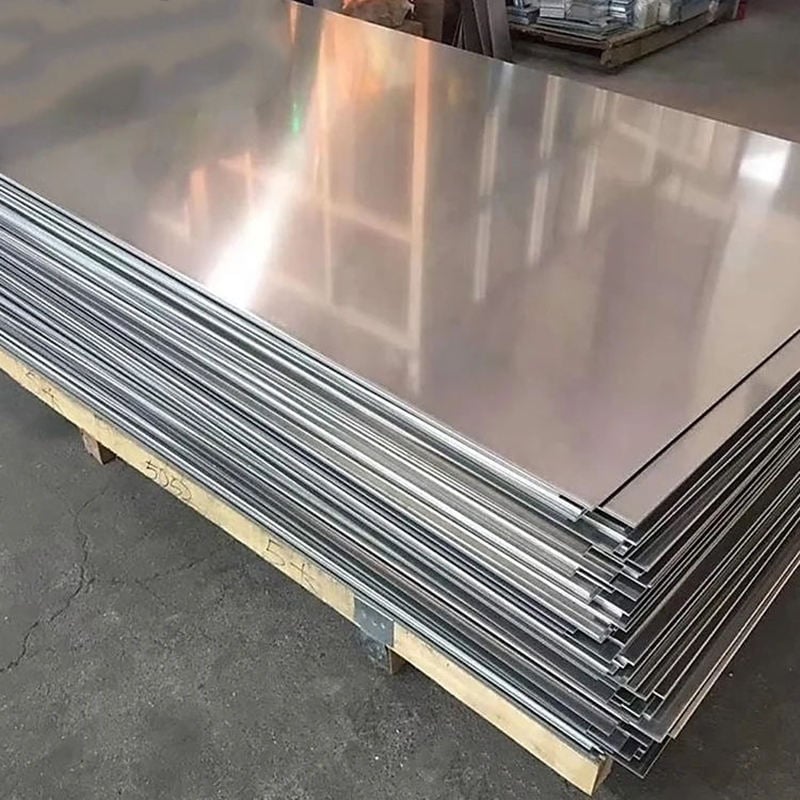
Stainless steel sheets represent a critical material choice for industries operating under extreme conditions and demanding performance requirements. When engineers and procurement specialists evaluate materials for high-impact applications, stainless steel sheets consistently emerge as the preferred solution due to their exceptional combination of strength, durability, and reliability. The question is not whether stainless steel sheets belong in harsh environments, but rather understanding the specific properties that make them indispensable across diverse industrial sectors.
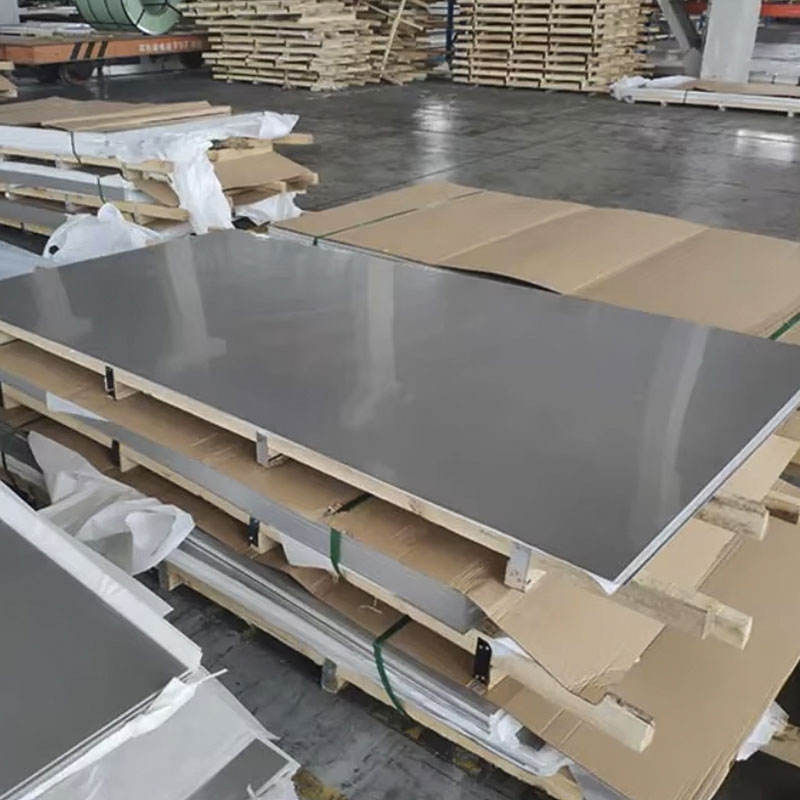
High-impact applications demand materials that can withstand mechanical stress, temperature fluctuations, chemical exposure, and corrosive environments without degrading. Stainless steel sheets meet these demands through their inherent metallurgical properties and versatile composition. Whether fabricating pressure vessels, chemical processing equipment, marine structures, or industrial machinery components, stainless steel sheets provide the performance assurance that reduces maintenance costs and extends operational lifespan.
Superior Corrosion Resistance in Stainless Steel Sheets
Chromium Content and Passive Layer Formation
The fundamental advantage of stainless steel sheets lies in their chromium content, typically ranging from twelve percent to thirty percent depending on the specific grade. This chromium reacts with oxygen to form a protective passive oxide layer on the surface of stainless steel sheets. This passive layer spontaneously reforms when damaged, providing self-healing corrosion protection that standard carbon steel cannot replicate. In marine environments, chemical plants, and food processing facilities, stainless steel sheets maintain structural integrity where ordinary steel would rapidly corrode and fail.
Performance in Aggressive Chemical Environments
Stainless steel sheets demonstrate exceptional resistance to acids, alkalis, and salt exposure that would compromise lesser materials. The molybdenum additions in duplex and super-duplex stainless steel sheets enhance pitting resistance in chloride-rich environments such as offshore platforms and desalination plants. Industrial applications involving sulfuric acid, hydrochloric acid, or saltwater immersion routinely specify stainless steel sheets because their corrosion rate remains negligible even after years of continuous exposure. This chemical resilience directly translates to reduced replacement cycles and lower total cost of ownership for equipment manufacturers.
Mechanical Strength and Impact Resistance
Tensile Strength and Yield Characteristics
Stainless steel sheets deliver tensile strength values ranging from 515 megapascals for austenitic grades to 1,380 megapascals for precipitation-hardened variants. This strength range enables engineers to select appropriate stainless steel sheets that match specific load requirements without overspecifying material and incurring unnecessary cost. The yield strength of quality stainless steel sheets remains stable across temperature variations, ensuring predictable performance in thermal cycling scenarios common to industrial processing equipment.
Ductility and Impact Toughness
Unlike brittle materials that fracture suddenly under impact, stainless steel sheets exhibit substantial ductility and energy absorption capacity. Austenitic stainless steel sheets maintain toughness even at cryogenic temperatures, making them suitable for liquefied natural gas facilities and low-temperature processing environments. This combination of strength and ductility in stainless steel sheets means structures can absorb accidental impacts, vibration, and cyclic loading without catastrophic failure, providing a critical safety margin in high-consequence applications.
Thermal Stability and Temperature Performance
High-Temperature Creep Resistance
Stainless steel sheets retain mechanical properties at elevated temperatures where conventional materials lose strength and creep under sustained load. Austenitic stainless steel sheets can safely operate at temperatures exceeding 550 degrees Celsius, while ferritic variants maintain utility up to 680 degrees Celsius. Industrial furnaces, heat exchangers, and combustion equipment routinely specify stainless steel sheets because the material resists scale formation, oxidation, and structural degradation during prolonged high-temperature exposure.
Thermal Cycling and Thermal Shock Resistance
The low thermal expansion coefficient of ferritic stainless steel sheets minimizes distortion and stress concentration during repeated heating and cooling cycles. Duplex stainless steel sheets offer superior thermal conductivity compared to austenitic variants, reducing thermal gradients and associated internal stresses. Applications involving thermal cycling, such as boiler tubes, heat exchanger components, and thermowell installations, benefit significantly from the thermal stability that properly specified stainless steel sheets provide. The ability to withstand rapid temperature changes without warping or cracking makes stainless steel sheets essential for equipment operating under transient thermal conditions.
Fabrication Advantages and Long-Term Value
Weldability and Join Integrity
Stainless steel sheets can be welded using conventional techniques including TIG, MIG, and submerged arc welding, enabling fabrication flexibility that reduces manufacturing cost. Stainless steel sheets from reputable manufacturers meet strict weldability standards that ensure joint strength equals or exceeds base material properties. The austenitic grades exhibit excellent crack resistance during welding, while duplex and super-duplex stainless steel sheets require controlled heat input to prevent embrittlement. This combination of weldability and joint reliability in stainless steel sheets simplifies construction and reduces field fabrication risk.
Maintenance and Lifecycle Economics
Equipment fabricated from stainless steel sheets requires minimal maintenance compared to painted or coated carbon steel alternatives. The passive layer self-restoration mechanism eliminates the need for frequent repainting or protective coating reapplication. Cleaning stainless steel sheets involves simple acid passivation rather than expensive surface restoration procedures. Over a twenty-year equipment lifecycle, stainless steel sheets consistently deliver superior return on investment through reduced downtime, lower maintenance labor costs, and extended service intervals.
FAQ
What grades of stainless steel sheets work best for high-impact applications?
Austenitic grades like 304L and 316L suit general high-impact work with good ductility, while duplex and super-duplex grades offer superior strength for extreme environments. Selection depends on specific chemical exposure, temperature range, and mechanical loading conditions. Consult material specifications and stress analysis results to determine whether standard stainless steel sheets or premium grades justify the investment for your particular application.
How does stainless steel sheets compare to other engineered materials?
Stainless steel sheets provide superior corrosion resistance compared to aluminum alloys and coated carbon steel, though they cost more upfront. The total cost of ownership favors stainless steel sheets in corrosive environments because maintenance and replacement costs accumulate rapidly with inferior materials. Composite materials and titanium alloys may outperform stainless steel sheets in specialized aerospace applications, but industrial high-impact work typically finds stainless steel sheets offer the optimal balance of performance, fabricability, and economics.
Can stainless steel sheets accommodate custom thickness and size requirements?
Yes, stainless steel sheets are available in virtually any thickness from 0.3 millimeters up to several centimeters, and fabricators can cut them to required dimensions. Standard sheet sizes typically range up to 1,500 by 3,000 millimeters, with larger custom formats available from specialized suppliers. Lead times for custom stainless steel sheets depend on thickness, grade, and order volume, but modern manufacturing enables rapid turnaround for most industrial applications.