
 EN
EN


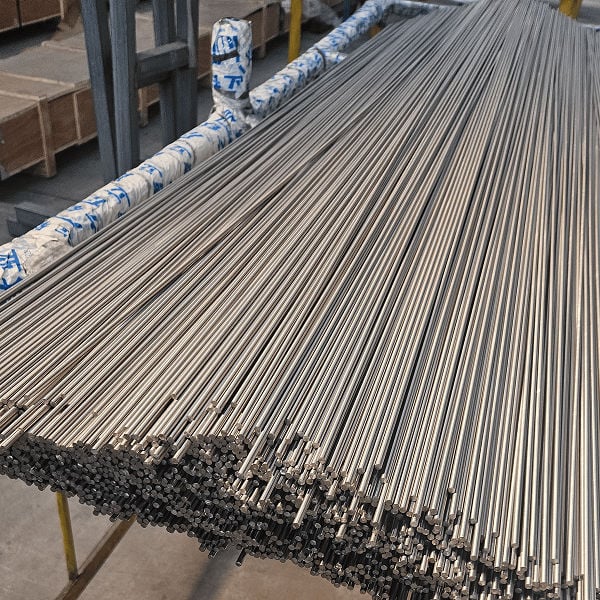
Stainless steel rods are engineered to resist corrosion and withstand demanding industrial conditions, but their longevity depends heavily on proper care and attention. Without adequate maintenance protocols, even premium-grade stainless steel rods can develop surface degradation, reduced strength, and potential structural failures. Organizations that prioritize systematic maintenance practices for their stainless steel rods experience extended service life, lower replacement costs, and improved operational reliability across manufacturing, construction, and engineering applications.
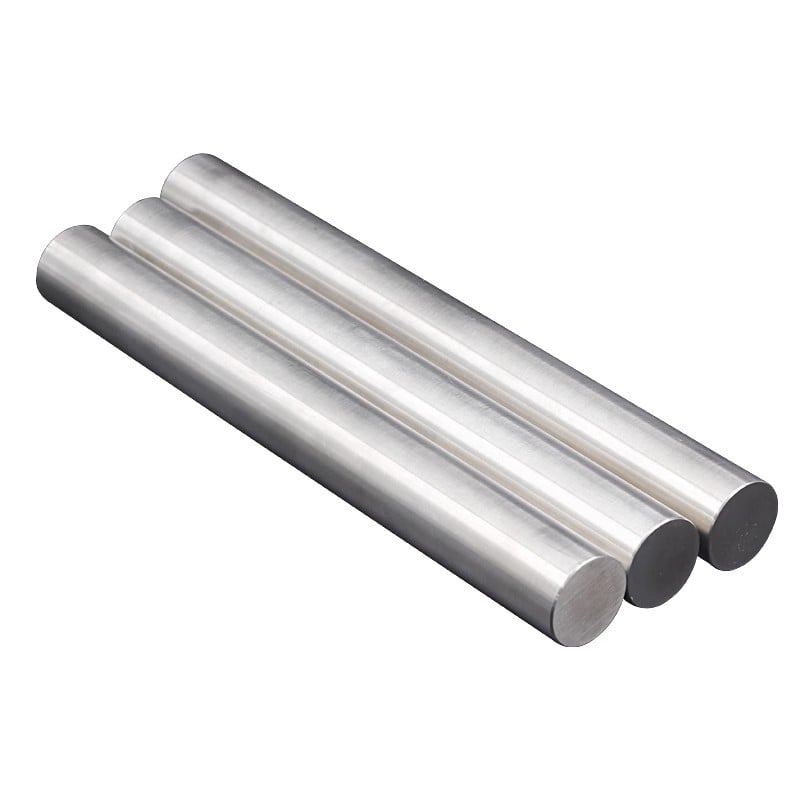
Understanding how to maintain stainless steel rods involves more than occasional cleaning. A comprehensive maintenance strategy encompasses routine inspections, appropriate storage conditions, protective measures against contamination, and proactive interventions to address emerging concerns. Industrial facilities that adopt structured approaches to maintain stainless steel rods significantly reduce unplanned downtime and optimize asset performance throughout their operational lifespan.
Foundational Cleaning Practices for Stainless Steel Rod Maintenance
Regular Surface Cleaning Protocols
To maintain stainless steel rods effectively, establish a consistent cleaning schedule tailored to your operational environment. Surface contamination from dust, salt spray, industrial residue, or fingerprints can initiate localized corrosion if left unaddressed. Use soft microfiber cloths or non-abrasive brushes with mild detergent solutions to clean the rod surface, always working along the grain direction to preserve the protective oxide layer. Rinse thoroughly with distilled water and dry completely with a lint-free cloth to prevent water spotting. When you maintain stainless steel rods through regular cleaning, you eliminate corrosive agents before they can cause permanent damage.
Chemical Cleaning for Stubborn Contamination
Challenging deposits or embedded contaminants require more aggressive cleaning approaches when you maintain stainless steel rods in harsh environments. Mild acidic solutions like citric acid or specialized stainless steel cleaners can dissolve stubborn residues without compromising the material's integrity. Always test cleaning agents on inconspicuous areas first, and never use chlorine-based cleaners on stainless steel, as chlorides accelerate pitting corrosion. After chemical treatment, neutralize any residual solution with distilled water and immediately dry the rods. Proper execution of these protocols ensures you maintain stainless steel rods at peak condition and prevent costly material failure.
Optimal Storage and Environmental Control
Climate-Controlled Storage Solutions
Environmental factors profoundly influence your ability to maintain stainless steel rods over extended periods. Store rods in climate-controlled facilities that maintain stable humidity levels below 50 percent, as elevated moisture accelerates surface oxidation and corrosion initiation. Ensure proper ventilation to prevent salt spray, industrial gases, or acidic vapors from accumulating around stored inventory. Maintain stainless steel rods by keeping them separated from reactive materials such as carbon steel, copper alloys, or harsh chemicals that can transfer contaminants or cause galvanic corrosion. Temperature fluctuations should be minimized, as thermal cycling can stress the material and create microcracks in the crystalline structure.
Protective Covering and Isolation Techniques
Physical protection layers enhance your efforts to maintain stainless steel rods during storage and transportation. Wrap rods in acid-free paper or plastic sheeting to shield them from atmospheric moisture and airborne particles. Never use standard cardboard or materials containing sulfur compounds, as these can chemically react with the stainless steel surface. Elevate rods on wooden racks or plastic supports to prevent direct contact with concrete floors, which can wick moisture and introduce mineral-based contaminants. When you maintain stainless steel rods through these isolation methods, you create a protective barrier that significantly extends their service life and preserves their mechanical properties.
Inspection, Monitoring, and Preventive Interventions
Systematic Inspection Protocols
Regular inspections form the backbone of any effective maintenance program designed to maintain stainless steel rods. Establish quarterly or semi-annual inspection schedules depending on your operational intensity and environmental severity. Use visual examination to identify surface discoloration, pitting marks, white rust deposits, or stress cracking patterns that indicate emerging problems. Document findings in a maintenance log to track trends and identify areas requiring immediate intervention. When you maintain stainless steel rods through systematic monitoring, you catch degradation in early stages before it compromises structural integrity or creates safety hazards.
Corrosion Prevention and Passivation Treatments
Advanced maintenance strategies to maintain stainless steel rods include periodic passivation treatments that restore and strengthen the protective oxide layer. Passivation involves chemical immersion in nitric acid or citric acid solutions that remove iron particles and contamination, then rebuild the chromium oxide barrier that prevents corrosion. Implement passivation every 12 to 24 months depending on environmental exposure levels and operational demands. Additionally, apply clear protective coatings or wax layers to shield rods from atmospheric moisture and salt spray when deployed in coastal or corrosive environments. These preventive measures ensure you maintain stainless steel rods in optimal condition and maximize their resistance to degradation across demanding applications.
FAQ
How often should I maintain stainless steel rods to ensure optimal performance?
Inspection frequency depends on your operational environment and exposure levels. Benign indoor settings may require quarterly maintenance, while coastal or chemically aggressive environments demand monthly inspections and cleaning. When you maintain stainless steel rods on a schedule matched to environmental severity, you prevent unexpected failures and extend service life significantly. Consulting your material supplier or engineering team helps establish a maintenance calendar aligned with your specific application requirements.
Can I use standard cleaning products when I maintain stainless steel rods?
Standard cleaning products often contain chlorides or abrasive compounds that damage stainless steel surfaces. Always use cleaners specifically formulated for stainless steel or mild soap solutions with distilled water. When you maintain stainless steel rods with appropriate cleaners, you avoid introducing contaminants that accelerate corrosion and pitting. Never use steel wool, scouring pads, or chlorine-based disinfectants, as these create permanent surface damage and initiate localized failure.
What are early warning signs that my stainless steel rods need maintenance?
Warning indicators include surface discoloration, white or red rust deposits, tiny pit marks, or dull appearance rather than the typical bright luster. Unusual staining patterns or areas showing distinct color changes suggest environmental contamination that requires immediate attention. When you maintain stainless steel rods responsively to these signs, you prevent minor surface issues from developing into structural compromises that threaten equipment safety and performance reliability.