
 EN
EN



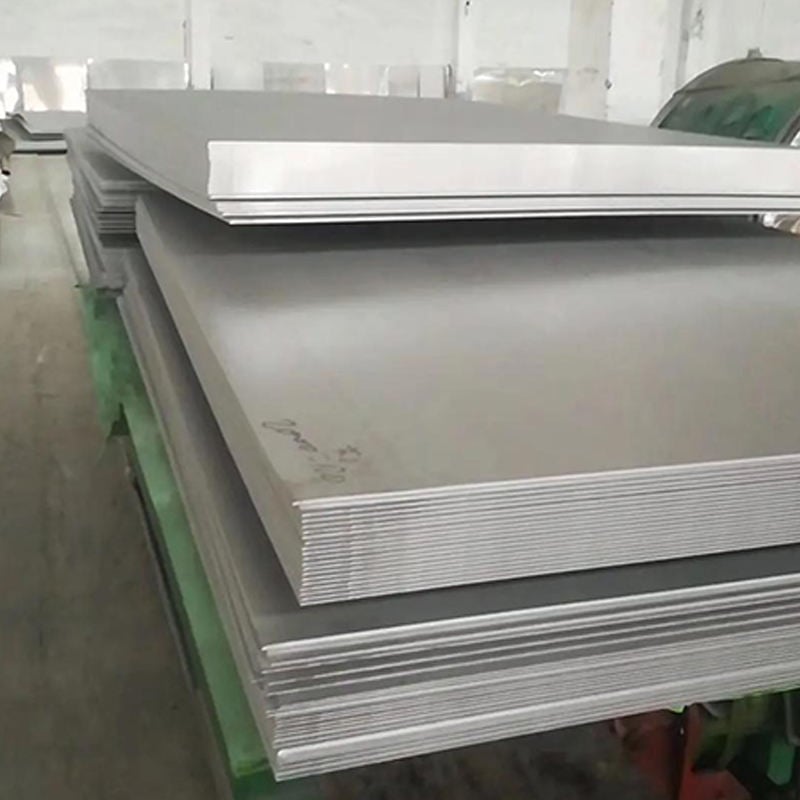
The automotive industry depends on materials that can withstand extreme conditions, resist corrosion, and maintain structural integrity over decades of operation. Stainless steel sheets automotive applications have become indispensable across vehicle manufacturing, from exhaust systems to structural components. Understanding why stainless steel sheets automotive solutions matter helps manufacturers make informed material selection decisions that directly impact vehicle performance, longevity, and cost efficiency throughout the product lifecycle.
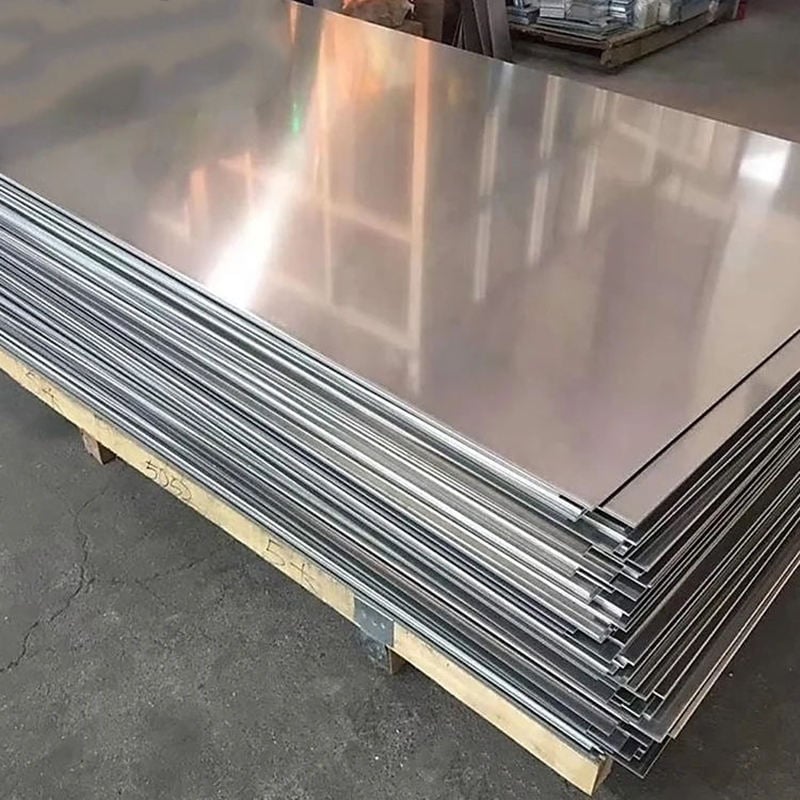
Stainless steel sheets automotive manufacturers employ these materials because they offer a unique combination of strength, corrosion resistance, and thermal stability that conventional carbon steel cannot match. The automotive sector faces mounting pressure to produce vehicles that resist rust, maintain appearance under challenging weather conditions, and perform reliably in high-temperature environments such as engine compartments and exhaust systems. Stainless steel sheets automotive specifications ensure compliance with both regulatory standards and customer expectations for vehicle durability and safety.
Corrosion Resistance and Longevity
Why Corrosion Resistance Drives Material Selection
Corrosion represents one of the most significant threats to vehicle longevity, particularly in regions with high humidity, salt exposure, or aggressive road salt applications. Stainless steel sheets automotive components resist rust formation far more effectively than traditional carbon steel because chromium in the alloy creates a self-healing passive oxide layer. This protective layer naturally repairs itself when exposed, meaning stainless steel sheets automotive parts maintain their integrity even after minor scratches or damage during fabrication and assembly processes. The result is vehicles that remain structurally sound and aesthetically preserved throughout extended service intervals, reducing warranty claims and enhancing brand reputation.
Cost-Benefit Analysis of Corrosion Prevention
While stainless steel sheets automotive materials carry higher initial material costs compared to carbon steel alternatives, the total cost of ownership favors stainless solutions when accounting for rust remediation, warranty expenses, and recall mitigation. Vehicles manufactured with stainless steel sheets automotive components experience fewer rust-related failures in critical areas such as chassis, fasteners, and exhaust systems. This translates to reduced customer service burdens, lower replacement part costs, and improved customer satisfaction metrics that drive repeat purchases and brand loyalty in competitive automotive markets.
Thermal Stability and Performance Capabilities
Heat Resistance in Exhaust and Engine Systems
Exhaust systems represent a primary application area where stainless steel sheets automotive specifications become essential rather than optional. Engine exhaust temperatures routinely exceed 500 degrees Celsius, causing ordinary carbon steel to lose structural integrity, develop thermal cracks, and undergo rapid oxidation. Stainless steel sheets automotive alloys, particularly austenitic grades, maintain their strength and flexibility across this temperature range without becoming brittle or susceptible to thermal fatigue. Modern emission control regulations require precise geometry and sealing in mufflers, catalytic converters, and exhaust manifolds, which stainless steel sheets automotive materials reliably deliver without warping or degradation during normal vehicle operation.
Vibration and Mechanical Durability
Automotive environments subject materials to constant vibration, thermal cycling, and mechanical stress that cause premature failure in inferior materials. Stainless steel sheets automotive components demonstrate superior fatigue resistance, meaning they withstand millions of stress cycles without developing cracks or losing structural properties. This durability is particularly critical in suspension components, engine mounts, and structural reinforcements where failure could compromise vehicle safety. The combination of high tensile strength and excellent ductility in stainless steel sheets automotive alloys ensures components absorb impact and vibration without brittle fracture, extending service life and reducing warranty-related failures that damage manufacturer reputation.
Manufacturing Efficiency and Quality Control
Formability and Production Advantages
Stainless steel sheets automotive manufacturers value these materials not only for end-use performance but also for their formability during fabrication processes. Modern austenitic stainless steel sheets automotive grades can be stamped, welded, and shaped into complex geometries required by contemporary vehicle designs without cracking or surface defects. This formability reduces scrap rates and tool wear compared to higher-strength carbon steel alternatives, improving production yield and reducing manufacturing cost per component. Quality control becomes more predictable with stainless steel sheets automotive applications because material consistency and lack of surface contamination reduce finishing and coating requirements, accelerating time-to-market for new vehicle platforms.
Surface Quality and Aesthetic Requirements
Consumer expectations increasingly demand vehicles that maintain their exterior appearance and resist visible corrosion throughout the ownership period. Stainless steel sheets automotive components naturally resist staining and discoloration, eliminating the need for expensive coatings and protective finishes in exposed areas. Trim pieces, badges, fasteners, and decorative elements manufactured from stainless steel sheets automotive alloys maintain their lustrous appearance without rusting, oxidizing, or requiring frequent polishing by vehicle owners. This aesthetic stability directly supports premium vehicle positioning and justifies higher price points, enabling automotive manufacturers to achieve better profit margins while improving customer satisfaction metrics related to vehicle appearance quality.
Regulatory Compliance and Environmental Considerations
Meeting Emission and Safety Standards
Automotive regulatory bodies worldwide impose strict standards governing emissions, fuel efficiency, and material safety that drive material specifications in vehicle manufacturing. Stainless steel sheets automotive components facilitate compliance with these regulations by delivering the dimensional stability and thermal control necessary for proper emissions equipment function. Catalytic converters, diesel particulate filters, and selective catalytic reduction systems all depend on stainless steel sheets automotive materials to maintain precise engineering tolerances that enable chemical reactions central to emissions reduction. Non-compliance with these standards results in failed certifications, delayed market access, and significant financial penalties, making stainless steel sheets automotive specifications legally necessary rather than purely discretionary material choices.
Recyclability and Circular Economy Value
End-of-life vehicle recycling programs generate significant value when components are manufactured from materials like stainless steel sheets automotive alloys that retain scrap value and require minimal preparation before remelting. Unlike coated carbon steel components that demand expensive stripping processes before recycling, stainless steel sheets automotive parts enter recycling streams directly, supporting sustainable manufacturing practices and reducing environmental impact. Progressive automotive manufacturers increasingly view stainless steel sheets automotive specifications as investments in circular economy principles, improving corporate sustainability metrics and meeting investor expectations for environmental responsibility. This recycling value proposition strengthens long-term material economics, particularly as raw material costs and environmental regulations continue intensifying across global automotive markets.
FAQ
What makes stainless steel sheets automotive materials superior to carbon steel in automotive applications?
Stainless steel sheets automotive alloys offer superior corrosion resistance, thermal stability at high temperatures, and durability under vibration and mechanical stress compared to carbon steel. While carbon steel requires protective coatings to resist rust, stainless steel sheets automotive materials develop a self-healing passive oxide layer that automatically repairs microscopic damage, ensuring long-term reliability in harsh automotive environments.
Are stainless steel sheets automotive components cost-effective for volume vehicle manufacturing?
Although stainless steel sheets automotive materials have higher initial material costs than carbon steel, the total cost of ownership is frequently lower when accounting for reduced warranty claims, fewer rust-related recalls, minimal maintenance requirements, and superior scrap value at end-of-life. Stainless steel sheets automotive specifications reduce manufacturing complexity by eliminating coating processes and extend vehicle service life, ultimately delivering better financial returns across the entire vehicle lifecycle.
Which automotive vehicle components most commonly use stainless steel sheets automotive materials?
Stainless steel sheets automotive applications are most prevalent in exhaust systems, mufflers, catalytic converters, trim pieces, fasteners, and structural reinforcements where corrosion resistance and thermal durability are critical. Stainless steel sheets automotive components also appear in fuel injection systems, cooling lines, and suspension elements where reliability and long-term performance directly impact vehicle safety and customer satisfaction ratings.
Table of Contents
- Corrosion Resistance and Longevity
- Thermal Stability and Performance Capabilities
- Manufacturing Efficiency and Quality Control
- Regulatory Compliance and Environmental Considerations
-
FAQ
- What makes stainless steel sheets automotive materials superior to carbon steel in automotive applications?
- Are stainless steel sheets automotive components cost-effective for volume vehicle manufacturing?
- Which automotive vehicle components most commonly use stainless steel sheets automotive materials?