
 EN
EN



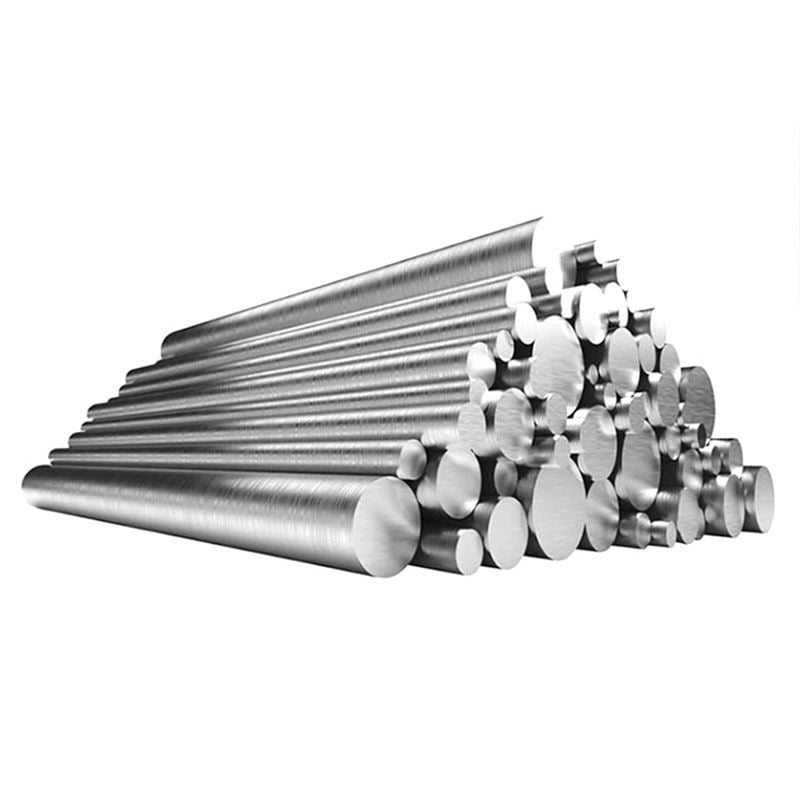
Stainless steel rods have become indispensable in modern manufacturing across virtually every industrial sector. Their combination of strength, corrosion resistance, and versatility makes them the preferred choice for engineers and manufacturers seeking reliable, long-lasting solutions. Understanding where and how stainless steel rods deliver the greatest value is essential for making informed sourcing decisions that balance performance requirements with cost efficiency and operational reliability.
The unique properties of stainless steel rods—including superior corrosion resistance, high tensile strength, and exceptional temperature tolerance—enable manufacturers to deploy them in demanding environments where standard carbon steel would fail or require frequent replacement. This article explores the primary industrial applications where stainless steel rods excel, providing practical insights to help you select the right grade and specification for your manufacturing needs.
Chemical and Petrochemical Processing
Handling Corrosive Environments
The chemical and petrochemical industries represent one of the largest application sectors for stainless steel rods. Processing facilities routinely expose equipment to aggressive acids, bases, chlorides, and other corrosive substances that would rapidly degrade standard metals. Stainless steel rods, particularly grades like 316 and 316L, provide the necessary corrosion resistance to withstand these harsh chemical environments without compromising structural integrity. Manufacturers use stainless steel rods in pump shafts, valve stems, fastener components, and structural supports throughout chemical plants, where equipment failure can cause dangerous leaks, production shutdowns, or environmental contamination.
Temperature and Pressure Stability
Chemical processing often involves elevated temperatures and pressures that would weaken or oxidize ordinary materials. Stainless steel rods maintain their mechanical properties across wide temperature ranges, making them ideal for heat exchangers, reactor components, and pressure vessel internals. This thermal stability ensures that stainless steel rods retain full strength and corrosion resistance even in extreme processing conditions, reducing the need for costly material upgrades or equipment replacement cycles.
Food and Beverage Manufacturing
Sanitation and Food Safety Compliance
Food and beverage manufacturers must adhere to strict sanitation standards and use materials that will not contaminate products or harbor bacteria. Stainless steel rods meet these demands perfectly because they are non-reactive, non-porous, and can be easily cleaned and sterilized. Grade 304 stainless steel rods are widely used in conveyor systems, mixer shafts, filling machine components, and processing equipment throughout food production facilities. The smooth surface finish of stainless steel rods prevents bacterial colonization and allows for rapid cleaning between production runs, directly supporting food safety compliance and brand reputation protection.
Extended Service Life in Wet Environments
Food processing environments are inherently wet and often involve regular washing with water and cleaning solutions. Standard steel would rust quickly under these conditions, but stainless steel rods resist corrosion from moisture and cleaning chemicals, delivering decades of reliable service. This durability reduces unplanned maintenance, equipment downtime, and replacement costs—critical factors in food manufacturing where production interruptions directly impact profitability and customer commitments.
Medical Device and Pharmaceutical Manufacturing
Precision and Biocompatibility
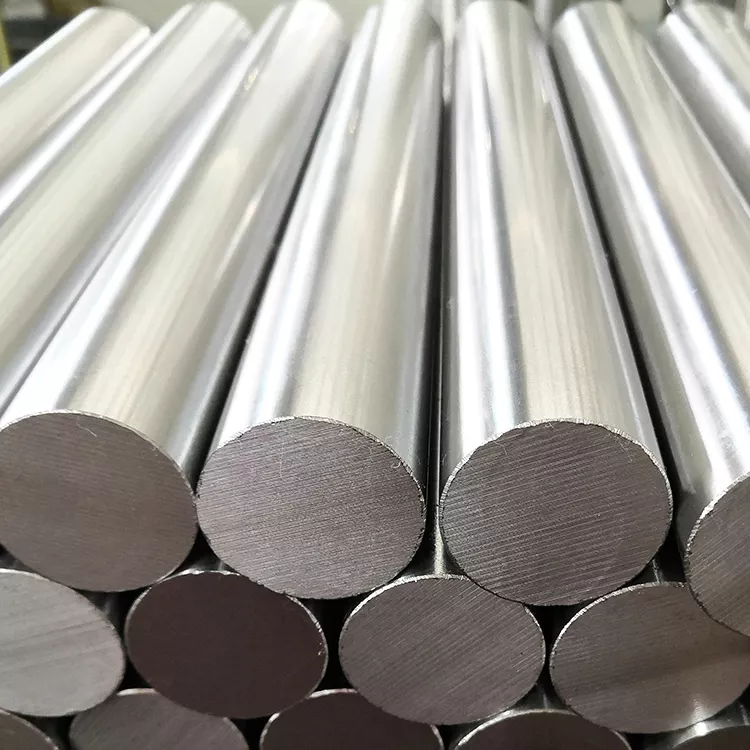
The medical device and pharmaceutical industries demand the highest standards of material purity, precision, and biocompatibility. Stainless steel rods, especially high-grade options like 316L or 321, are essential for manufacturing components that will contact pharmaceuticals or implant inside the human body. These stainless steel rods are machined into surgical instruments, implant components, syringe needles, and internal equipment parts where material safety is non-negotiable. The corrosion resistance of stainless steel rods ensures that no metal ions leach into sensitive pharmaceutical formulations or biological systems, while the material's strength allows for precise, thin-walled components that maintain safety and functionality.
Sterilization Compatibility
Medical devices and pharmaceutical equipment must withstand repeated sterilization cycles involving steam, chemical exposure, and temperature extremes. Stainless steel rods maintain their structural and corrosion-resistant properties through hundreds of sterilization cycles without degradation. This exceptional durability makes stainless steel rods the material of choice for reusable surgical instruments and permanently installed equipment components that must perform reliably across a device's entire lifecycle.
Oil and Gas Exploration and Refining
Subsea and High-Pressure Applications
Oil and gas operations, particularly subsea drilling and deep-well extraction, expose equipment to extreme pressures, saltwater corrosion, and hydrogen sulfide environments. Standard steel fails catastrophically in these conditions, but appropriately selected stainless steel rods—including duplex and super-duplex grades—deliver the corrosion resistance and strength necessary for reliable operation. Stainless steel rods are incorporated into wellhead components, pipeline internals, fasteners, and control system elements where failure would result in dangerous environmental spills, loss of life, or massive economic losses.
Refinery Chemical Exposure
Petroleum refining involves exposure to sulfurous compounds, hydrogen sulfide, and other corrosive byproducts that aggressively attack standard materials. Stainless steel rods withstand these conditions while maintaining the mechanical properties necessary for high-temperature catalytic reactors and fractionation column internals. The long service life of stainless steel rods in refinery applications directly reduces maintenance costs and extends equipment availability for revenue-generating production.
Automotive and Aerospace Manufacturing
Lightweight Strength and Corrosion Resistance
The automotive and aerospace industries increasingly demand materials that combine low weight with exceptional strength and corrosion resistance to meet fuel efficiency and durability standards. Stainless steel rods offer an excellent strength-to-weight ratio compared to heavier alternatives, enabling engineers to design lighter structures without sacrificing safety. These stainless steel rods are used in exhaust systems, suspension components, landing gear, fastening systems, and structural reinforcements where they must withstand vibration, thermal cycling, and environmental corrosion over the vehicle's operational life.
Precision Tolerance and Finish Requirements
Automotive and aerospace applications require stainless steel rods that meet extremely tight dimensional tolerances and maintain smooth surface finishes for optimal performance. Modern manufacturing processes allow stainless steel rods to be produced to exacting standards, ensuring that precision-machined components fit perfectly within assemblies and function reliably under demanding operating conditions. The consistent quality of stainless steel rods reduces scrap rates, improves assembly efficiency, and enhances overall vehicle reliability and longevity.
Water Treatment and Desalination Systems
Saltwater and Mineral-Rich Corrosion Challenges
Water treatment facilities and desalination plants operate in environments saturated with dissolved salts, minerals, and chemical treatment compounds that cause severe corrosion in standard materials. Stainless steel rods, particularly marine-grade versions, provide the necessary protection to pump shafts, valve components, structural supports, and internal piping that contact corrosive water streams. This corrosion resistance is essential because equipment failure in water treatment systems can disrupt freshwater supply, compromise public health, or create environmental contamination.
Long-Term Reliability for Critical Infrastructure
Water treatment represents critical infrastructure where service interruption carries serious consequences for communities and industries. Stainless steel rods enable decades of reliable, maintenance-free operation in these demanding environments, directly supporting public health and economic stability. The extended service life of stainless steel rods reduces the total cost of ownership and minimizes the need for emergency repairs or system replacements.
Construction and Architectural Applications
Aesthetic and Durability Requirements
Modern construction increasingly incorporates stainless steel rods for both structural and aesthetic purposes. These stainless steel rods appear in architectural railings, facade anchors, seismic bracing systems, and interior support structures where they must maintain appearance and structural integrity for decades. The corrosion resistance of stainless steel rods ensures that buildings maintain their visual appeal and structural performance in coastal, industrial, or harsh weather environments where standard steel would quickly rust and require repainting.
Structural Load-Bearing Capability
High-strength stainless steel rods deliver the load-bearing capacity necessary for modern architectural design while eliminating the need for protective coatings or frequent maintenance. This combination of strength and durability makes stainless steel rods an economical choice for long-term building performance, reducing life-cycle costs and supporting sustainability goals by extending structure longevity.
Selecting the Right Grade of Stainless Steel Rods
Understanding Grade Specifications
Different applications demand different stainless steel rods grades. Grade 304 stainless steel rods offer excellent corrosion resistance for general-purpose use in non-harsh environments. Grade 316 and 316L stainless steel rods provide superior performance in marine and chemical environments with higher chloride exposure. Grade 321 stainless steel rods excel in high-temperature applications where sensitization prevention is critical. Grade 309S and 310 stainless steel rods deliver exceptional heat resistance for elevated-temperature industrial processes. Selecting the appropriate stainless steel rods grade ensures optimal performance while avoiding unnecessary material costs.
Environmental and Operating Condition Assessment
The correct stainless steel rods grade depends on detailed analysis of temperature exposure, chemical environment, mechanical stress, and surface finish requirements. Consulting with material engineers and referencing industry standards ensures that your selected stainless steel rods will perform reliably throughout the equipment's operational life. This assessment prevents costly failures, equipment downtime, and safety incidents that can result from grade selection errors.
FAQ
What makes stainless steel rods superior to carbon steel for corrosive environments?
Stainless steel rods contain chromium and other alloying elements that form a passive oxide layer on the surface, preventing rust and corrosion. Carbon steel lacks this protective layer and oxidizes rapidly when exposed to moisture, acids, salt, or chemicals. In marine, chemical, food processing, and water treatment applications, stainless steel rods maintain integrity for decades while carbon steel would require frequent replacement or protective coatings, making stainless steel rods more cost-effective long-term.
Which stainless steel rods grade is best for high-temperature applications?
Grade 309S and 310 stainless steel rods are specifically designed for sustained high-temperature service, maintaining strength and corrosion resistance beyond 1000°F. Grade 321 stainless steel rods offers excellent high-temperature stability with titanium stabilization that prevents sensitization and intergranular corrosion. The best choice depends on specific temperature ranges, oxidizing or reducing atmospheres, and mechanical stress requirements. Engineers should reference material datasheets and industry standards to select appropriate stainless steel rods for each application.
Can stainless steel rods be easily machined and fabricated?
Yes, most stainless steel rods grades machine successfully with appropriate tools, speeds, and techniques. Austenitic grades like 304 and 316 stainless steel rods machine well with proper lubrication and sharp cutting tools. Duplex stainless steel rods requires slightly more conservative machining parameters due to higher strength. Manufacturers can achieve tight tolerances and excellent surface finishes on stainless steel rods using modern CNC equipment and carbide tooling, making stainless steel rods suitable for precision component manufacturing across all industrial sectors.
Table of Contents
- Chemical and Petrochemical Processing
- Food and Beverage Manufacturing
- Medical Device and Pharmaceutical Manufacturing
- Oil and Gas Exploration and Refining
- Automotive and Aerospace Manufacturing
- Water Treatment and Desalination Systems
- Construction and Architectural Applications
- Selecting the Right Grade of Stainless Steel Rods
- FAQ