
 EN
EN



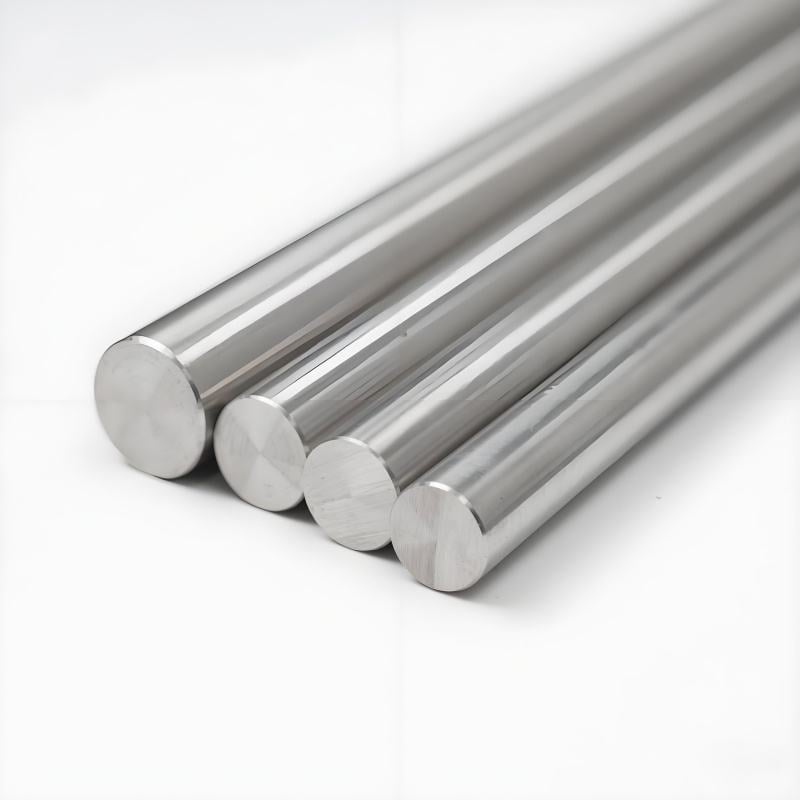
In heavy-duty industrial environments, material selection can determine whether a component lasts years or fails within months. stainless steel rods have become a foundational material choice across sectors that demand strength, corrosion resistance, and long-term reliability. From petrochemical plants to marine infrastructure, stainless steel rods deliver consistent performance where lesser materials fall short. Understanding why stainless steel rods hold such a critical position in heavy-duty applications helps engineers, procurement managers, and fabricators make smarter, more cost-effective decisions.
The demand for stainless steel rods in heavy-duty contexts continues to grow as industries push equipment to its operational limits. Stainless steel rods are specified not just for their raw tensile strength but for their ability to maintain dimensional stability, resist aggressive chemical exposure, and perform reliably under cyclic mechanical loads. When stainless steel rods are selected correctly for the application grade and environment, they reduce maintenance costs, extend service life, and support overall structural integrity in ways that carbon steel or aluminum alternatives simply cannot match.
The Core Material Advantages of Stainless Steel Rods
Corrosion Resistance as a Structural Asset
One of the primary reasons stainless steel rods dominate heavy-duty applications is their exceptional corrosion resistance. Stainless steel rods contain chromium at a minimum of 10.5%, which reacts with oxygen to form a passive oxide layer on the surface. This self-repairing layer protects stainless steel rods from rust, oxidation, and chemical attack even in humid, saline, or acidic environments. For industries such as offshore oil and gas, marine engineering, and chemical processing, stainless steel rods with this passive protection are not optional — they are operationally essential.
Without corrosion resistance, heavy-duty components degrade rapidly and require frequent replacement. Stainless steel rods prevent this cycle by maintaining surface integrity even after years of exposure. In environments where downtime is costly, the corrosion-resistant nature of stainless steel rods directly translates to higher uptime and lower lifecycle costs. Engineers specify stainless steel rods in these settings because the material earns its cost premium through sustained structural reliability.
Mechanical Strength Under Load and Temperature
Heavy-duty applications routinely subject components to extreme mechanical loads, vibration, and fluctuating temperatures. Stainless steel rods are engineered to handle all three. Austenitic stainless steel rods, such as those conforming to EN 1.4301, offer excellent tensile strength alongside high ductility, which allows the material to absorb energy without fracturing. This combination makes stainless steel rods suitable for structural supports, hydraulic components, and load-bearing fastener systems in demanding settings.
Stainless steel rods also perform well under elevated temperatures, retaining mechanical properties where standard carbon steel begins to creep or weaken. In industrial furnaces, power generation systems, and heavy manufacturing lines, stainless steel rods maintain their load-bearing capacity across a much broader thermal range. For applications where thermal cycling is constant, stainless steel rods represent a material grade that engineers can rely on through operational extremes.
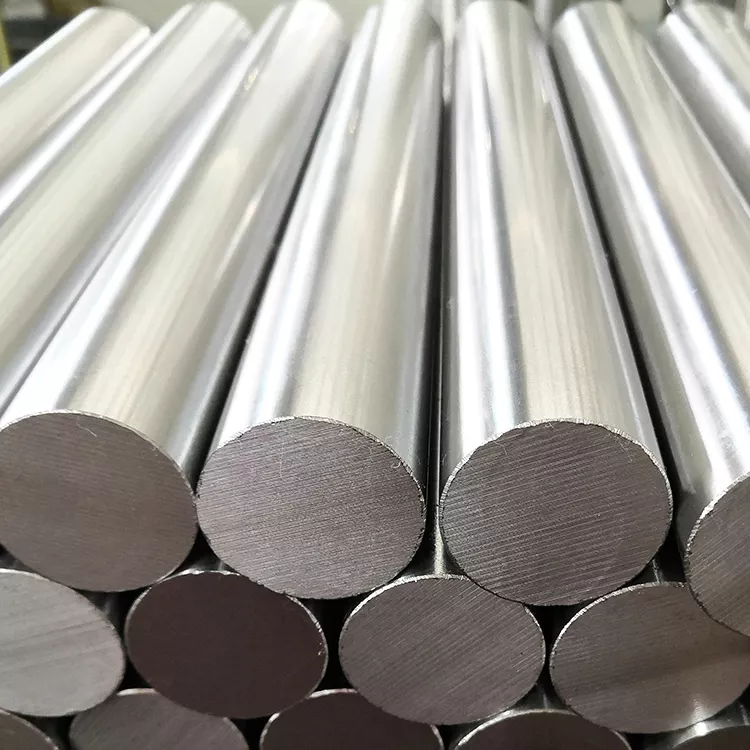
Industrial Applications Where Stainless Steel Rods Are Indispensable
Process Industries and Chemical Handling
In chemical processing and pharmaceutical manufacturing, stainless steel rods are indispensable due to their non-reactive surface and hygienic properties. Stainless steel rods used as stirrer shafts, valve stems, pump components, and structural supports must resist constant exposure to acids, alkalis, and solvents. The material grade of stainless steel rods determines compatibility with specific chemical environments, which is why selecting the right specification of stainless steel rods is critical in process engineering design.
Stainless steel rods also meet strict hygiene standards in food and beverage production. In these facilities, stainless steel rods are machined into conveyor shafts, agitator components, and guide rails where surface cleanability is as important as mechanical performance. The smooth, non-porous surface of stainless steel rods resists bacterial adhesion and withstands repeated washdown with cleaning chemicals, making stainless steel rods a regulatory and operational requirement in hygienic manufacturing environments.
Construction, Mining, and Heavy Engineering
In construction and civil engineering, stainless steel rods are used in reinforcement systems, anchor bolts, tie rods, and connection hardware where exposure to moisture and environmental contaminants is inevitable. Stainless steel rods in these settings prevent the premature degradation that leads to costly structural remediation. Mining operations rely on stainless steel rods for drill components, conveying systems, and equipment frames that endure continuous mechanical stress in abrasive, wet conditions.
Heavy engineering fabricators also depend on stainless steel rods as raw stock for machined parts. The dimensional consistency and machinability of hot-forged stainless steel rods reduce waste and improve production efficiency. When stainless steel rods are sourced in hot-forged form, the improved grain structure enhances both fatigue resistance and surface quality, which directly benefits the precision machining process and the end performance of finished components.
Selecting the Right Stainless Steel Rods for Heavy-Duty Performance
Grade and Specification Considerations
Not all stainless steel rods perform equally across all heavy-duty environments. Selecting the correct grade of stainless steel rods requires understanding the operating conditions — including temperature range, chemical exposure, mechanical load type, and required surface finish. Austenitic grades are the most commonly specified stainless steel rods for general industrial use because they offer the best balance of corrosion resistance and formability. Duplex stainless steel rods offer higher strength and improved resistance to stress corrosion cracking, making them suitable for more aggressive environments.
When procurement teams evaluate stainless steel rods, dimensional tolerances, surface condition, and material certification are equally important alongside the grade specification. Hot-forged stainless steel rods carry tighter internal quality controls due to the forging process, which closes internal voids and improves structural uniformity. Specifying certified, traceable stainless steel rods ensures that quality is maintained from raw stock through to finished component, which is non-negotiable in safety-critical heavy-duty applications.
Long-Term Value Over Initial Cost
The upfront cost of stainless steel rods is higher than carbon steel alternatives, but the long-term value calculation strongly favors stainless steel rods in heavy-duty contexts. Reduced maintenance frequency, longer service intervals, and lower replacement rates mean that stainless steel rods deliver a lower total cost of ownership over the operational life of the equipment. For asset-intensive industries, specifying stainless steel rods is a financially sound decision backed by decades of proven industrial performance.
FAQ
What makes stainless steel rods better than carbon steel rods in heavy-duty applications?
Stainless steel rods offer superior corrosion resistance, higher temperature stability, and a longer service life compared to carbon steel rods. In heavy-duty applications with moisture, chemicals, or thermal cycling, stainless steel rods reduce maintenance needs and total lifecycle costs, making them the preferred material for demanding industrial environments.
Which grade of stainless steel rods is most commonly used in industrial applications?
Austenitic stainless steel rods, particularly those conforming to EN 1.4301 or AISI 304 equivalent grades, are among the most widely specified in general industrial use. These stainless steel rods provide an effective balance of corrosion resistance, weldability, and mechanical strength suitable for a broad range of heavy-duty applications.
Are hot-forged stainless steel rods better than cold-drawn stainless steel rods for structural use?
Hot-forged stainless steel rods typically offer improved grain structure, reduced internal porosity, and better fatigue resistance compared to cold-drawn stainless steel rods. For structural and load-bearing heavy-duty applications, hot-forged stainless steel rods are often preferred because the forging process enhances the mechanical uniformity and overall reliability of the material.