
 EN
EN



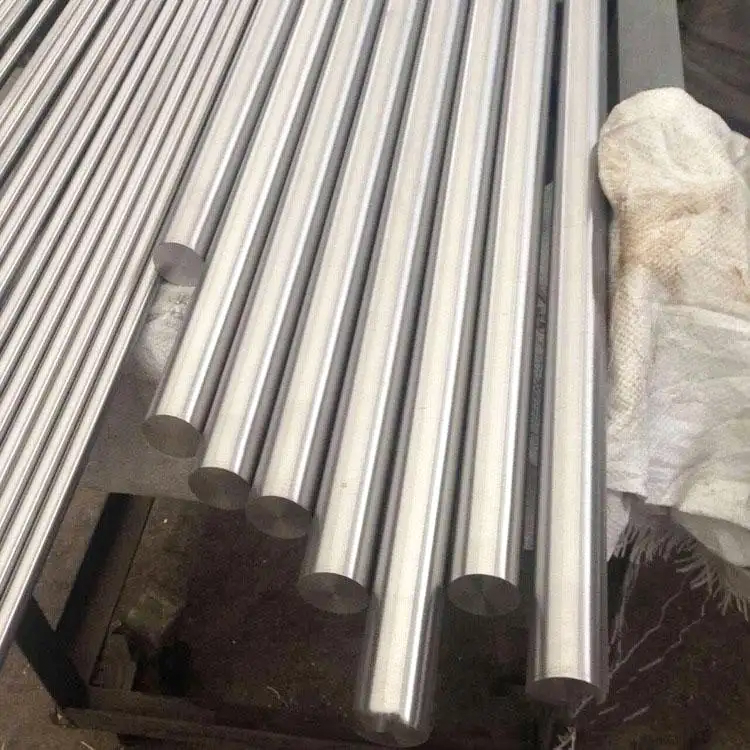
Construction professionals today demand materials that deliver both performance and longevity. stainless steel rods have become one of the most trusted choices across structural, civil, and industrial construction projects. Their combination of mechanical strength, corrosion resistance, and design flexibility makes stainless steel rods a material that delivers measurable value from the foundation stage to the finishing phase.
When engineers and procurement teams evaluate materials for construction, stainless steel rods consistently stand out due to their durability, hygiene standards, and adaptability to harsh environments. Understanding the specific benefits of stainless steel rods helps project managers make informed decisions that reduce lifecycle costs and minimize on-site risk. This article explores why stainless steel rods are a smart investment for construction projects of all scales.
Structural Strength and Load-Bearing Reliability
High Tensile Strength of Stainless Steel Rods
One of the primary benefits of stainless steel rods in construction is their exceptional tensile strength. Stainless steel rods can withstand significant mechanical stress without deforming, making them ideal for load-bearing applications such as columns, support frameworks, and reinforcement inserts. Hot-forged stainless steel rods, in particular, exhibit a refined grain structure that enhances their strength-to-weight ratio compared to standard alternatives.
In high-rise buildings, bridges, and industrial facilities, stainless steel rods serve as critical structural components. Engineers rely on stainless steel rods because they maintain dimensional stability under sustained loads. This reliability reduces the risk of structural failure and supports compliance with rigorous safety standards required in modern construction.
Hardness and Impact Resistance
Beyond tensile strength, stainless steel rods offer excellent hardness and impact resistance. Construction environments subject materials to vibration, thermal expansion, and dynamic loads. Stainless steel rods absorb and distribute these forces effectively, extending the service life of the overall structure. This performance advantage is especially important in seismic zones or heavy-traffic infrastructure where material fatigue is a constant concern. Using stainless steel rods in these contexts provides construction teams with a dependable foundation that resists cracking and deformation.
Corrosion Resistance and Long-Term Durability
Why Stainless Steel Rods Resist Corrosion
Corrosion is one of the most costly problems in construction, contributing to premature structural degradation and expensive remediation work. Stainless steel rods contain chromium, which forms a passive oxide layer on the surface, preventing rust and corrosion from penetrating the core of the material. This self-healing property means stainless steel rods maintain their integrity even when exposed to moisture, salt spray, chemicals, or aggressive cleaning agents.
In coastal construction, marine environments, and underground applications, stainless steel rods outperform carbon steel or galvanized alternatives that require frequent protective coatings. The corrosion resistance of stainless steel rods directly translates into reduced maintenance costs and longer intervals between inspections. Over a 30- to 50-year project lifecycle, choosing stainless steel rods produces significant savings compared to materials with limited corrosion protection.
Performance in Extreme Temperature Conditions
Stainless steel rods also demonstrate strong performance across a wide temperature range. In construction projects where thermal cycling is routine — such as industrial plants, chemical processing facilities, or outdoor infrastructure — stainless steel rods retain their structural properties without significant expansion or contraction issues. Certain grades of stainless steel rods are specifically engineered for high-temperature environments, allowing construction teams to specify stainless steel rods with confidence across diverse project types. Their thermal stability reduces the risk of joint separation or material fatigue caused by repeated temperature swings.
Versatility and Practical Advantages in Construction
Machinability and Fabrication Flexibility
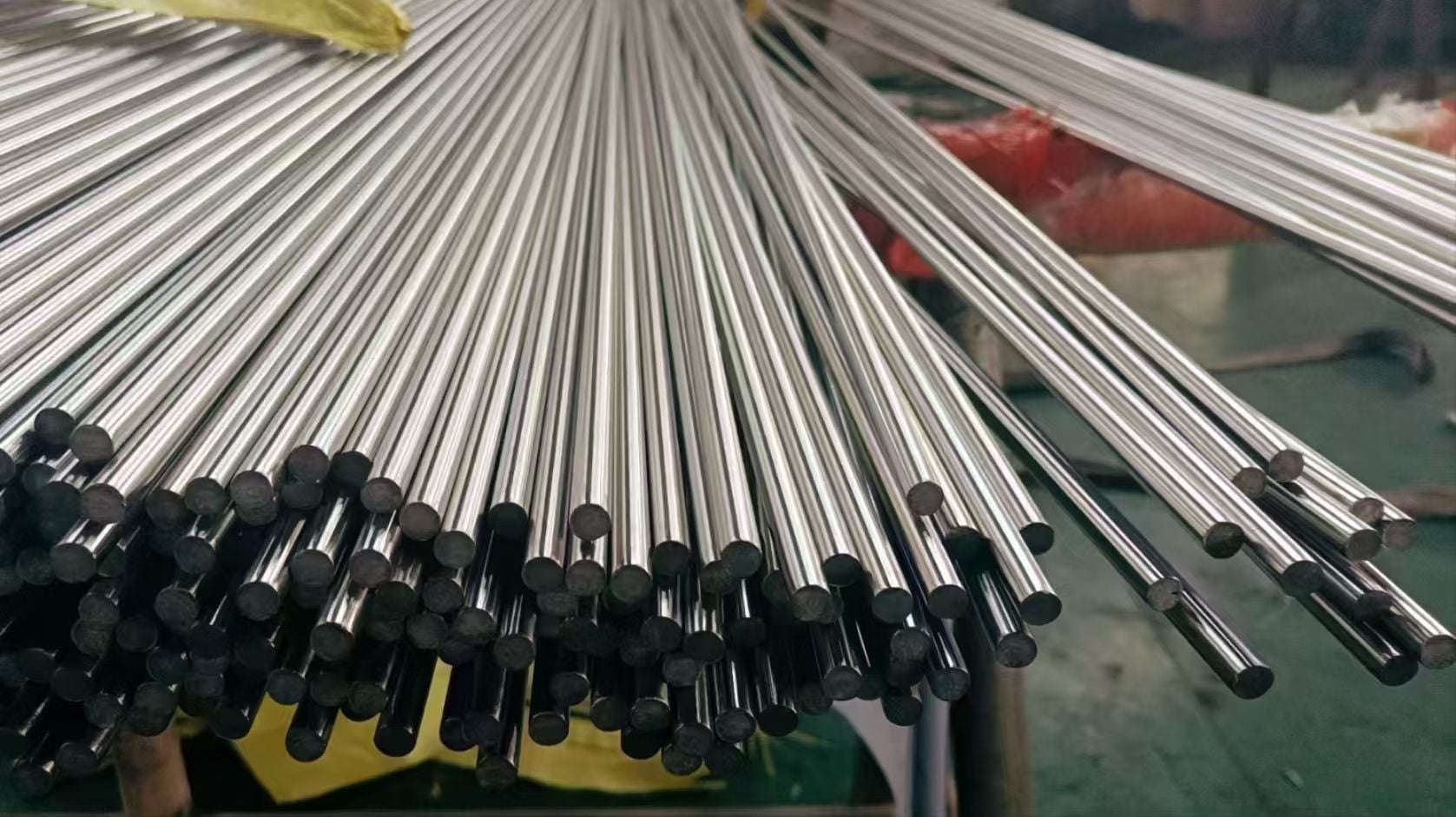
Stainless steel rods are available in a range of diameters, lengths, and grades, giving construction teams flexible procurement options. Whether a project requires precision-machined fasteners, structural anchor bolts, or custom-formed reinforcement elements, stainless steel rods can be cut, drilled, and shaped to exact specifications. This machinability reduces material waste and allows on-site fabrication teams to adapt stainless steel rods to project-specific requirements without compromising material integrity.
Hot-forged stainless steel rods offer particularly smooth surfaces and consistent dimensions, which simplify installation and reduce fitting errors. When construction timelines are tight, the ease of working with stainless steel rods gives procurement and fabrication teams a practical advantage that helps maintain project schedules.
Aesthetic Value and Surface Finish Options
In architectural construction and visible structural applications, the appearance of building materials matters. Stainless steel rods provide a clean, modern aesthetic that complements contemporary design requirements. Available in various surface finishes, stainless steel rods integrate naturally into facade systems, handrails, balustrades, and exposed structural elements. Unlike painted or coated alternatives, stainless steel rods do not chip, peel, or discolor over time, ensuring that the visual standard of the completed structure is maintained across its entire lifespan. This aesthetic durability adds real value for commercial developers and architects specifying stainless steel rods for premium construction projects.
FAQ
What grades of stainless steel rods are most suitable for construction?
The most commonly used grades of stainless steel rods in construction are 304 and 316. Grade 304 stainless steel rods offer a reliable balance of strength and corrosion resistance for general construction applications. Grade 316 stainless steel rods contain molybdenum, providing superior resistance to chloride corrosion, making these stainless steel rods the preferred choice for coastal, marine, or chemically aggressive environments.
How do stainless steel rods compare to carbon steel rods in construction?
Stainless steel rods offer significantly better corrosion resistance than carbon steel rods, which require protective coatings to prevent rust. While carbon steel rods may have a lower initial cost, stainless steel rods deliver lower total lifecycle costs due to reduced maintenance, longer service life, and superior performance in demanding environments. For construction projects with long design lifespans, stainless steel rods represent a more cost-effective long-term investment.
Can stainless steel rods be used in reinforced concrete construction?
Yes, stainless steel rods can be used effectively in reinforced concrete construction. Stainless steel rods resist the chloride-induced corrosion that frequently causes traditional rebar to deteriorate within concrete structures. Using stainless steel rods in reinforced concrete extends the structural lifespan of bridges, parking structures, and marine infrastructure. Although the upfront cost of stainless steel rods is higher than standard rebar, the long-term savings in repair and replacement costs make stainless steel rods a sound choice for critical infrastructure projects.