
 EN
EN



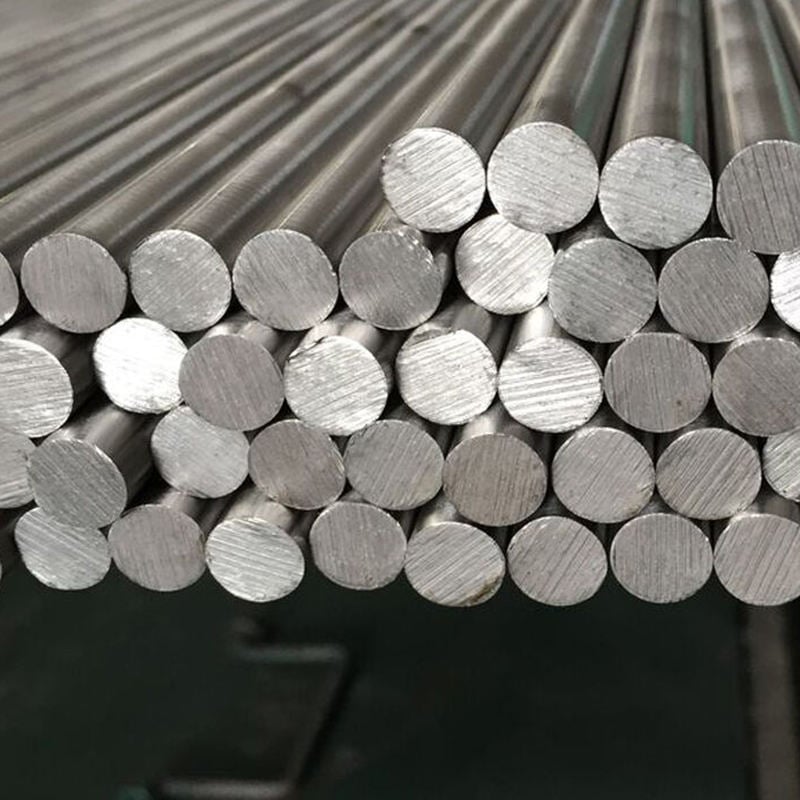
Selecting the right stainless steel rod is one of the most consequential material decisions an industrial buyer or engineer can make. The wrong grade can lead to premature corrosion, mechanical failure, or unnecessary cost overruns. With so many alloy grades, surface finishes, and dimensional specifications available, understanding how to match a stainless steel rod to your specific application is essential for long-term performance and cost efficiency.
Every industrial environment places different demands on a stainless steel rod. Chemical processing plants require corrosion resistance above all else. High-temperature furnace components need oxidation resistance. Structural fabrication work prioritizes tensile strength and machinability. This guide walks through the key selection criteria — from alloy grade to mechanical properties — so you can make an informed, confident purchasing decision every time you specify a stainless steel rod for your operations.
Understanding Stainless Steel Rod Grades
The Role of Alloy Composition in Grade Selection
The most important starting point when choosing a stainless steel rod is understanding how alloy composition defines performance. Chromium content provides the foundational corrosion resistance that defines all stainless grades. Nickel improves ductility and supports corrosion resistance in acidic environments. Molybdenum, present in grades like 316 and 316L, enhances resistance to chloride pitting — a critical factor in marine and chemical applications. When you specify a stainless steel rod, the alloy composition must align directly with the environmental exposure the part will face.
Grade 304 is by far the most widely used stainless steel rod in general industrial applications. It offers a strong balance of corrosion resistance, formability, and weldability. Grade 304L, the low-carbon variant, is preferred when welding is involved because it reduces the risk of sensitization and intergranular corrosion. If your application involves exposure to saltwater, acidic chemicals, or chloride-rich environments, a 316 or 316L stainless steel rod is the appropriate upgrade. Both 316 and 316L provide superior pitting resistance thanks to their molybdenum content, making them the standard choice in pharmaceutical and food processing industries.
High-Temperature Grades for Demanding Environments
When a stainless steel rod must perform reliably at elevated temperatures, standard austenitic grades like 304 or 316 may not be sufficient. Grade 309S is formulated for high-temperature service, retaining structural integrity in environments reaching up to approximately 1095°C. Grade 310 pushes this capability even further, with higher chromium and nickel content that provides exceptional oxidation resistance at temperatures exceeding 1100°C. These grades are commonly used in furnace components, heat exchangers, and combustion equipment where a standard stainless steel rod would rapidly degrade. Grade 321, stabilized with titanium, is another high-temperature option that prevents carbide precipitation during prolonged heat exposure, making it suitable for exhaust systems and aerospace components. Grade 301, on the other hand, is used when higher strength through work hardening is needed in applications like springs, fasteners, and structural components that require a stainless steel rod with enhanced tensile characteristics.
Key Mechanical and Physical Properties to Evaluate
Tensile Strength, Hardness, and Machinability
Beyond corrosion resistance, the mechanical profile of a stainless steel rod determines whether it can survive the physical demands of your application. Tensile strength is critical for structural components, load-bearing assemblies, and fastener manufacture. A work-hardened 301 stainless steel rod, for example, can achieve significantly higher tensile strength than annealed 304, making it more suitable for high-stress applications without sacrificing the stainless identity. Hardness ratings affect both wear resistance and machinability — a harder stainless steel rod is more wear-resistant but can be more challenging to cut, drill, and thread on conventional equipment.
Machinability is a practical concern that engineers sometimes overlook until they face production delays. Austenitic stainless grades like 304 and 316 are tougher to machine than carbon steels and require sharp tooling, appropriate cutting speeds, and effective lubrication. If your production process involves high-volume precision machining, evaluating the machinability rating of each stainless steel rod grade before purchasing can save significant time and tooling costs. Always request material test reports from your supplier to confirm the mechanical properties of the stainless steel rod batch you are purchasing.
Diameter Tolerances and Surface Finish Requirements
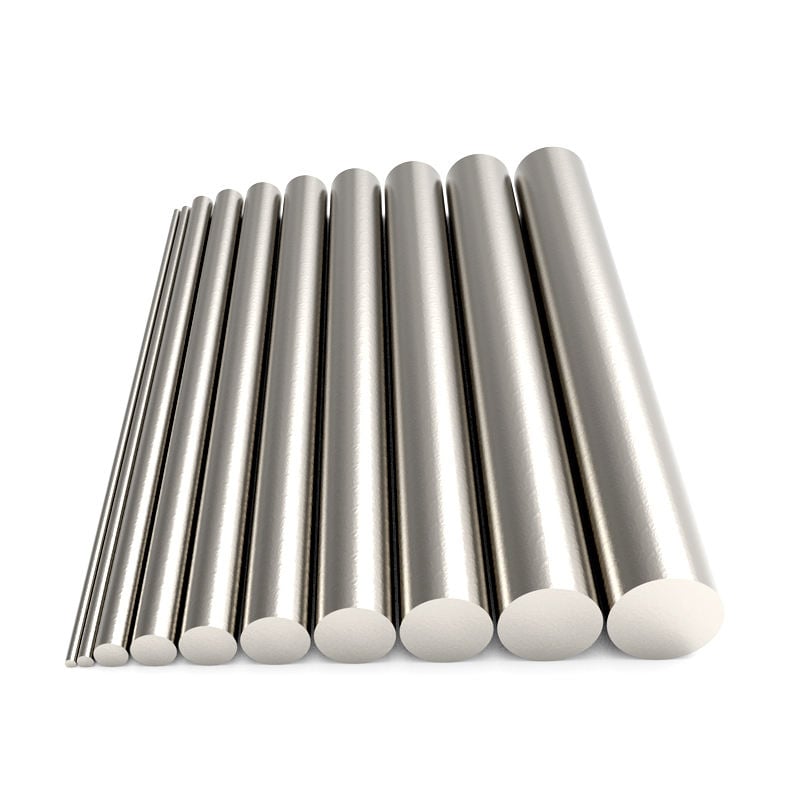
Dimensional precision is another factor that separates a well-specified stainless steel rod from one that creates downstream manufacturing problems. Hot-rolled stainless steel rod is typically used for structural applications where tight tolerances are not critical. Cold-drawn or centerless-ground stainless steel rod offers tighter diameter tolerances and a smoother surface finish, making it preferable for precision machining, shaft applications, and close-fit assemblies. The surface condition of a stainless steel rod — whether it is bright annealed, pickled, or polished — also affects its corrosion performance in aggressive environments. A polished finish reduces surface area for corrosive attack and is often specified in hygienic or food-grade applications.
Matching the Stainless Steel Rod to Your Application
Industry-Specific Selection Guidance
Different industries impose different selection criteria on a stainless steel rod, and understanding these patterns simplifies the decision process. In chemical processing, a 316L stainless steel rod is almost always the default choice due to its low carbon content and molybdenum-enhanced resistance to acids and chlorides. In food and beverage manufacturing, both 304 and 316 stainless steel rod grades are widely accepted, with 316 preferred when cleaning chemicals containing chlorides are used regularly. In high-temperature industrial furnaces or thermal processing equipment, a 309S or 310 stainless steel rod provides the oxidation resistance necessary for safe, long-term operation. Aerospace and automotive exhaust systems frequently rely on 321 stainless steel rod because of its thermal stability and resistance to sensitization under cyclic heat exposure.
Cost-Efficiency Without Compromising Performance
Budget is always part of the specification process, but selecting a lower-grade stainless steel rod purely to reduce upfront cost often results in higher total lifecycle costs. A 304 stainless steel rod installed in a chloride-rich environment may corrode within months, requiring early replacement and unplanned downtime. Upgrading to a 316 stainless steel rod in such a case is a clear long-term investment. At the same time, over-specifying — using a 310 stainless steel rod where a 304 would perform equally well — wastes material budget unnecessarily. The right approach is to match the stainless steel rod grade precisely to the environmental conditions, mechanical requirements, and service life expectations of your application, then source from a verified supplier who can confirm compliance with international material standards.
FAQ
What is the most commonly used stainless steel rod grade for general industrial applications?
Grade 304 is the most widely used stainless steel rod in general industrial settings. It provides a reliable balance of corrosion resistance, weldability, and formability at a moderate cost, making it suitable for a broad range of fabrication, structural, and processing applications.
When should I choose a 316 stainless steel rod over a 304?
You should choose a 316 stainless steel rod when your application involves exposure to chlorides, saltwater, or acidic chemicals. The molybdenum content in grade 316 provides significantly better pitting and crevice corrosion resistance compared to 304, which makes it the standard choice in marine, pharmaceutical, and chemical processing environments.
How do I verify the quality of a stainless steel rod before purchasing?
Always request a material test report, also known as a mill certificate, from your supplier before confirming a stainless steel rod order. This document confirms the chemical composition, mechanical properties, and dimensional compliance of the material batch, ensuring that the stainless steel rod you receive meets the required grade specifications for your application.