
 EN
EN



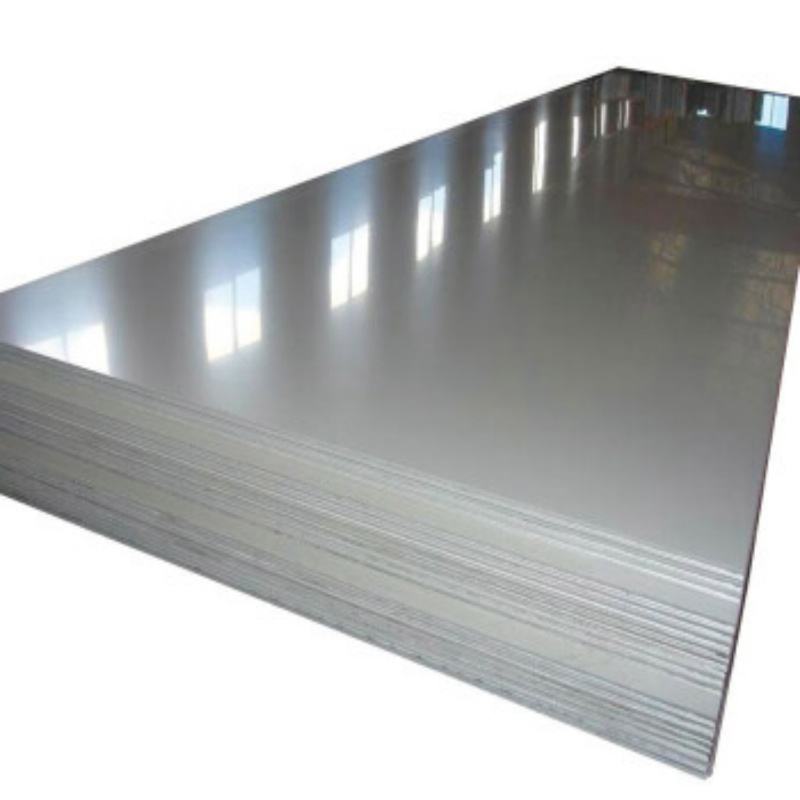
Proper maintenance of stainless steel plates is one of the most cost-effective investments any industrial operation or fabrication facility can make. When stainless steel plates are exposed to harsh environments, chemical agents, mechanical stress, or neglected cleaning routines, their performance and appearance deteriorate far faster than necessary. Understanding how to care for stainless steel plates correctly means fewer replacements, lower maintenance costs, and more reliable structural or process performance over time.
Stainless steel plates are valued for their natural corrosion resistance, which comes from a passive chromium oxide layer on the surface. This layer is self-healing under the right conditions, but it can be compromised by contamination, abrasion, or improper handling. Maintaining stainless steel plates is not complicated, but it does require consistent attention to cleaning methods, surface protection, and environmental controls. This guide walks through the key maintenance practices that extend the lifespan of stainless steel plates in demanding industrial settings.
Routine Cleaning Practices for Stainless Steel Plates
Choosing the Right Cleaning Agents
The foundation of maintaining stainless steel plates begins with routine cleaning using appropriate agents. Mild detergents diluted in warm water are generally sufficient for removing surface dust, oils, and general industrial residue from stainless steel plates. Avoid using chlorine-based cleaners, bleach solutions, or highly acidic compounds directly on stainless steel plates, as these can attack the passive oxide layer and accelerate corrosion. For more stubborn contamination, purpose-formulated stainless steel cleaners are widely available and safe for use on stainless steel plates across different grades.
When cleaning stainless steel plates, always wipe in the direction of the surface grain or polish lines. Wiping against the grain can cause micro-scratches on stainless steel plates, which create sites where contaminants accumulate and where rust can initiate. A soft cloth, non-abrasive sponge, or nylon brush is ideal for most cleaning tasks on stainless steel plates. Steel wool or carbon steel brushes should never be used, as iron particles left behind can embed into the surface of stainless steel plates and cause rust spots.
Frequency of Cleaning Based on Environment
The required cleaning frequency for stainless steel plates depends heavily on the operating environment. In coastal or marine environments where stainless steel plates are exposed to saltwater spray, weekly or even more frequent cleaning is advisable to prevent chloride-induced pitting. In food processing or pharmaceutical facilities, stainless steel plates should be cleaned after every production cycle to prevent bacterial buildup and surface contamination. In general fabrication or construction environments, monthly cleaning of stainless steel plates is typically sufficient to maintain surface integrity.
Preventing Corrosion and Surface Damage on Stainless Steel Plates
Avoiding Cross-Contamination with Carbon Steel
One of the most overlooked causes of surface damage to stainless steel plates is cross-contamination from carbon steel during storage or fabrication. When stainless steel plates are stored in direct contact with carbon steel components, or when carbon steel tools are used to cut and grind stainless steel plates, iron deposits transfer onto the surface. These deposits oxidize rapidly and create rust stains that appear to originate from the stainless steel plates themselves. Preventing this requires dedicated storage areas, separate tooling, and clearly marked workspaces exclusively for stainless steel plates.
Stainless steel plates should always be stored on wooden or rubber-lined racks rather than bare carbon steel shelving. Protective films or interlayer papers between stainless steel plates during stacking help prevent surface marring and cross-metal contamination. Maintaining clean and segregated storage significantly extends the service life of stainless steel plates before they even enter the production or application phase.
Passivation and Surface Restoration
Passivation is a controlled chemical treatment that restores and strengthens the protective oxide layer on stainless steel plates. After machining, welding, or heavy cleaning, the passive layer on stainless steel plates can be weakened or partially removed. Applying a passivation treatment using diluted nitric acid or citric acid solutions reactivates the chromium oxide layer and dramatically improves the corrosion resistance of stainless steel plates. This step is particularly important for stainless steel plates used in chemical processing, marine, or food-grade applications.
After welding operations on stainless steel plates, weld discoloration and heat tint zones must be addressed promptly. These heat-affected areas are more susceptible to corrosion than the surrounding base material. Pickling pastes or electrochemical cleaning tools designed for stainless steel plates can remove weld scale and restore the passive surface layer in these critical zones, ensuring the long-term integrity of the stainless steel plates.
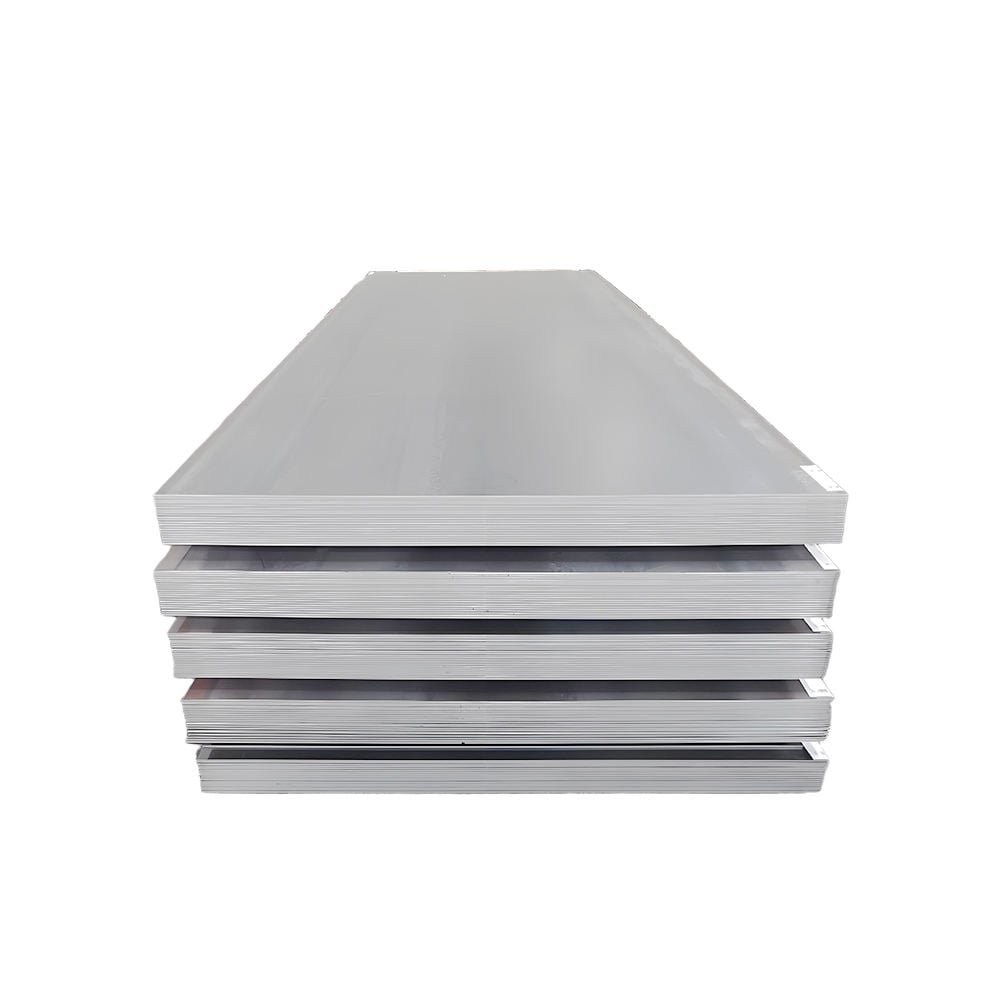
Long-Term Storage and Handling of Stainless Steel Plates
Environmental Controls for Storage
For facilities that store stainless steel plates over extended periods, environmental control is essential. Humidity levels above 60 percent can promote surface oxidation and staining on stainless steel plates, especially if the protective film has been removed or if the surface has been scratched. Stainless steel plates should be stored in dry, well-ventilated areas away from direct exposure to industrial chemicals, solvents, or acidic fumes. Climate-controlled warehouses are ideal for high-value stainless steel plates used in precision applications.
Stainless steel plates stored outdoors must be fully covered with weather-resistant materials and elevated off the ground to prevent moisture accumulation. Periodic inspection of stainless steel plates in long-term storage ensures that any early signs of staining, pitting, or surface degradation are identified and addressed before they become structural problems. Even in storage, stainless steel plates benefit from light cleaning and a light application of protective oil on exposed edges.
Safe Handling Practices During Transportation
Improper handling during loading, unloading, or on-site transport is a frequent source of damage to stainless steel plates. Using forklift blades or chains without protective padding against stainless steel plates causes deep surface scratches and can deform thinner gauges. Nylon lifting slings, rubber-padded clamps, and wooden dunnage should always be used when moving stainless steel plates. Ensuring that stainless steel plates are secured properly during transport prevents vibration damage and edge denting that compromise both appearance and fit for fabrication.
FAQ
How often should stainless steel plates be inspected for corrosion?
Stainless steel plates in standard industrial environments should be visually inspected at least every three to six months. In aggressive environments such as coastal, chemical, or high-humidity settings, stainless steel plates should be inspected monthly. Early detection of pitting or rust staining on stainless steel plates allows for timely corrective action before deeper corrosion develops.
Can stainless steel plates be repaired after surface rust appears?
Yes, surface rust on stainless steel plates is often treatable without requiring replacement. Light rust stains on stainless steel plates can be removed using oxalic acid-based cleaners or commercial stainless steel rust removers. After cleaning, passivation treatment should be applied to stainless steel plates to restore the protective oxide layer and prevent recurrence.
What grade of stainless steel plates is best for high-corrosion environments?
For highly corrosive environments, grade 316 stainless steel plates are generally preferred over grade 304 stainless steel plates due to the addition of molybdenum, which enhances resistance to chloride pitting. In extreme chemical environments, duplex or super duplex stainless steel plates may be recommended. Selecting the correct grade of stainless steel plates from the start reduces long-term maintenance demands significantly.