
 EN
EN



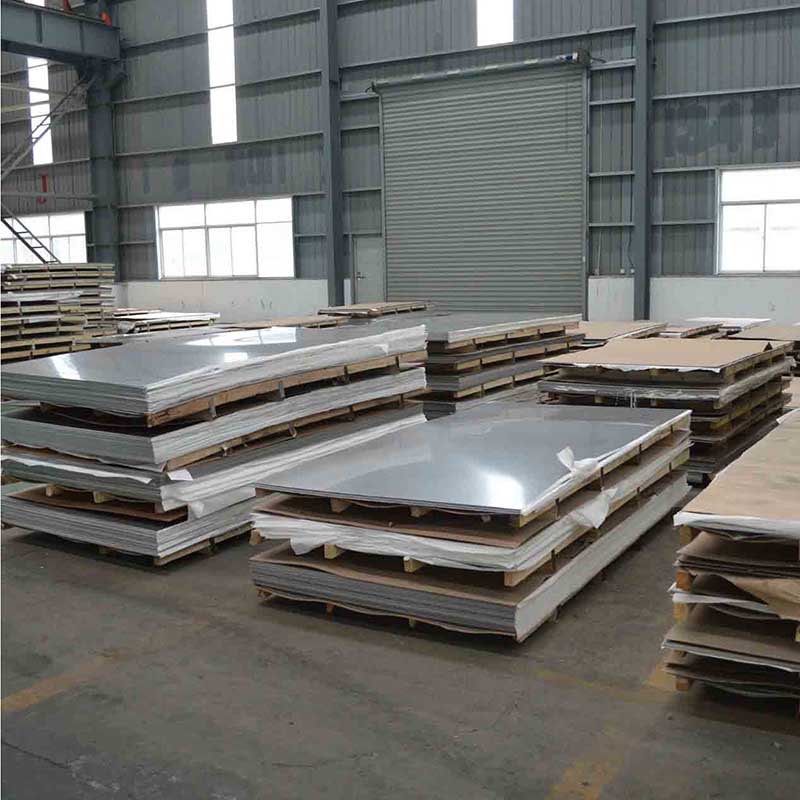
Selecting the right stainless steel plate for a construction project is one of the most consequential material decisions a project engineer or procurement specialist will make. The wrong choice can lead to premature corrosion, structural failure, cost overruns, or compliance issues. Understanding what separates a suitable stainless steel plate from an unsuitable one requires looking beyond surface appearance and focusing on grade, thickness, finish, and environmental compatibility.
Every stainless steel plate comes with a specific set of mechanical and chemical properties that determine how it will perform under load, temperature, and exposure conditions. Construction applications are highly varied — from structural frameworks and cladding to flooring, facades, and load-bearing supports. Choosing the correct stainless steel plate ensures long-term performance, minimizes maintenance, and keeps the project within budget and schedule.
Understanding Stainless Steel Plate Grades
Austenitic Grades for General Construction
The most widely used stainless steel plate in construction falls within the austenitic family, particularly grades 304 and 316. A 304 stainless steel plate offers excellent corrosion resistance, good formability, and strong weldability, making it suitable for interior structural elements, decorative facades, and non-marine environments. When a project is located near coastal areas or involves exposure to chlorides, a 316 stainless steel plate is the preferred choice because of its added molybdenum content, which significantly improves pitting resistance.
Choosing between these two grades starts with evaluating the environmental aggressiveness of the project site. A stainless steel plate used in an inland commercial building will have very different grade requirements compared to one installed in a waterfront infrastructure project. Specifying the correct grade from the start prevents costly material replacement down the line.
Duplex Grades for High-Strength Applications
When construction demands both high mechanical strength and corrosion resistance, duplex stainless steel plate grades such as 2205 become relevant. A duplex stainless steel plate combines austenitic and ferritic microstructures, resulting in roughly twice the yield strength of standard 304 or 316 material. This allows engineers to use thinner sections while maintaining structural integrity, which can reduce overall material costs and dead load in large-scale structures.
Duplex stainless steel plate is particularly well-suited for bridges, pressure vessels, and industrial platforms where both strength and resistance to stress corrosion cracking are critical. The tradeoff is that duplex grades can be more challenging to weld and form, requiring skilled fabrication teams and carefully controlled procedures.
Thickness and Surface Finish Selection
Matching Thickness to Structural Load Requirements
Thickness is a primary factor when choosing a stainless steel plate for any structural application. Load-bearing stainless steel plate elements require engineering calculations to determine the minimum thickness that satisfies both static and dynamic load requirements. A stainless steel plate used as a wall panel will have very different thickness specifications compared to one forming part of a structural column connection or a heavy-duty floor plate.
Oversizing thickness adds unnecessary weight and material cost, while undersizing creates safety risks. Working with certified structural engineers who understand stainless steel plate behavior under the specific loading conditions of your project is essential. Always verify that the selected stainless steel plate meets the relevant national or international structural codes for the application.
Surface Finish and Its Functional Role
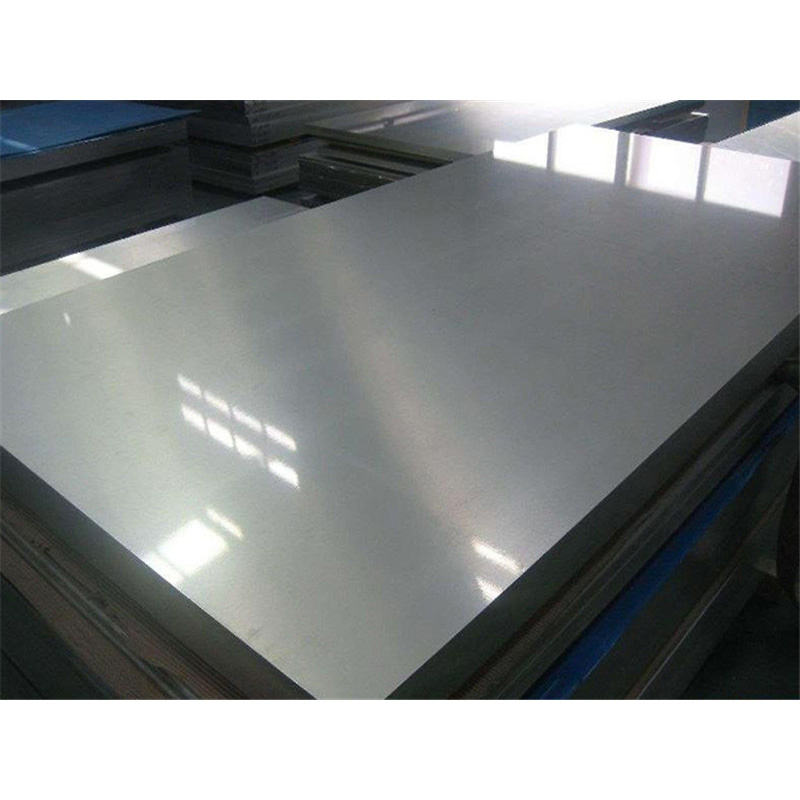
The surface finish of a stainless steel plate affects both its aesthetic appearance and its functional performance. In construction, a No. 2B finish is commonly used for concealed structural elements because it provides a smooth, clean surface that resists contamination and is easy to clean. For architectural facades and visible cladding panels, a brushed or mirror-polished stainless steel plate finish delivers the visual quality that designers demand.
Beyond aesthetics, surface finish also influences corrosion resistance. A finer, smoother finish on a stainless steel plate reduces surface roughness, which in turn reduces the areas where corrosive agents can accumulate. For projects in aggressive environments, specifying the correct surface finish on the stainless steel plate can meaningfully extend service life without requiring a more expensive alloy grade.
Procurement and Fabrication Considerations
Sourcing Certified and Compliant Stainless Steel Plate
When procuring a stainless steel plate for construction, material certification is non-negotiable. Every stainless steel plate should come with a mill test certificate confirming its chemical composition, mechanical properties, and heat treatment conditions. Reputable suppliers will provide full traceability for each stainless steel plate batch, allowing project teams to verify compliance with relevant standards such as ASTM, EN, or JIS.
Working with experienced stainless steel plate manufacturers or distributors who understand construction industry requirements helps avoid substandard material entering the supply chain. Requesting third-party inspection or independent testing of a stainless steel plate shipment adds another layer of quality assurance, especially for critical structural applications where material integrity is paramount.
Fabrication Compatibility and Lead Time Planning
Not all stainless steel plate grades respond the same way to cutting, bending, and welding. A stainless steel plate project that involves complex fabrication should be planned with input from the fabrication team early in the design phase. Understanding the formability and weldability characteristics of the chosen stainless steel plate grade prevents costly rework and delays during the fabrication stage.
Lead times for specialty stainless steel plate grades, particularly duplex or high-thickness options, can be significantly longer than standard grades. Including realistic procurement timelines into the overall construction schedule prevents the stainless steel plate supply from becoming a bottleneck. Early engagement with suppliers allows for better pricing, material reservation, and schedule alignment across the entire construction workflow.
FAQ
What stainless steel plate grade is best for outdoor construction?
For outdoor construction in standard environments, a 316 stainless steel plate is widely recommended due to its superior resistance to moisture, chlorides, and general atmospheric corrosion compared to 304. In high-pollution or marine coastal settings, duplex stainless steel plate grades offer additional protection and strength.
How thick should a stainless steel plate be for structural use?
The required thickness of a stainless steel plate for structural use depends on the applied loads, span dimensions, and the specific structural role the plate performs. There is no universal thickness recommendation — always have a qualified structural engineer perform load calculations based on the grade and configuration of the stainless steel plate being used.
Can a stainless steel plate be used in both interior and exterior applications?
Yes, a stainless steel plate is highly versatile and suitable for both interior and exterior construction applications. The key is matching the correct grade and finish to the specific environment. Interior applications may allow for a 304 stainless steel plate, while exterior or chemically exposed environments typically require a 316 or duplex stainless steel plate for reliable long-term performance.