
 EN
EN


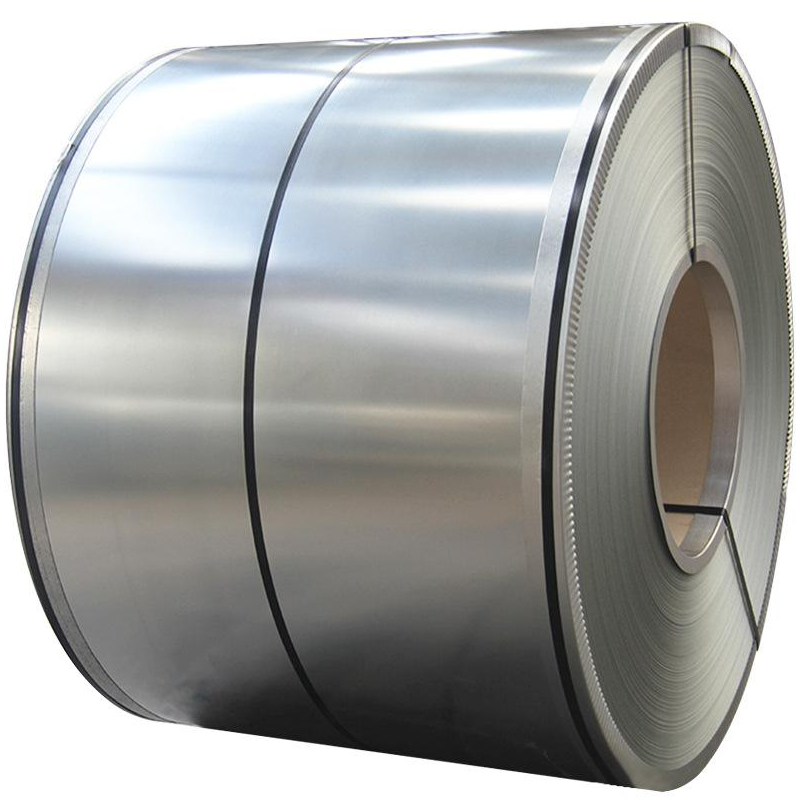
Proper maintenance of aluminum coils is essential for maximizing their lifespan, performance, and cost-effectiveness in industrial applications. Whether used in HVAC systems, manufacturing processes, or construction projects, aluminum coils require systematic care to prevent corrosion, maintain structural integrity, and ensure optimal heat transfer efficiency. Understanding the fundamentals of aluminum coil maintenance helps facility managers and technicians avoid costly repairs, reduce downtime, and maintain consistent operational performance across various industrial environments.
Understanding Aluminum Coil Properties and Vulnerabilities
Material Characteristics and Performance Factors
Aluminum coils possess unique properties that make them valuable for industrial applications while also creating specific maintenance requirements. The lightweight nature of aluminum combined with its excellent thermal conductivity makes it ideal for heat exchange applications, but these same properties can lead to specific wear patterns and maintenance challenges. Understanding the alloy composition of your aluminum coil helps determine the appropriate maintenance approach, as different alloys have varying resistance to environmental factors and mechanical stress.
The surface characteristics of aluminum coils play a crucial role in their maintenance needs. Natural oxide formation on aluminum surfaces provides some corrosion protection, but this layer can be compromised by chemical exposure, physical damage, or improper cleaning techniques. Temperature fluctuations, humidity levels, and exposure to aggressive chemicals can accelerate degradation processes, making regular assessment and preventive maintenance critical for sustained performance.
Common Failure Modes and Risk Factors
Several factors contribute to aluminum coil deterioration, with pitting corrosion being one of the most common issues in industrial environments. Chloride exposure, galvanic corrosion from contact with dissimilar metals, and stress corrosion cracking can significantly reduce coil lifespan if not properly managed. Mechanical damage from improper handling, vibration, or thermal cycling also creates vulnerability points that require attention during maintenance procedures.
Environmental contaminants such as dust, debris, biological growth, and chemical deposits can accumulate on coil surfaces, reducing heat transfer efficiency and creating conditions for accelerated corrosion. Understanding these risk factors enables maintenance teams to develop targeted inspection protocols and implement appropriate protective measures before significant damage occurs.
Essential Inspection and Assessment Procedures
Visual Inspection Techniques and Frequency
Regular visual inspections form the foundation of effective aluminum coil maintenance programs. Trained technicians should examine coil surfaces for signs of corrosion, pitting, discoloration, or mechanical damage on a scheduled basis determined by operating conditions and environmental factors. High-stress applications or aggressive environments may require monthly inspections, while less demanding conditions might allow quarterly assessments.
During visual inspections, particular attention should be paid to areas where different materials connect, locations with restricted airflow, and zones exposed to moisture or chemical contact. Documenting findings with photographs and detailed notes helps track deterioration patterns over time and supports data-driven maintenance decisions. Early detection of surface irregularities, coating failures, or unusual deposits enables prompt corrective action before minor issues escalate into major problems.
Performance Testing and Measurement Methods
Beyond visual assessment, quantitative testing provides valuable insights into aluminum coil condition and performance trends. Thermal efficiency measurements, pressure drop testing, and vibration analysis help identify degradation that may not be visible during standard inspections. These measurements establish baseline performance parameters and enable tracking of gradual changes that could indicate developing maintenance needs.
Non-destructive testing methods such as ultrasonic thickness measurements, eddy current testing, and thermographic imaging provide detailed information about coil condition without causing damage. These advanced techniques can detect subsurface defects, measure remaining wall thickness, and identify hot spots or flow irregularities that compromise performance. Implementing regular performance testing creates a comprehensive understanding of coil health and supports predictive maintenance strategies.
Cleaning and Surface Treatment Protocols
Appropriate Cleaning Methods and Materials
Proper cleaning techniques are fundamental to aluminum coil maintenance, as inappropriate methods can cause surface damage or accelerate corrosion processes. Mild alkaline cleaners specifically formulated for aluminum surfaces effectively remove most industrial contaminants without damaging the protective oxide layer. Avoiding harsh acids, chloride-containing cleaners, or abrasive materials prevents surface damage that could create corrosion initiation sites.
The cleaning process should begin with removal of loose debris using compressed air or soft brushes, followed by application of appropriate cleaning solutions at recommended concentrations and contact times. Thorough rinsing with clean water removes cleaning residues that could cause staining or accelerated corrosion. For heavily contaminated surfaces, multiple cleaning cycles may be necessary, with careful monitoring to prevent over-cleaning or surface damage.
Surface Protection and Coating Applications
After cleaning, applying appropriate surface treatments enhances aluminum coil longevity and performance. Protective coatings such as anodizing treatments, polymer films, or specialized industrial coatings provide additional corrosion resistance and improve durability in challenging environments. The selection of surface treatments depends on operating conditions, budget considerations, and performance requirements specific to each application.
Surface preparation prior to coating application is critical for achieving optimal adhesion and performance. This may include light abrading to improve surface texture, solvent cleaning to remove any remaining contaminants, and ensuring complete dryness before coating application. Following manufacturer specifications for application techniques, cure times, and environmental conditions during coating ensures maximum protection and longevity.
Operational Maintenance Best Practices
Environmental Control and Monitoring
Maintaining appropriate environmental conditions around aluminum coils significantly impacts their performance and maintenance requirements. Controlling humidity levels, ensuring adequate ventilation, and minimizing exposure to corrosive chemicals creates favorable operating conditions that reduce maintenance frequency and extend coil life. Installing environmental monitoring systems provides real-time data about conditions that affect coil performance and enables proactive adjustments when necessary.
Proper drainage systems prevent water accumulation around aluminum coils, as standing water creates conditions for accelerated corrosion and biological growth. Ensuring that drainage pathways remain clear and functional should be part of routine maintenance procedures. Additionally, maintaining appropriate clearances around coils facilitates inspection access and promotes proper air circulation that helps prevent moisture-related problems.
Handling and Installation Considerations
Proper handling techniques during installation, maintenance, or replacement activities prevent mechanical damage that compromises aluminum coil integrity. Using appropriate lifting equipment, protective padding, and trained personnel reduces the risk of dents, scratches, or other surface damage that can become corrosion initiation points. Establishing clear procedures for coil handling and ensuring all personnel understand these requirements helps maintain coil condition throughout its service life.
Installation practices significantly influence long-term maintenance requirements and coil performance. Proper support structures, vibration dampening, thermal expansion accommodation, and electrical isolation from dissimilar metals prevent many common maintenance issues. Following manufacturer installation guidelines and industry best practices during initial setup creates optimal conditions for long-term reliable operation with minimal maintenance intervention.
Preventive Maintenance Scheduling and Documentation
Developing Maintenance Schedules and Protocols
Effective aluminum coil maintenance requires systematic scheduling based on operating conditions, environmental factors, and historical performance data. Developing comprehensive maintenance protocols that specify inspection frequencies, cleaning procedures, testing requirements, and documentation standards ensures consistent care and helps identify trends that indicate changing maintenance needs. These protocols should be regularly reviewed and updated based on experience and changing operating conditions.
Risk-based maintenance scheduling considers factors such as criticality of the application, consequences of failure, operating environment severity, and historical failure patterns. High-critical applications in aggressive environments may require more frequent attention, while less demanding applications can often operate safely with extended maintenance intervals. Balancing maintenance costs with reliability requirements helps optimize resource allocation and maintenance effectiveness.
Record Keeping and Performance Tracking
Comprehensive documentation of maintenance activities, inspection findings, and performance measurements creates valuable historical data that supports informed decision-making and continuous improvement. Maintenance records should include dates, personnel involved, procedures performed, materials used, findings, and any corrective actions taken. This information helps identify patterns, track deterioration rates, and optimize maintenance strategies over time.
Digital maintenance management systems facilitate efficient record keeping, trending analysis, and predictive maintenance planning. These systems can automatically schedule routine maintenance, track spare parts inventory, and generate reports that highlight developing issues or optimization opportunities. Investing in proper documentation systems and training personnel in their use significantly enhances maintenance program effectiveness and return on investment.
FAQ
How often should aluminum coils be inspected for maintenance needs
Inspection frequency depends on operating conditions and environmental factors, but most industrial aluminum coils should receive visual inspections every 3-6 months. Applications in corrosive environments, high-temperature conditions, or critical systems may require monthly inspections, while less demanding applications might operate safely with quarterly or semi-annual inspections. Establishing baseline inspection schedules based on manufacturer recommendations and adjusting frequency based on experience and findings helps optimize maintenance timing.
What cleaning products should be avoided when maintaining aluminum coils
Avoid cleaners containing chlorides, strong acids, or alkaline solutions with pH levels outside the 4-9 range, as these can damage aluminum surfaces and accelerate corrosion. Abrasive cleaners, steel wool, or harsh mechanical cleaning methods should also be avoided as they can scratch surfaces and create corrosion initiation sites. Always use cleaners specifically formulated for aluminum surfaces and follow manufacturer dilution and contact time recommendations to prevent surface damage.
Can aluminum coil damage be repaired or does replacement become necessary
Minor surface damage, small dents, or localized corrosion can often be repaired using appropriate techniques such as surface refinishing, welding, or patch repairs performed by qualified technicians. However, extensive corrosion, structural damage, or repeated failures may indicate that replacement is more cost-effective than continued repairs. Evaluation should consider repair costs, expected remaining service life, performance requirements, and safety factors to determine the most appropriate course of action.
What environmental factors most significantly impact aluminum coil maintenance requirements
Humidity levels, temperature fluctuations, chemical exposure, and air quality are the primary environmental factors affecting aluminum coil maintenance needs. High humidity promotes corrosion, while thermal cycling creates mechanical stress that can lead to fatigue failures. Exposure to chlorides, acids, or other aggressive chemicals accelerates corrosion processes, and airborne contaminants can accumulate on surfaces and reduce heat transfer efficiency. Monitoring and controlling these factors where possible significantly reduces maintenance requirements and extends coil service life.
Table of Contents
- Understanding Aluminum Coil Properties and Vulnerabilities
- Essential Inspection and Assessment Procedures
- Cleaning and Surface Treatment Protocols
- Operational Maintenance Best Practices
- Preventive Maintenance Scheduling and Documentation
-
FAQ
- How often should aluminum coils be inspected for maintenance needs
- What cleaning products should be avoided when maintaining aluminum coils
- Can aluminum coil damage be repaired or does replacement become necessary
- What environmental factors most significantly impact aluminum coil maintenance requirements