
 EN
EN


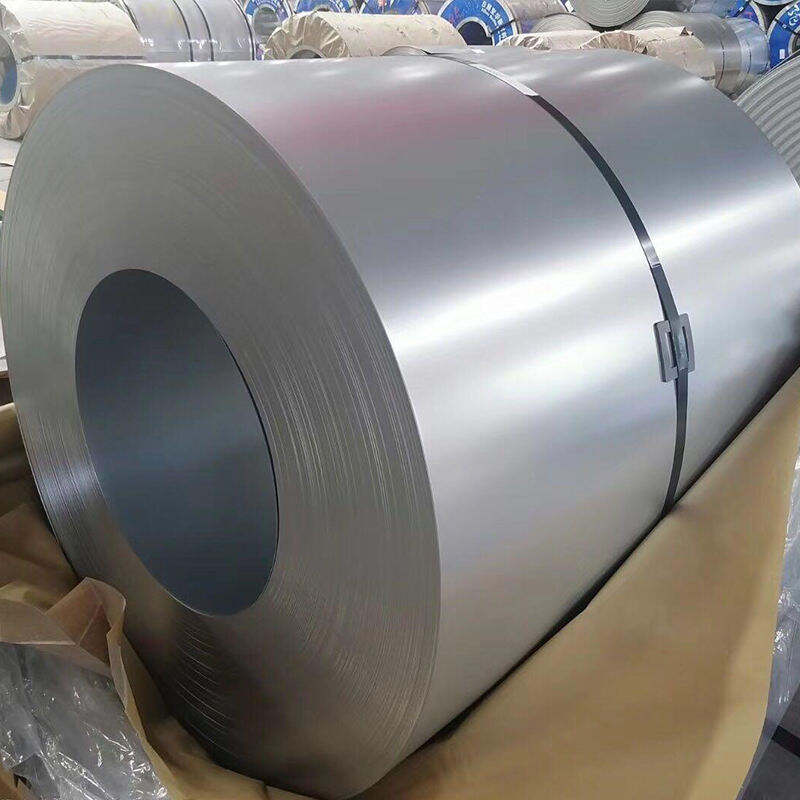
The construction industry has increasingly embraced aluminum coils as a versatile and durable material solution for numerous building applications. These lightweight yet robust metal sheets offer exceptional corrosion resistance, thermal conductivity, and aesthetic appeal that make them indispensable in modern construction projects. From roofing systems to exterior cladding, aluminum coils provide architects and contractors with reliable materials that combine functionality with visual sophistication.
Construction professionals recognize aluminum coils for their superior workability and long-term performance characteristics. The material's inherent properties enable efficient installation processes while delivering decades of maintenance-free service. Understanding the diverse applications of aluminum coils in construction helps stakeholders make informed decisions about material selection for their specific project requirements.
Roofing Applications and Weather Protection
Standing Seam Metal Roofing Systems
Standing seam metal roofing represents one of the most prominent applications for aluminum coils in commercial and residential construction. These systems utilize continuous aluminum panels that run from ridge to eave, creating vertical seams that interlock to form watertight barriers. The natural corrosion resistance of aluminum makes it particularly suitable for harsh weather conditions, including coastal environments where salt exposure would compromise other materials.
Professional roofers appreciate aluminum coils for their malleability during installation, allowing precise shaping around complex architectural features. The material's thermal expansion properties remain predictable across temperature variations, reducing stress-related failures that can occur with alternative roofing materials. Modern coating technologies applied to aluminum coils enhance weather resistance while providing extensive color options for architectural coordination.
Gutters and Drainage Components
Seamless gutter systems manufactured from aluminum coils offer superior longevity compared to traditional sectional alternatives. The continuous forming process eliminates potential leak points while maintaining consistent water flow characteristics. Aluminum's lightweight nature reduces structural loading on building fascia systems, enabling installation on structures where heavier materials would require additional reinforcement.
Downspouts, conductor heads, and related drainage components benefit from aluminum's corrosion resistance in moisture-rich environments. The material's ability to withstand freeze-thaw cycles without cracking makes it particularly valuable in regions experiencing seasonal temperature extremes. Custom fabrication capabilities allow contractors to create perfectly fitted drainage solutions for unique architectural configurations.
Exterior Cladding and Architectural Elements
Curtain Wall Systems
Modern curtain wall applications extensively utilize aluminum coils for their combination of structural integrity and aesthetic versatility. These non-load-bearing exterior walls depend on aluminum's strength-to-weight ratio to support glazing systems while minimizing overall building mass. The material's thermal properties contribute to energy-efficient building envelope performance when properly integrated with insulation systems.
Architects specify aluminum coils for curtain walls because of their dimensional stability under thermal cycling conditions. Advanced surface treatments provide decades of color retention and weather resistance, reducing long-term maintenance requirements. The material's compatibility with various joining methods enables complex geometric configurations that support innovative architectural expressions.
Siding and Panel Systems
Residential and commercial siding applications benefit from aluminum coils' ability to replicate traditional materials while offering superior durability. Pre-painted coil stock enables consistent color matching across large surface areas, eliminating the visual inconsistencies that can occur with field-applied finishes. The material's resistance to insect damage, rot, and warping provides long-term structural integrity.
Insulated metal panel systems incorporate aluminum coils as exterior facing materials over rigid foam cores, creating highly efficient building envelopes. These composite assemblies deliver exceptional thermal performance while maintaining the aesthetic appeal of traditional construction materials. Installation efficiency improves significantly compared to multi-component wall systems, reducing labor costs and construction schedules.
Interior Applications and Specialized Uses
HVAC Ductwork and Air Distribution
Heating, ventilation, and air conditioning systems frequently incorporate aluminum coils for ductwork fabrication due to the material's excellent thermal conductivity and corrosion resistance. Spiral ductwork formed from aluminum coils provides smooth interior surfaces that minimize air turbulence and pressure losses. The material's antimicrobial properties contribute to improved indoor air quality by resisting mold and bacterial growth.
Flexible ductwork applications utilize aluminum coils in laminated constructions that combine the metal's durability with insulation materials. These assemblies maintain structural integrity under positive and negative pressure conditions while providing thermal and acoustic isolation. Custom fabrication capabilities allow HVAC contractors to create precisely fitted ductwork for complex building geometries.
Ceiling and Soffit Systems
Architectural ceiling applications leverage aluminum coils' formability to create sophisticated visual effects while maintaining practical functionality. Perforated aluminum panels provide acoustic control in commercial spaces while offering design flexibility through various hole patterns and spacing configurations. The material's fire resistance characteristics meet stringent building code requirements for interior applications.
Soffit installations utilize aluminum coils to create ventilated enclosures that protect structural elements while maintaining air circulation. The material's resistance to moisture and temperature variations ensures long-term performance in these transitional building zones. Pre-finished surfaces eliminate the need for field painting, reducing installation time and ensuring consistent appearance.
Specialized Construction Applications
Flashing and Weatherproofing Details
Critical waterproofing applications rely on aluminum coils for their superior forming characteristics and corrosion resistance. Step flashing, through-wall flashing, and copings fabricated from aluminum provide long-lasting protection against water infiltration. The material's compatibility with various sealants and adhesives enables reliable connections with adjacent building components.
Expansion joint covers utilize aluminum coils to accommodate building movement while maintaining weather protection. The material's fatigue resistance under repeated stress cycling ensures reliable performance throughout the building's service life. Custom fabrication allows precise fitting around complex architectural details where standard components cannot provide adequate protection.
Electrical and Communication Enclosures
Outdoor electrical enclosures and communication equipment housings benefit from aluminum coils' electromagnetic shielding properties and weather resistance. The material's electrical conductivity provides effective grounding pathways while protecting sensitive equipment from environmental exposure. Formed enclosures maintain dimensional stability under thermal cycling, ensuring consistent equipment protection.
Conduit and cable tray systems fabricated from aluminum coils offer lightweight alternatives to steel components while maintaining structural performance. The material's corrosion resistance eliminates the need for protective coatings in most environments, reducing long-term maintenance requirements. Installation efficiency improves due to aluminum's reduced weight compared to ferrous alternatives.
Performance Advantages in Construction
Durability and Maintenance Benefits
Construction projects utilizing aluminum coils benefit from the material's exceptional longevity and minimal maintenance requirements. The natural oxide layer that forms on aluminum surfaces provides inherent corrosion protection that self-renews when damaged. This characteristic eliminates the periodic recoating cycles required with other metal building materials, reducing lifecycle costs significantly.
Thermal cycling resistance ensures dimensional stability across seasonal temperature variations, preventing the stress-related failures common with materials having different expansion coefficients. The material's resistance to ultraviolet degradation maintains both structural integrity and aesthetic appearance throughout extended service periods. Professional contractors recognize these benefits when specifying materials for long-term building performance.
Installation Efficiency and Cost Benefits
The lightweight nature of aluminum coils reduces transportation costs and enables single-person handling during installation processes. This characteristic particularly benefits high-rise construction where material hoisting represents significant cost factors. The material's workability allows field modifications without specialized equipment, improving installation flexibility on complex projects.
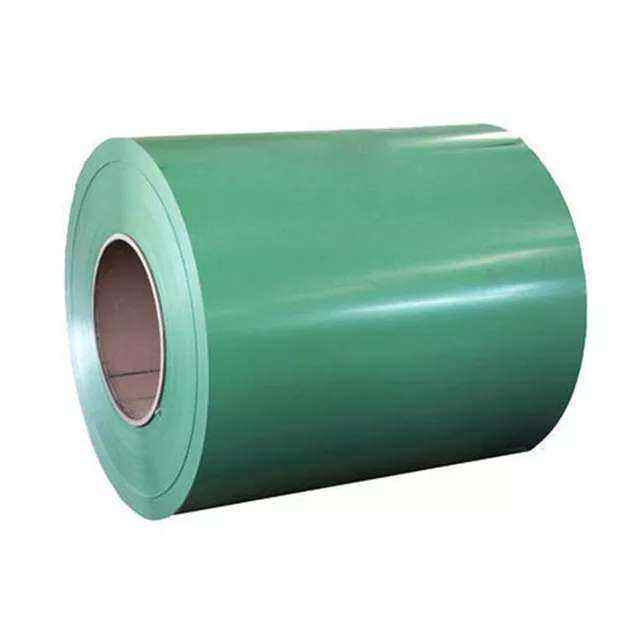
Pre-finished aluminum coils eliminate field painting requirements, reducing construction schedules and weather-dependent operations. Quality control improvements result from factory-applied finishes that provide consistent appearance and performance characteristics. These factors contribute to overall project cost reductions while improving construction quality and schedule reliability.
FAQ
What thickness options are available for construction-grade aluminum coils
Construction-grade aluminum coils typically range from 0.019 inches to 0.125 inches in thickness, with common specifications including 0.024, 0.032, 0.040, and 0.050 inches. Thicker materials provide increased structural strength for load-bearing applications, while thinner gauges offer enhanced formability for complex shapes. Selection depends on specific application requirements, local building codes, and structural loading conditions.
How do aluminum coils compare to steel for exterior building applications
Aluminum coils offer superior corrosion resistance compared to steel, eliminating the need for protective coatings in most environments. While steel provides higher strength-to-weight ratios, aluminum's natural weather resistance and thermal properties make it preferable for exterior applications. Aluminum's lighter weight reduces structural loading requirements, often offsetting higher material costs through reduced support system requirements.
What surface treatments are available for aluminum coils in construction
Common surface treatments include mill finish, anodized finishes, and various paint systems including polyester, fluoropolymer, and plastisol coatings. Each treatment provides specific performance characteristics for different environmental exposures and aesthetic requirements. Factory-applied finishes generally offer superior durability and appearance compared to field-applied alternatives, making them preferred for visible applications.
Can aluminum coils be recycled at the end of building life
Aluminum coils maintain their material properties through unlimited recycling cycles, making them environmentally sustainable building materials. The recycling process requires only five percent of the energy needed for primary aluminum production, providing significant environmental benefits. Most aluminum building components retain substantial value at end-of-life, often offsetting removal costs through scrap value recovery.