
 EN
EN




AISI 316 ប្រៀបធៀបនឹង ASTM 316 ដែកអ៊ីណុកស្លេល៖ ជាប់គុណ ស្តង់ដារ និងមគ្លីការណែនាំ
នៅពេលអ្នកទិញស្វែងរក AISI 316 ដែកអ៊ីណុកស្លេល ប្រៀបធៀបនឹង ASTM 316 ដែកអ៊ីណុកស្លេល សំណួរពិតប្រាកដមិនមែនគឺថា ឈ្មោះណាមួយ «ល្អជាង» ទេ។ ហានិភ័យពិតប្រាកដគឺការបញ្ជាទិញដែកអ៊ីណុកស្លេល 316 ដែលមានតែឈ្មោះជាប់គុណ ប៉ុន្តែគ្មានស្តង់ដារផលិតផលត្រឹមត្រូវ ការអត់ទទួលបានកំហាប់ ការបញ្ចប់ផ្ទៃ ឯកសារត្រួតពិនិត្យ ឬលក្ខខណ្ឌការបញ្ជូន។ AISI 316 សំដៅលើគ្រួសារជាប់គុណ។ ស្តង់ដារ ASTM ជួយកំណត់ពីរបៀបដែលផលិតផលប្រភេទជាក់ស្តែងមួយ ដូចជាប៉ោង សៀត ប៉ោង ប៉ោង ស្លាប់ ខ្សែ ឬគ្រឿងភ្លែង គួរតែត្រូវបានផ្តល់ និងត្រួតពិនិត្យ។
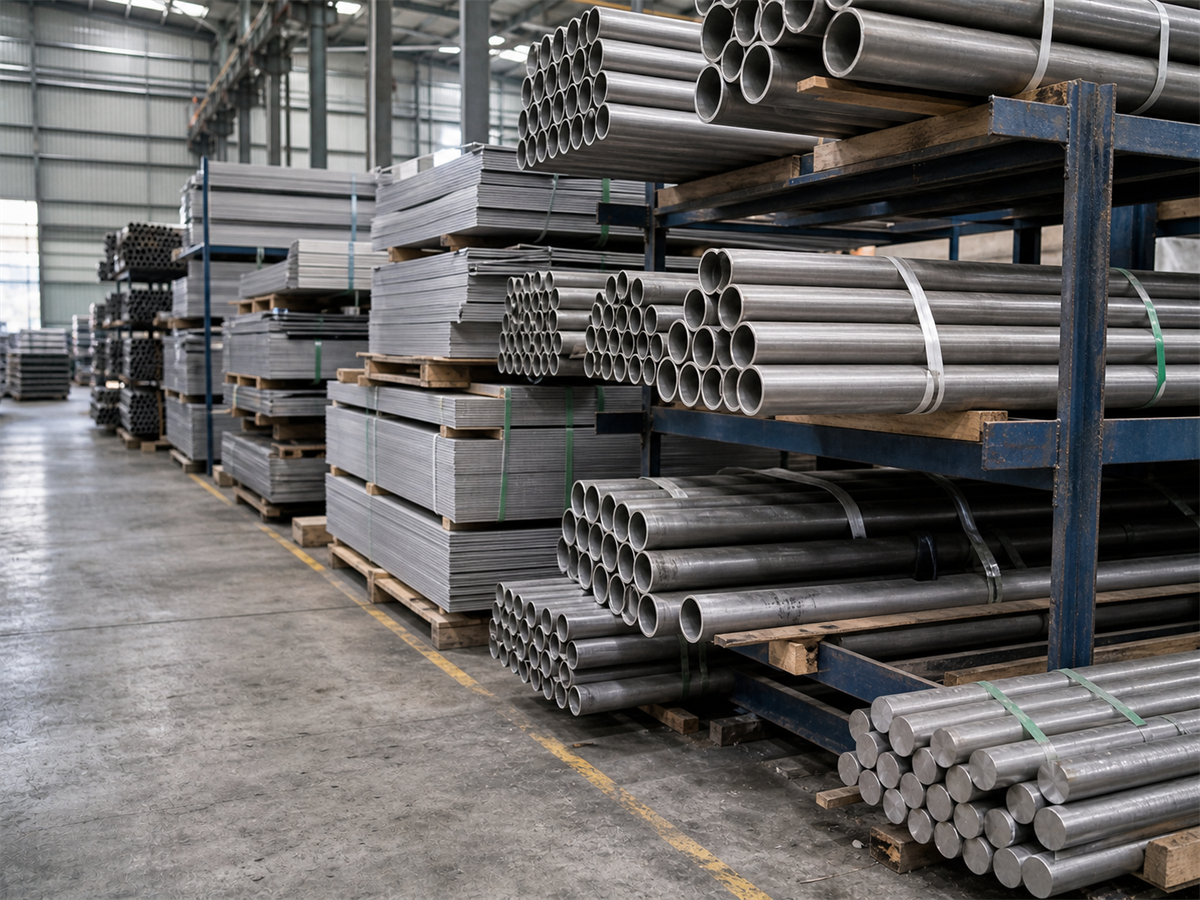
ចម្លើយរហ័ស
AISI 316 គឺជាការយោងដល់ថ្នាក់ទឹកក្តៅមិនរលួយ។ ASTM មិនមែនជាថ្នាក់ «316» តែមួយគត់ទេ។ វាជាអង្គការស្តង់ដារដែលមានស្តង់ដារផលិតផលជាក់លាក់។ ក្នុងភាសាទិញផលិតផល «ទឹកក្តៅមិនរលួយ ASTM 316» ជាទូទៅមានន័យថា ទឹកក្តៅមិនរលួយ 316 ដែលផ្តល់ជាមួយស្តង់ដារផលិតផល ASTM ដែលពាក់ព័ន្ធ។ ការបញ្ជាក់ច្បាស់លាស់គួរបញ្ជាក់ទាំងថ្នាក់ ដូចជា 316 ឬ 316L និងស្តង់ដារផលិតផលដែលអនុវត្ត។
ចំណុចធ្វើតេស្តដំបូង
- AISI 316 កំណត់ច្បាស់លាស់ថ្នាក់គ្រួសារទឹកក្តៅមិនរលួយ។
- ស្តង់ដារ ASTM កំណត់តម្រូវការផ្តល់ផលិតផល វិមាត្រ ការធ្វើតេស្ត និងឯកសារបញ្ជាក់។
- ស្តង់ដារ ASTM ត្រឹមត្រូវអាស្រ័យលើទម្រង់ផលិតផល ដូចជា សន្លឹក សន្លឹកបន្ទះ ប៉ៃពិន ប៉ៃពិនខ្សែ ដំបង ខ្សែ គ្រឿងភ្ជាប់ ឬផ្ទៃបើកចំហ។
- ការប៉ាន់ស្មានតម្លៃដែលមានតែ «ទឹកក្តៅមិនរលួយ 316» ប៉ុណ្ណោះ អាចមានភាពមិនច្បាស់លាស់ពេកសម្រាប់ការពិនិត្យឡើងវិញដោយវិស្វករ។
- អ្នកទិញគួរបញ្ជាក់ឱ្យបានច្បាស់អំពីថ្នាក់ ទម្រង់ផលិតផល វិមាត្រ កំហាប់ ការបញ្ចប់ផ្ទៃ ស្តង់ដារ និងតម្រូវការឯកសារបញ្ជាក់គុណភាព (MTC) ជាមួយគ្នា។
ទឹកក្តៅមិនរលួយ AISI 316 មានន័យដូចម្តេច?
AISI ជាប្រព័ន្ធទូទៅដែលប្រើសម្រាប់ដាក់ឈ្មោះថ្នាក់ស្ពាន់អ៊ីណុកស្តេល។ ក្នុងការសន្ទនាអំពីការទិញ ការបញ្ជាក់ AISI 316 ប្រាប់អ្នកទិញថា វត្ថុធាតុនេះស្ថិតក្នុងគ្រួសារស្ពាន់អ៊ីណុកស្តេល 316។
ស្ពាន់អ៊ីណុកស្តេល 316 ជាញឹកញាប់ត្រូវបានគេពិចារណាជាមួយនឹងការទិញ នៅពេលដែលអ្នកទិញត្រូវការភាពធន់ទ្បើងសាក់ល្អជាងស្ពាន់អ៊ីណុកស្តេល 304 ធម្មតា។ វាអាចត្រូវបានប្រើសម្រាប់ឧបករណ៍គីមី ផ្នែកទាក់ទងនឹងសមុទ្រ ឧបករណ៍ដំណាំអាហារ ប៉ៃព្លាស្ទិកឧស្សាហកម្ម ស្លាក ឧបករណ៍ផ្លាស់ប្តូរកំដៅ និងផ្នែកដែលបានផលិត។ អ្នកទិញដែលប្រៀបធៀបជម្រើសដែលមាន ម៉ែត្រថាតិដែលមិនបំផុត គួរតែពិនិត្យឡើងវិញនូវបរិស្ថានសេវាកម្មចុងក្រោយ និងសេចក្តីបញ្ជាក់គម្រោងមុននឹងបញ្ជាក់ថ្នាក់។
សម្រាប់ការទិញ ការបញ្ជាក់ "AISI 316" តែប៉ុណ្ណោះ ជាទូទៅមិនគ្រប់គ្រាន់ទេ។ អ្នកទិញនៅតែត្រូវបញ្ជាក់ទម្រង់ផលិតផល ទំហំ កំហុសអត្ថាធិប្បាយ ការបញ្ចប់ផ្ទៃ លក្ខខណ្ឌការដឹកជញ្ជូន ស្តង់ដារដែលអាចអនុវត្តបាន និងឯកសារត្រួតពិនិត្យ។
ASTM 316 ស្ពាន់អ៊ីណុកស្តេល មានន័យយ៉ាងដូចម្តេច?
អ្នកទិញជាច្រើនប្រើ «ស្តេលអ៊ីណុកស៊ីដប្រភេទ ASTM 316» ជាការសរសេរសង្ខេបសម្រាប់ស្តេលអ៊ីណុកស៊ីដប្រភេទ 316 ដែលផ្គត់ផ្គង់តាមស្តង់ដារ ASTM។ ការប្រើពាក្យនេះគឺធម្មតា ប៉ុន្តែវាអាចលាក់ព័ត៌មានសំខាន់មួយ៖ ស្តង់ដារផលិតផល ASTM ជាក់លាក់នៅតែត្រូវបានបញ្ជាក់ឱ្យច្បាស់។
ស្តង់ដារ ASTM គឺជាស្តង់ដារផលិតផល និងស្តង់ដារសាកល្បង។ ស្តង់ដារសម្រាប់ស្តេលអ៊ីណុកស៊ីដប្រភេទ 316 ក្នុងទម្រង់សំបក (plate) ប្រហែលជាមិនដូចគ្នានឹងស្តង់ដារសម្រាប់ប៉ៃពែលគ្មានសេះ (seamless pipe) ប៉ៃពែលដែលបានភ្ជាប់ (welded pipe) ប៉ៃពែល (tube) ដែករាងវែង (bar) ខ្សែដែក (wire) គ្រឿងភ្ជាប់ (fitting) ឬផ្ទៃភ្ជាប់ (flange)។ ប្រសិនបើគំនូរ ឬឯកសារគម្រោងបញ្ជាក់ស្តង់ដារណាមួយ អ្នកទិញគួរធ្វើតាមឯកសារនោះ ជាជាងប្រើពាក្យសរសេរសង្ខេបទូទៅ។
នៅក្នុងភាសាសាមញ្ញ ស្តង់ដារ AISI ជួយកំណត់ឈ្មោះប្រភេទស្តេល ខណះដែលស្តង់ដារ ASTM ជួយកំណត់ច្បាប់ស្តីពីការផ្គត់ផ្គង់ និងការត្រួតពិនិត្យសម្រាប់ទម្រង់ផលិតផលជាក់លាក់មួយ។
ភាពខុសគ្នាសំខាន់រវាង AISI 316 និង ASTM 316
| សំណួររបស់អ្នកទិញ | AISI 316 | ការប្រើពាក្យ ASTM 316 |
|---|---|---|
| វាបញ្ជាក់អ្វីជាចម្បង? | គ្រួសារប្រភេទស្តេលអ៊ីណុកស៊ីដ | ជាទូទៅ ជាការសរសេរសង្ខេបរបស់អ្នកទិញសម្រាប់ស្តេលអ៊ីណុកស៊ីដប្រភេទ 316 ដែលផ្គត់ផ្គង់តាមស្តង់ដារ ASTM |
| តើវាគ្រប់គ្រាន់សម្រាប់ការបញ្ជាទិញដែរឬទេ? | ជាទូទៅមិនបាន | ជាទូទៅ ទេ លើកលែងតែបានបញ្ជាក់ឱ្យច្បាស់នូវស្តង់ដារផលិតផល ASTM ដែលពិតប្រាកដ |
| តើអ្វីដែលនៅសល់ត្រូវបានបញ្ជាក់? | ទម្រង់ផលិតផល ទំហំ កំហុសអតិបរមា ផ្ទៃបាញ់ ឯកសារ និងការប្រើប្រាស់ | ស្តង់ដារពិតប្រាកដ ទម្រង់ផលិតផល វិមាត្រ ការធ្វើតេស្ត ឯកសារ និងលក្ខខណ្ឌនៃការដឹកជញ្ជូន |
| ហានិភ័យសំខាន់របស់អ្នកទិញ | បានបញ្ជាក់ថ្នាក់ ប៉ុន្តែស្តង់ដារផ្គត់ផ្គង់មិនច្បាស់លាស់ | បានបញ្ជាក់ ASTM ប៉ុន្តែស្តង់ដារផលិតផលខាន់ៗខាន់ |
ហេតុអ្វីបានជាអ្នកទិញមិនគួរចាត់ទុកពួកវាជាជំនួសដោយផ្ទាល់
AISI 316 និងតម្រូវការ ASTM ឆ្លើយតបទៅនឹងសំណួរផ្សេងៗគ្នា។ AISI 316 ជួយកំណត់ថ្នាក់។ តម្រូវការ ASTM ជួយកំណត់ពីរបៀបដែលថ្នាក់នេះត្រូវបានផ្គត់ផ្គង់ ធ្វើតេស្ត ត្រួតពិនិត្យ និងប៉ាន់បាល់សម្រាប់ទម្រង់ផលិតផលជាក់ស្តែងមួយ។
ប្រសិនបើគំនូរមួយទាមទារប៉ៃពិន 316 ដែលធ្វើពីស្សេលអ៊ីណុកស្លេត តាមស្តង់ដារ ASTM ជាក់លាក់មួយ ការប៉ាន់ស្មានតម្លៃដែលគ្រាន់តែបញ្ជាក់ថា «ប៉ៃពិន AISI 316» ប្រហែលជាមិនឆ្លើយតបទៅនឹងតម្រូវការទាំងអស់នោះទេ។ អ្នកទិញគួរសួរអ្នកផ្គត់ផ្គង់ឱ្យបញ្ជាក់ស្តង់ដារ កម្រាស់ជញ្ជាំង កំហុសអត្ថាធិប្បាយ លក្ខណៈផ្ទៃ លក្ខណៈនៃការដឹកជញ្ជូន និងវិញ្ញាបនប័ត្រសាកល្បងរបស់រោងចក្រ។
រឿងនេះមានសារៈសំខាន់នៅពេលប្រៀបធៀបការប៉ាន់ស្មានតម្លៃ។ អ្នកផ្គត់ផ្គង់ពីរនាក់អាចប៉ាន់ស្មានតម្លៃស្សេលអ៊ីណុកស្លេត 316 ដូចគ្នា ប៉ុន្តែអ្នកផ្គត់ផ្គង់ម្នាក់អាចប៉ាន់ស្មានតម្លៃដែលមានស្តង់ដារផលិតផល កំហុសអត្ថាធិប្បាយ លក្ខណៈផ្ទៃ ឬកញ្ចក់ឯកសារខុសគ្នា។
តារាងយោងអំពីថ្នាក់ស្សេលអ៊ីណុកស្លេត 316 និង 316L
អ្នកទិញជាញឹកញាប់ប្រៀបធៀបថ្នាក់ 316 និង 316L ជាមួយគ្នាក្នុងពេលតែមួយ។ តារាងខាងក្រោមគឺជាតារាងយោងថ្នាក់ដែលមានប្រយោជន៍សម្រាប់ការទំនាក់ទំនងក្នុងការទិញ។ សម្រាប់ការទិញសម្រាប់គម្រោង អ្នកទិញក៏អាចពិនិត្យមើលផងដែរ ស្សេលអ៊ីណុកស្លេត 316 សម្រាប់គម្រោងវិស្វកម្ម ដើម្បីសម្របតាមតម្រូវការថ្នាក់ ទម្រង់ និងការប្រើប្រាស់។
| ធាតុ | ថាមពល 316 | 316l stainless steel |
|---|---|---|
| ឈ្មោះថ្នាក់ធម្មតា | 316 | ស្បែកជើង |
| លេខ UNS | S31600 | S31603 |
| យោងតាមស្តង់ដារ EN | 1.4401 | 1.4404 |
| ប្រភេទធាតុ | ដែកអ៊ីណុកប្រភេទអូស្តេនីតិច | ស្សេលអ៊ីណុកស្លេតអូស្តេណីតដែលមានកាបូនទាប |
| បញ្ហាដែលអ្នកទិញជាញឹកញាប់ពិបាកចិត្ត | ផ្នែក និងសំណាកឧស្សាហកម្មទូទៅដែលធន់នឹងការឆ្លាក់ | រចនាសម្ព័ន្ធដែលបានភ្ជាប់ដោយវិធីប៉ះគ្នាឬគម្រោងដែលតម្រូវឱ្យមានកាបូនទាប |
| កំណត់ចំណាំសម្រាប់ការទិញ | បញ្ជាក់ស្តង់ដារផលិតផល និង MTC មុនពេលអនុម័ត | កុំជំនួស 316L ដោយ 316 លើកលែងតែគម្រោងអនុញ្ញាត |
ទម្រង់ផលិតផលមានសារៈសំខាន់
ស្តេនលេស 316 អាចផ្តល់ជាទម្រង់ផលិតផលជាច្រើន។ ស្តង់ដារដែលត្រូវការគួរតែសមស្របនឹងទម្រង់ លក្ខខណ្ឌសេវាកម្ម និងឯកសារគម្រោង។
- សន្ទះ និងផ្ទៃរាបស្មើ;
- គូល និងរបារ;
- ប៉ៃពិនទេស៊ីល ឬប៉ៃពិនដែលបានភ្ជាប់ដោយវិធីប៉ះគ្នា;
- ប៉ាក់;
- ដែករាងមូល ដែករាងផ្ទៃរាបស្មើ និងដែករាងដេរ;
- ខ្សែ;
- គ្រឿងភ្ជាប់ប៉ាក់ គ្រឿងភ្ជាប់ប៉ោង និងគ្រឿងផ្សំដែលបានធ្វើឡើងដោយការប៉ោះ;
រាល់ទម្រង់នីមួយៗអាចមានស្តង់ដារ ASTM, ASME, EN, JIS ឬ GB/T ផ្សេងៗគ្នា។ អ្នកទិញមិនគួរចំណាយស្តង់ដារមួយពីទម្រង់ផលិតផលមួយទៅទម្រង់ផលិតផលផ្សេងទៀតដោយគ្មានការពិនិត្យលើស្តង់ដារគម្រោងទេ។
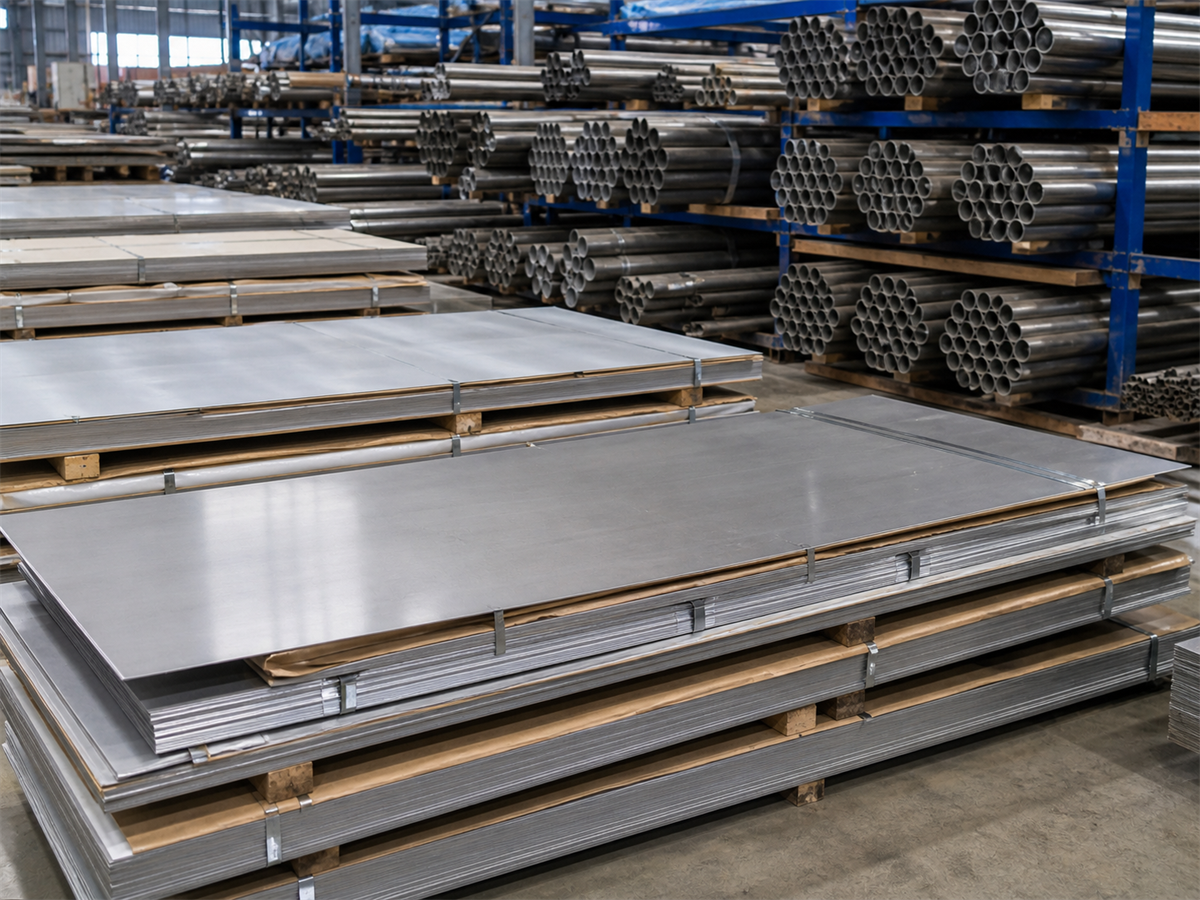
ស្តង់ដារ ASTM ទូទៅដែលអ្នកទិញគួរផ្គូផ្គងជាមួយទម្រង់ផលិតផល
ស្តង់ដារដែលមានភាពរឹងមាំមិនគួរឈប់នៅតែ “ដែកអ៊ីណុកស្តេន 316” ប៉ុណ្ណោះទេ។ វាគួរតែភ្ជាប់ថ្នាក់ដែកទៅនឹងទម្រង់ផលិតផល និងស្តង់ដារដែលអាចអនុវត្តបាន។ ឧទាហរណ៍ ស្តង់ដារ ASTM A240 ជាទូទៅត្រូវបានពិនិត្យសម្រាប់ ផ្ទៃរាបស្មើ និងសៀតដែកអ៊ីណុកស្តេន , ខណៈដែលស្តង់ដារ ASTM A312 ជាទូទៅត្រូវបានពិនិត្យសម្រាប់ ប៉ះង់ និងប៉ះង់ប៉ោងធ្វើពីស្សេលស្តែល អ្នកទិញគួរតែធ្វើការផ្ទៀងផ្ទាត់សេចក្តីបញ្ជាក់គម្រោង និងវិញ្ញាបនប័ត្រគុណភាព (MTC) របស់អ្នកផ្គត់ផ្គង់មុនពេលអនុម័ត។
| រូបរាងផលិតภัณฑ์ | ស្តង់ដារ ASTM ទូទៅដែលត្រូវពិនិត្យ | កំណត់សម្គាល់សម្រាប់អ្នកទិញ |
|---|---|---|
| សន្ទះ សន្ទះប៉ាក់ និងរបារស្តេនលេសស 316 | ASTM A240/A240M | ជាទូទៅត្រូវបានពិនិត្យសម្រាប់សន្ទះ សន្ទះប៉ាក់ និងរបារស្តេនលេសស 316 សម្រាប់ប្រើប្រាស់ក្នុងធុងសម្ពាធ និងការប្រើប្រាស់ទូទៅ។ |
| ប៉ាઇប៍ស្តេនលេសស 316 ដែលមិនមានសារធាតុភ្ជាប់ ឬមានសារធាតុភ្ជាប់ | ASTM A312/A312M | ជាទូទៅត្រូវបានពិនិត្យសម្រាប់ប៉ាઇប៍ស្តេនលេសសអ៊ុស្តេណីត ដែលមិនមានសារធាតុភ្ជាប់ មានសារធាតុភ្ជាប់ និងត្រូវបានធ្វើការប៉ះទង្គិលត្រជាក់យ៉ាងខ្លាំង។ |
| ទូកស្តែចលេស 316 | ស្តង់ដារប៉ាઇប៍ត្រូវបានកំណត់តាមប្រភេទជញ្ជាំង លក្ខខណ្ឌប្រើប្រាស់ សីតុណ្ហភាព សម្ពាធ និងសេចក្តីបញ្ជាក់គម្រោង ដែលអាចជា ASTM A269/A269M ឬ ASTM A213/A213M។ | ស្តង់ដារប៉ាઇប៍អាស្រ័យលើប្រភេទជញ្ជាំង លក្ខខណ្ឌប្រើប្រាស់ សីតុណ្ហភាព សម្ពាធ និងសេចក្តីបញ្ជាក់គម្រោង។ |
| ប៉ាក់ដែកអ៊ីណុកស្លាប់ 316 ដែលត្រូវបានភ្ជាប់ដោយវិធីប៉ះគ្នាដោយការរលាក | ASTM A554 | ជាញឹកញាប់ប្រើសម្រាប់ប៉ាក់ដែកអ៊ីណុកស្លាប់ 316 ដែលត្រូវបានភ្ជាប់ដោយវិធីប៉ះគ្នាដោយការរលាក ប៉ុន្តែអ្នកទិញគួរបញ្ជាក់ថាតើវាសមស្របសម្រាប់ការប្រើប្រាស់ដែលគេបានគ្រោងទុកឬអត់។ |
| ដែកអ៊ីណុកស្លាប់ 316 និងរាងផ្សេងៗ | ASTM A276/A276M | ជាញឹកញាប់ត្រូវបានពិនិត្យសម្រាប់ដែកអ៊ីណុកស្លាប់ 316 ដែលត្រូវបានរលាកឬបានរំលាកដោយការត្រជាក់។ |
| ខ្សែដែកអ៊ីណុកស្លាប់ 316 | ASTM A580/A580M | ជាញឹកញាប់ត្រូវបានពិនិត្យសម្រាប់តម្រូវការខ្សែដែកអ៊ីណុកស្លាប់។ គួរបញ្ជាក់អំពីប្រវែងផ្ទៃក្រៅ ស្ថានភាព និងការអត់ទេ។ |
| គ្រឿងភ្ជាប់ប៉ាក់ដែកអ៊ីណុកស្លាប់ 316 | ASTM A403/A403M | ជាញឹកញាប់ត្រូវបានពិនិត្យសម្រាប់គ្រឿងភ្ជាប់ប៉ៃយិនស្តេលអុស្តេណីទិកដែលបានធ្វើឡើងដោយការរំលាក់។ |
| ផ្ទៃប៉ៃយិនស្តេល 316 និងគ្រឿងភ្ជាប់ដែលបានធ្វើឡើងដោយការរំលាក់ | ASTM A182/A182M | ជាញឹកញាប់ត្រូវបានពិនិត្យសម្រាប់ផ្ទៃប៉ៃយិនស្តេល និងផ្ទៃប៉ៃយិនស្តេលអ៊ីណុកដែលបានធ្វើឡើងដោយការរំលាក់ ឬការរីកចម្រើន គ្រឿងភ្ជាប់ដែលបានធ្វើឡើងដោយការរំលាក់ ម៉ាស៊ីនបើកបរ និងផ្នែកផ្សេងៗ។ |
នេះគឺជាកន្លែងដែលការប្រៀបធៀបការប៉ាន់ស្មានជាច្រើនក្លាយទៅជាមិនច្បាស់លាស់។ អ្នកផ្គត់ផ្គង់អាចប៉ាន់ស្មានថាបានប្រើកម្រិតត្រឹមត្រូវ ប៉ុន្តែស្តង់ដារផលិតផលមិនត្រឹមត្រូវ ឬអ្នកទិញអាចស្នើសុំស្តង់ដារមួយដែលមិនសមស្របនឹងទម្រង់ផលិតផល។ ផ្លូវដែលមានសុវត្ថិភាពជាងគឺ ផ្ញើកម្រិត ទម្រង់ផលិតផល វិមាត្រ ការអត់ទេស ស្តង់ដារ តម្រូវការ MTC និងការប្រើប្រាស់ទាំងអស់ជាមួយគ្នា។
316 ប្រៀបធៀបនឹង 316L ប្រៀបធៀបនឹង 304៖ ការប្រៀបធៀបរបស់អ្នកទិញដែលទាក់ទងគ្នា
អ្នកទិញជាច្រើនដែលស្វែងរកស្តេលអ៊ីណុក AISI 316 ប្រៀបធៀបនឹងស្តេលអ៊ីណុក ASTM 316 ក៏កំពុងប្រៀបធៀប 316, 316L និង 304 ផងដែរ។ ទាំងនេះគឺជាបញ្ហាដែលទាក់ទងគ្នា ប៉ុន្តែមិនមែនជាការសម្រេចចិត្តតែមួយដែរ។
| ការប្រៀបធៀប | អ្វីដែលអ្នកទិញជាទូទៅត្រូវដឹង | ហានិភ័យនៃការបញ្ជាក់ |
|---|---|---|
| 316 ប្រៀបធៀបនឹង 304 | 316 ជាជាតិដែលត្រូវបានគេចាត់ទុកជាទូទៅថា មានសាមាធ្យាល័យការទប់ទល់នឹងការឆ្លាក់ខ្ពស់ជាង 304 ធម្មតា ជាពិសេសនៅក្នុងបរិស្ថានដែលទាមទារខ្ពស់។ | កុំជំនួស 316 ដោយ 304 ដោយគ្មានការអនុញ្ញាតពីវិស្វករ ឬគម្រោង។ |
| 316 ប្រៀបធៀបនឹង 316L | 316L គឺជាប៉ារ៉ាម៉ែត្រកាបូនទាប ដែលត្រូវបានគេចាត់ទុកជាទូទៅសម្រាប់ការភ្ជាប់ ឬនៅពេលដែលស្តង់ដារទាមទារវា។ | កុំផ្លាស់ប្តូររវាង 316 និង 316L គ្រាន់តែដោយសារតែមួយក្នុងចំណោមពីរនេះងាយស្រួលរកបានជាង។ |
| AISI 316 ប្រៀបធៀបនឹងតម្រូវការ ASTM | AISI ជួយដាក់ឈ្មោះគ្រួសារកម្រិត; ASTM ជួយកំណត់តម្រូវការផ្គត់ផ្គង់ និងការត្រួតពិនិត្យជាក់លាក់សម្រាប់ផលិតផល។ | កុំចាត់ទុកស្លាកកម្រិតជាស្តង់ដារទិញពេញលេញ។ |
ប្លុកផ្ទៀងផ្ទាត់បច្ចេកទេសសម្រាប់ស្ពាន់ស្សលស្ឋែល 316
សម្រាប់ការពិនិត្យឡើងវិញផ្នែកវិស្វកម្ម និងការទិញ អ្នកទិញគួរសួរអ្នកផ្គត់ផ្គង់ឱ្យបញ្ជាក់អំពីធាតុទាំងនេះជំនួសអំពីការពឹងផ្អែកតែលើឈ្មោះថ្នាក់
| ធាតុបច្ចេកទេស | អ្វីដែលត្រូវបញ្ជាក់ | ហេតុអ្វីដែលវាជាំពូកែ |
|---|---|---|
| សមាមាត្រគីមី | បញ្ជាក់តាមស្តង់ដារ ASTM, EN, JIS, GB/T ឬស្តង់ដារគម្រោង និង MTC ដែលអាចអនុវត្តបាន | 316 ជាផ្នែកនៃគ្រួសារដែកអ៊ីណុកក្រូម៉ូលីញ៉ូម-និកែល-ម៉ូលីបដេន ប៉ុន្តែដែនកំណត់ជាក់លាក់ត្រូវយកពីស្តង់ដារ និងវិញ្ញាបនបត្រ |
| លក្ខណៈម៉ែស៊ីន | បញ្ជាក់កម្លាំងទាញ កម្លាំងទប់ ការយឺត ភាពរឹង ឬតម្លៃដទៃទៀតតាមស្តង់ដារដែលអាចអនុវត្តបាន | តម្រូវការអាចផ្លាស់ប្តូរតាមទម្រង់ផលិតផល ទំហំ ការព្យាបាលកំដៅ និងស្តង់ដារ |
| បរិស្ថានប៉ះពាល់ដោយសារការរលួយ | បញ្ជាក់ការប៉ះពាល់នឹងក្លរីត សីតុណ្ហភាព គីមីសម្អាត ការប៉ះពាល់ខាងក្រៅ ឬក្នុងសមុទ្រ និងការប៉ះពាល់ជាមួយលោហធាតុផ្សេងៗ | 316 អាចត្រូវបានជ្រើសរើសសម្រាប់ភាពធន់ទ្រាំនឹងការរលួយកាន់តែប្រសើរ ប៉ុន្តែគ្មានថ្នាក់ដែកអ៊ីណុកណាមួយធន់ទ្រាំនឹងការរលួយបានទាំងស្រុងទេ។ សម្រាប់បរិស្ថានដែលតម្រូវការខ្ពស់ជាងនេះ អ្នកទិញក៏អាចប្រៀបធៀប ដែកអ៊ីណុកធន់ទ្រាំនឹងការរលួយ និងកំដៅ ជម្រើសដោយផ្អែកលើការអនុម័តផ្នែកវិស្វកម្ម |
| លក្ខខណ្ឌផ្ទៃនិងការដឹកជញ្ជូន | បញ្ជាក់លក្ខខណ្ឌដែលត្រូវការ ដូចជា No.1, 2B, BA, ប៉ះប៉ោះ, ប៉ុលីស, ប៉ាក់, អាណេល, ឬលក្ខខណ្ឌផ្សេងទៀតដែលត្រូវការ។ | លក្ខខណ្ឌផ្ទៃមានឥទ្ធិពលលើរូបរាង ការផលិត ការសម្អាត និងការទទួលយក។ |
| ឯកសារត្រួតពិនិត្យ | បញ្ជាក់ MTC, លេខកូដការផ្តល់គុណភាព (heat number traceability), PMI ប្រសិនបើត្រូវការ និងការត្រួតពិនិត្យដោយភាគីទីបី ប្រសិនបើចាំបាច់។ | ឯកសារជាញឹកញាប់កំណត់ថាតើវត្ថុធាតុអាចឆ្លងកាត់ការអនុម័តគម្រោងបានឬអត់។ |
របៀបបញ្ជាក់ស្តេលស្តេនលេខ 316 នៅក្នុង RFQ
RFQ ដែលមានប្រសិទ្ធភាពគួរតែភ្ជាប់កម្រិតជាមួយទម្រង់ផលិតផលដែលត្រូវការ វិមាត្រ កំហាប់ ការបញ្ចប់ ឯកសារត្រួតពិនិត្យ និងស្តង់ដារដែលអាចអនុវត្តបាន។ នេះជួយឱ្យអ្នកផ្គត់ផ្គង់បញ្ជាក់តម្លៃតាមតម្រូវការដូចគ្នា ហើយជួយឱ្យអ្នកទិញប្រៀបធៀបការប្រកើនតម្លៃបានយុត្តិធម៌ជាងមុន។
| ធាតុសំណើសុំតម្លៃ (RFQ Item) | ឧទាហរណ៍នៃការបញ្ជាក់ | ហេតុអ្វីបានជាវាជួយ |
|---|---|---|
| កម្រិត | ស្តេលស្តេនលេខ 316 ឬ 316L | បញ្ជាក់ថា តើអ្នកទិញត្រូវការស្តង់ដារ 316 ធម្មតា ឬ 316L ដែលមានកាបូនទាប |
| រូបរាងផលិតภัณฑ์ | ផ្ទៃរាបស្មើ សៀត គូល ប៉ៃពិស្តិក ប៉ៃពិស្តិកដែលបានភ្ជាប់ ប៉ៃពិស្តិក ដែលមានរាងជាដំបែក ដែលមានរាងជាស្ទើង ខ្សែ ផ្នែកភ្ជាប់ ឬ ផ្នែកចង | ជួយសម្របសម្រួលស្តង់ដារផលិតផល និងផ្លូវផលិតកម្មដែលត្រឹមត្រូវ |
| ស្តង់ដារ | ASTM A240, ASTM A312, ASTM A276, ASTM A269 ឬ ស្តង់ដារផ្សេងទៀតដែលត្រូវការ | បង្ការការភាន់ច្រឡំរវាងការហៅកម្រិត និងតម្រូវការផ្គត់ផ្គង់ផលិតផល |
| អង្គភាព | កម្រាស់ ទទឹង ប្រវែង ប្រវែងខាងក្រៅ កម្រាស់ជញ្ជាំង ឬ ប្រវែង | អនុញ្ញាតឱ្យអ្នកផ្គត់ផ្គង់ពិនិត្យស្តុក ការកាត់ ការអត់ធានា និងការវ៉ែក |
| ការបញ្ចូលផ្ទៃ | No.1, 2B, BA, ប៉ះប៉ែត, ប៉ះប៉ែតប៉ូលីស, ប៉ះប៉ែតដែលបានឆ្លាក់ ឬ ប៉ះប៉ែតដែលបានប៉ះប៉ែត | ប៉ះពាល់ដល់រូបរាង ការផលិត សមត្ថភាពទប់ទល់នឹងការឆ្លាក់ និងការទទួលយក |
| ឯកសារ | MTC, លេខកំដែលក្តៅ, PMI, ការត្រួតពិនិត្យដោយភាគីទីបី ឬ ឯកសារផ្សេងទៀត | គាំទ្រការអនុម័តវិស្វកម្ម ការតាមដាន និងភាពឆបគ្នានៃគម្រោង។ |
ឧទាហរណ៍ ការបញ្ជាក់ «សន្លឹកស្សេលអ៊ីណុក 316» មិនច្បាស់លាស់ប៉ុណ្ណោះទេ បើធៀបនឹង «សន្លឹកស្សេលអ៊ីណុក 316L ស្តង់ដារ ASTM A240 កម្រាស់ 6 មម ផ្ទៃបានបញ្ចប់លេខ ១ រួមទាំងឯកសារបញ្ជាក់គុណភាព (MTC) និងលេខកូដការផលិត (heat number) ដែលអាចតាមដានបាន»។ ការបញ្ជាក់ទីពីរនេះផ្តល់ជាមូលដ្ឋានច្បាស់លាស់ជាងដល់ទាំងអ្នកទិញ និងអ្នកផ្គត់ផ្គង់សម្រាប់ការប៉ាន់ស្មានតម្លៃ។ ប្រសិនបើត្រូវការសន្លឹកឬរបារស្សេលអ៊ីណុក អ្នកទិញក៏អាចពិនិត្យមើលជម្រើសដែល មានស្រាប់នៃសន្លឹក និងរបារស្សេលអ៊ីណុក មុនពេលផ្ញើសំណើសុំការប៉ាន់ស្មានតម្លៃចុងក្រាយ (RFQ)។
ស្តង់ដារ និងធនធានដែលទាក់ទងនឹងស្សេលអ៊ីណុក
សម្រាប់ការពិនិត្យស្តង់ដារ អ្នកទិញអាចពិនិត្យទំព័រផ្លូវការ ASTM សម្រាប់ ASTM A240/A240M , ASTM A312/A312M , ASTM A276/A276M , និង ASTM A269/A269M ។ យោងទាំងនេះជួយបញ្ជាក់ពីវិសាលភាពនៃស្តង់ដារនីមួយៗ ប៉ុន្តែលក្ខខណ្ឌគម្រោង និងកំណែស្តង់ដារដែលបានទិញគឺជាអ្វីដែលគ្រប់គ្រងលើការបញ្ជាទិញចុងក្រាយ។
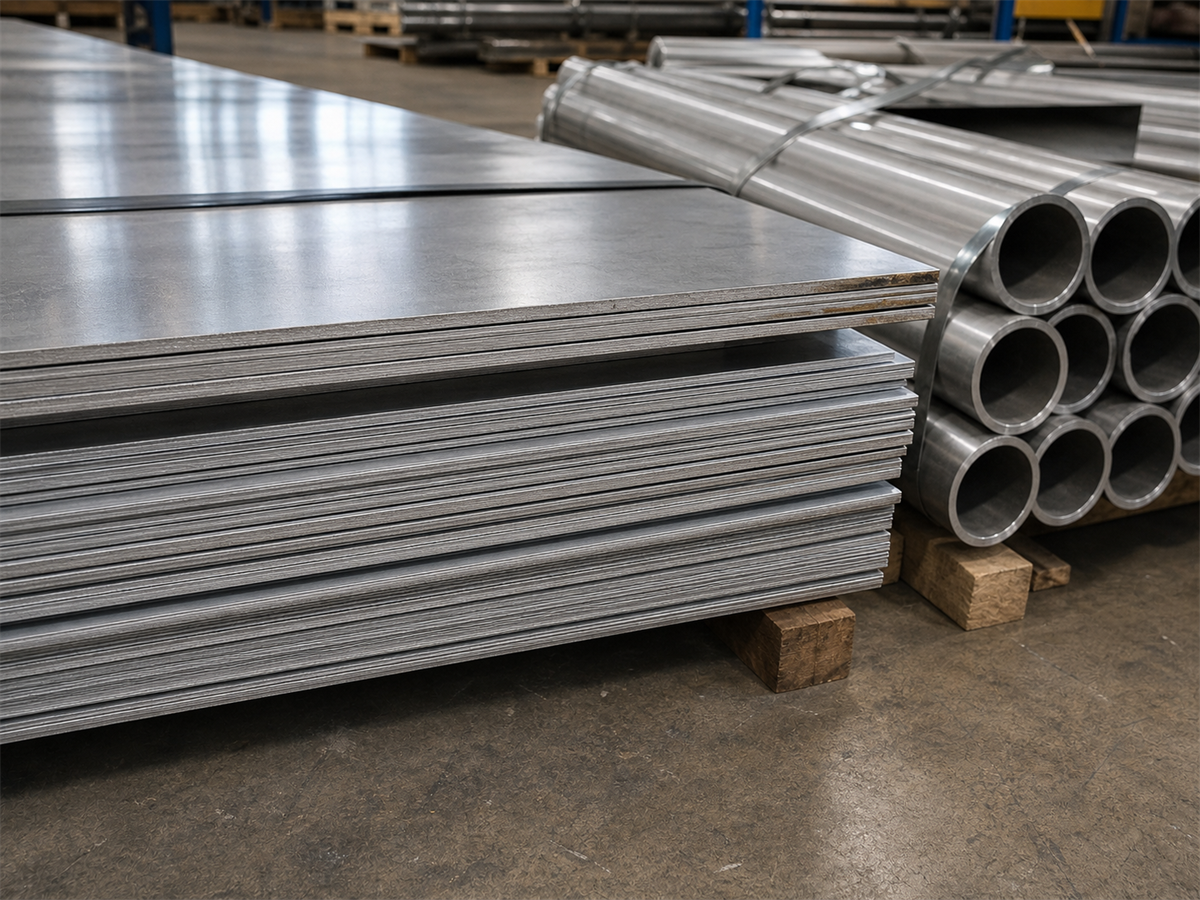
បញ្ជីត្រួតពិនិត្យលក្ខណៈបច្ចេកទេសមុនពេលសុំការប៉ាន់ស្មានតម្លៃ
មុនពេលផ្ញើសំណួរ សូមរៀបចំព័ត៌មានទាំងនេះ៖
- កម្រិតគុណភាព៖ 316 ឬ 316L ប្រសិនបានទាមទារ;
- ទម្រង់ផលិតផល៖ សន្លឹក ផ្ទៃ គូល ប៉ៃព្យ ប៉ៃព្យប៉ែត ដំបៅ ខ្សែ គ្រឿងភ្ជាប់ ឬផ្ទៃភ្ជាប់;
- ទំហំ៖ កម្រាស់ ទទឹង ប្រវែង ប្រអប់ខាងក្រៅ កម្រាស់ជញ្ជាំង ឬប្រអប់ដំបៅ;
- តម្រូវការអំពីការអត់ទេស;
- ស្ថានភាពផ្ទៃ ឬលក្ខខណ្ឌនៃការដឹកជញ្ជូន;
- ស្តង់ដារដែលអាចអនុវត្តបាន ដូចជា ASTM, ASME, EN, JIS ឬ GB/T;
- តម្រូវការឯកសារ MTC ឬឯកសារត្រួតពិនិត្យ;
- បរិមាណ និងវិធីសាស្រ្តដែលប្រើសម្រាប់វេចខៅ;
- ការប្រើប្រាស់ និងបរិស្ថានប្រើប្រាស់។
អ្នកទិញគួរពិចារណាប្រើ 316L នៅពេលណា?
316L គឺជាប្រភេទស្តេលអ៊ីណុកស៊ីដ 316 ដែលមានកាបូនទាប។ វាជាជម្រើសដែលគេច្រើនគិតដល់នៅពេលដែលការប៉ះគ្នាមានចូលរួម ឬនៅពេលស្តង់ដារគម្រោងទាមទារឱ្យប្រើ 316L។
អ្នកទិញមិនគួរផ្លាស់ប្តូររវាង 316 និង 316L គ្រាន់តែដោយសារតែមួយក្នុងចំណោមពីរនេះងាយស្រួលរកបានជាង។ ការសម្រេចចិត្តចុងក្រាយគួរធ្វើតាមគំនូរ ផែនការប៉ះគ្នា ស្តង់ដារដែលអាចអនុវត្តបាន និងបរិស្ថានប្រើប្រាស់។
កំណត់សម្គាល់សម្រាប់វាយតម្លៃអ្នកផ្គត់ផ្គង់
នៅពេលប្រៀបធៀបអ្នកផ្គត់ផ្គង់ សូមស្នើសុំច្រើនជាងតម្លៃឯកតា។ ការស្នើសុំដែលមានប្រយោជន៍គួរច្បាស់លាស់គ្រប់គ្រាន់ដើម្បីឱ្យក្រុមវិស្វករ និងក្រុមទិញអាចប្រៀបធៀបបានយ៉ាងយុត្តិធម៌។
សូមស្នើសុំអ្នកផ្គត់ផ្គង់បញ្ជាក់៖
- ថ្នាក់ និងទម្រង់ផលិតផលជាក់លាក់៖
- ស្តង់ដារ ASTM ឬស្តង់ដារផ្សេងៗដែលអាចអនុវត្តបាន៖
- ទំហំ និងកំហុសអត្ថបទ៖
- ផ្ទៃសម្បុរ៖
- សាកល្បងការអាចរកបាននៃវិញ្ញាបនប័ត្រ;
- វិធីសាស្រ្តការពារ និងដាក់ស្លាក;
- តើវត្ថុធាតុនេះមានភាពត្រូវគ្នានឹងគំនូរ ឬស្តង់ដារគម្រោងរបស់អ្នកទិញឬទេ។
សំណួរដែលត្រូវបានសួរប្រចាំ
តើ AISI 316 ដូចគ្នានឹង ASTM 316 ឬទេ?
មិនច្បាស់លាស់ទាំងស្រុងទេ។ AISI 316 ជាទូទៅបញ្ជាក់ពីគ្រួសារកម្រិត។ ASTM សំដៅលើស្តង់ដារដែលអាចកំណត់តម្រូវការផ្តល់ និងសាកល្បងសម្រាប់ទម្រង់ផលិតផលស្តេនលេសស្ស្តេលជាក់ស្តែងមួយ។
តើស្តង់ដារ ASTM ដែលស្មើនឹងស្តេនលេសស្ស្តេល AISI 316 គឺអ្វី?
គ្មានស្តង់ដារ ASTM តែមួយគត់ណាដែលជំនួស AISI 316 នៅគ្រប់ស្ថានភាពទាំងអស់ទេ។ AISI 316 បញ្ជាក់ពីគ្រួសារកម្រិត ខណៈដែលស្តង់ដារ ASTM អនុវត្តចំពោះទម្រង់ផលិតផលជាក់ស្តែង។ ឧទាហរណ៍ ស្លាប់ 316 អាចបានបញ្ជាក់តាម ASTM A240 ប៉ះឆ្លងអាចបានបញ្ជាក់តាម ASTM A312 ហើយរបារអាចបានបញ្ជាក់តាម ASTM A276។
តើខ្ញុំអាចសរសេរតែ "ស្តេនលេសស្ស្តេល 316" នៅលើការសាកសួរបានទេ?
អ្នកអាចធ្វើបាន ប៉ុន្តែវាអាចនាំឱ្យមានការប៉ាន់ស្មានដែលមិនច្បាស់លាស់។ ដើម្បីប្រៀបធៀបបានល្អជាង សូមរាប់បញ្ចូលទម្រង់ផលិតផល ទំហំ កំហាប់ ស្តង់ដារ ការបញ្ចប់ផ្ទៃ តម្រូវការ MTC បរិមាណ និងការប្រើប្រាស់។
ខ្ញុំគួរប្រើស្តង់ដារ ASTM ណាសម្រាប់ស្តេនលេសស្ស្តេល 316?
វាអាស្រ័យលើទម្រង់ផលិតផល និងសេចក្តីបញ្ជាក់គម្រោង។ សន្លឹក ផ្ទៃ បំពង់ បំពង់តូច ដែកគោល ខ្សែ គ្រឿងភ្ជាប់ និងចានភ្ជាប់ អាចប្រើស្តង់ដារផ្សេងៗគ្នា។ អ្នកទិញគួរត្រួតពិនិត្យស្តង់ដារដែលអាចអនុវត្តបានមុនពេលបញ្ជាទិញ។
តើដែកអ៊ីណុក 316 ល្អជាង 304 ដែរឬទេ?
316 ត្រូវបានជ្រើសរើសជាញឹកញាប់នៅពេលដែលត្រូវការភាពធន់នឹងការរលួយកាន់តែប្រសើរ ប៉ុន្តែ "ល្អជាង" អាស្រ័យលើបរិស្ថានប្រើប្រាស់ វិធីសាស្ត្រផលិត និងសេចក្តីបញ្ជាក់គម្រោង។ អ្នកទិញមិនគួរជំនួសថ្នាក់ដែកមួយដោយមួយទៀតដោយគ្មានការបញ្ជាក់ច្បាស់លាស់ទេ។
តើត្រូវសរសេរអ្វីខ្លះនៅលើបញ្ជាទិញដែកអ៊ីណុក 316?
បញ្ជាទិញគួររាប់បញ្ចូលថ្នាក់ដែក ទម្រង់ផលិតផល វាស់វែង កំហុសអនុញ្ញាត ស្តង់ដារ ASTM ឬស្តង់ដារផ្សេងៗដែលអាចអនុវត្តបាន ស្នាដៃផ្ទៃ តម្រូវការឯកសារត្រួតពិនិត្យ បរិមាណ វិធីសាក់ និងតម្រូវការជាក់លាក់របស់គម្រោង។ នេះជួយកាត់បន្ថយហានិភ័យនៃការទទួលបានសម្ភារៈដែលត្រឹមត្រូវតាមឈ្មោះថ្នាក់ ប៉ុន្តែមិនត្រឹមត្រូវតាមសេចក្តីបញ្ជាក់ពេញលេញទេ។
តើខ្ញុំគួរសួរអ្វីពីអ្នកផ្គត់ផ្គង់?
សួរអំពីកម្រិតគុណភាព ស្តង់ដារ ទំហំ កំហុស គុណភាពផ្ទៃ ឯកសារបញ្ជាក់គុណភាព (MTC) បរិមាណ វិធីសាស្រ្តដឹកជញ្ជូន លក្ខខណ្ឌនៃការដឹកជញ្ជូន និងព័ត៌មានអំពីការប្រើប្រាស់។ នេះជួយជៀសវាងការប្រៀបធៀបការប៉ាន់ស្មានតម្លៃដែលផ្អែកតែលើតម្លៃប៉ុណ្ណោះ។
ត្រូវការជំនួយក្នុងការផ្គូផ្គងកម្រិត 316 ទម្រង់ផលិតផល និងស្តង់ដារ?
ផ្ញើតម្រូវការរបស់អ្នកសម្រាប់ស្ពាន់ស្តេល 316 ឬ 316L ជាមួយនឹងទម្រង់ផលិតផល ទំហំ ស្តង់ដារ ASTM គុណភាពផ្ទៃ កំហុស តម្រូវការឯកសារបញ្ជាក់គុណភាព (MTC) បរិមាណ វិធីសាស្រ្តដឹកជញ្ជូន និងការប្រើប្រាស់។ ក្រុមរបស់យើងអាចជួយពិនិត្យមើលថាតើស្តង់ដារវាស្ទើរនៃវត្ថុធាតុសមស្របនឹងគម្រោង គំនូរ ឬបញ្ជាទិញរបស់អ្នកឬអត់។ អ្នកក៏អាច ផ្ញើ RFQ ស្ពាន់ស្តេល 316 របស់អ្នក សម្រាប់ការពិនិត្យស្តង់ដារ និងការគាំទ្រការប៉ាន់ស្មានតម្លៃ។