Home > Products > Magnet > Neodymium Magnet

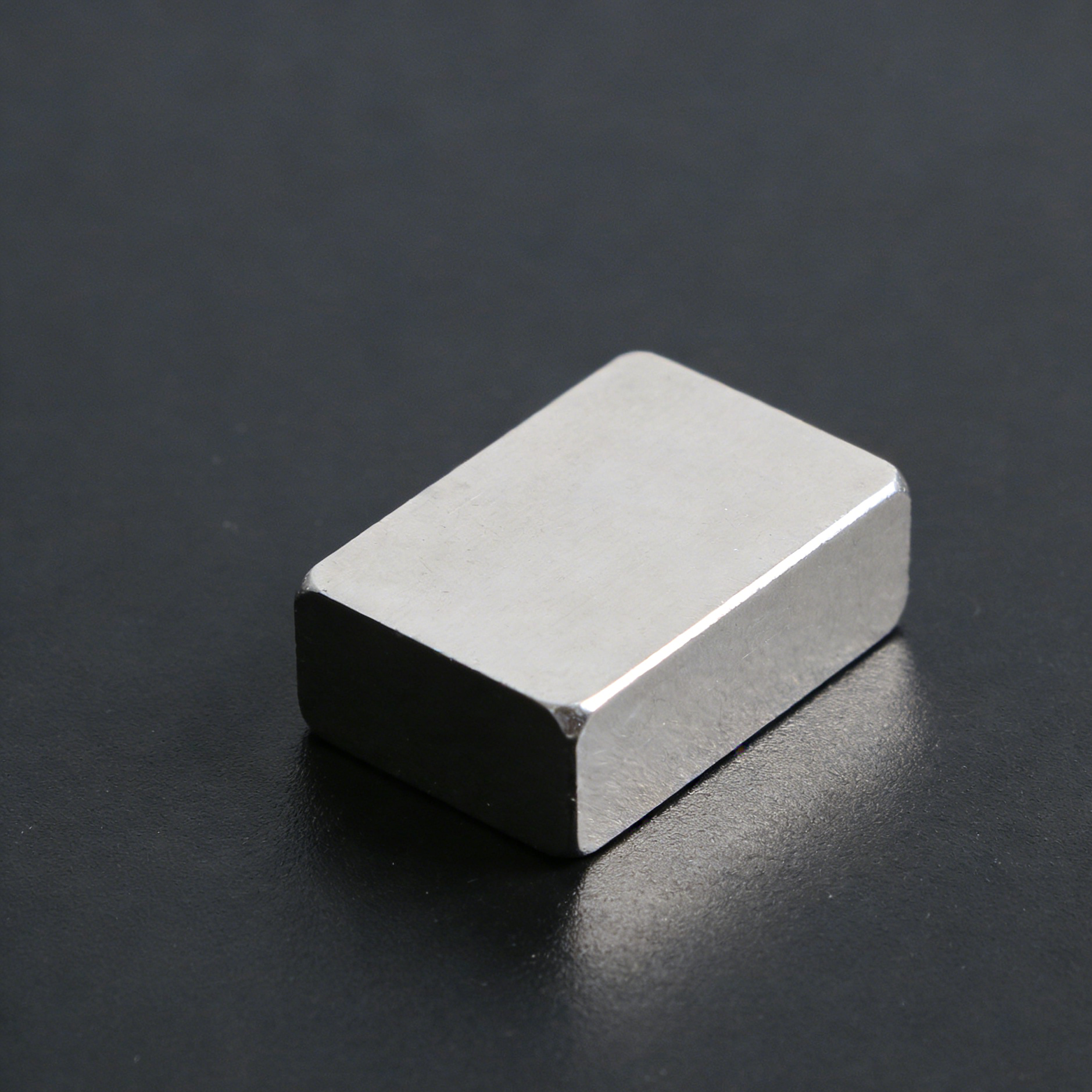
High-flux NdFeB block magnets designed for generator rotors, stators, fixtures, and magnetic circuits
Surface field up to ~5000 Gauss (application/size dependent) with stable, repeatable magnetization
Custom size, grade, coating, and magnetization direction for EU/US industrial supply
High-flux neodymium (NdFeB) block magnets are widely used in generator and motor assemblies to deliver strong magnetic field intensity in compact designs. Voyage Metal supplies generator-grade permanent magnets with consistent magnetization, customizable geometry, and coating options for EU/US industrial buyers.
| Material | Sintered NdFeB (Rare Earth Permanent Magnet) |
| Shape | Block / Rectangle (custom profiles available) |
| Magnetization | Axial (through thickness) or custom (by design) |
| Field Target | Surface field up to ~5000 Gauss (size/measurement dependent) |
| Market | Europe & North America |
| High magnetic flux | supports stronger air-gap field for efficient generator output (design dependent). |
| Compact & lightweight | energy density reduces magnet volume vs lower grades or ferrite. |
| Stable magnetization | production and charging for repeatable performance. |
| Customization | coating, tolerance, and magnetization direction available. |
“5000 Gauss” typically refers to surface field measured at a defined point and fixture. Actual reading varies with magnet size, air gap, probe distance, mating steel, and magnetization direction. If you share your target geometry and measurement condition, we can recommend grade and dimensions to meet your requirement.
| Option | Purpose | Notes |
|---|---|---|
| N35–N52 | General generator / industrial assemblies | Higher grade = higher energy, selection depends on design and cost |
| High-Temp Grades (H/SH/UH/EH/AH) | Improved demagnetization resistance at elevated temperature | Recommended when operating temperature exceeds standard grade limits |
| Custom | Special magnetic circuit designs | Multi-pole or directional magnetization available by drawing |
| Parameter | Option | Notes |
|---|---|---|
| Length / Width / Thickness | Custom | Manufactured to drawing or specification |
| Tolerance | Typically ±0.05 mm to ±0.10 mm | Depends on size and machining route |
| Magnetization Direction | Thickness / Length / Custom | Defined by your magnetic circuit |
| Edge/Surface | Standard / chamfer / custom | To reduce chipping and improve handling |
| Coating | Protection Level | Typical Use | Notes |
|---|---|---|---|
| Ni-Cu-Ni (Nickel) | Standard | Indoor / general industrial | Most common finish; good appearance and basic corrosion protection |
| Epoxy | High | Humidity / mild outdoor | Recommended for moisture-prone environments |
| Zinc (Zn) | Basic | Cost-sensitive applications | Lower corrosion resistance vs Ni/Epoxy |
1)Permanent magnet generators (PMG) and rotor assemblies
2)Industrial motors and magnetic circuits
3)Magnetic fixtures, holding blocks, and positioning tooling
4)Sensors and automation devices requiring strong magnetic field
Pinch hazard |
strong magnets can snap together—use PPE and safe spacing. |
Brittle material |
NdFeB is hard but brittle; avoid impact to prevent chipping/cracking. |
Medical/electronics caution |
caution: keep away from pacemakers and sensitive devices. |
Small magnet warning |
warning: swallowed magnets can cause severe injury—keep away from children. |
Not necessarily. Gauss readings depend on magnet size, grade, probe distance, measurement location, air gap, and the test fixture. “5000 Gauss” is typically a target surface field under defined conditions. Share your measurement setup or application geometry for confirmation.
Higher grades generally provide higher energy density, but optimal selection depends on your rotor design, temperature, cost target, and required flux in the air gap. For higher operating temperatures, consider high-temp grades (H/SH/UH/EH/AH).
Yes. Magnetization direction (through thickness/length/custom) is defined by your magnetic circuit design. Provide drawing or polarity requirements for evaluation.
Nickel (Ni-Cu-Ni) is common for general indoor use. Epoxy is preferred for higher humidity or corrosion risk. Tell us the environment (humidity, salt spray exposure, temperature) to recommend the best coating.
Please share: magnet shape and dimensions, target gauss/flux (and measurement condition if available), operating temperature, coating requirement, magnetization direction, and quantity/annual demand.
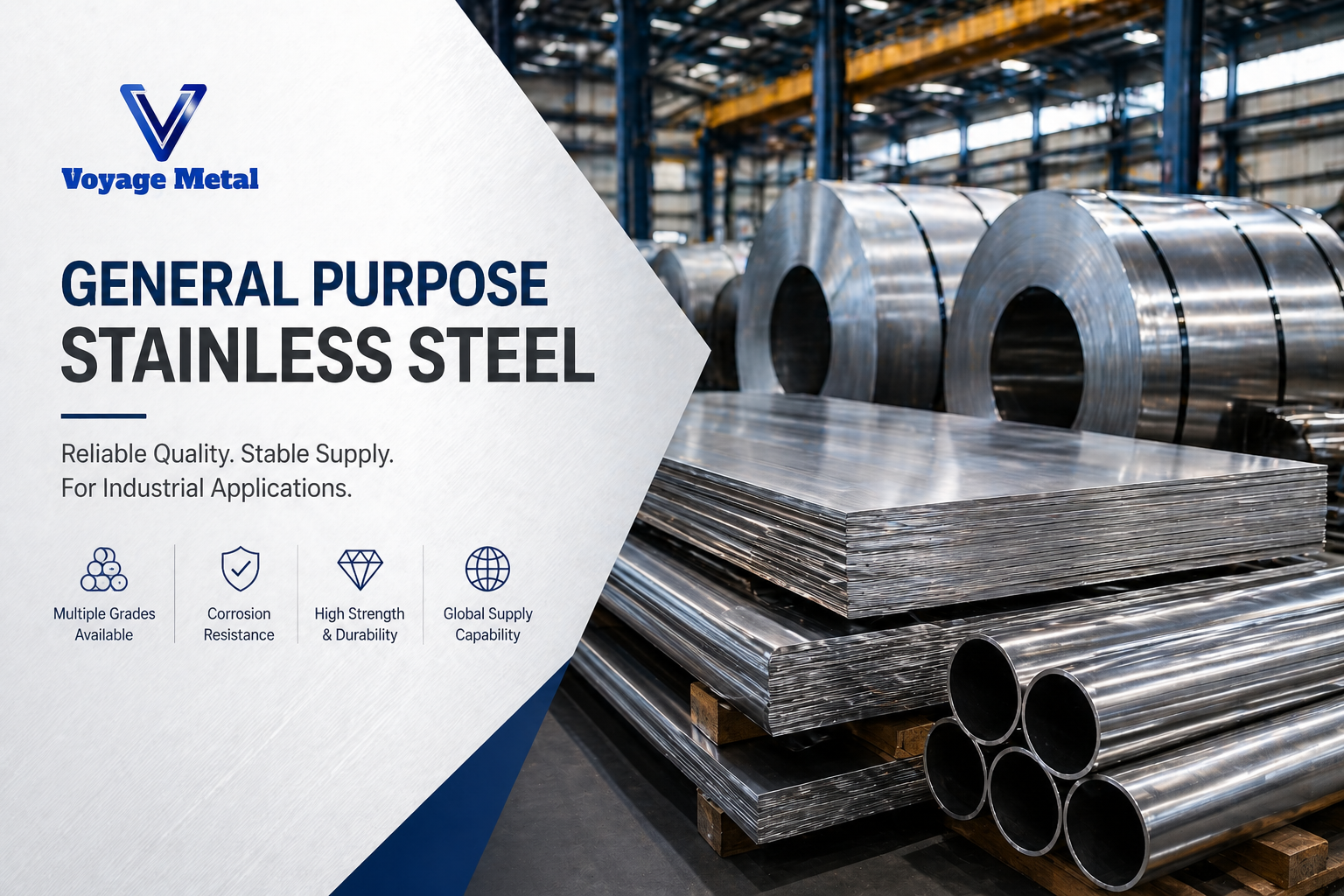
Products Number: 304 & 316 Stainless Steel Supplier for Engineering Use
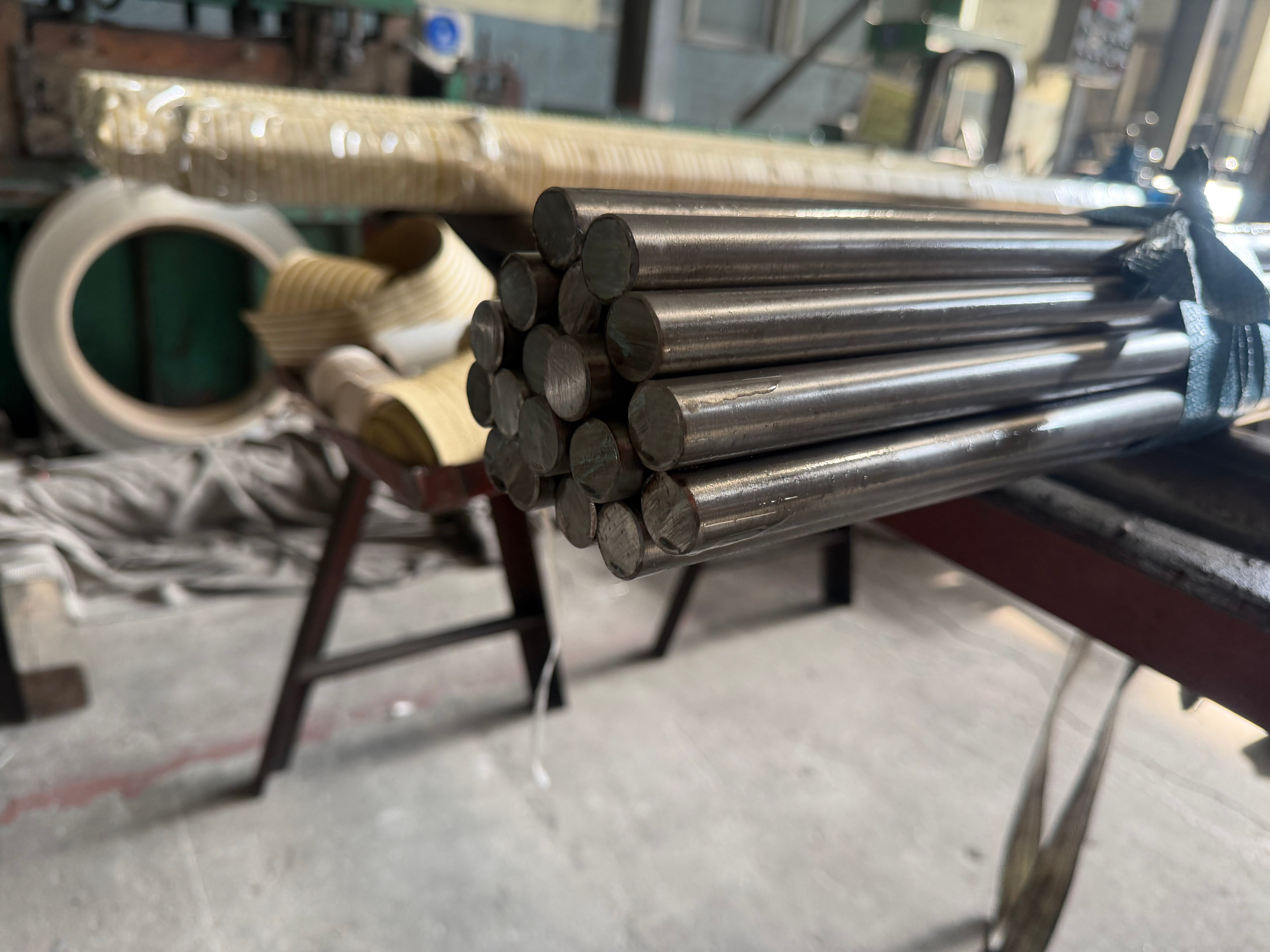
Products Number: Inconel 625 Nickel Alloy | Alloy 625 Plate, Pipe, Bar & Sheet Supplier
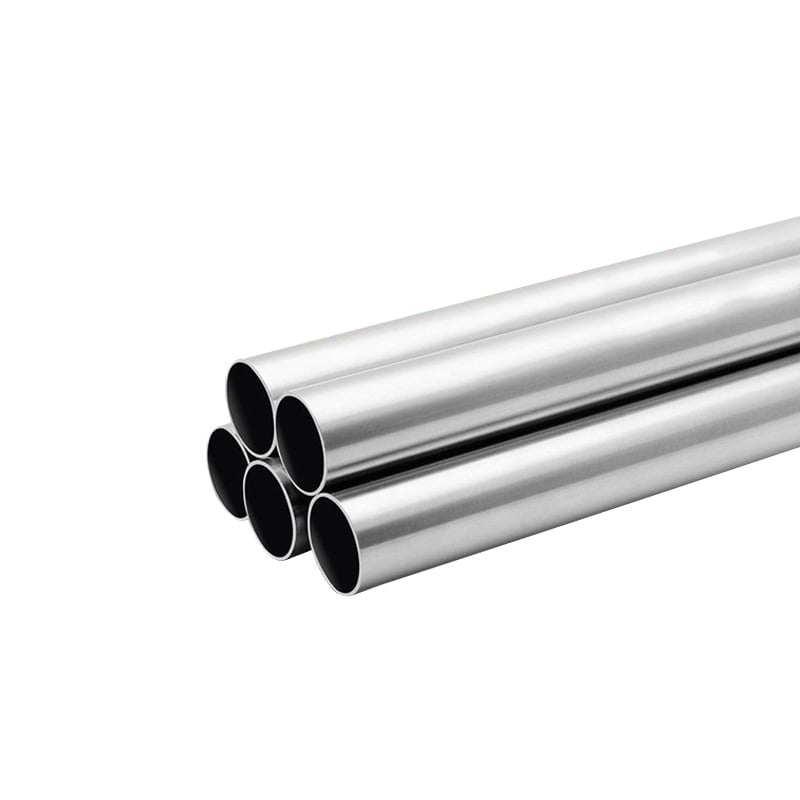
Products Number: Premium Stainless Steel Tubes & Pipes (Seamless & Welded)
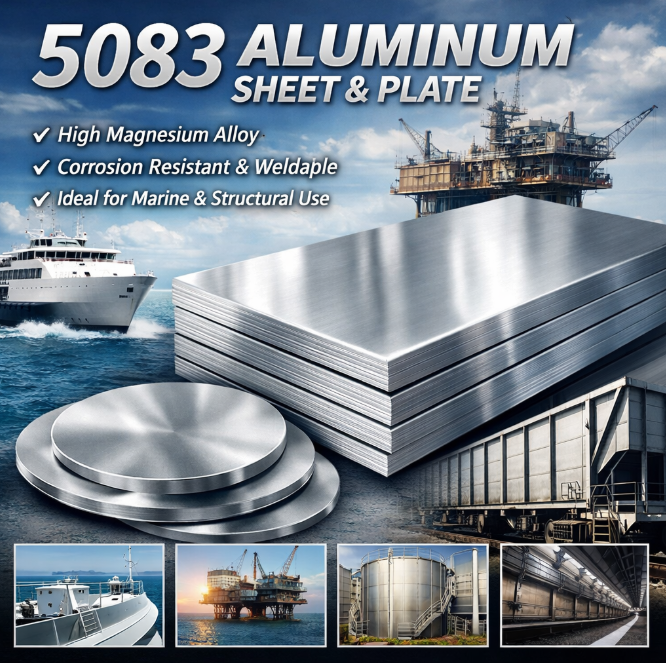
Products Number: 5083 Aluminum Sheet & Plate for Marine and Structural Applications
Products Number: 6061 Aluminum Sheet & Plate

 EN
EN