Comprehensive Guide to Stainless Steel Rod Costs: Pricing, Grades, and Market Analysis

Get a Free Quote

Our representative will contact you soon.
Email
Name
Company Name
Message
0/1000

stainless steel rod cost

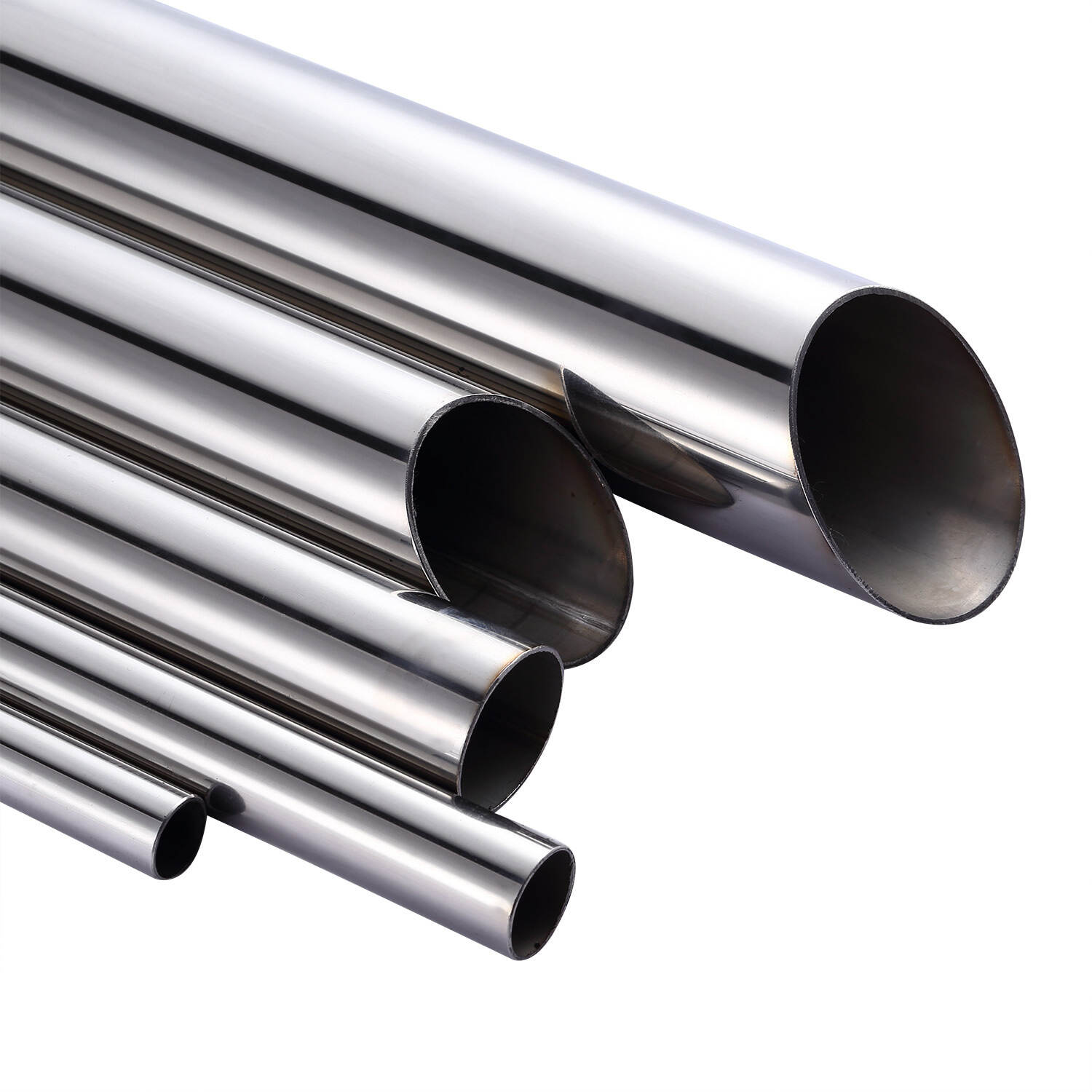
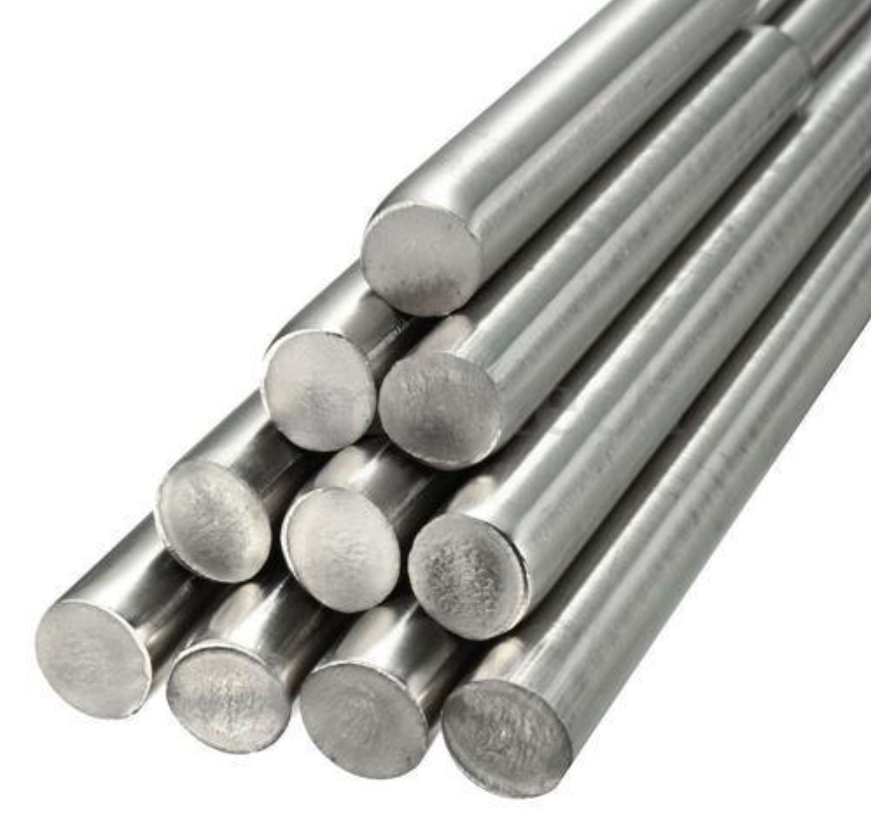
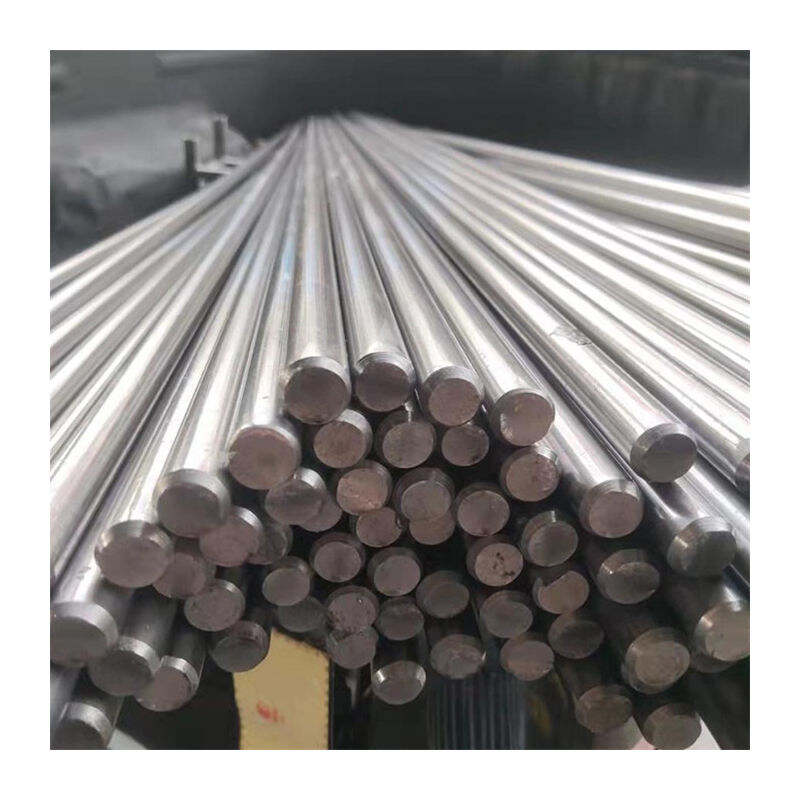
Stainless steel rod cost encompasses various factors that influence pricing in the metal manufacturing industry. These rods, essential components in numerous applications, are manufactured through precision rolling and drawing processes, ensuring consistent quality and dimensional accuracy. The cost structure typically depends on material grade, diameter specifications, length requirements, and market conditions. High-grade stainless steel rods, particularly those containing higher nickel and chromium content, command premium prices due to their superior corrosion resistance and durability. The manufacturing process involves sophisticated equipment and quality control measures, contributing to the overall cost. Market factors such as raw material availability, energy costs, and global demand significantly impact pricing. Additionally, bulk ordering often results in more competitive pricing, while specialized sizes or grades may incur higher costs. The industry standard grades, including 304 and 316 stainless steel, offer different price points based on their composition and performance characteristics. Understanding these cost components helps buyers make informed decisions while balancing quality requirements with budget constraints.


Popular Products

The cost structure of stainless steel rods offers several significant advantages for businesses and manufacturers. Firstly, despite the initial investment, these rods provide exceptional long-term value through their durability and minimal maintenance requirements. The corrosion-resistant properties eliminate the need for frequent replacements, reducing overall operational costs. The pricing model typically includes volume discounts, enabling businesses to optimize their procurement strategies. Additionally, the standardization of sizes and grades allows for predictable pricing and easier budgeting. The cost-effectiveness becomes apparent when considering the material's versatility across various applications, from construction to precision manufacturing. Modern production methods have improved efficiency, resulting in more competitive pricing without compromising quality. The market's competitive nature ensures that buyers can find optimal price points while maintaining quality standards. Furthermore, the recyclability of stainless steel contributes to sustainable practices and potential cost recovery. The established supply chain and global availability help stabilize prices and ensure consistent supply. Quality certification processes, while adding to the cost, guarantee performance and reliability, reducing the risk of costly failures or replacements. This comprehensive pricing structure supports both immediate project needs and long-term cost management strategies.

Latest News

What Are the Key Benefits of Stainless Steel Tubes in Heat Exchangers

29

Sep

What Are the Key Benefits of Stainless Steel Tubes in Heat Exchangers

Understanding the Critical Role of Stainless Steel in Modern Heat Exchange Systems In the realm of industrial processes and energy systems, heat exchangers represent a cornerstone of efficient thermal management. At the heart of these sophisticated s...
View More
Why Choose Aluminum Bars for Lightweight and High-Strength Applications

29

Sep

Why Choose Aluminum Bars for Lightweight and High-Strength Applications

Aluminum bars as a solution for modern industrial needs Aluminum bars are widely recognized for their unique combination of lightweight and high-strength properties. Industries across aerospace, automotive, construction, and manufacturing increasingl...
View More
What Are the Common Uses of Aluminum Coils in the Construction Industry

07

Nov

What Are the Common Uses of Aluminum Coils in the Construction Industry

The construction industry has increasingly embraced aluminum coils as a versatile and durable material solution for numerous building applications. These lightweight yet robust metal sheets offer exceptional corrosion resistance, thermal conductivity...
View More
How to Choose the Best Aluminum Coil for Your Project

07

Nov

How to Choose the Best Aluminum Coil for Your Project

Selecting the Right Aluminum Coil for Your Needs When working on a construction, automotive, or manufacturing project, choosing the correct aluminum coil is a critical step. Aluminum coils offer a unique combination of lightweight properties, corrosi...
View More

Get a Free Quote

Our representative will contact you soon.
Email
Name
Company Name
Message
0/1000

stainless steel rod cost

Cost-Effective Material Grade Selection

Cost-Effective Material Grade Selection

Understanding the relationship between material grades and costs is crucial for optimizing purchasing decisions. Different stainless steel grades offer varying levels of performance at different price points. Grade 304, the most commonly used option, provides excellent corrosion resistance and strength at a competitive price point. Higher grades like 316 command premium prices but offer enhanced chemical resistance and durability. The cost variation between grades directly correlates with their nickel and chromium content, which affects both performance and price. This relationship allows buyers to select the most economical grade that meets their specific application requirements. The grade selection process should consider environmental conditions, stress requirements, and expected service life to achieve the optimal balance between cost and performance.
Volume-Based Pricing Advantages

Volume-Based Pricing Advantages

The stainless steel rod market operates on a sophisticated volume-based pricing model that offers significant advantages for bulk purchasers. Larger order quantities typically result in lower per-unit costs, benefiting both manufacturers and distributors. This pricing structure encourages efficient inventory management and production planning. Buyers can leverage these volume discounts to reduce overall project costs while maintaining quality standards. The economy of scale in production and transportation contributes to these cost savings, which can be passed along the supply chain. Understanding these volume-based pricing mechanisms helps organizations optimize their procurement strategies and maintain competitive advantages in their respective markets.
Market Dynamics and Price Stability

Market Dynamics and Price Stability

The stainless steel rod market demonstrates unique pricing stability characteristics that benefit long-term planning and budgeting. While raw material costs fluctuate, established manufacturing processes and global supply networks help maintain relatively stable pricing trends. Market competition among suppliers ensures fair pricing while maintaining quality standards. The industry's mature infrastructure and efficient distribution channels contribute to cost predictability. Regular market analysis and price monitoring enable buyers to make informed decisions about timing their purchases. Understanding these market dynamics allows organizations to develop effective cost management strategies and maintain competitive advantages in their operations.

Get a Free Quote

Our representative will contact you soon.
Email
Name
Company Name
Message
0/1000