
 EN
EN



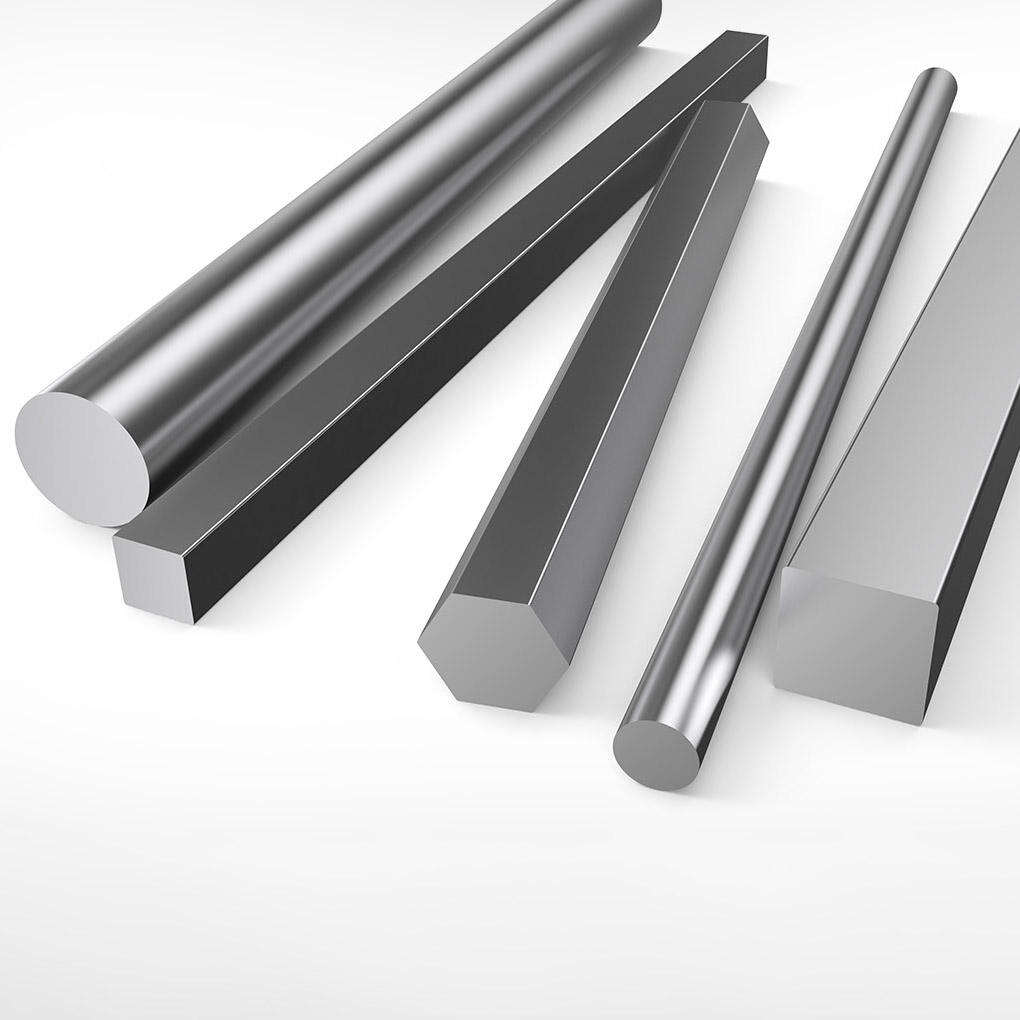
Selecting the appropriate stainless steel bar for your specific project requires careful consideration of multiple technical and operational factors. Whether you're working on architectural applications, industrial manufacturing, or precision engineering, the choice of stainless steel bar directly impacts your project's performance, durability, and long-term success. Understanding the selection criteria helps ensure optimal material performance while maintaining cost-effectiveness and meeting stringent quality requirements.
The process of choosing the best stainless steel bar involves evaluating material properties, dimensional requirements, surface finish needs, and environmental conditions your project will encounter. Each stainless steel grade offers distinct characteristics that make it suitable for specific applications, and proper selection prevents costly material failures, premature corrosion, and performance issues. This comprehensive approach ensures your stainless steel bar choice aligns perfectly with your project's technical specifications and operational demands.
Understanding Stainless Steel Bar Grades and Properties
Austenitic Stainless Steel Grades
Austenitic stainless steel bar grades represent the most widely used category in industrial applications, offering excellent corrosion resistance and formability characteristics. Grade 304 stainless steel bar provides outstanding general-purpose performance with good corrosion resistance in most environments, making it ideal for food processing equipment, architectural applications, and general fabrication work. The chromium-nickel composition delivers excellent weldability and maintains structural integrity across varying temperature conditions.
Grade 316 stainless steel bar offers superior corrosion resistance compared to 304, particularly in chloride-rich environments and marine applications. The molybdenum content enhances resistance to pitting and crevice corrosion, making this grade essential for chemical processing, pharmaceutical equipment, and coastal installations. When selecting between these austenitic grades, consider the specific corrosive elements your stainless steel bar will encounter during service life.
Ferritic and Martensitic Grades
Ferritic stainless steel bar grades like 430 provide good corrosion resistance at lower costs while offering magnetic properties that austenitic grades lack. These grades work well for automotive exhaust systems, appliance components, and decorative applications where moderate corrosion resistance suffices. The stainless steel bar in ferritic grades typically exhibits good formability but limited weldability compared to austenitic alternatives.
Martensitic stainless steel bar grades offer high strength and hardness capabilities through heat treatment processes, making them suitable for cutting tools, surgical instruments, and high-stress mechanical components. Grades like 410 and 420 provide excellent wear resistance but require careful consideration of corrosion resistance limitations. These grades demand specific heat treatment protocols to achieve desired mechanical properties while maintaining adequate corrosion performance.
Dimensional and Physical Specifications
Diameter and Length Requirements
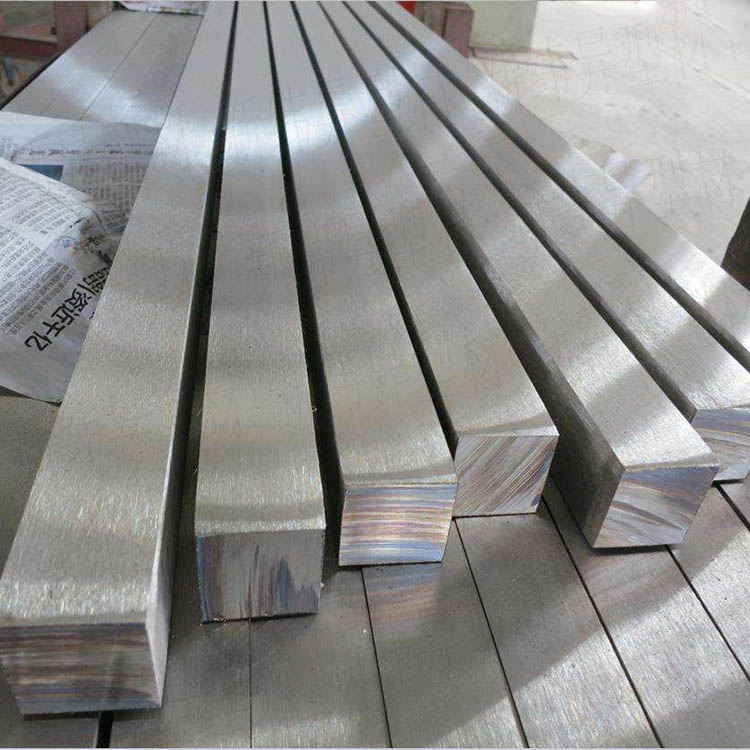
Selecting the correct diameter for your stainless steel bar depends on structural load requirements, machining allowances, and final component specifications. Standard diameters range from small precision sizes like 3mm to large structural sizes exceeding 200mm, with each size category serving specific application needs. Consider both the finished component requirements and any material removal during machining operations when specifying stainless steel bar diameter.
Length specifications for stainless steel bar affect material utilization efficiency and processing costs, with standard lengths typically available in 3-meter, 6-meter, and 12-meter options. Custom lengths may be available but often involve additional costs and longer lead times. Planning your cutting schedule helps optimize material usage while minimizing waste and ensuring adequate length for your specific fabrication requirements.
Tolerance and Surface Finish Considerations
Dimensional tolerances for stainless steel bar significantly impact fit-up requirements and machining allowances in precision applications. Hot-rolled stainless steel bar typically offers standard commercial tolerances, while cold-drawn products provide tighter dimensional control suitable for precision machining applications. Understanding tolerance requirements early in the selection process prevents costly rework and ensures proper component fit during assembly operations.
Surface finish requirements influence both aesthetic appearance and functional performance of your stainless steel bar application. Mill finish provides the most economical option for structural applications, while polished finishes offer enhanced corrosion resistance and improved appearance for architectural or food-grade applications. Specialized finishes like passivation or electropolishing may be necessary for critical applications requiring superior surface cleanliness and corrosion performance.
Environmental and Service Conditions
Temperature Performance Requirements
Operating temperature ranges significantly influence stainless steel bar performance characteristics and grade selection decisions. Austenitic grades maintain excellent properties across wide temperature ranges, with 304 and 316 grades performing well from cryogenic temperatures up to approximately 800°C in oxidizing atmospheres. High-temperature applications may require specialized grades like 310 or 321 stainless steel bar to maintain strength and oxidation resistance at elevated service temperatures.
Low-temperature applications require careful consideration of impact toughness and thermal expansion characteristics. Most austenitic stainless steel bar grades retain excellent toughness at cryogenic temperatures, while ferritic and martensitic grades may exhibit brittle behavior below certain temperature thresholds. Thermal cycling conditions demand evaluation of fatigue resistance and dimensional stability throughout the expected temperature range.
Chemical and Corrosive Environment Assessment
Chemical compatibility represents a critical factor when selecting stainless steel bar for process equipment and chemical handling applications. Different stainless steel grades exhibit varying resistance to specific chemicals, acids, and alkaline solutions. Grade 316L stainless steel bar provides excellent resistance to organic acids and chloride solutions, while specialized grades like 904L or duplex stainless steels offer superior performance in highly aggressive chemical environments.
Atmospheric corrosion conditions including humidity, salt spray, and industrial pollutants affect long-term performance of stainless steel bar applications. Marine environments require careful grade selection with emphasis on chloride resistance, while industrial atmospheres may demand consideration of sulfur compounds and acid rain effects. Environmental assessment helps determine appropriate grade selection and surface treatment requirements for optimal service life.
Mechanical Property Requirements
Strength and Hardness Specifications
Mechanical property requirements drive stainless steel bar selection for structural and load-bearing applications. Yield strength, tensile strength, and elongation properties vary significantly between different grades and conditions. Austenitic stainless steel bar grades typically offer excellent ductility with moderate strength levels, while martensitic grades provide higher strength capabilities through proper heat treatment.
Work hardening characteristics of stainless steel bar affect formability and machining operations during fabrication processes. Austenitic grades exhibit significant work hardening during cold working operations, which can complicate forming processes but may provide strength increases in the final component. Understanding these characteristics helps optimize fabrication procedures and prevents processing difficulties during manufacturing operations.
Fatigue and Impact Resistance
Fatigue resistance becomes critical for stainless steel bar applications involving cyclic loading or vibration exposure. Austenitic grades generally provide excellent fatigue resistance, particularly in the solution-annealed condition. Surface finish quality significantly affects fatigue performance, with smoother surfaces offering superior fatigue life compared to rough or machined surfaces with stress concentrations.
Impact toughness requirements influence grade selection for applications involving shock loading or impact conditions. Most austenitic stainless steel bar grades maintain excellent impact toughness across wide temperature ranges, while other grade families may exhibit temperature-dependent toughness behavior. Dynamic loading conditions require careful evaluation of material properties under actual service conditions rather than static test results alone.
Cost Optimization and Availability Factors
Material Cost Considerations
Stainless steel bar costs vary significantly between different grades based on alloying element content and market conditions. Basic austenitic grades like 304 typically offer the most economical option for general applications, while high-alloy grades like 316L or duplex stainless steels command premium pricing. Balancing material costs against performance requirements helps optimize overall project economics while meeting technical specifications.
Processing and fabrication costs also influence total project expenses beyond raw material pricing. Some stainless steel bar grades require specialized welding procedures, heat treatment operations, or surface treatments that increase fabrication costs. Considering total lifecycle costs including maintenance, replacement intervals, and performance reliability provides better economic evaluation than initial material costs alone.
Supply Chain and Lead Time Management
Availability and lead times for specific stainless steel bar sizes and grades affect project scheduling and inventory management decisions. Common grades and standard sizes typically maintain better availability with shorter lead times compared to specialty alloys or non-standard dimensions. Planning material procurement early in the project timeline prevents delays and allows consideration of alternative grades if primary choices face supply constraints.
Regional availability patterns influence both cost and delivery schedules for stainless steel bar procurement. Local suppliers may offer advantages in delivery time and transportation costs, while specialized grades might require sourcing from distant manufacturers. Establishing relationships with reliable suppliers and understanding their stocking patterns helps ensure consistent material availability for ongoing projects and future requirements.
FAQ
What is the difference between 304 and 316 stainless steel bar for outdoor applications?
The primary difference lies in corrosion resistance capabilities, with 316 stainless steel bar containing molybdenum that provides superior resistance to chloride corrosion and marine environments. For outdoor applications, 316 grade offers better performance in coastal areas, industrial atmospheres, or anywhere chloride exposure occurs, while 304 stainless steel bar works well in standard atmospheric conditions without significant chloride exposure.
How do I determine the correct diameter of stainless steel bar for my structural application?
Determining the correct diameter requires structural analysis considering applied loads, safety factors, and deflection limits according to relevant building codes or engineering standards. Calculate required section properties based on maximum loads, then select a stainless steel bar diameter that provides adequate strength with appropriate safety margins while considering buckling behavior for compression applications.
Can stainless steel bar be welded, and what special considerations apply?
Most stainless steel bar grades can be welded using appropriate procedures and filler materials, with austenitic grades like 304 and 316 offering excellent weldability. Special considerations include controlling heat input to prevent carbide precipitation, using proper shielding gases, and selecting compatible filler metals. Post-weld cleaning and passivation may be required for optimal corrosion resistance in the welded condition.
What surface treatments are available for stainless steel bar applications?
Surface treatments for stainless steel bar include mechanical finishes like grinding and polishing, chemical treatments such as passivation and pickling, and electrochemical processes like electropolishing. The choice depends on application requirements for appearance, corrosion resistance, and cleanliness. Food-grade applications often require electropolishing, while architectural applications may use various polished finishes for aesthetic appeal.
Table of Contents
- Understanding Stainless Steel Bar Grades and Properties
- Dimensional and Physical Specifications
- Environmental and Service Conditions
- Mechanical Property Requirements
- Cost Optimization and Availability Factors
-
FAQ
- What is the difference between 304 and 316 stainless steel bar for outdoor applications?
- How do I determine the correct diameter of stainless steel bar for my structural application?
- Can stainless steel bar be welded, and what special considerations apply?
- What surface treatments are available for stainless steel bar applications?