
 EN
EN


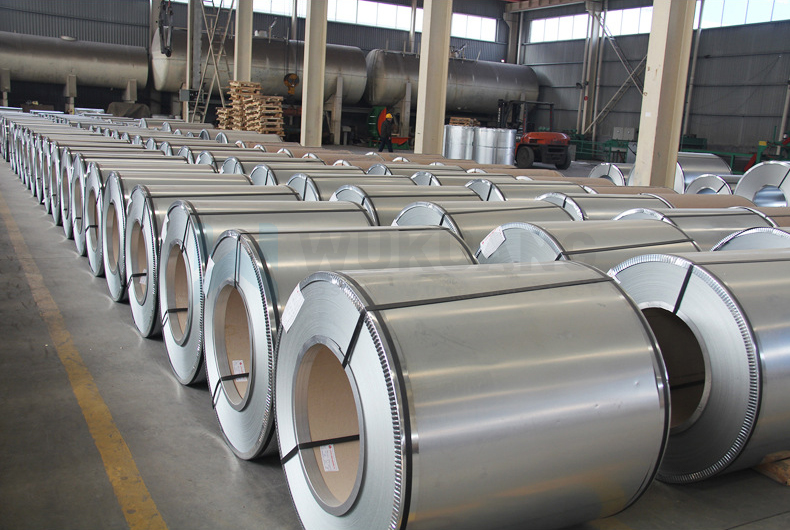
In today's competitive industrial and commercial landscape, material selection plays a crucial role in project success, operational efficiency, and long-term profitability. Stainless steel coils have emerged as the preferred choice for countless applications across diverse industries, offering an unmatched combination of durability, corrosion resistance, and versatility. Understanding why stainless steel coils consistently outperform alternative materials helps project managers, engineers, and business leaders make informed decisions that drive both immediate performance and sustained value creation.
The strategic advantages of stainless steel coils extend far beyond their well-known resistance to rust and corrosion. These materials deliver exceptional mechanical properties, thermal stability, and aesthetic appeal while maintaining cost-effectiveness over extended operational periods. From food processing facilities and chemical plants to architectural applications and transportation systems, stainless steel coils provide the reliability and performance characteristics that modern industrial and commercial projects demand.
Unmatched Corrosion Resistance and Durability
Superior Protection Against Environmental Factors
The primary reason why stainless steel coils excel in industrial and commercial applications lies in their exceptional corrosion resistance. Unlike carbon steel or other metallic materials, stainless steel coils contain chromium content that forms a protective oxide layer on the surface, preventing rust formation even in challenging environments. This self-healing protective layer continuously regenerates when damaged, ensuring long-term protection against moisture, chemicals, and atmospheric contaminants.
Industrial facilities operating in coastal environments, chemical processing plants, and outdoor installations particularly benefit from this inherent corrosion resistance. The chromium oxide layer remains stable across a wide range of temperatures and pH levels, making stainless steel coils suitable for applications where other materials would rapidly deteriorate. This protection translates directly into reduced maintenance costs, extended equipment life, and improved operational reliability.
Extended Service Life and Reduced Replacement Costs
The durability of stainless steel coils significantly exceeds that of alternative materials, resulting in substantial long-term cost savings for industrial and commercial projects. While initial material costs may appear higher, the extended service life typically ranges from 20 to 50 years depending on application conditions, compared to 5 to 15 years for carbon steel alternatives. This longevity reduces replacement frequency, minimizes downtime, and eliminates the recurring costs associated with frequent material upgrades.
Furthermore, the mechanical strength of stainless steel coils remains consistent throughout their service life, unlike materials that experience gradual degradation due to corrosion or fatigue. This reliability enables engineers to design systems with confidence in long-term performance specifications, reducing safety margins and optimizing overall system efficiency. The predictable performance characteristics of stainless steel coils support accurate lifecycle cost calculations and facilitate better project planning.
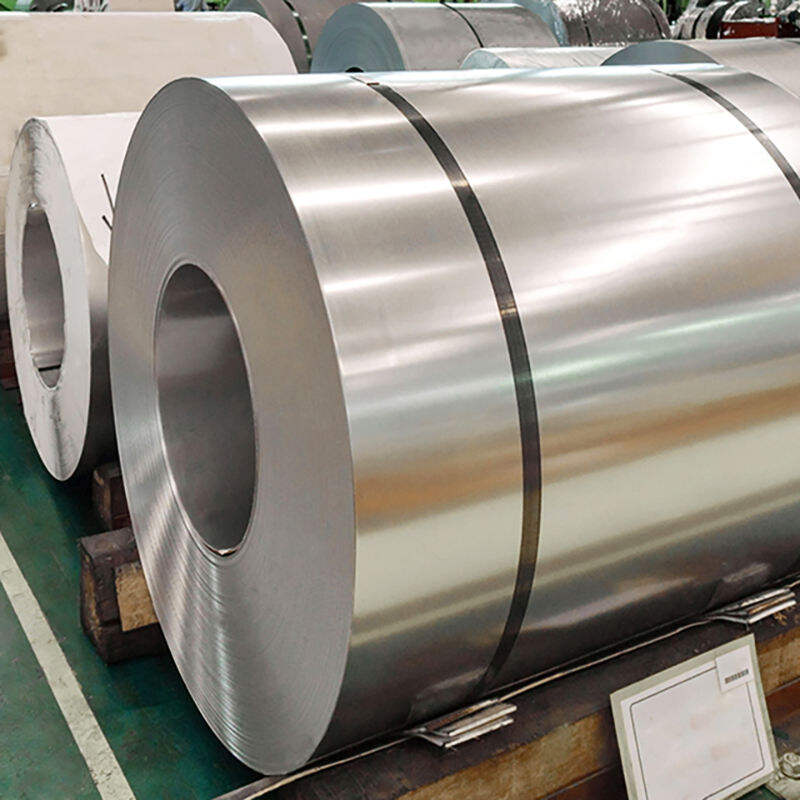
Exceptional Mechanical Properties and Performance
High Strength-to-Weight Ratio and Structural Integrity
Stainless steel coils offer an impressive strength-to-weight ratio that makes them ideal for structural applications in both industrial and commercial projects. The material maintains excellent tensile strength, yield strength, and impact resistance across a wide temperature range, ensuring reliable performance under varying operational conditions. This mechanical reliability allows designers to specify thinner gauges while maintaining required structural integrity, reducing material usage and overall project weight.
The formability of stainless steel coils enables complex geometries and custom configurations that would be difficult or impossible to achieve with brittle materials. This flexibility supports innovative design approaches and allows engineers to optimize component shapes for specific functional requirements. The ability to cold-form stainless steel coils without significant loss of mechanical properties reduces manufacturing complexity and enables cost-effective production of custom components.
Temperature Stability and Thermal Performance
Industrial and commercial applications often involve extreme temperature conditions that challenge material performance and dimensional stability. Stainless steel coils maintain their mechanical properties across a broad temperature spectrum, from cryogenic conditions below -200°C to elevated temperatures exceeding 800°C depending on the specific grade. This thermal stability prevents warping, cracking, or property degradation that commonly affects other materials under thermal stress.
The low thermal expansion coefficient of stainless steel coils minimizes dimensional changes during temperature cycling, ensuring precise tolerances and consistent performance. This characteristic proves particularly valuable in applications involving heating and cooling cycles, such as heat exchangers, pressure vessels, and thermal processing equipment. The thermal conductivity properties can be tailored through alloy selection to meet specific heat transfer requirements while maintaining structural integrity.
Hygiene Standards and Food Safety Compliance
Non-Porous Surface and Easy Cleaning
Food processing, pharmaceutical, and healthcare industries require materials that meet stringent hygiene standards and support thorough cleaning procedures. Stainless steel coils provide non-porous, smooth surfaces that resist bacterial growth and facilitate effective sanitization. The dense microstructure prevents contamination accumulation and allows complete removal of residues through standard cleaning protocols.
The chemical inertness of stainless steel coils ensures that no metallic ions or compounds leach into processed materials, maintaining product purity and safety. This characteristic makes stainless steel coils the material of choice for food contact surfaces, pharmaceutical equipment, and medical device applications where contamination risks must be eliminated. The ability to withstand aggressive cleaning chemicals and high-temperature sanitization procedures without degradation supports comprehensive hygiene maintenance programs.
Regulatory Compliance and Industry Standards
Stainless steel coils meet or exceed requirements established by major regulatory bodies including the FDA, USDA, and European food safety authorities. This compliance eliminates concerns about material approval and ensures projects can proceed without regulatory delays or modifications. The documented safety history and widespread acceptance of stainless steel coils in regulated industries provide confidence for project stakeholders and regulatory reviewers.
Industry-specific certifications and traceability documentation available with stainless steel coils support quality assurance programs and audit requirements. The consistent material properties and manufacturing standards enable predictable performance that satisfies regulatory expectations for safety, reliability, and product integrity. This regulatory acceptance reduces project risk and accelerates approval processes for new installations or equipment modifications.
Aesthetic Appeal and Design Flexibility
Architectural Applications and Visual Impact
Beyond functional performance, stainless steel coils offer exceptional aesthetic qualities that enhance the visual appeal of commercial and architectural projects. The natural luster and clean appearance of stainless steel surfaces create a modern, professional image that supports brand positioning and customer perception. Various surface finishes, from mirror-bright to brushed textures, provide design flexibility to match architectural themes and corporate identity requirements.
The color stability of stainless steel coils ensures that architectural elements maintain their appearance over decades of exposure to sunlight, weather, and urban pollutants. Unlike painted or coated materials that require periodic refinishing, stainless steel coils retain their original appearance with minimal maintenance. This consistency supports long-term aesthetic planning and reduces lifecycle maintenance costs for commercial building owners and facility managers.
Customization Options and Surface Treatments
Modern manufacturing techniques enable extensive customization of stainless steel coils to meet specific project requirements and design preferences. Surface textures, patterns, and finishes can be precisely controlled during production to achieve desired visual effects and functional characteristics. Specialized treatments such as passivation, electropolishing, and coating applications further expand the range of available properties and appearances.
The formability and weldability of stainless steel coils support complex architectural features and custom fabrication requirements. Designers can specify curves, angles, and three-dimensional shapes that would be challenging to achieve with alternative materials. This design freedom enables innovative architectural solutions and allows stainless steel coils to serve both structural and aesthetic functions within the same application.
Economic Benefits and Lifecycle Value
Total Cost of Ownership Advantages
While the initial cost of stainless steel coils may exceed that of alternative materials, comprehensive lifecycle cost analysis consistently demonstrates superior economic value. The elimination of coating, painting, and replacement costs over the material service life typically results in 20-40% lower total ownership costs compared to carbon steel alternatives. Reduced maintenance requirements translate directly to lower labor costs and decreased operational disruptions.
Energy savings represent another significant economic benefit of stainless steel coils in many applications. The thermal properties and surface characteristics can improve heat transfer efficiency, reduce cleaning energy requirements, and minimize system pressure losses. These operational improvements compound over time, generating substantial cost savings that often exceed the initial material premium within the first few years of operation.
Recycling Value and Environmental Responsibility
Stainless steel coils maintain their material value throughout their service life and retain significant scrap value at end-of-life. The high recycling rate of stainless steel, typically exceeding 90%, supports circular economy principles and reduces environmental impact. This residual value provides partial cost recovery for facility upgrades and supports sustainable business practices that increasingly influence customer purchasing decisions.
The environmental benefits extend beyond recycling to include reduced resource consumption through extended service life and elimination of protective coatings that may contain hazardous substances. The production efficiency improvements achieved through the durability and performance of stainless steel coils contribute to overall environmental responsibility goals while delivering measurable economic benefits to project stakeholders.
FAQ
What grades of stainless steel coils are most suitable for industrial applications?
The most commonly specified grades for industrial applications include 304, 316, and 316L stainless steel coils, with selection based on specific environmental conditions and performance requirements. Grade 304 provides excellent general-purpose performance for most indoor applications, while 316 and 316L grades offer enhanced corrosion resistance for marine, chemical, or outdoor environments. Specialized grades like 904L provide superior performance in highly corrosive conditions such as chemical processing or offshore applications.
How do stainless steel coils compare to carbon steel in terms of maintenance requirements?
Stainless steel coils require significantly less maintenance than carbon steel, typically reducing maintenance costs by 60-80% over the material service life. While carbon steel requires regular painting, coating renewal, and rust treatment every 3-5 years, stainless steel coils need only periodic cleaning to maintain performance and appearance. The self-healing oxide layer eliminates the need for protective coatings and prevents corrosion-related maintenance issues that commonly affect carbon steel installations.
Can stainless steel coils be welded and fabricated using standard equipment?
Yes, stainless steel coils can be welded, cut, formed, and machined using standard fabrication equipment with appropriate technique modifications. Successful welding requires proper heat input control, appropriate filler materials, and post-weld cleaning to maintain corrosion resistance. Most fabrication shops can work with stainless steel coils after brief training on material-specific techniques, making integration into existing manufacturing processes straightforward and cost-effective.
What surface finishes are available for stainless steel coils and their applications?
Common surface finishes include 2B (smooth, reflective), BA (bright annealed mirror finish), brushed or satin finishes (directional texture), and specialty patterns for architectural applications. The 2B finish works well for general industrial use, while BA finishes are preferred for food processing and pharmaceutical applications requiring maximum cleanability. Brushed finishes provide aesthetic appeal for architectural projects while hiding minor scratches and wear patterns that may develop during service.
Table of Contents
- Unmatched Corrosion Resistance and Durability
- Exceptional Mechanical Properties and Performance
- Hygiene Standards and Food Safety Compliance
- Aesthetic Appeal and Design Flexibility
- Economic Benefits and Lifecycle Value
-
FAQ
- What grades of stainless steel coils are most suitable for industrial applications?
- How do stainless steel coils compare to carbon steel in terms of maintenance requirements?
- Can stainless steel coils be welded and fabricated using standard equipment?
- What surface finishes are available for stainless steel coils and their applications?