
 EN
EN


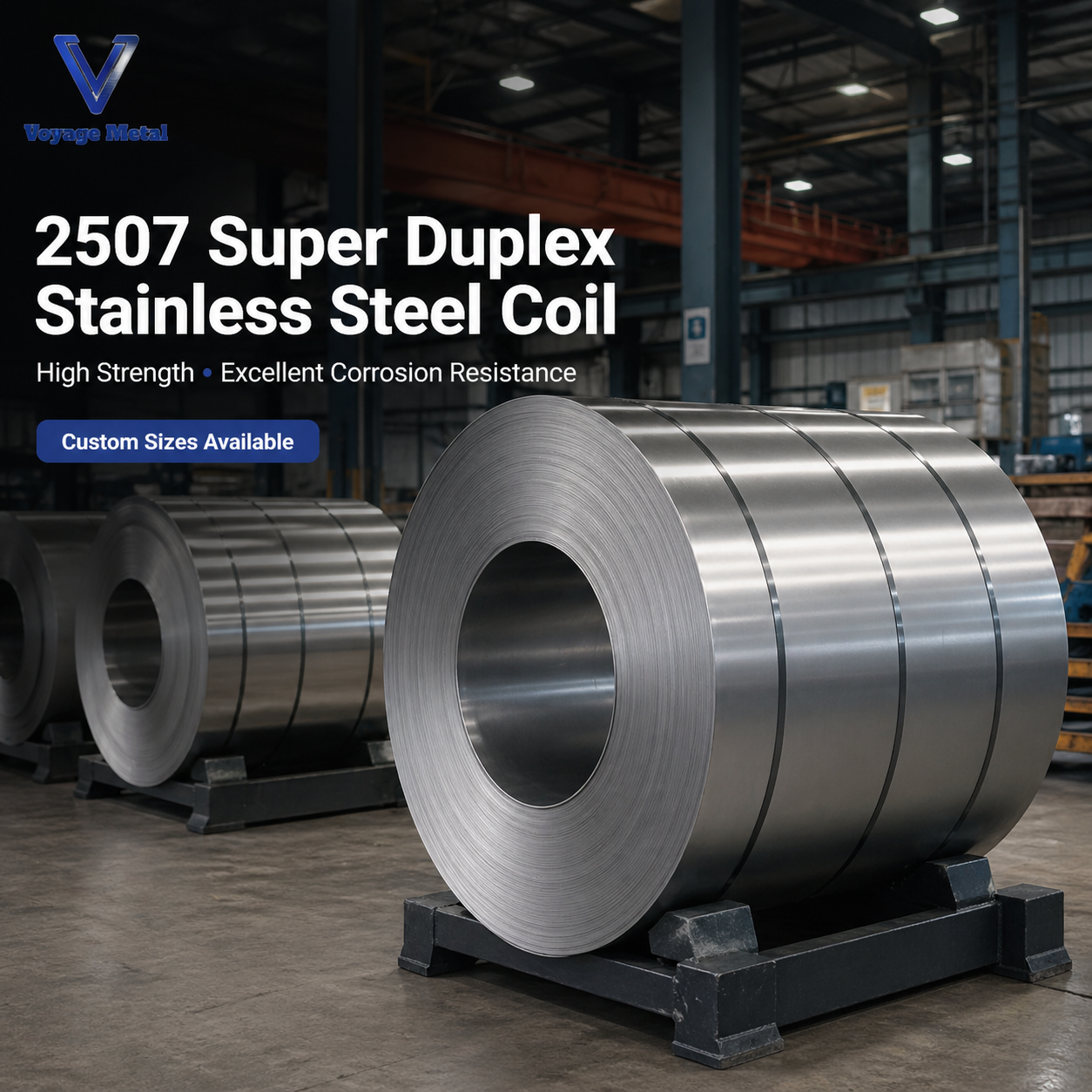
Stainless steel coils are critical components in countless industrial applications, from automotive manufacturing to chemical processing plants. Their durability, corrosion resistance, and mechanical strength make them indispensable across sectors. However, even the most premium stainless steel coils require systematic maintenance to preserve their structural integrity, surface quality, and functional performance over extended service periods. Without proper care protocols, these materials can suffer from surface contamination, corrosion initiation, mechanical damage, and premature degradation that compromises both safety and operational efficiency.
Maintaining stainless steel coils for optimal functionality involves understanding the material characteristics, implementing preventive storage practices, establishing regular cleaning routines, monitoring environmental exposure factors, and addressing damage promptly before it escalates. This comprehensive maintenance approach ensures that your stainless steel coils retain their mechanical properties, resist environmental degradation, and deliver consistent performance throughout their intended lifecycle. The following sections provide detailed, actionable guidance on how to implement effective maintenance protocols tailored to the specific demands of stainless steel coils in industrial environments.
Understanding Material Properties That Drive Maintenance Requirements
Chromium Oxide Passive Layer Formation and Protection
The fundamental corrosion resistance of stainless steel coils derives from the thin, invisible chromium oxide passive layer that forms spontaneously on the surface when chromium in the alloy reacts with atmospheric oxygen. This passive film acts as a self-healing protective barrier that prevents further oxidation and corrosion. Maintaining stainless steel coils effectively requires preserving this passive layer through practices that avoid mechanical disruption, chemical contamination, or environmental conditions that prevent reformation. When the passive layer is damaged by scratching, embedding of iron particles, or exposure to chlorides, localized corrosion can initiate rapidly.
Different grades of stainless steel coils exhibit varying levels of passive layer stability based on their chromium content, nickel content, and additional alloying elements like molybdenum. Austenitic grades such as 304 and 316 form more stable passive layers than ferritic or martensitic grades. Understanding your specific material grade helps determine appropriate maintenance intervals and environmental exposure limits. High-molybdenum grades like 904L demonstrate superior resistance to chloride-induced pitting and crevice corrosion, requiring less intensive maintenance in marine or chemical processing environments.
Surface Finish Impact on Maintenance Demands
The surface finish of stainless steel coils significantly influences maintenance requirements and susceptibility to contamination. Smoother finishes like 2B or BA surfaces present fewer surface irregularities where contaminants can lodge and initiate corrosion. These polished surfaces facilitate easier cleaning and reduce the tendency for particulate accumulation. Conversely, rougher mill finishes or textured surfaces may trap contaminants more readily, requiring more frequent and thorough cleaning protocols to maintain optimal functionality.
Surface finish also affects how stainless steel coils respond to cleaning agents and maintenance procedures. Highly polished surfaces can show water spotting or cleaning residue more prominently, necessitating careful selection of cleaning solutions and thorough rinsing protocols. Understanding the interaction between your specific surface finish and maintenance chemicals prevents inadvertent surface damage or degradation. When maintaining stainless steel coils with specialized finishes, always verify that cleaning methods preserve rather than compromise the intended surface characteristics.
Mechanical Property Preservation Through Proper Handling
Stainless steel coils maintain their optimal functionality when mechanical properties such as tensile strength, yield strength, and elongation remain within specification ranges. Physical damage from improper handling during storage, transportation, or processing can create stress concentrations, surface defects, and geometric distortions that compromise structural performance. Edge damage, denting, and severe scratching not only affect aesthetics but can also serve as initiation sites for fatigue cracking or stress corrosion cracking under operational loads.
Maintenance protocols for stainless steel coils must include regular inspection for mechanical damage indicators such as coil set variations, edge waviness, surface scoring, and dimensional irregularities. Addressing these issues promptly through proper storage adjustments, protective wrapping enhancements, or processing parameter modifications prevents progressive damage accumulation. Mechanical property preservation directly translates to maintained formability, weldability, and end-use performance characteristics.
Implementing Preventive Storage and Environmental Control Measures
Controlled Atmosphere Storage Requirements
Proper storage constitutes the foundation of effective stainless steel coils maintenance. Indoor storage in controlled-atmosphere environments protects against moisture accumulation, temperature fluctuations, and airborne contaminant deposition. Relative humidity should ideally remain below sixty percent to minimize condensation risk on coil surfaces, particularly during temperature transitions. Warehouses housing stainless steel coils should maintain consistent temperatures and provide adequate ventilation to prevent localized moisture pockets that accelerate corrosion initiation.
When indoor storage is unavailable, outdoor storage of stainless steel coils demands enhanced protective measures including weather-resistant tarping, elevated platforms preventing ground contact, and drainage provisions preventing water pooling. Coils stored outdoors require more frequent inspection intervals and accelerated rotation to minimize prolonged environmental exposure. Coastal or industrial environments with elevated chloride concentrations or sulfur dioxide levels present heightened corrosion risks, necessitating additional protective barriers and shortened storage durations before processing.
Protective Wrapping and Interleaving Protocols
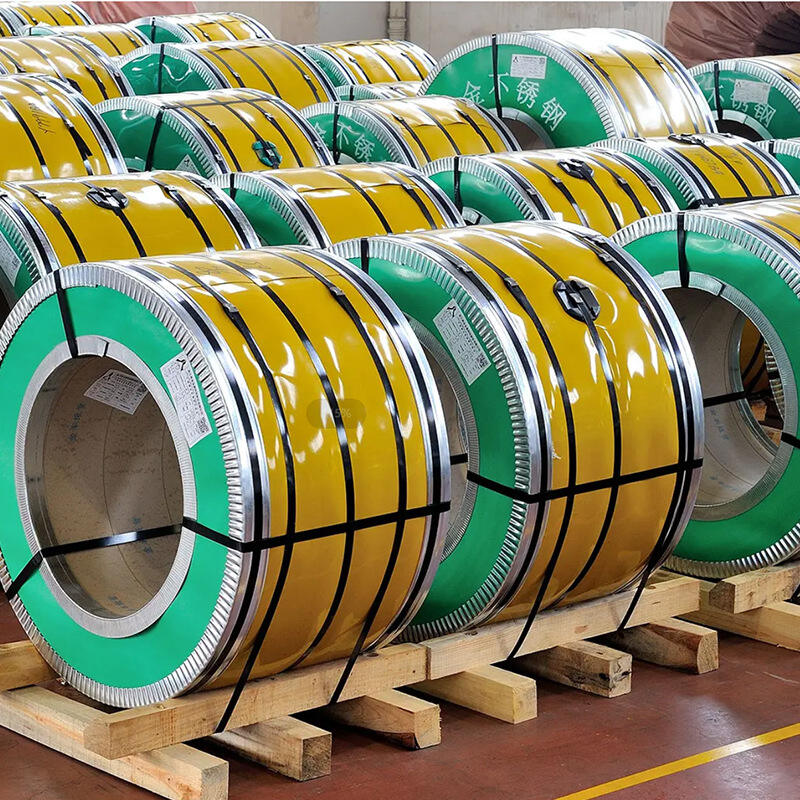
Factory-applied protective wrapping on stainless steel coils serves as the first defense against surface contamination and mechanical damage during storage and transportation. Maintaining this protective barrier intact throughout the storage period prevents direct exposure to atmospheric contaminants, moisture, and particulate matter. Damaged or compromised wrapping should be repaired immediately using compatible materials that do not introduce corrosive substances or leave adhesive residues upon removal.
For long-term storage exceeding six months, consider supplementing original wrapping with additional vapor corrosion inhibitor (VCI) packaging materials that release corrosion-inhibiting compounds into the enclosed atmosphere. These VCI materials provide molecular-level protection for stainless steel coils by neutralizing corrosive atmospheric components. Interleaving paper between coil wraps prevents surface-to-surface contact that can cause cosmetic damage or facilitate galvanic corrosion when dissimilar grades are stored in proximity. Ensure all protective materials are free from chlorides, sulfides, and other aggressive chemicals.
Segregation Strategies to Prevent Cross-Contamination
Cross-contamination from carbon steel dust, iron particles, or other metallic debris represents a significant threat to stainless steel coils maintenance. When iron particles embed in stainless steel surfaces, they corrode preferentially and stain the underlying material, creating the appearance of rust on stainless steel. Strict segregation of stainless steel coils from carbon steel materials during storage, handling, and processing prevents this contamination mechanism.
Dedicated storage areas, handling equipment, and cutting tools for stainless steel coils eliminate the primary vectors for iron contamination. When shared facilities are unavoidable, implement thorough cleaning protocols for all contact surfaces before handling stainless steel coils. Magnetic sweepers can remove ferrous particles from storage areas, while dedicated stainless steel wire brushes and abrasives prevent cross-contamination during surface preparation activities. Creating physical barriers or designated zones within warehouses reinforces segregation discipline and reduces inadvertent contamination incidents.
Establishing Systematic Cleaning and Surface Maintenance Procedures
Routine Cleaning Frequency and Methods
Regular cleaning of stainless steel coils removes accumulated contaminants before they can compromise the passive layer or initiate corrosion. Cleaning frequency depends on environmental exposure levels, with indoor storage typically requiring quarterly inspection and cleaning, while outdoor or industrial environments may necessitate monthly attention. Visual inspection for discoloration, staining, water marks, or particulate accumulation guides cleaning intervention decisions.
For light contamination, simple washing with clean water and mild, pH-neutral detergents effectively removes surface deposits without damaging the passive layer. Apply cleaning solutions using soft cloths or non-abrasive pads, working in the direction of the polish lines to avoid creating visible scratches. Thorough rinsing with clean water removes all detergent residues that might leave spots or create localized chemistry changes. Complete drying with clean, lint-free cloths or compressed air prevents water spotting and eliminates moisture that could promote corrosion in crevices or under wrapping materials.
Chemical Cleaning for Stubborn Contamination
When routine cleaning proves insufficient for removing stubborn stains, heat tint, or embedded contamination from stainless steel coils, chemical cleaning agents provide more aggressive action. Nitric acid-based passivation treatments restore and enhance the chromium oxide passive layer after welding, heat treatment, or severe contamination events. These treatments dissolve iron contamination and promote uniform passive layer formation across the treated surface. Always follow manufacturer guidelines for concentration, contact time, and temperature to avoid excessive metal removal or surface etching.
Citric acid-based cleaners offer a less aggressive alternative for passivation and cleaning of stainless steel coils in facilities where nitric acid handling presents safety or environmental concerns. Phosphoric acid formulations effectively remove rust staining and mineral deposits without attacking the underlying stainless steel surface. After any chemical cleaning treatment, multiple rinses with clean water ensure complete removal of treatment chemicals, followed by neutralization verification using pH testing. Chemical cleaning should always include subsequent inspection to verify that desired surface condition has been achieved without introducing new damage.
Mechanical Surface Restoration Techniques
Mechanical damage such as scratches, gouges, or embedded particles on stainless steel coils may require physical removal methods when chemical cleaning proves inadequate. Grinding, sanding, or polishing restores surface integrity and removes defect sites that could serve as corrosion initiation points. When performing mechanical surface restoration, use only stainless steel-specific abrasives and tools to prevent iron contamination that would negate restoration efforts.
Abrasive selection should match the original surface finish of the stainless steel coils being restored. Progressively finer abrasive grits blend repair areas with surrounding material, minimizing visual discontinuities. Always work in the direction of the original polish lines to maintain consistent appearance. After mechanical restoration, chemical passivation treatments reestablish uniform passive layer coverage across repaired areas. Mechanical restoration represents a more invasive maintenance approach reserved for localized damage areas rather than routine maintenance practice across entire coil surfaces.
Monitoring Environmental Exposure and Corrosion Risk Factors
Chloride Exposure Assessment and Mitigation
Chloride ions represent the most significant corrosion threat to stainless steel coils in many industrial and marine environments. These ions penetrate the passive layer and initiate localized corrosion phenomena including pitting and crevice corrosion. Monitoring chloride exposure through environmental sampling or surface contamination testing enables proactive maintenance interventions before visible corrosion develops. Coastal facilities should implement accelerated inspection schedules and enhanced cleaning protocols to remove chloride deposits before they concentrate sufficiently to breach the passive layer.
Mitigation strategies for chloride exposure include specifying higher-grade stainless steel coils with enhanced pitting resistance equivalent numbers (PREN), implementing frequent washing schedules during high-exposure periods, and applying temporary protective coatings during extended storage in aggressive environments. Grade 316 stainless steel coils with molybdenum additions demonstrate superior chloride resistance compared to grade 304, while super-austenitic grades like 904L provide even greater protection in severely aggressive conditions. Material selection represents the most fundamental mitigation strategy when chloride exposure cannot be controlled through environmental measures.
Temperature Cycling and Condensation Control
Temperature fluctuations cause stainless steel coils to expand and contract while also creating conditions for moisture condensation on surfaces cooler than the dew point of surrounding air. Condensation provides the aqueous environment necessary for corrosion reactions and concentrates dissolved contaminants on metal surfaces. Maintaining stable temperature conditions through climate control systems or insulating barriers prevents condensation formation during temperature transitions.
When temperature cycling is unavoidable due to seasonal variations or process requirements, enhanced air circulation prevents moisture accumulation on stainless steel coils by promoting evaporation and reducing localized humidity pockets. Desiccant materials placed within storage areas absorb atmospheric moisture and maintain lower relative humidity levels. After significant temperature changes, visual inspection for condensation or moisture accumulation guides immediate drying interventions that prevent prolonged wetness periods conducive to corrosion initiation.
Atmospheric Contaminant Monitoring
Industrial atmospheres often contain sulfur dioxide, nitrogen oxides, or other acidic gases that deposit on stainless steel coils and acidify surface moisture films, accelerating corrosion rates. Chemical processing facilities, power generation plants, and areas with heavy traffic or combustion sources present elevated atmospheric contaminant levels. Periodic atmospheric monitoring or surface pH testing identifies corrosive conditions requiring enhanced cleaning frequency or protective measures for stored stainless steel coils.
Air filtration systems reduce airborne particulate and chemical contaminants in storage facilities housing stainless steel coils. High-efficiency particulate air (HEPA) filtration removes dust and particles that might carry corrosive species, while activated carbon filtration adsorbs acidic gases and organic vapors. Investment in atmospheric control systems delivers long-term maintenance cost reductions by creating inherently less corrosive storage environments. Regular filter maintenance ensures continued protection effectiveness and prevents system performance degradation over time.
Developing Inspection Protocols and Damage Response Procedures
Visual Inspection Standards and Documentation
Systematic visual inspection forms the cornerstone of effective stainless steel coils maintenance programs. Establish standardized inspection checklists covering surface condition, protective wrapping integrity, coil geometry, edge condition, and identification marking legibility. Train inspection personnel to recognize early indicators of corrosion including discoloration, staining, surface roughening, and localized pitting that may appear as small dark spots on the material surface.
Photographic documentation of stainless steel coils condition during each inspection creates historical records enabling trend analysis and progressive damage detection. Digital imaging with consistent lighting and positioning allows direct comparison between inspection periods, revealing subtle changes that might escape casual observation. Documentation also provides evidence for warranty claims, quality disputes, or process improvement initiatives. Inspection frequency should reflect environmental exposure intensity, storage duration, and material grade susceptibility to specific corrosion mechanisms present in your facility.
Non-Destructive Testing for Internal Integrity
While visual inspection reveals surface conditions, non-destructive testing (NDT) methods assess internal integrity and detect subsurface defects in stainless steel coils. Ultrasonic testing identifies internal voids, inclusions, or delaminations that could compromise mechanical performance even when surfaces appear sound. Eddy current testing detects near-surface cracks, seams, or metallurgical anomalies without requiring surface preparation or material removal.
Implementing NDT protocols for high-value or critical-application stainless steel coils provides assurance that maintenance programs preserve not only surface aesthetics but also fundamental structural integrity. Third-party testing services or in-house NDT capabilities depend on inspection volume, material criticality, and technical expertise availability. NDT results inform decisions regarding continued service suitability, processing parameter adjustments, or material disposition when defects exceed acceptable thresholds. Integration of NDT data with visual inspection findings creates comprehensive condition assessments supporting optimal maintenance decision-making.
Rapid Response to Damage and Contamination Events
When inspection reveals damage, contamination, or corrosion on stainless steel coils, immediate response prevents minor issues from escalating into major functional compromises. Establish clear escalation protocols defining responsibility for damage assessment, corrective action implementation, and verification of restoration effectiveness. Time-sensitive response becomes particularly critical for chloride contamination events or mechanical damage exposing fresh metal surfaces to corrosive environments.
Corrective action procedures should specify appropriate cleaning methods, surface restoration techniques, and post-treatment verification requirements for various damage types. Maintain readily accessible supplies of cleaning materials, passivation chemicals, and protective coatings enabling rapid intervention without procurement delays. After corrective actions, follow-up inspections verify that treatments achieved intended results and that no progressive degradation continues. Root cause analysis of damage events identifies systemic issues requiring process modifications, training enhancements, or facility improvements preventing recurrence.
FAQ
How often should stainless steel coils be cleaned during storage?
Cleaning frequency for stainless steel coils depends primarily on storage environment conditions and duration. Indoor storage in controlled environments typically requires quarterly inspection with cleaning performed when visual contamination appears. Outdoor storage or exposure to industrial atmospheres necessitates monthly inspection and cleaning. Coastal environments with salt spray exposure may require even more frequent attention, potentially bi-weekly during high-exposure seasons. Always inspect after significant weather events, facility incidents, or when coils will be unwrapped for processing to ensure surfaces remain clean and corrosion-free.
Can stainless steel coils be stored outdoors long-term without damage?
While stainless steel coils can tolerate short-term outdoor storage with proper protection, long-term outdoor storage presents significant risks to optimal functionality. Even with protective wrapping and tarping, moisture infiltration, temperature cycling, and atmospheric contaminant exposure accelerate surface degradation compared to indoor storage. If outdoor storage is unavoidable, limit duration to three months maximum, use elevated platforms preventing ground moisture contact, ensure complete weather protection, and implement monthly inspection and cleaning protocols. Higher-grade materials like 316 or 904L tolerate outdoor conditions better than 304 grade, but indoor storage remains the preferred practice for maintaining optimal functionality throughout extended storage periods.
What causes rust-like staining on stainless steel coils and how is it removed?
Rust-like staining on stainless steel coils typically results from iron contamination rather than actual corrosion of the stainless steel itself. When carbon steel dust or iron particles contact stainless steel surfaces, these contaminants corrode and create rust stains. This occurs frequently when stainless steel coils are processed on equipment previously used for carbon steel or stored near carbon steel materials. Remove iron contamination through chemical passivation using citric acid or nitric acid solutions that dissolve iron oxides while promoting passive layer restoration on the underlying stainless steel. Prevention through strict segregation of stainless and carbon steel materials proves more effective than remediation after contamination occurs.
Do different stainless steel grades require different maintenance approaches?
Yes, different stainless steel coils grades exhibit varying corrosion resistance levels and therefore require adjusted maintenance intensity. Austenitic grades like 304 require more frequent cleaning and environmental monitoring in chloride-containing environments compared to molybdenum-bearing 316 grade. Super-austenitic grades like 904L tolerate aggressive chemical and marine environments with reduced maintenance demands. Ferritic stainless steel coils generally require more attention in acidic environments, while martensitic grades need careful moisture control to prevent stress corrosion cracking. Understanding your specific material grade allows tailoring maintenance protocols to actual material vulnerabilities rather than applying generic approaches that may prove either excessive or insufficient for your particular stainless steel coils application.
Table of Contents
- Understanding Material Properties That Drive Maintenance Requirements
- Implementing Preventive Storage and Environmental Control Measures
- Establishing Systematic Cleaning and Surface Maintenance Procedures
- Monitoring Environmental Exposure and Corrosion Risk Factors
- Developing Inspection Protocols and Damage Response Procedures
- FAQ