
 EN
EN



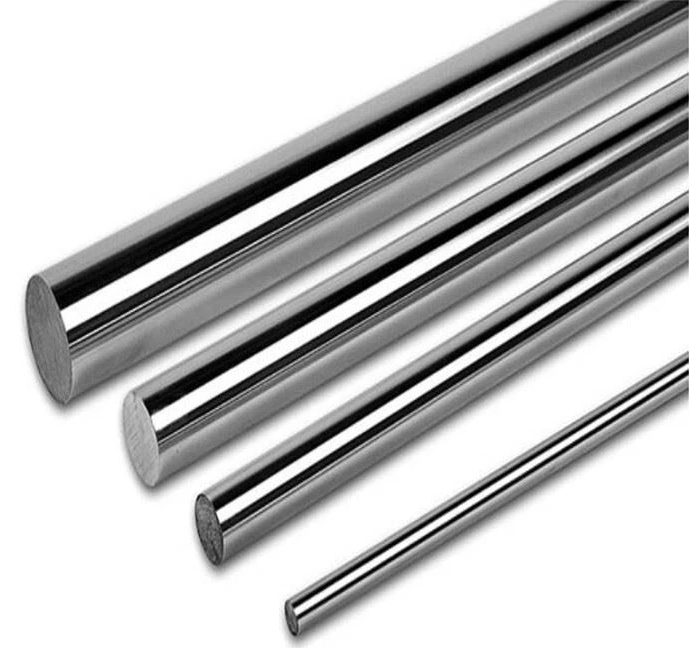
Stainless steel bars are among the most versatile and durable materials used across various industries, from construction and manufacturing to aerospace and marine applications. Their exceptional resistance to corrosion, heat, and wear makes them an ideal choice for demanding environments. However, even with their inherent durability, proper maintenance is crucial to ensure optimal performance and extend their service life. Understanding the correct care procedures not only protects your investment but also maintains the structural integrity and aesthetic appeal of these essential components.
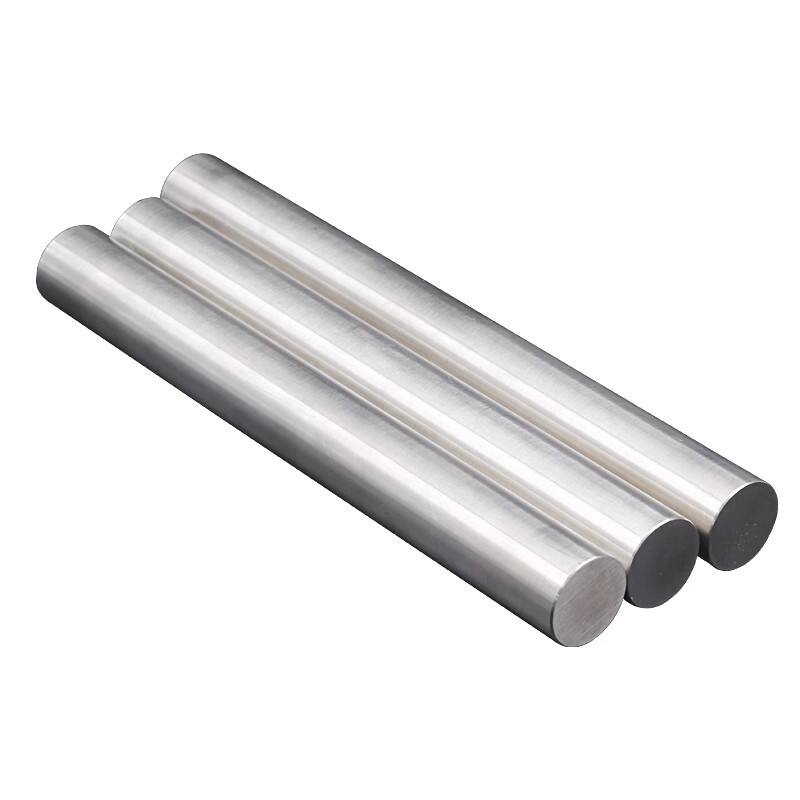
Understanding Stainless Steel Bar Composition
Chromium Content and Corrosion Resistance
The foundation of stainless steel's remarkable properties lies in its chromium content, which typically ranges from 10.5% to 30% depending on the grade. This chromium forms a thin, invisible oxide layer on the surface that provides the primary defense against corrosion. When maintaining stainless steel bars, it's essential to preserve this passive layer through proper cleaning techniques and avoiding contamination that could compromise its effectiveness. The chromium oxide layer is self-healing, meaning it can regenerate when damaged, but only if the underlying chromium content remains intact and uncontaminated.
Different grades of stainless steel bars contain varying amounts of chromium, nickel, molybdenum, and other alloying elements that influence their corrosion resistance and mechanical properties. Grade 304 contains approximately 18% chromium and 8% nickel, making it suitable for general-purpose applications. Grade 316, with added molybdenum, offers superior resistance to chloride environments. Understanding your specific grade helps determine the appropriate maintenance approach and cleaning solutions that won't damage the protective oxide layer.
Microstructure Impact on Maintenance Requirements
The microstructure of stainless steel bars significantly affects their maintenance needs and susceptibility to various forms of degradation. Austenitic stainless steels, the most common type, have a face-centered cubic crystal structure that provides excellent ductility and corrosion resistance. However, this structure can be sensitive to chloride stress corrosion cracking in certain environments, requiring specific maintenance protocols to prevent exposure to harmful chlorides.
Ferritic and martensitic stainless steel bars have different microstructures that influence their maintenance requirements. Ferritic grades are magnetic and generally more resistant to stress corrosion cracking but may be more susceptible to pitting in chloride environments. Martensitic grades, often used for their high strength, require careful maintenance to prevent corrosion in the tempered condition. Regular inspection of the surface condition and prompt attention to any signs of degradation are crucial for all microstructural types.
Essential Cleaning Procedures
Daily Cleaning Protocols
Regular cleaning is the cornerstone of effective stainless steel bar maintenance, preventing the accumulation of contaminants that could compromise the protective oxide layer. Daily cleaning should begin with a thorough rinse using clean water to remove loose dirt, dust, and surface contaminants. This initial rinse prevents abrasive particles from scratching the surface during subsequent cleaning steps. Use soft cloths or non-abrasive sponges to avoid creating micro-scratches that could serve as initiation sites for corrosion.
For routine cleaning of stainless steel bars, mild alkaline cleaners or specialized stainless steel cleaners are most effective. These cleaners are formulated to remove organic soils, fingerprints, and light staining without damaging the passive layer. Apply the cleaner using a soft cloth, working in the direction of the grain or finish lines to maintain the surface appearance. Avoid circular motions that can create visible scratching patterns and always rinse thoroughly with clean water to remove all cleaner residues.
Deep Cleaning and Restoration Techniques
When stainless steel bars show signs of heavy contamination, heat tinting, or surface discoloration, more intensive cleaning procedures may be necessary. Pickling pastes containing nitric and hydrofluoric acids are highly effective for removing heat tint, oxidation, and embedded contaminants. However, these products require careful handling, proper ventilation, and adherence to safety protocols. Always test pickling treatments on a small, inconspicuous area first to ensure compatibility with your specific grade of stainless steel.
Electrochemical cleaning methods offer an alternative approach for heavily contaminated stainless steel bars. This process involves applying a low-voltage electrical current while the bars are immersed in a specialized electrolyte solution. The electrochemical action helps remove embedded contaminants and can restore the passive layer more effectively than chemical cleaning alone. This method is particularly useful for bars that have been exposed to high temperatures or contaminated with iron particles from carbon steel contact.
Preventing Contamination and Damage
Surface Protection Strategies
Prevention is always more cost-effective than remediation when it comes to maintaining stainless steel bars. Implementing proper surface protection strategies from the moment of installation significantly reduces maintenance requirements throughout the service life. Protective films or coatings can be applied during fabrication or installation to prevent contamination from welding spatter, concrete splash, or other construction-related contaminants. These temporary protective measures should be removed promptly after installation to prevent adhesive residues from affecting the surface.
Environmental controls play a crucial role in preventing contamination of stainless steel bars in storage and service environments. Maintaining proper humidity levels, ensuring adequate ventilation, and controlling exposure to corrosive gases help preserve the integrity of the passive layer. In marine environments or areas with high chloride exposure, regular fresh water rinsing becomes essential to prevent chloride accumulation that could lead to pitting corrosion. Consider the installation of drainage systems and proper ventilation to minimize moisture retention on horizontal surfaces.
Avoiding Cross-Contamination
Cross-contamination from carbon steel tools, work surfaces, or adjacent materials is one of the most common causes of premature corrosion in stainless steel bars. Iron particles from carbon steel can embed in the stainless steel surface and create localized corrosion sites when exposed to moisture. Dedicated tools and work areas for stainless steel fabrication and maintenance help prevent this contamination. When this separation is not practical, thorough cleaning of tools and surfaces before contact with stainless steel bars is essential.
Storage and handling procedures must also consider contamination prevention. Stainless steel bars should be stored separately from carbon steel materials, using non-metallic spacers and supports to prevent direct contact. Protective wrapping or covering materials should be non-reactive and allow for adequate air circulation to prevent moisture accumulation. Regular rotation of stored inventory ensures that no bars remain in storage for extended periods without inspection and potential re-cleaning.
Inspection and Assessment Methods
Visual Inspection Techniques
Regular visual inspection forms the foundation of any effective maintenance program for stainless steel bars. Trained personnel should examine the surface condition systematically, looking for signs of corrosion, contamination, mechanical damage, or changes in surface appearance. Proper lighting is essential for effective visual inspection, as surface defects may not be visible under inadequate illumination. Use of magnification aids can help identify early-stage pitting or crevice corrosion that might otherwise go unnoticed.
Document inspection findings with photographs and detailed written records to track changes over time and identify trends that might indicate developing problems. Pay particular attention to areas where moisture can accumulate, such as horizontal surfaces, crevices, and joints. Discoloration, rust staining, or changes in surface texture are all indicators that warrant further investigation and potential corrective action. Establish inspection frequencies based on environmental exposure conditions and criticality of the application.
Advanced Testing and Monitoring
For critical applications or when visual inspection reveals potential issues, advanced testing methods can provide more detailed assessment of stainless steel bar condition. Non-destructive testing techniques such as dye penetrant inspection can reveal surface-breaking cracks or defects that are not visible to the naked eye. Ultrasonic testing can detect internal flaws or measure remaining wall thickness in areas where general corrosion may be occurring.
Electrochemical testing methods, including corrosion potential measurements and polarization resistance testing, can assess the condition of the passive layer and predict future corrosion behavior. These techniques are particularly valuable for monitoring stainless steel bars in aggressive environments or when making decisions about maintenance intervals and replacement timing. Regular monitoring using these methods can help optimize maintenance schedules and prevent unexpected failures.
Environmental Considerations
Temperature Effects on Maintenance
Temperature variations significantly impact the maintenance requirements and performance of stainless steel bars. High-temperature exposure can lead to oxide scale formation, carbide precipitation, and changes in the microstructure that affect corrosion resistance. Regular inspection of stainless steel bars operating at elevated temperatures should focus on scale formation, cracking, and dimensional changes. Specialized high-temperature cleaning procedures may be necessary to remove oxide scales without damaging the underlying material.
Low-temperature applications present different challenges, particularly in environments where freeze-thaw cycles occur. Moisture trapped in crevices or surface imperfections can expand upon freezing, creating stress concentrations that may lead to crack propagation. Maintenance procedures for cold environments should emphasize thorough drying after cleaning and regular inspection for ice formation or frost damage. Consider the use of low-temperature-compatible cleaning solutions that remain effective in cold conditions.
Chemical Exposure Management
Chemical exposure represents one of the most significant threats to the long-term performance of stainless steel bars. Chlorides, acids, alkalis, and organic solvents can all affect the passive layer and underlying material in different ways. Develop exposure assessment protocols that identify the specific chemicals present in your environment and their concentrations. This information guides the selection of appropriate cleaning methods, inspection frequencies, and protective measures.
When stainless steel bars are exposed to process chemicals, implement containment and neutralization procedures to minimize contact time and concentration. Emergency response procedures should be in place for accidental spills or overexposure situations. Regular testing of environmental conditions, including pH, chloride content, and temperature, helps predict maintenance needs and identify when conditions exceed the design parameters for your specific grade of stainless steel bars.
FAQ
How often should stainless steel bars be cleaned and inspected
The frequency of cleaning and inspection for stainless steel bars depends on environmental conditions and application criticality. In mild indoor environments, monthly visual inspections and quarterly cleaning may be sufficient. However, in marine, industrial, or chemically aggressive environments, weekly inspections and more frequent cleaning may be necessary. High-traffic areas or applications where contamination is likely should be cleaned daily, while structural applications in controlled environments may require only periodic maintenance. Always increase inspection frequency when environmental conditions change or when previous inspections reveal developing issues.
What cleaning products should be avoided when maintaining stainless steel bars
Avoid cleaning products containing chlorides, such as bleach-based cleaners, as these can cause pitting corrosion and stress corrosion cracking. Abrasive cleaners, steel wool, and wire brushes should never be used as they can scratch the surface and remove the protective passive layer. Hydrochloric acid and other strong acids can damage the stainless steel surface and should only be used by trained professionals with proper safety equipment. Avoid cleaners containing iron or other metallic particles that could cause cross-contamination and localized corrosion.
Can scratched or damaged stainless steel bars be restored to their original condition
Minor scratches and surface damage to stainless steel bars can often be restored through proper polishing and passivation procedures. Light scratches can be removed using progressively finer abrasives, always working in the direction of the original finish. After mechanical treatment, chemical passivation helps restore the protective oxide layer. However, deep gouges, pitting corrosion, or significant mechanical damage may require more extensive repair or replacement. The feasibility of restoration depends on the depth of damage relative to the bar dimensions and the criticality of the application.
What are the signs that stainless steel bars need immediate maintenance attention
Immediate maintenance attention is required when stainless steel bars show signs of active corrosion, such as red rust staining, pitting, or crevice corrosion. Discoloration that cannot be removed with normal cleaning, surface roughening, or changes in dimensional tolerances also indicate urgent maintenance needs. Cracking, whether stress-related or corrosion-induced, requires immediate evaluation and potential replacement. Any contamination with aggressive chemicals or exposure to temperatures outside design parameters should trigger immediate inspection and appropriate corrective action to prevent permanent damage to the material.
Table of Contents
- Understanding Stainless Steel Bar Composition
- Essential Cleaning Procedures
- Preventing Contamination and Damage
- Inspection and Assessment Methods
- Environmental Considerations
-
FAQ
- How often should stainless steel bars be cleaned and inspected
- What cleaning products should be avoided when maintaining stainless steel bars
- Can scratched or damaged stainless steel bars be restored to their original condition
- What are the signs that stainless steel bars need immediate maintenance attention