
 EN
EN



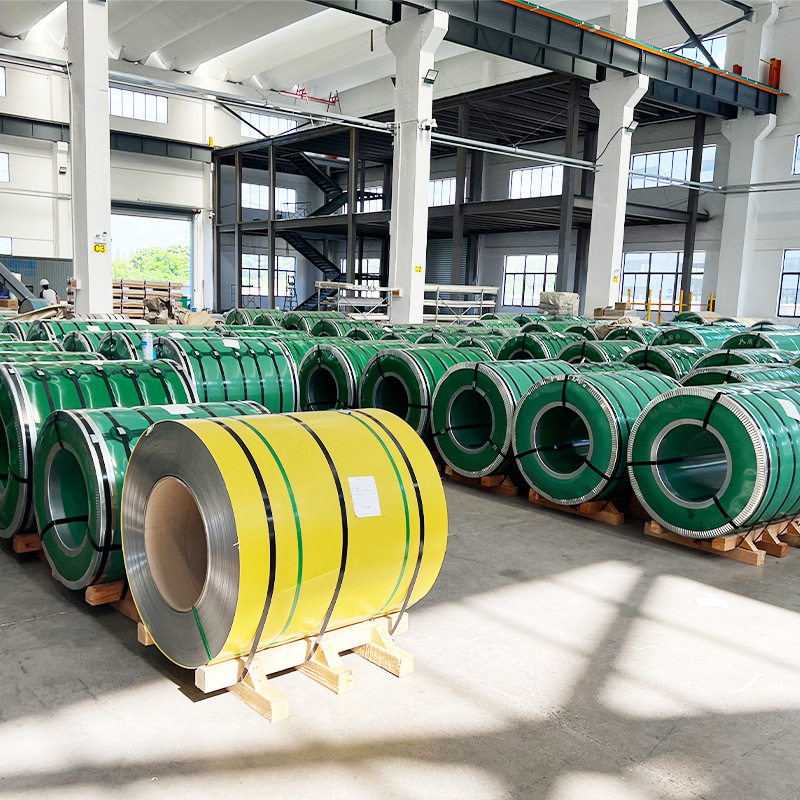
Stainless steel coils have become an indispensable material in modern construction, offering a unique combination of corrosion resistance, structural strength, and aesthetic versatility that few other materials can match. As construction projects increasingly demand materials that can withstand harsh environmental conditions while maintaining architectural appeal, stainless steel coils emerge as a solution that addresses both functional and design requirements. Understanding the specific applications of these coils helps architects, engineers, and construction professionals make informed material selection decisions that optimize both project performance and long-term cost-effectiveness.
The construction industry relies on stainless steel coils across multiple building systems and components, from exterior facades and roofing systems to interior fixtures and structural reinforcement. These applications span commercial buildings, residential complexes, industrial facilities, and infrastructure projects where durability and maintenance considerations play crucial roles in material specification. This comprehensive examination explores the primary applications where stainless steel coils deliver measurable value, examining how their inherent properties translate into practical construction solutions that address real-world challenges faced by building professionals.
Architectural Facades and Exterior Cladding Systems
Curtain Wall and Panel Systems
Stainless steel coils serve as the foundation material for fabricating curtain wall panels and exterior cladding systems in high-rise commercial buildings and architectural landmarks. The coils are processed through roll-forming or press-braking operations to create panels with precise dimensional tolerances and custom surface finishes. These panels provide the building envelope with weather resistance while contributing to the overall aesthetic identity of the structure. The corrosion resistance of stainless steel coils becomes particularly valuable in coastal environments or urban areas with high pollution levels where traditional materials deteriorate rapidly.
Architects specify stainless steel coils for facade applications because the material can be finished with various surface treatments including brushed, mirror-polished, or patterned textures that create distinctive visual effects. The coil format allows for efficient fabrication of large-format panels with minimal material waste compared to flat sheet processing. Additionally, the thermal expansion characteristics of stainless steel coils can be calculated precisely to design expansion joints and fastening systems that accommodate temperature variations without compromising the facade integrity over decades of service life.
Rainscreen and Ventilated Facade Components
Modern building envelope designs increasingly incorporate rainscreen systems where stainless steel coils are formed into the outer protective layer that shields the insulation and structural wall from direct weather exposure. The coil material is fabricated into interlocking panels or cassettes that create a ventilated cavity allowing moisture to escape while preventing water ingress. This application leverages the low maintenance requirements of stainless steel coils since the panels do not require painting or protective coatings throughout their service life, reducing long-term building maintenance costs significantly.
The dimensional stability of stainless steel coils ensures that rainscreen components maintain their designed gaps and alignment even after repeated thermal cycling and weather exposure. Fabricators can produce complex geometries from coil stock that would be difficult or impossible to achieve with other materials, enabling innovative facade designs that combine functional performance with architectural expression. The material's resistance to biological growth such as algae and mold makes stainless steel coils particularly suitable for facades in humid climates where organic staining can compromise the appearance of other cladding materials.
Roofing Systems and Structural Components
Standing Seam and Architectural Metal Roofing
Stainless steel coils are transformed into standing seam roofing panels that provide superior weather protection for commercial, institutional, and high-end residential buildings. The coil-to-panel fabrication process creates continuous roofing sections with mechanical seams that eliminate the need for exposed fasteners, reducing potential leak points and enhancing the roof's visual continuity. The longevity of stainless steel coils in roofing applications often exceeds fifty years, making them a cost-effective choice when lifecycle costs are considered rather than just initial material expenses.
Roofing contractors value stainless steel coils for their formability, which allows the creation of complex roof geometries including curves, slopes, and transitions between different roof planes. The material's high strength-to-weight ratio means that stainless steel coils can span longer distances between structural supports compared to heavier roofing materials, potentially reducing the required roof framing and associated structural costs. In regions with extreme weather conditions including high winds, heavy snow loads, or intense solar radiation, stainless steel coils maintain their structural integrity and appearance without the degradation that affects painted metal or organic roofing materials.
Flashing, Trim, and Waterproofing Details
Construction professionals utilize stainless steel coils to fabricate critical waterproofing components including flashing, edge trim, copings, and penetration seals that protect vulnerable building transitions from water infiltration. These detail components must resist corrosion from constant moisture exposure while maintaining dimensional stability to ensure continued waterproofing effectiveness. Stainless steel coils can be formed into intricate profiles that direct water away from building openings and interfaces, functioning as the primary defense against water damage that can compromise building structure and interior finishes.
The compatibility of stainless steel coils with various sealant and membrane systems allows these components to integrate seamlessly with broader waterproofing assemblies. Unlike galvanized or painted metals that may react chemically with certain sealants or create galvanic corrosion when in contact with dissimilar metals, stainless steel coils offer electrochemical stability that extends the service life of complete waterproofing systems. Fabricators can produce custom flashing profiles directly from coil stock using portable roll-forming equipment on construction sites, enabling precise fitting to actual building conditions rather than relying on prefabricated components with standard dimensions.
Interior Applications and Architectural Features
Elevator Interiors and Wall Panels
Stainless steel coils are extensively used in fabricating elevator cab interiors, column covers, and decorative wall panels in commercial building lobbies and public spaces. The material's cleanability and resistance to impact damage make it ideal for high-traffic areas where surface appearance must be maintained despite frequent contact and potential abuse. Designers specify stainless steel coils for these applications because the material can be embossed, etched, or finished with patterns that create visual interest while concealing minor scratches and fingerprints that would be obvious on plain polished surfaces.
The hygienic properties of stainless steel coils contribute to their popularity in healthcare facilities, food service areas, and other environments where surface sanitation is critical. The non-porous surface prevents bacterial growth and allows thorough cleaning with standard disinfectants without material degradation. Interior applications also benefit from the fire-resistant properties of stainless steel coils, as the material does not contribute to flame spread or produce toxic fumes during fire events, supporting building code compliance for interior finish materials in commercial occupancies.
Kitchen and Food Preparation Surfaces
Commercial kitchen construction relies heavily on stainless steel coils for fabricating countertops, wall panels, equipment housings, and integrated sink units that meet stringent health department requirements. The coils are formed and welded into seamless surfaces that eliminate crevices where food particles and bacteria could accumulate. This application demands the corrosion resistance that stainless steel coils provide against acidic foods, cleaning chemicals, and constant moisture exposure that would quickly degrade alternative materials.
Food service facility designers appreciate the versatility of stainless steel coils in creating custom kitchen configurations that maximize operational efficiency within available space. The material can be bent, formed, and joined to create integrated countertop and backsplash assemblies that streamline installation and reduce the number of seams requiring maintenance. The thermal conductivity of stainless steel coils remains low enough that surfaces stay comfortable for workers to contact during food preparation activities, while the material's durability withstands the impact of dropped utensils and equipment without denting or chipping like ceramic or stone surfaces.
Structural Reinforcement and Load-Bearing Applications
Concrete Reinforcement and Embedded Components
In harsh environments where conventional steel reinforcement would corrode rapidly, construction engineers specify stainless steel coils that are slit into reinforcing bars or fabricated into structural mesh for concrete reinforcement. This application is particularly important in bridge decks, parking structures, and marine construction where chloride exposure from de-icing salts or seawater accelerates the corrosion of carbon steel reinforcement. The superior corrosion resistance of stainless steel coils extends the service life of concrete structures by preventing the expansion and cracking caused by corroding reinforcement.
Structural designers calculate the required quantities of stainless steel coils for reinforcement based on the material's mechanical properties, which provide adequate tensile strength while offering significantly better durability than coated or galvanized alternatives. The coil format facilitates economical production of reinforcing components since the continuous material can be processed through automated cutting and bending operations that produce consistent quality at high production rates. Although the initial material cost of stainless steel coils exceeds that of conventional reinforcement, lifecycle cost analysis often demonstrates net savings when repair and rehabilitation expenses are factored into the economic comparison.
Structural Framing and Support Systems
Specialized construction applications require structural framing fabricated from stainless steel coils that are roll-formed into channels, angles, and custom profiles providing load-bearing capacity in corrosive environments. Chemical processing facilities, wastewater treatment plants, and industrial buildings housing corrosive processes utilize structural components formed from stainless steel coils because conventional structural steel would require constant maintenance and eventual replacement. The coil-to-structural-section manufacturing process creates efficient shapes with optimized strength-to-weight ratios suitable for spanning requirements in industrial construction.
Structural engineers value the predictable mechanical properties of stainless steel coils, which maintain their strength characteristics across wide temperature ranges and resist embrittlement at low temperatures where some materials become brittle and prone to fracture. The material's high ductility allows structural members formed from stainless steel coils to absorb energy during seismic events or impact loads without sudden failure. Connection details for structures fabricated from stainless steel coils can be designed using standard welding and bolting techniques, though material-specific procedures ensure that joints develop the full strength of the base material without introducing corrosion susceptibility.
Specialized Infrastructure and Equipment Applications
Handrails, Balustrades, and Safety Barriers
Construction projects incorporate stainless steel coils in the fabrication of handrails, guardrails, and balustrade systems that provide safety barriers while enhancing architectural aesthetics. The coils are formed into tubular sections or flat bar profiles that resist corrosion from hand contact, weather exposure, and cleaning chemicals used in building maintenance. These safety components must meet building code requirements for strength and geometry while maintaining their appearance and structural integrity throughout the building's service life, requirements that stainless steel coils fulfill reliably.
The low maintenance requirements of handrails and balustrades fabricated from stainless steel coils reduce the lifecycle costs of buildings significantly compared to painted or powder-coated alternatives that require periodic refinishing. Architects specify these components for both interior and exterior applications, from shopping mall atriums to outdoor observation decks, confident that the material will resist wear from constant public contact while preserving its visual appeal. The ability to combine different surface finishes on components fabricated from stainless steel coils enables designers to create visual interest through contrasting textures within unified railing systems.
Drainage Systems and Water Management
Building water management systems utilize components fabricated from stainless steel coils including gutters, downspouts, scuppers, and channel drains that must resist corrosion from constant water flow and periodic exposure to acidic rainwater. The material's smooth surface promotes efficient water flow while resisting the accumulation of debris that can clog drainage systems and cause water backup. Construction professionals specify drainage components formed from stainless steel coils for buildings where drainage system failure could cause extensive property damage or where replacement access is difficult and expensive.
The formability of stainless steel coils allows fabricators to create custom drainage profiles that integrate with specific building designs and accommodate site-specific water volume requirements. Unlike plastic or composite drainage materials that can degrade from ultraviolet exposure or become brittle in cold climates, components formed from stainless steel coils maintain their structural properties across the full range of environmental conditions encountered in construction applications. The material's strength enables the design of large-capacity drainage systems with thinner wall sections compared to alternative materials, reducing the visual impact of these functional components while maintaining adequate flow capacity.
FAQ
What makes stainless steel coils more suitable than other materials for coastal construction projects?
Stainless steel coils offer superior resistance to chloride-induced corrosion that aggressively attacks carbon steel, aluminum, and galvanized materials in coastal environments. The chromium oxide layer that naturally forms on stainless steel surfaces provides continuous protection even when scratched or abraded, unlike coatings that create corrosion sites when breached. For coastal buildings, this translates to dramatically reduced maintenance requirements and extended service life compared to alternative materials that would require frequent inspection, repair, and eventual replacement due to salt spray exposure and high humidity conditions.
How do fabricators determine the appropriate gauge of stainless steel coils for different construction applications?
Fabricators select stainless steel coil thickness based on the structural loads, span distances, forming requirements, and aesthetic considerations specific to each application. Facade panels typically use lighter gauges that can be formed efficiently while meeting wind load requirements, whereas structural components require thicker material to develop adequate strength. Engineering calculations account for the material's yield strength, the geometry of the formed component, and applicable building code requirements to determine minimum thickness. Practical considerations including formability, welding compatibility, and industry standard availability also influence gauge selection for efficient fabrication and cost-effective material utilization.
Can stainless steel coils be used in direct contact with other construction materials without causing corrosion problems?
Stainless steel coils can be placed in direct contact with most construction materials without galvanic corrosion concerns, though designers must consider the electrochemical relationship between materials when moisture is present. Contact with carbon steel, aluminum, or galvanized steel in wet conditions may cause accelerated corrosion of the less noble material unless electrical isolation is provided through gaskets, coatings, or non-conductive spacers. Compatibility with concrete, masonry, wood, and most plastics presents no corrosion issues, making stainless steel coils versatile for diverse construction assemblies. Material selection also considers that some grades of stainless steel coils offer better compatibility with specific exposure conditions and adjacent materials.
What surface finishes are available on stainless steel coils for architectural applications?
Stainless steel coils are supplied with various mill finishes including brushed, mirror-polished, and matte surfaces, each offering distinct aesthetic characteristics and practical performance attributes. Brushed finishes feature directional grain patterns that minimize the visibility of scratches and fingerprints while providing moderate reflectivity suitable for both interior and exterior applications. Mirror-polished finishes deliver high reflectivity creating dramatic visual effects in architectural features, though this finish shows wear more readily in high-contact areas. Specialized finishes including embossed patterns, colored coatings, and etched textures expand the design possibilities while potentially improving the material's resistance to visible wear in demanding applications, allowing architects to specify stainless steel coils that meet both functional requirements and aesthetic intentions.
Table of Contents
- Architectural Facades and Exterior Cladding Systems
- Roofing Systems and Structural Components
- Interior Applications and Architectural Features
- Structural Reinforcement and Load-Bearing Applications
- Specialized Infrastructure and Equipment Applications
-
FAQ
- What makes stainless steel coils more suitable than other materials for coastal construction projects?
- How do fabricators determine the appropriate gauge of stainless steel coils for different construction applications?
- Can stainless steel coils be used in direct contact with other construction materials without causing corrosion problems?
- What surface finishes are available on stainless steel coils for architectural applications?